
That stubborn bad breath just won’t go away no matter how thoroughly you brush, floss, or use mouthwash. It lingers in the background, making you self-conscious during conversations or close moments with others. You feel frustrated and a bit embarrassed, wondering why your usual routine isn’t enough to keep things fresh. Many people face this exact issue without realizing the cause hides deeper in the throat—and there’s a straightforward evening habit that can make a real difference. Keep reading to discover what it is and how it fits into everyday care.
What Exactly Are Tonsil Stones?
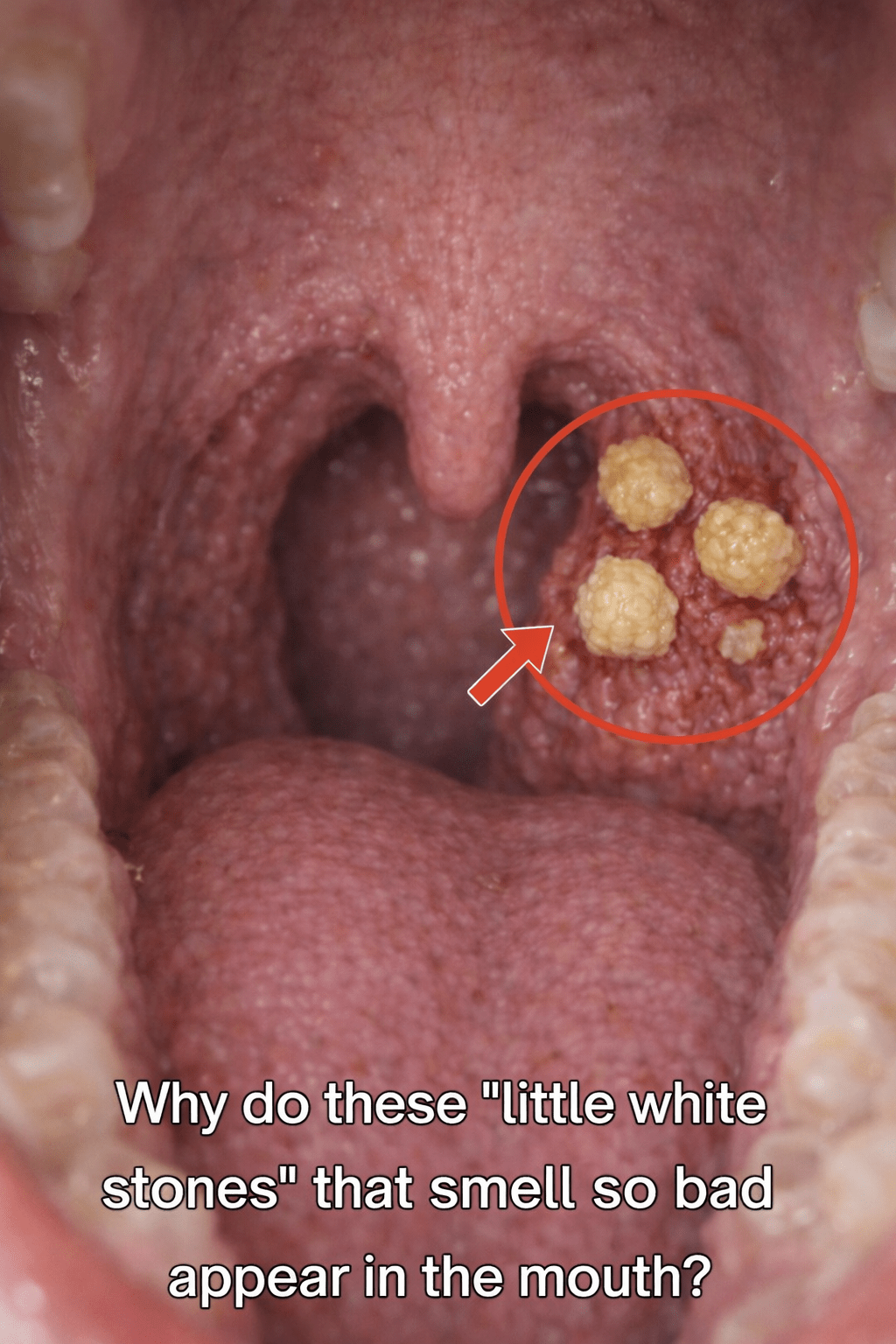
Tonsil stones, also known as tonsilloliths, are small, hard lumps that form in the crevices of your tonsils. These crevices, called crypts, naturally trap bits of food, dead cells, mucus, and bacteria.
Over time, this trapped material can harden as minerals from saliva build up around it. The result is a calcified stone, often white or yellowish, that sits quietly in the tonsil tissue.
These stones are usually harmless and quite common. Studies using imaging like CT scans have found them in up to 40% of people in some groups, though rates vary widely depending on detection methods.
But here’s the interesting part: not everyone notices them right away.
Some stones are visible as white spots when you open your mouth wide and look in the mirror. Others stay hidden deeper in the crypts, only revealing themselves when you cough one up.
The smell? That’s from bacteria breaking down the trapped debris, producing strong odors even if the stone is small.
Why Do Tonsil Stones Often Cause Persistent Bad Breath?
Bad breath from tonsil stones can be particularly stubborn. The bacteria inside these porous lumps release volatile sulfur compounds—the same gases that make rotten eggs smell bad.
Since the stones are embedded in throat tissue, the odor releases gradually as you talk, swallow, or breathe.
Standard brushing and mouthwash mainly clean the teeth and tongue surface. They often don’t reach deep into the tonsil crypts.
That’s why the freshness feels short-lived. The source inside the stone keeps producing odor until the debris is cleared.
Research shows this is a key reason why tonsil stones contribute to halitosis in many cases.
But that’s not all—there are other subtle signs that might point to hidden stones.
Subtle Signs You Might Have Hidden Tonsil Stones
Not all tonsil stones are easy to spot. Sometimes they’re buried, causing symptoms that seem unrelated at first.
Here are some common indicators:
- A persistent feeling like something is stuck in your throat, similar to a popcorn kernel you can’t swallow away.
- Occasional referred pain to the ear, since nerves in the throat and ears connect.
- A metallic or off taste in the mouth that doesn’t improve with eating or drinking.
- Frequent throat clearing or coughing to try dislodging an irritation.
If these sound familiar, tonsil stones could be playing a role.
The good news? Simple habits can help manage them without complex changes.
Who Is More Likely to Develop Tonsil Stones?
Anyone can get tonsil stones, but certain factors make them more common.
People with naturally deeper tonsil crypts have more spaces for debris to collect.
Chronic post-nasal drip from allergies or sinus issues adds extra mucus, which can mix with bacteria and particles.
Teenagers and young adults seem prone, possibly due to larger tonsils or hormonal changes affecting saliva.
Poor hydration or dry mouth can also contribute by reducing natural washing away of debris.
Studies estimate 10-40% of people experience them at some point, depending on the population studied.
Understanding these helps explain why they happen—and how to address them gently.
Comparing Common Ways to Manage Tonsil Stones
Different approaches vary in how well they help with symptoms and prevention.
Here’s a simple comparison:
| Method | Help with Odor | Ease of Use | Potential for Prevention |
|---|---|---|---|
| Regular Brushing | Low | Very Easy | Minimal |
| Salt Water Gargling | Medium to High | Easy | High |
| Water Flossing | High | Moderate | High |
| Manual Removal | High (short-term) | Difficult | Low |
Salt water gargling and gentle flushing stand out for daily use.
But the most effective routines combine a few steps.
A Simple Evening Routine to Help Keep Tonsil Stones in Check
Consistency with gentle habits can disrupt the buildup process before stones fully form.
Many find relief with this easy three-step approach, especially in the evening when debris has accumulated all day.
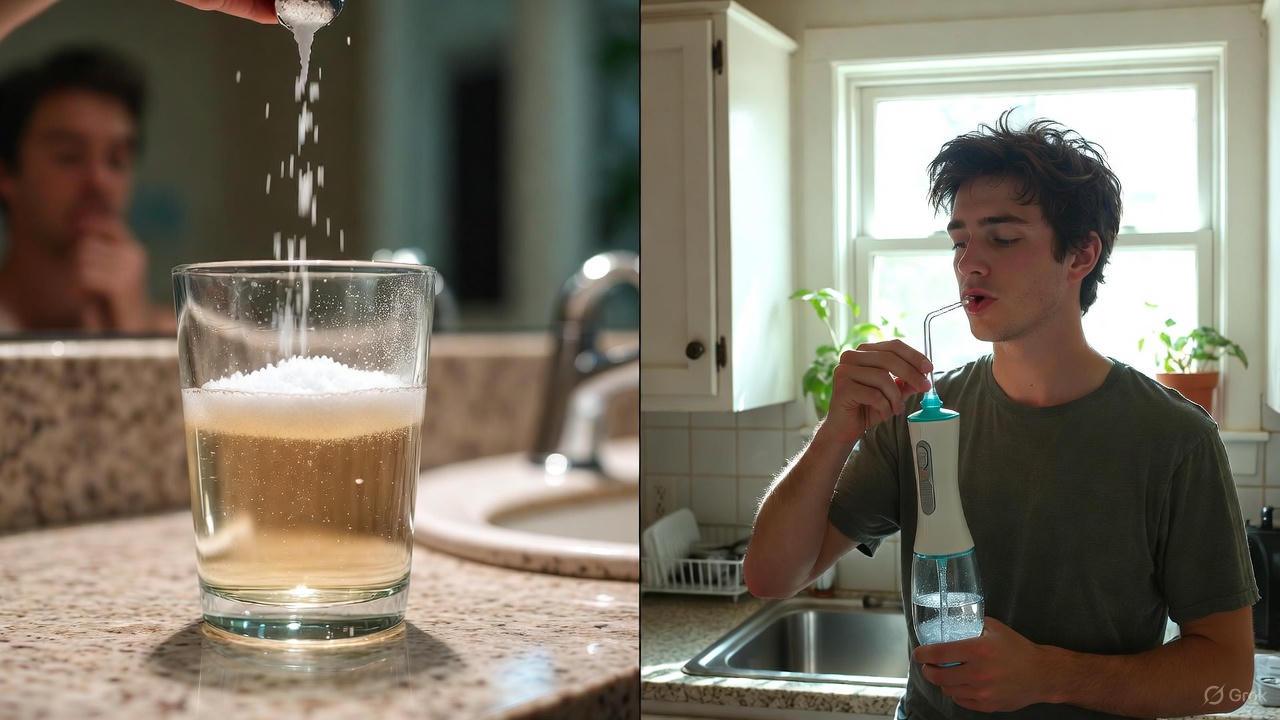
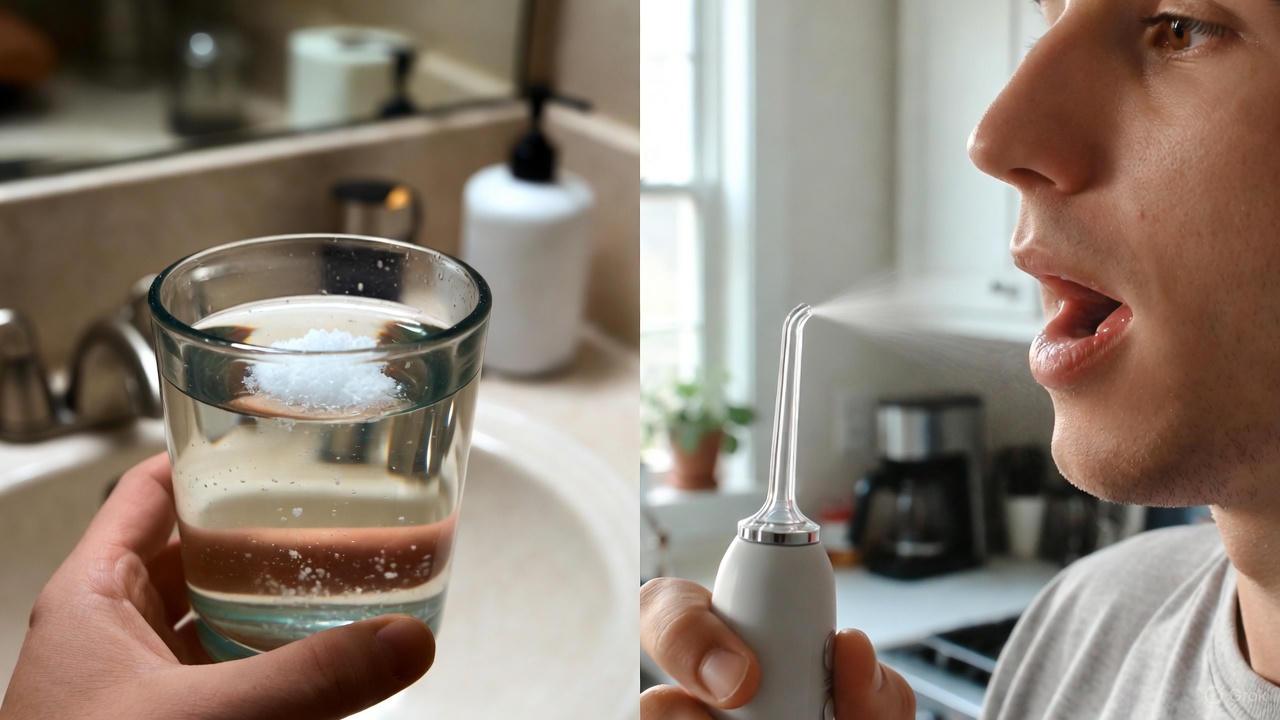
- Warm Salt Water Gargle: Mix half a teaspoon of salt in a cup of warm water. Tilt your head back and gargle vigorously for 30 seconds, focusing on the back of the throat. This helps flush crypts and creates a less favorable environment for bacteria.
- Stay Well-Hydrated: Drink plenty of water throughout the day. Good hydration keeps saliva flowing, naturally rinsing away particles before they stick.
- Gentle Low-Pressure Flossing if Available: Use a water flosser on the lowest setting to direct a soft stream toward the tonsils. This can loosen debris without irritation.
Doing this routinely, especially before bed, supports clearer tonsils overnight.
Here’s something emerging: some research explores oral probiotics, like strains of Streptococcus salivarius K12, which may help balance mouth bacteria. Early studies suggest they could compete with odor-producing types, but more evidence is needed.
When to Consider Talking to a Professional
Most tonsil stones are a minor issue managed at home.
But see a doctor or ENT specialist if you notice:
- Swelling mostly on one side.
- Severe pain or difficulty swallowing.
- Bleeding when trying to dislodge stones.
- Frequent infections or ongoing discomfort.
Options like laser treatments to smooth crypts or, rarely, tonsil removal might be discussed for persistent cases.
Frequently Asked Questions
1. Is it safe to remove tonsil stones with a cotton swab?
Many do this gently, but it’s best to avoid if possible. The tonsil tissue is delicate and can bleed or get irritated easily. Stick to gargling or flushing for safer results.
2. Do tonsil stones mean poor oral hygiene?
Not at all. Even with excellent brushing and flossing, anatomy like deep crypts or post-nasal drip can lead to stones. It’s often more about structure than habits.
3. How often should I gargle with salt water?
Once daily in the evening works well for maintenance. If stones are noticeable, try morning and night to help loosen them naturally.
Final Thoughts
Tonsil stones are a common experience that can affect confidence, but understanding them shifts the focus to the whole mouth and throat. Simple, consistent habits like a warm salt water gargle can make everyday life more comfortable. Start incorporating one tonight and notice the difference over time.
Disclaimer: This article is for informational purposes only and is not a substitute for professional medical advice. Consult your doctor or a qualified healthcare provider for any concerns about your health.


