Many adults notice their energy isn’t as steady as it used to be, especially after meals, or feel a bit more concerned about long-term heart and metabolic health as they get older. These quiet changes can feel frustrating because they often build slowly without clear warning signs, leaving you wondering what’s really going on inside. The good news is that everyday kitchen ingredients can play a supportive role when added consistently to your routine—and there’s one surprisingly simple onion-based dish that brings several of them together in a tasty way you’ll actually want to make again.
Keep reading, because by the end you’ll discover an easy recipe that feels like comfort food while fitting into a heart-friendly, blood-sugar-conscious eating pattern.
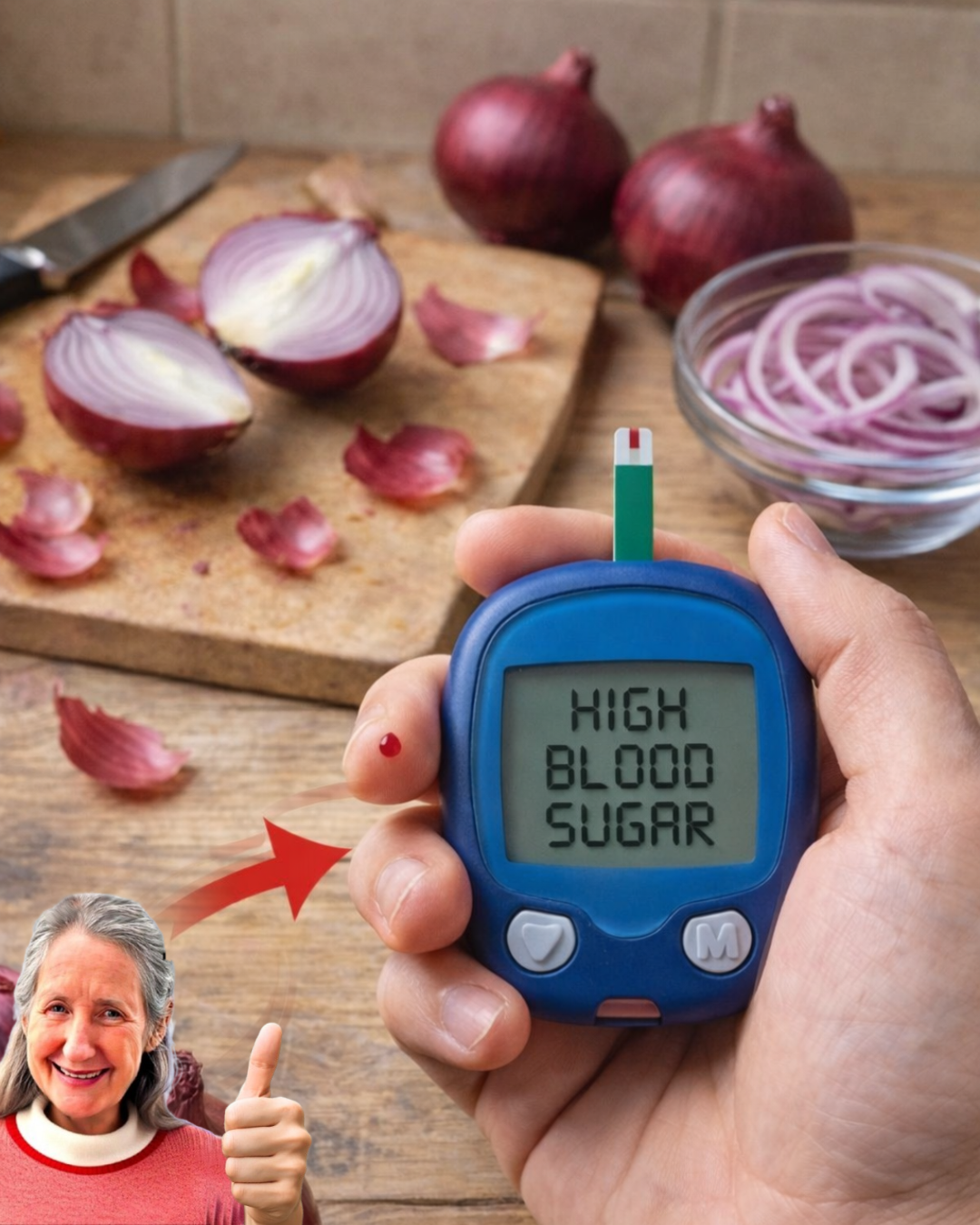
Why Blood Sugar and Artery Health Can Feel Harder to Maintain After 50
As we age, the body naturally processes carbohydrates a little differently. Metabolism slows slightly, insulin sensitivity can shift, and inflammation levels may rise—all factors that influence how steady we feel throughout the day.
You might notice occasional fatigue after eating, cravings that come on stronger, or just a general sense that your body isn’t bouncing back as quickly. These aren’t always dramatic, but they add up over time.
Research shows that diets higher in refined carbs and added sugars can contribute to bigger blood sugar swings, while oxidative stress and inflammation may affect blood vessel flexibility. The encouraging part? Studies also suggest that fiber-rich, antioxidant-packed foods can help promote better balance.
But that’s not all—small, repeatable food choices often make a bigger difference than occasional big changes.
Everyday Habits That Might Affect Blood Sugar and Heart Health (And Easy Swaps)
Certain common eating patterns can lead to more ups and downs in energy or contribute to gradual plaque buildup. The goal isn’t perfection—it’s awareness and gentle improvement.
Here’s a quick look at habits worth reconsidering and simple alternatives:
| Habit to Limit | Why It May Matter | Better Everyday Swap |
|---|---|---|
| Sugary drinks and sweets | Can cause quicker blood sugar rises | Fresh fruit, herbal tea, or water with lemon |
| Fried and ultra-processed snacks | Often high in inflammatory fats | Air-popped popcorn, nuts, or veggie sticks |
| Large portions of white bread/pasta | Faster digestion and glucose release | Whole grains, quinoa, or legume-based pasta |
| Processed meats | Higher in sodium and saturated fat | Grilled fish, beans, or turkey |
| Excess added salt | May influence blood pressure in some people | Herbs, spices, garlic, or citrus |
These swaps don’t feel restrictive when you focus on adding flavor from whole foods instead of taking things away.
The real power comes from including more protective ingredients daily. Ready for some standouts backed by research?
Top Research-Backed Foods That May Support Metabolic and Cardiovascular Health
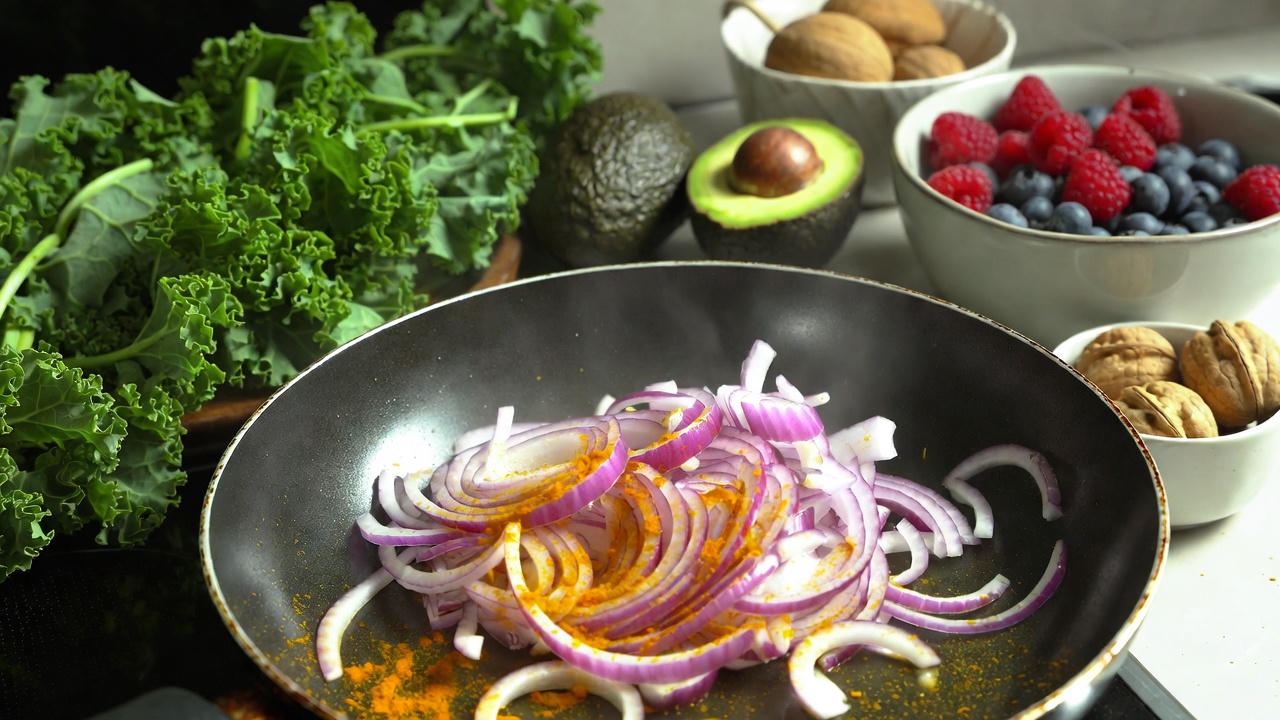
Scientists have studied various plant foods for their potential benefits. Here are some favorites that show up repeatedly in studies for fiber, healthy fats, and beneficial compounds.
- Berries (blueberries, strawberries): Rich in anthocyanins and fiber; research suggests they may help support healthy glucose response and vascular function.
- Avocados: Provide monounsaturated fats and potassium; studies link them to better insulin sensitivity markers in some populations.
- Walnuts: Source of plant-based omega-3s (ALA); evidence points to possible anti-inflammatory effects and heart health support.
- Leafy greens like kale or spinach: High in nitrates and antioxidants; associated with better blood vessel relaxation in research.
- Sweet potatoes: Contain resistant starch (especially when cooled); may promote steadier energy release.
- Garlic: Contains allicin compounds; numerous studies explore its potential for circulation and cholesterol support.
- Oats: Beta-glucan fiber has been shown in trials to help maintain healthy cholesterol levels.
- Beans and lentils: Excellent protein-fiber combo for fullness and gradual digestion.
Here’s the exciting part: you don’t need exotic ingredients. Most of these are affordable pantry staples.
And one everyday vegetable ties many of these benefits together beautifully…
Why Onions Deserve More Credit for Daily Wellness
Onions—especially red ones—are packed with quercetin, a flavonoid antioxidant that research has investigated for anti-inflammatory and vascular-supporting properties.
They also provide prebiotic fiber that feeds beneficial gut bacteria, which emerging studies link to better metabolic health.
Plus, their natural sulfur compounds (similar to garlic) have been studied for potential cardiovascular benefits.
The best news? Onions add deep savory flavor without extra calories, making healthier meals taste better naturally.
But that’s not all—when combined with a few smart spices, they become even more versatile.
The Simple Red Onion Turmeric Sauté Recipe You’ll Want to Make Weekly
This quick side dish takes about 15 minutes and transforms basic onions into something golden, fragrant, and incredibly satisfying. People often say it reminds them of comfort food—without the heaviness.
Ingredients (serves 2–4 as a side)
- 2 large red onions, thinly sliced
- 1–2 tablespoons extra-virgin olive oil
- 1 teaspoon ground turmeric
- ¼ teaspoon freshly ground black pepper
- 2 cloves garlic, minced (optional)
- Juice of half a lemon or 1 tablespoon balsamic vinegar (optional)
- Fresh parsley or cilantro for garnish (optional)
Step-by-Step Instructions
- Heat the olive oil in a large skillet over medium-low heat.
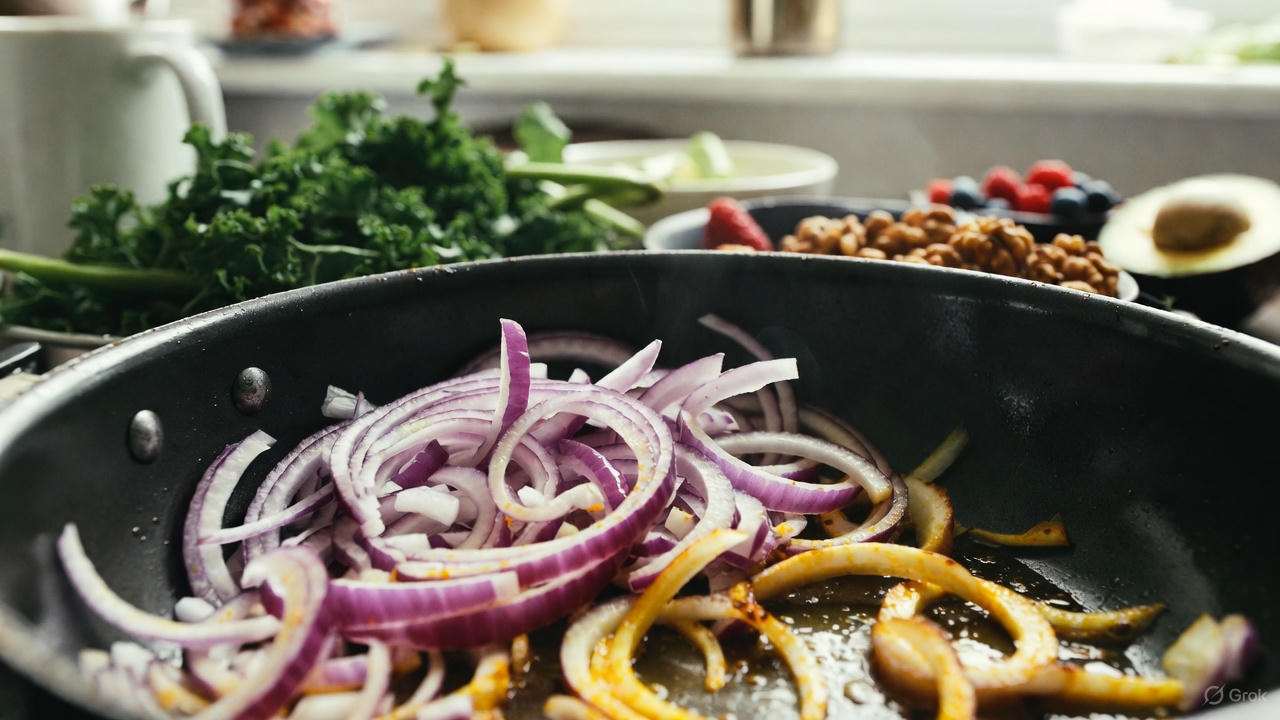
- Add the sliced onions and a pinch of salt. Cook gently for 8–10 minutes, stirring occasionally, until soft and lightly golden (this slow caramelization brings out natural sweetness).
- Stir in the turmeric and black pepper—cook for 1 minute to release aromas.
- Add minced garlic (if using) in the last 2 minutes to avoid burning.
- Finish with a squeeze of lemon or splash of vinegar for brightness.
- Serve warm as a topping or side.
Serve it over scrambled eggs, grilled chicken, roasted vegetables, quinoa bowls, or alongside fish. It keeps well in the fridge for 3–4 days and tastes even better reheated.
Why this combination? Black pepper significantly boosts turmeric’s curcumin absorption, according to research—and together with onion’s quercetin, it creates a flavorful trio that fits easily into daily meals.
How to Make This Recipe Part of Your Routine
Start small for lasting results:
- Week 1: Make the sauté twice and add it to existing meals.
- Week 2: Pair it with one or two foods from the list above (like beans or leafy greens).
- Ongoing: Keep onions, turmeric, and olive oil as kitchen staples.
Track how you feel after meals—many people notice steadier energy within a couple of weeks when they consistently include fiber- and antioxidant-rich foods.
Remember, this isn’t about perfection. It’s about progress through enjoyable habits.
Final Thoughts: Small Kitchen Habits, Meaningful Support
Incorporating more whole plant foods—like the ones in this simple onion sauté—can be a practical way to support healthier blood sugar patterns and cardiovascular wellness over time.
Research continues to highlight the value of dietary patterns rich in vegetables, healthy fats, and spices rather than any single “miracle” food.
The beauty is in the consistency: a tasty dish you actually look forward to can make better choices feel automatic.
Start tonight with whatever onions you have on hand. Your future self will thank you.
Frequently Asked Questions
Can onions really make a difference for blood sugar or heart health?
While no single food is magic, studies suggest compounds in onions (like quercetin) may support metabolic balance and vascular health when part of a varied diet.
How often should I eat this onion recipe?
Most people benefit from including onion-based dishes several times per week—listen to your body and enjoy variety.
Is turmeric safe to use daily in cooking?
Yes, culinary amounts (like 1 teaspoon) are generally considered safe for most adults and add lovely flavor.
This article is for informational purposes only and is not intended to diagnose, treat, cure, or prevent any disease. Always consult your healthcare provider before making significant dietary changes, especially if you have existing health conditions or take medications.