
Many men over 40 quietly deal with urinary changes like frequent trips to the bathroom, weak flow, or that nagging feeling of incomplete emptying. These subtle shifts can disrupt sleep, lower confidence, and affect daily life in ways that feel frustrating and isolating. The good news? Simple, natural habits—like incorporating nutrient-rich greens such as amaranth leaves into your routine—can offer gentle support for urinary comfort and overall wellness when paired with regular medical checkups.
What if one overlooked leafy green, used for generations in traditional practices, could become part of your daily routine to promote better urinary flow? Keep reading to discover a straightforward way to add it, plus science-backed insights on why it matters.

Why Prostate Health Matters More as You Age
As men age, the prostate naturally enlarges—a condition known as benign prostatic hyperplasia (BPH). This common change can put gentle pressure on the urethra, leading to those annoying urinary symptoms. Research shows that over 50% of men in their 50s and nearly 90% by their 80s experience some degree of BPH symptoms.
But here’s the encouraging part: lifestyle choices play a big role in supporting prostate wellness. Staying active, eating nutrient-dense foods, and staying hydrated can help maintain comfort and vitality.
The Hidden Gem: Amaranth Leaves (Bredo or Pira)
Amaranth, often seen as a simple weed, is actually a powerhouse of nutrition in many traditional diets. This leafy green grows abundantly in warm climates and has been valued for centuries in Latin America, Africa, and Asia for its health-promoting properties.
What makes amaranth stand out?
- Packed with vitamins A, C, and K for immune and cellular support
- Rich in minerals like iron, magnesium, potassium, and calcium
- Naturally high in antioxidants and plant compounds
These nutrients contribute to overall wellness, including support for urinary function and inflammation balance.
How Amaranth May Support Urinary and Prostate Comfort
Traditional herbal practices have long associated amaranth with gentle urinary support. Here’s why it resonates with many men:
- Mild Diuretic Properties Amaranth is believed to encourage healthy urine flow, helping reduce fluid buildup and promote a sense of complete bladder emptying.
- Antioxidant Benefits Studies on plant-based antioxidants suggest they help neutralize free radicals, which supports cellular health throughout the body—including the prostate area.
- Nutritional Support for Overall Vitality The vitamins and minerals in amaranth contribute to energy levels, muscle function, and general well-being.
Remember: These are supportive benefits from a nutrient-rich food, not a replacement for medical care.
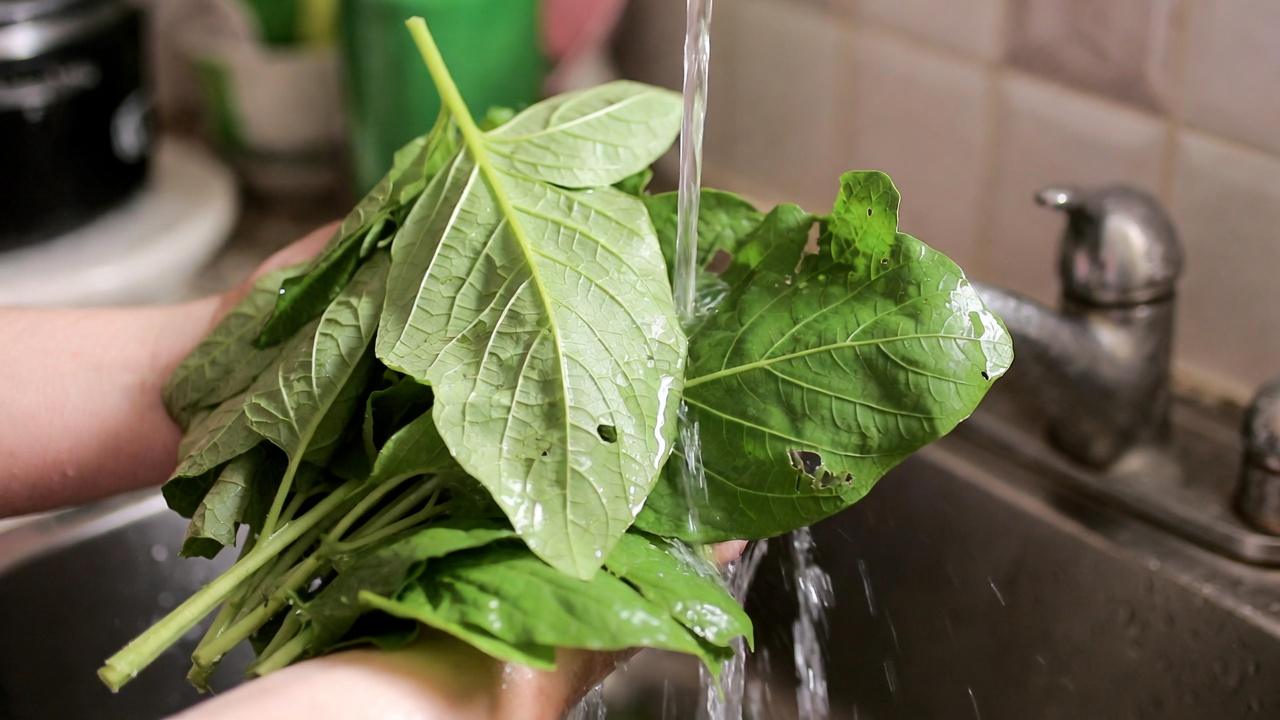
The Traditional Green Amaranth Juice Recipe
Many traditional practices include amaranth in simple preparations for daily wellness. This easy juice is a popular way to enjoy its benefits fresh.
Ingredients (Serves 1)
- 1 large handful of fresh amaranth leaves and young stems
- 1 cup filtered water
- Optional: 1 teaspoon raw honey or a squeeze of lemon for flavor
Step-by-Step Preparation
- Wash the leaves and stems thoroughly under running water to remove any dirt.
- Chop roughly and add to a blender with the water.
- Blend on high until smooth (about 30–60 seconds).
- Strain through a fine mesh if you prefer a smoother texture.
- Drink fresh, ideally in the morning.
Tip: Start with small amounts to see how your body responds, and always source clean, pesticide-free leaves.
Warning Signs You Should Never Ignore
Prostate changes often show up through urinary habits. Be proactive and pay attention to:
- Weak or interrupted urine stream
- Difficulty starting or stopping urination
- Frequent nighttime bathroom visits (nocturia)
- Feeling like your bladder isn’t fully empty
- Mild discomfort in the lower abdomen or back
These signs are common with BPH, but they can also indicate other issues. Regular checkups with a healthcare provider are the best way to stay ahead.
Healthy vs. Enlarged Prostate: Quick Comparison
| Aspect | Healthy Prostate | Enlarged Prostate (BPH) |
|---|---|---|
| Size | Normal | Enlarged |
| Urethra | Open and unobstructed | May be compressed |
| Urine Flow | Strong and steady | Weak, hesitant, or interrupted |
| Bladder Emptying | Complete and comfortable | Sensation of incomplete emptying |
| Nighttime Urination | Rare | Frequent (2+ times per night) |
Understanding these differences can motivate you to take action early.
Additional Lifestyle Tips for Prostate Wellness
Beyond adding amaranth, small daily habits make a big difference:
- Stay hydrated: Aim for 8–10 glasses of water daily to support urinary flow.
- Exercise regularly: 30 minutes of moderate activity most days helps maintain healthy weight and circulation.
- Eat a balanced diet: Focus on fruits, vegetables, whole grains, and healthy fats.
- Limit caffeine and alcohol: These can irritate the bladder.
- Manage stress: Techniques like deep breathing or walking reduce tension that affects urinary function.
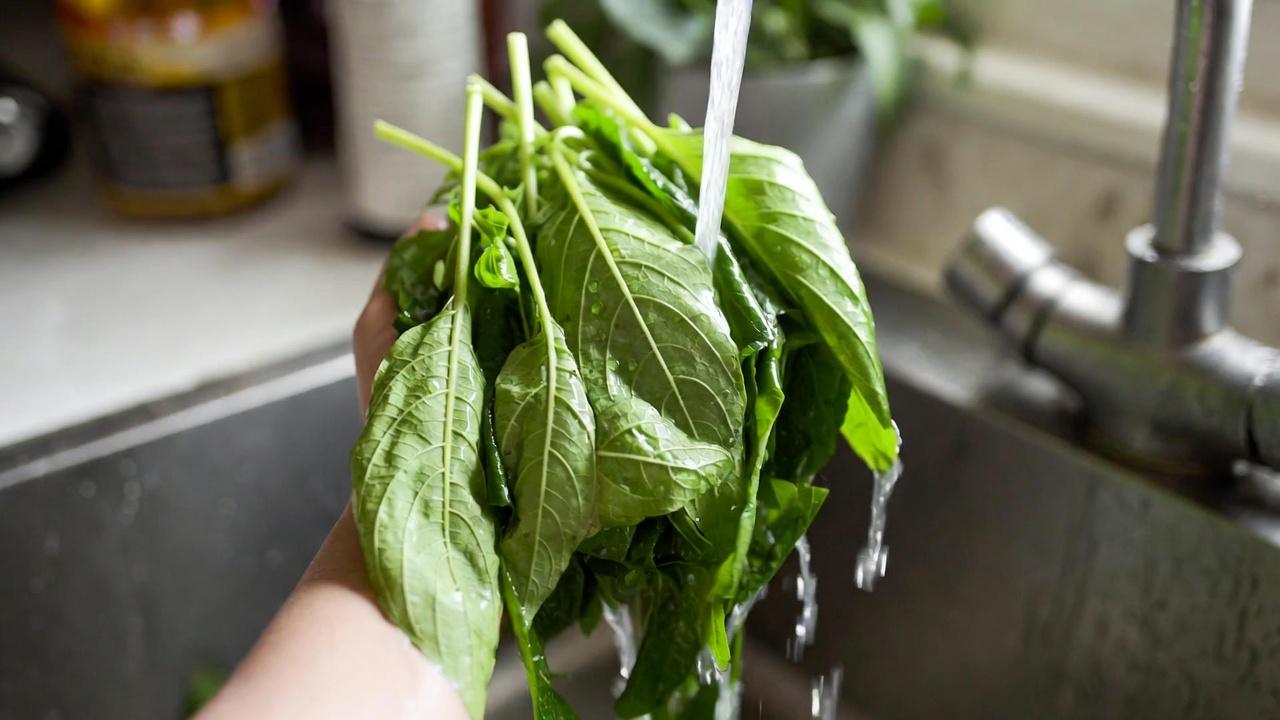
What Science Says About Plant-Based Support
While no food is a cure, research highlights the value of antioxidants and anti-inflammatory compounds in greens like amaranth. Studies on similar leafy vegetables show potential benefits for urinary health through improved nutrient intake and reduced oxidative stress.
Always consult your doctor before making major dietary changes, especially if you have existing conditions.
Conclusion: Small Steps, Big Impact
Prostate health doesn’t have to be complicated. By incorporating nutrient-rich foods like amaranth leaves into your routine, staying active, and scheduling regular checkups, you can support urinary comfort and overall vitality for years to come.
Prevention starts today—share this with the men in your life and take charge of your wellness.
Frequently Asked Questions
Q: Can amaranth leaves replace medical treatment for prostate issues? A: No—amaranth is a nutritious food that offers supportive benefits, but it is not a substitute for professional medical care or prescribed treatments.
Q: How often should I drink amaranth juice? A: Traditionally, once daily is common, but start with a few times per week and listen to your body. Consult a healthcare provider for personalized advice.
Q: Where can I find fresh amaranth leaves? A: Look for them at local markets, farmers’ markets, or grow your own in warm climates. In some regions, they’re available as “bredo” or “pira.”
Disclaimer: This article is for informational purposes only and is not intended to diagnose, treat, or cure any disease. Always consult a qualified healthcare professional before starting any new dietary regimen or if you experience any health concerns. Individual results may vary.


