
Many adults over 65 notice changes in their legs over time, such as feelings of heaviness, occasional tingling, or fatigue after short walks. These sensations can make everyday activities like gardening or playing with grandchildren feel more challenging. Research shows that poor circulation in the legs becomes more common with age, often tied to factors like reduced vessel flexibility and everyday wear and tear on the vascular system.
But here’s something encouraging: Certain nutrients found in everyday foods may play a supportive role in maintaining healthy circulation and vessel function as we age. In this guide, we’ll explore four key vitamins backed by scientific interest, along with practical tips to incorporate them naturally.
Why Circulation Changes Matter More After 65
As we get older, blood vessels can naturally lose some elasticity, and blood flow to the legs may slow down. Studies indicate that peripheral artery issues affect a significant portion of older adults, with estimates suggesting up to 20% of those over 70 experience related changes. This can contribute to those familiar feelings of leg tiredness or cold feet, even on warm days.
The good news? Lifestyle habits, including a nutrient-rich diet, can help support vascular health. While no food or vitamin replaces medical care, focusing on supportive nutrients offers a positive step many people can take right away.
But that’s not all—let’s look at some common signs first.
5 Everyday Signs Your Legs May Need Extra Attention
Recognizing subtle changes early can encourage timely habits. Here are key indicators research often associates with circulation concerns in seniors:
- Persistent tingling or “pins and needles” in the feet or legs, especially after sitting for a while.
- Feet or hands feeling unusually cold, regardless of room temperature.
- Cramping or tightness in the calves during light activity, like walking.
- Noticeable skin changes, such as paleness, bluish tint, or slow-healing minor cuts.
- Visible veins that appear more prominent or swollen.
If any of these sound familiar, it’s worth paying attention. Simple dietary adjustments can be a great starting point.
Four Nutrients That May Help Support Leg Circulation
Research highlights several vitamins for their potential roles in vessel strength, antioxidant protection, and overall flow support. These come from whole foods, making them easy to add daily.
Here’s a quick overview:
- Vitamin B3 (Niacin) — May help promote vessel relaxation and support healthy cholesterol balance.
- Vitamin C — Essential for collagen production, which helps maintain vessel wall strength and elasticity.
- Vitamin K (especially K2) — Supports proper calcium use, potentially helping keep arteries flexible.
- Vitamin E — Acts as an antioxidant that may help reduce oxidative stress and support healthy clotting balance.
Let’s dive into each one with food ideas and why they matter.
Vitamin B3 (Niacin): The Natural Flow Supporter
Niacin is known for its role in helping blood vessels relax, which can aid smoother circulation. Studies suggest it supports endothelial function—the inner lining of arteries—and helps manage lipid levels.
Best sources include chicken, tuna, peanuts, and whole grains. Aim for about 14-16 mg daily from food for adults over 65.
Try this: Add grilled chicken or canned tuna to salads a few times a week.
But the next nutrient strengthens the very structure of your vessels…
Vitamin C: Building Stronger Vessel Walls
Vitamin C is crucial for producing collagen, the protein that keeps veins and arteries flexible and resilient. Research links it to reduced oxidative stress and better vessel health.
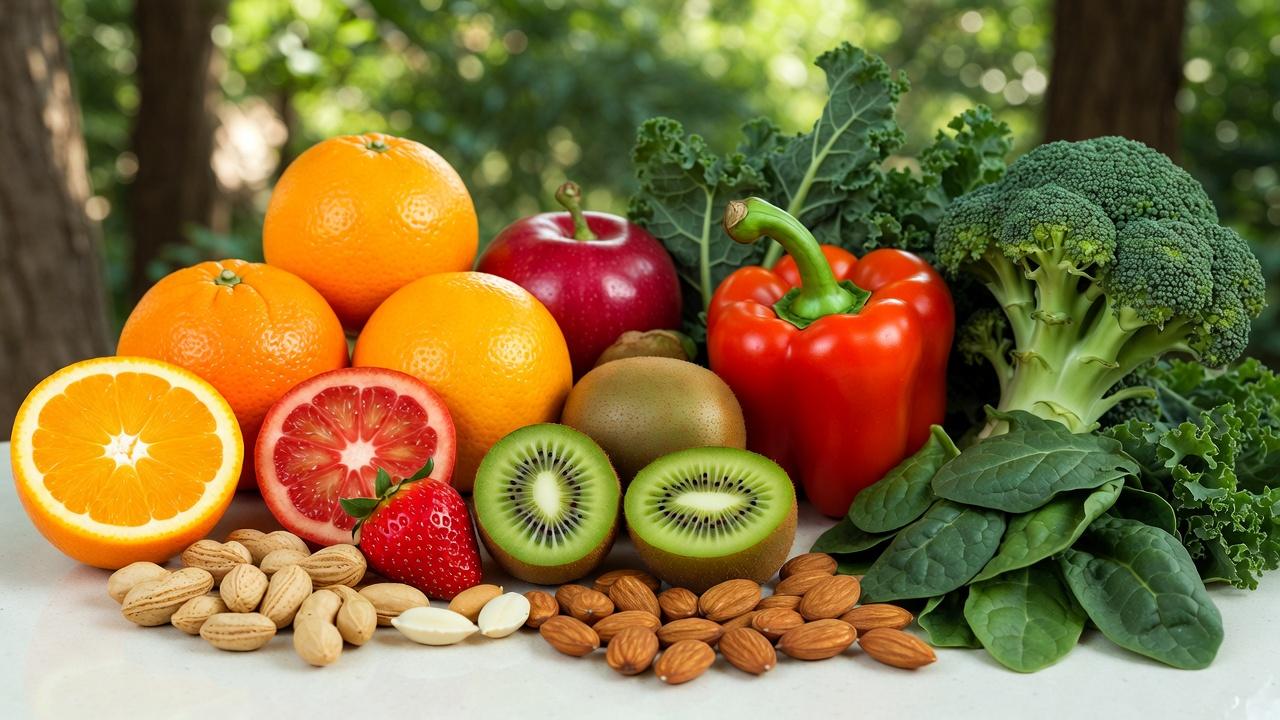
Top food sources: Citrus fruits (oranges, grapefruits), strawberries, bell peppers, and broccoli. Target 75-90 mg daily—easy with fresh produce.
Quick tip: Slice bell peppers into snacks or add berries to yogurt.
Here’s where it gets even more interesting…
Vitamin K (Focus on K2): Keeping Arteries Flexible
Vitamin K2 helps direct calcium away from arteries and toward bones, supporting vessel flexibility. Some studies explore its role in slowing calcification progression.
Sources: Leafy greens (K1) like kale and spinach, plus fermented foods (K2) such as natto, cheese, or yogurt. Daily needs are around 90-120 mcg.
Pro tip: Include a handful of greens in smoothies or soups regularly.
And the final one? It offers powerful antioxidant support…
Vitamin E: Antioxidant Protection for Healthy Flow
Vitamin E helps combat oxidative stress, which can affect vessel health over time. Evidence suggests it may support balanced clotting and overall circulation.
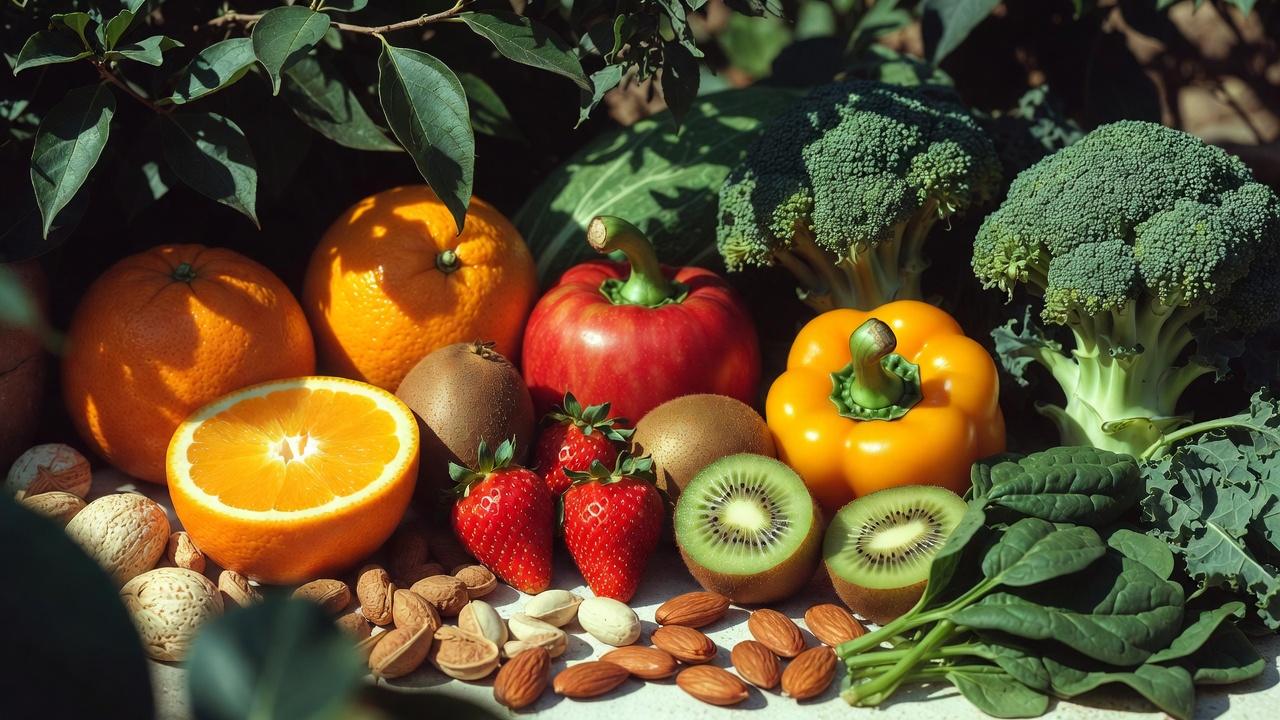
Find it in almonds, sunflower seeds, spinach, and avocados. Adults need about 15 mg daily.
Simple swap: Snack on a small handful of almonds instead of processed treats.
Practical Tips to Get Started Today
Incorporating these nutrients doesn’t require major changes. Here are actionable steps:
- Start your day with a fruit-rich smoothie: Add spinach (Vitamin K), kiwi or berries (Vitamin C), and a sprinkle of sunflower seeds (Vitamin E).
- Build meals around lean proteins: Include chicken or fish (Vitamin B3) in lunches or dinners.
- Snack smart: Choose nuts or avocado for Vitamin E boosts.
- Pair with healthy fats: Absorption of fat-soluble vitamins like E and K improves with a bit of olive oil or avocado.
- Stay consistent: Focus on daily food sources rather than high-dose supplements—talk to your doctor first if considering extras.
Imagine incorporating just one or two of these habits and noticing gradual improvements in how your legs feel during daily walks.
What to Expect in 30 Days and Beyond
Many people report feeling more energized with consistent nutrient-rich eating. Combine this with gentle movement like short walks, leg elevation when resting, or compression socks if recommended.
The key is starting small and building habits that last.
Frequently Asked Questions
Can diet alone fix severe leg circulation issues? Diet supports overall vascular health, but it’s most effective alongside medical advice, exercise, and other lifestyle factors. Always consult a healthcare provider for personalized guidance.
Are supplements necessary for these vitamins? Whole foods are the best source for most people. Supplements may help in specific cases, but discuss with your doctor to avoid interactions.
How do I know if my circulation needs professional attention? If symptoms like persistent pain, non-healing sores, or sudden changes occur, see a doctor promptly for proper evaluation.
This article is for informational purposes only and is not a substitute for professional medical advice. Please consult your healthcare provider before making dietary changes, especially if you have existing conditions or take medications.


