
Many people enjoy the sweet, juicy flesh of papaya but routinely discard the small black seeds in the center. What if those overlooked seeds offered something valuable for your daily wellness routine? Papaya seeds contain unique compounds, enzymes, and nutrients that have sparked interest in traditional practices and emerging research. While they’re not a miracle solution, understanding their composition can help you decide if they’re worth incorporating thoughtfully.
In this article, we’ll look at what science suggests about papaya seeds, how to use them safely, and practical ways to try them at home.
Why Papaya Seeds Are Gaining Attention
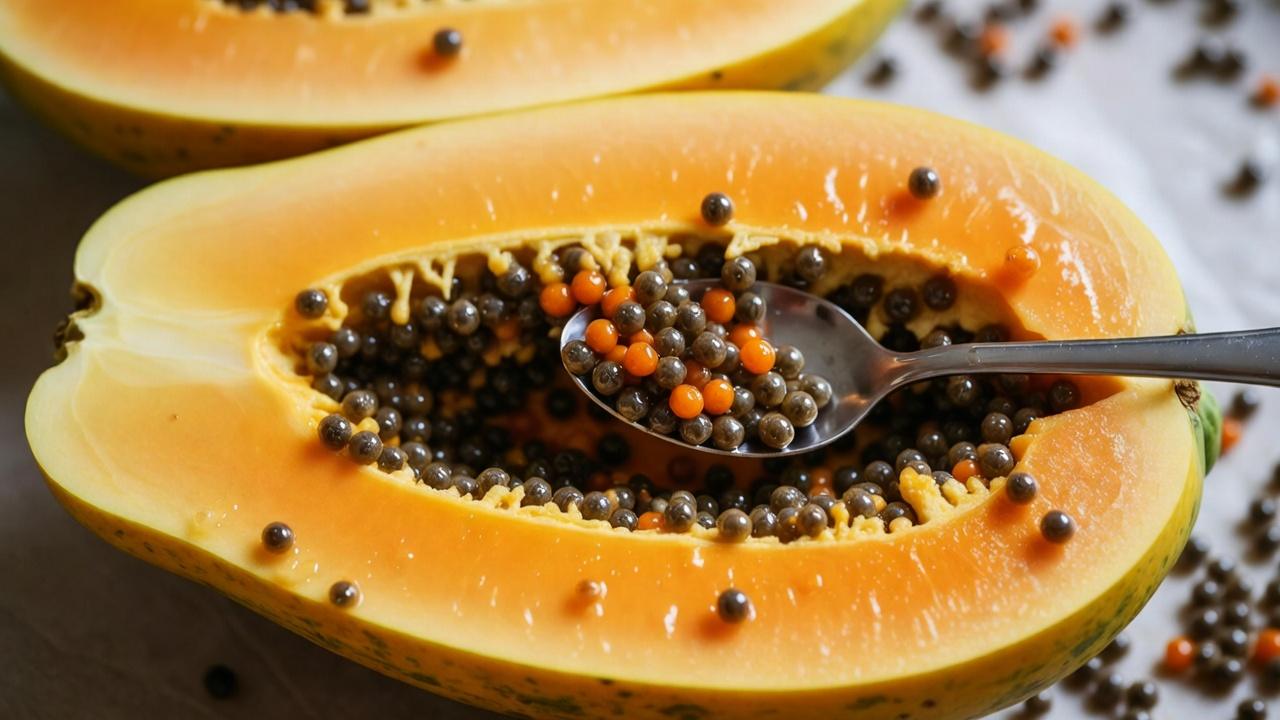
Papaya seeds are often bitter and peppery, with a texture similar to capers. Traditionally used in various cultures for supporting overall health, they contain bioactive compounds like papain (a digestive enzyme), carpaine (an alkaloid), benzyl isothiocyanate, polyphenols, and healthy fats.
Research shows these elements contribute to the seeds’ antioxidant properties, which may help protect cells from everyday oxidative stress. Studies also highlight their fiber content and nutrient profile, including magnesium, calcium, and protein.
But that’s not the full picture yet—let’s dive into some of the most discussed areas.
Supporting Digestive Comfort Naturally
One of the primary reasons people explore papaya seeds is for digestive support. The enzyme papain in the seeds helps break down proteins, similar to how it functions in supplements for digestion.
Some small studies suggest that incorporating papaya seeds may aid in reducing occasional bloating or supporting smoother digestion. For instance, research has noted papain’s role in promoting intestinal motility.
Here are simple ways to add them for digestive support:
- Start with ½ teaspoon of crushed seeds mixed into yogurt or a smoothie.
- Blend them with honey to mellow the bitterness.
- Sprinkle ground seeds over salads for a subtle peppery kick.
Remember to begin small to see how your body responds.
Potential Antiparasitic Properties
In certain tropical regions, papaya seeds have a long history of traditional use for addressing intestinal parasites. A pilot study involving children in Nigeria found that air-dried papaya seeds showed promise in reducing certain parasites in stool samples, with clearance rates between 71-100% in the treated group.
Compounds like carpaine and benzyl isothiocyanate are thought to contribute to this effect. However, experts emphasize that evidence is limited, mostly from small studies, and more comprehensive research is needed before considering them a reliable option.
If you’re dealing with digestive concerns, it’s always best to consult a healthcare professional rather than relying solely on natural remedies.
Antioxidant and Liver Support Insights
Papaya seeds are rich in antioxidants, including phenolic compounds and vitamin C derivatives. Laboratory studies have demonstrated that seed extracts may help combat oxidative stress and support liver cell health in animal models.
One review highlighted their potential in protecting against free radical damage, which could indirectly benefit detoxification processes. While promising, human studies are still emerging, so these findings support general wellness rather than specific treatments.
Other Areas of Emerging Interest
Preliminary research touches on additional possibilities:
- Kidney health: Some animal studies suggest compounds may help reduce mineral buildup.
- Antibacterial effects: Test-tube research shows activity against certain bacteria.
- Inflammation support: Flavonoids may help modulate inflammatory responses.
These areas remain under investigation, with most evidence from lab or animal models.
Quick Comparison: Papaya Fruit vs. Seeds
- Papaya Flesh — High in vitamin C, lycopene, and hydration; sweet and easy to eat.
- Papaya Seeds — More fiber, enzymes like papain, and unique alkaloids; bitter but nutrient-dense.
- Best Use — Flesh for daily snacks; seeds for occasional targeted support.
How to Prepare and Consume Papaya Seeds Safely
Ready to experiment? Here’s a step-by-step guide:
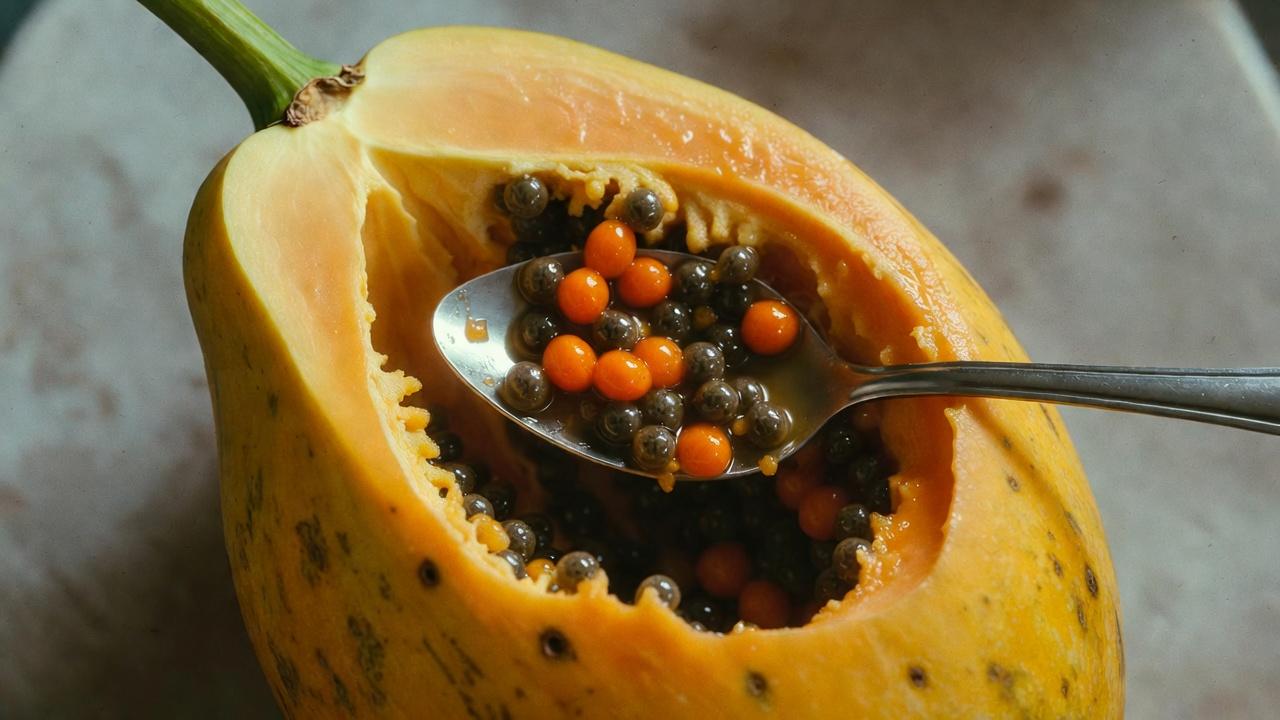
- Scoop the seeds from a fresh papaya.
- Rinse under water to remove the jelly-like coating.
- Pat dry with a towel.
- Air-dry or lightly toast in a low oven for better flavor and storage.
- Grind into powder using a spice grinder or mortar.
- Store in an airtight jar in a cool place.
Recommended starting amount: ½ to 1 teaspoon per day. Mix into smoothies, teas, or dressings. Avoid large quantities, as excess may cause stomach discomfort due to fiber and enzymes.
Important Safety Considerations and Side Effects
Papaya seeds are generally safe in moderation for most people. However, high doses may lead to digestive upset like nausea or diarrhea.
Some animal studies noted temporary effects on fertility with concentrated extracts, so those trying to conceive should be cautious. People with latex allergies should avoid them, as papaya contains related compounds.
Pregnant or breastfeeding individuals, and those on medications (like blood thinners), should consult a doctor first.
Final Thoughts: A Simple Addition to Consider
Papaya seeds offer an intriguing, nutrient-packed option that many people overlook. From digestive enzymes to antioxidant compounds, they provide a natural way to add variety to your routine—without much effort.
Next time you enjoy a papaya, think twice before tossing the seeds. Start small, listen to your body, and see if they become a regular part of your wellness habits.
Frequently Asked Questions (FAQ)
1. How many papaya seeds should I eat daily? Most sources suggest starting with ½ to 1 teaspoon of ground seeds per day to assess tolerance.
2. Can papaya seeds replace medical treatments for parasites or digestion? No—while some studies show potential, evidence is preliminary. Always consult a healthcare provider for health concerns.
3. What do papaya seeds taste like, and how can I make them palatable? They have a strong, peppery, slightly bitter flavor. Mixing with honey, smoothies, or yogurt helps balance the taste.
This article is for informational purposes only and does not constitute medical advice. Consult your healthcare provider before making changes to your diet, especially if you have existing health conditions or take medications.


