
Garlic has long been a staple in many kitchens, appreciated for its flavor and potential role in a balanced diet. For seniors, incorporating garlic can be part of everyday meals, but certain habits might diminish its appeal or lead to unnecessary discomfort. These oversights, often overlooked in daily routines, can turn a simple ingredient into a source of frustration, affecting digestion or interactions with routine medications. But there’s good news: small adjustments can make a big difference in how you enjoy garlic. Stick around to the end, where I’ll share an unexpected way to enhance garlic’s place in your diet that most people never consider.
Understanding Garlic’s Role in Senior Diets
Garlic, scientifically known as Allium sativum, contains compounds like allicin that research suggests may contribute to overall wellness when consumed as part of a varied diet. Studies from sources like the National Institutes of Health indicate that garlic has been examined for its antioxidant properties. However, for older adults, factors such as slower metabolism or common health considerations can amplify the impact of improper use.
But that’s not all. Many seniors turn to garlic for its culinary versatility, yet without awareness of best practices, it might not deliver the experience they hope for.
Mistake 1: Not Letting Chopped Garlic Rest Before Cooking
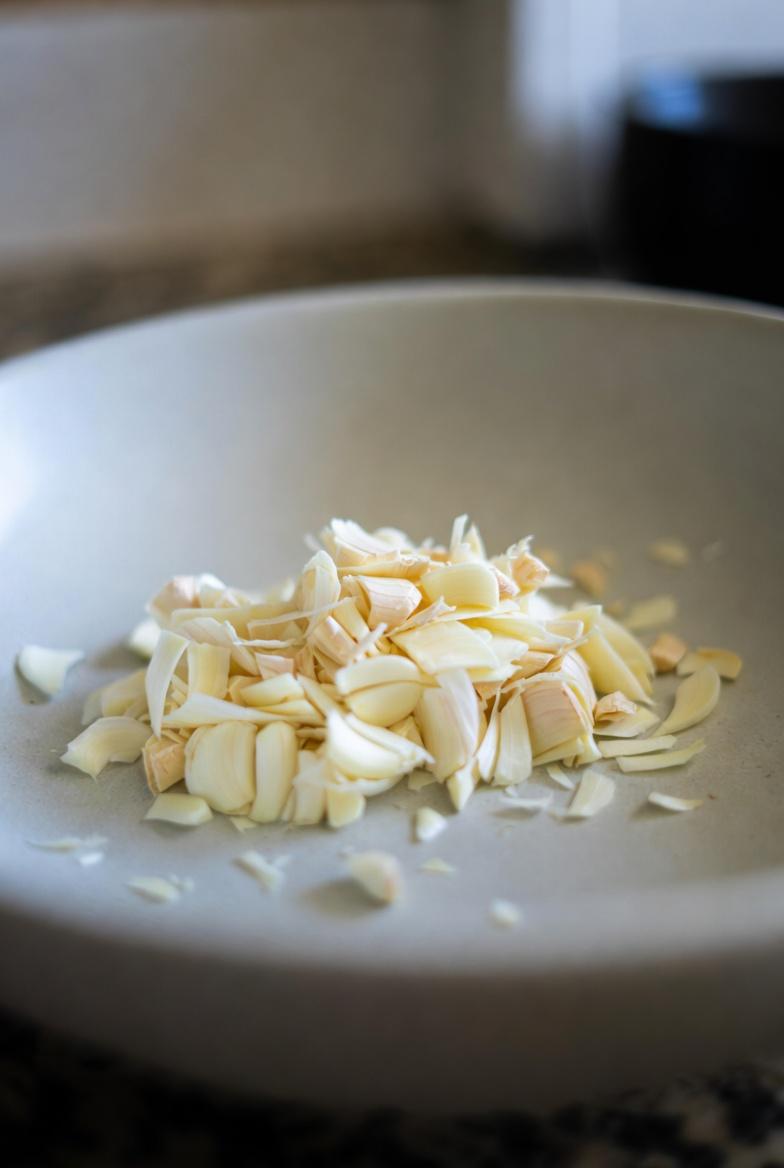
One common oversight is chopping garlic and tossing it straight into the pan. This skips a key step where allicin, the compound responsible for many of garlic’s noted properties, forms through a natural reaction.
Research shows that crushing or chopping garlic activates enzymes, but it needs about 10-15 minutes at room temperature to fully develop. Rushing this can mean missing out on that full potential.
Here’s the interesting part: To avoid this, simply chop your garlic first in your prep routine. Let it sit while you handle other ingredients. This small pause can transform your dishes.
- Step 1: Peel and chop the cloves finely.
- Step 2: Set aside for 10-15 minutes.
- Step 3: Proceed with cooking on low heat.
Mistake 2: Overcooking Garlic at High Temperatures
High heat can degrade garlic’s compounds quickly, leading to a bitter taste and reduced appeal. Seniors might notice this more if they’re cooking smaller portions or multitasking in the kitchen.
According to culinary experts, garlic burns easily above medium heat, altering its texture and flavor profile. This mistake often happens in stir-fries or sautés where the pan gets too hot.
The truth is, gentle cooking preserves more of what makes garlic enjoyable. Add it later in the process, after other veggies have softened.
Try this actionable tip: Use medium-low heat and stir frequently. If it starts browning too fast, add a splash of water to cool things down.
Mistake 3: Eating Raw Garlic on an Empty Stomach
Starting the day with raw garlic might seem straightforward, but for some seniors, it can cause mild stomach upset due to its potent nature.
Fructans in garlic can ferment in the gut, potentially leading to bloating or discomfort, especially without food to buffer it. This is more noticeable in older digestive systems.
But wait, there’s a better way. Pair raw garlic with a meal, like in a salad dressing or spread on toast with avocado.
Follow these steps for safer incorporation:
- Mince the garlic finely to make it easier to digest.
- Mix with yogurt or honey to soften its intensity.
- Consume after a light breakfast to ease absorption.
Mistake 4: Consuming Excessive Amounts of Garlic
More isn’t always better, and overloading on garlic can lead to unwanted effects like strong odor or minor digestive issues.
Experts note that while garlic is generally safe, excessive intake might contribute to gas or heartburn in sensitive individuals. For seniors, moderation helps maintain balance.
Here’s a key insight: Aim for 1-2 cloves per day, adjusted to personal tolerance. Track how your body responds over a week.
To implement this:
- Start small and build up.
- Use garlic in recipes rather than as a standalone.
- Hydrate well to support digestion.
Mistake 5: Storing Garlic Improperly
Keeping garlic in the fridge or sealed bags can promote mold or sprouting, shortening its usability.
Proper storage in a cool, dry place with air circulation extends freshness, as humidity encourages spoilage. This is crucial for seniors who might buy in bulk.
And get this: A simple mesh bag or open basket works wonders. Avoid plastic to let it breathe.
Compare storage methods in this table:
| Method | Pros | Cons |
|---|---|---|
| Refrigerator | Keeps cool | Increases moisture, leads to sprouting |
| Pantry in open container | Allows air flow | Ideal for dry climates |
| Sealed plastic | Convenient | Traps humidity, causes mold |
Mistake 6: Ignoring Potential Interactions with Medications
Garlic’s natural properties can sometimes interact with common senior medications, like blood thinners, affecting their routine.
Studies indicate garlic may enhance blood-thinning effects, so awareness is key for those on anticoagulants. This isn’t about avoiding garlic entirely but being informed.
The reality is, consulting a healthcare provider can clarify safe amounts. Note any changes in your regimen.
Practical advice: Keep a food diary including garlic intake. Share it during doctor visits for personalized guidance.
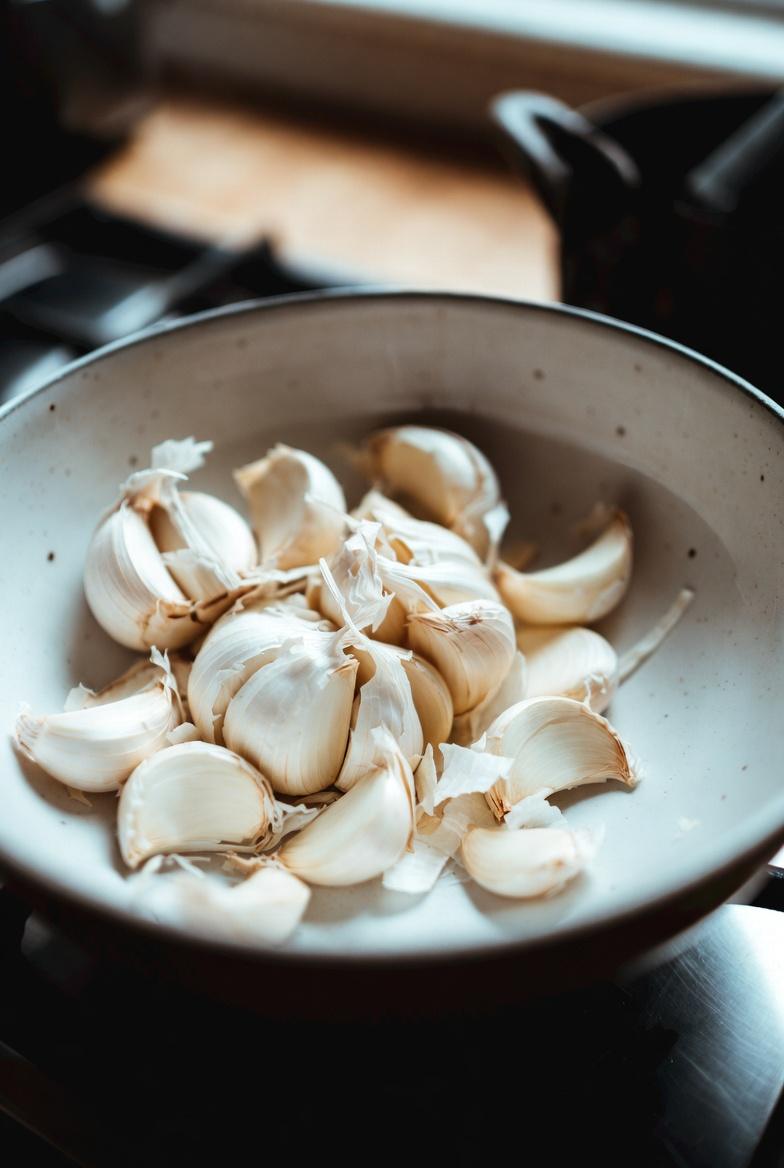
Mistake 7: Eating Garlic Whole Without Crushing
Swallowing whole cloves bypasses the activation of beneficial compounds, making the effort less effective.
Crushing releases allicin, which doesn’t happen if the clove remains intact. Seniors seeking garlic’s full flavor profile might miss this step.
But here’s the exciting twist: A quick smash with a knife handle does the trick. It also makes peeling easier.
- Use a flat surface to press down gently.
- Remove the skin and chop as needed.
- Incorporate into meals for better integration.
Mistake 8: Using Old or Spoiled Garlic
Old garlic can develop off-flavors or textures, diminishing its appeal in cooking.
Signs like soft spots or green sprouts indicate it’s past prime, potentially affecting dish quality. For seniors, fresh ingredients ensure better results.
Truth be told, checking bulbs weekly prevents waste. Buy smaller quantities if usage is low.
To avoid this: Inspect for firmness and dry skins. Store away from onions to prevent cross-spoiling.
Maximizing Garlic’s Benefits in Your Daily Routine
Incorporating garlic thoughtfully can enhance meals without hassle. Experiment with roasted versions for milder taste or infused oils for variety.
Research suggests combining garlic with other foods like vegetables can amplify its culinary value. This approach keeps things interesting.
Conclusion
By steering clear of these eight common garlic mistakes, seniors can enjoy this versatile ingredient more fully in their diets. Small changes like proper preparation and storage make a noticeable difference in daily cooking. Remember that unexpected tip? Try fermenting garlic at home for a probiotic boost—it’s simpler than you think and adds a tangy twist to recipes.
FAQ
What is the best way for seniors to prepare garlic?
Chop it and let it rest for 10-15 minutes before cooking to activate compounds, then use low heat to preserve flavor.
Can garlic interact with common senior medications?
Yes, it may affect blood thinners or diabetes meds, so discuss with a doctor for safe incorporation.
How much garlic is safe for daily consumption?
Generally, 1-2 cloves per day is a moderate amount, but listen to your body and adjust as needed.
This information is for educational purposes only and not intended as medical advice. Always consult a healthcare professional before making dietary changes.


