
Many people go about their daily lives without realizing that certain everyday foods could put extra strain on their kidneys over time. High levels of sodium, phosphorus, or potassium in some popular items can make it harder for kidneys to filter waste effectively, especially if kidney function is already reduced. This can contribute to issues like fluid retention or higher blood pressure. The good news is that simple awareness and mindful choices can help support better kidney health. In this article, we’ll explore nine foods often highlighted in kidney health discussions and share practical ways to adjust your habits.
But before we dive in, here’s a surprising fact: some of these foods are actually healthy for most people, but portion control and preparation matter a lot when kidneys need extra care. Stick around to the end for the one category that affects nearly everyone and easy swaps to make today.

Why Diet Matters for Kidney Health
Your kidneys filter waste from your blood, balance fluids, and help regulate blood pressure. When they face extra workload from certain nutrients, it can add up over time. Research from organizations like the National Kidney Foundation and Mayo Clinic shows that limiting sodium, phosphorus, and potassium helps ease the burden, especially for those with chronic kidney disease (CKD). Always work with a healthcare provider or dietitian for personalized advice.
9 Foods That May Put Extra Strain on Kidneys
Here are some commonly discussed foods that experts suggest monitoring or limiting. We’ll explain why and offer simple alternatives.
9. Dark-Colored Sodas
These drinks often contain added phosphoric acid, a form of phosphorus that’s easily absorbed. Excess phosphorus can build up and affect bone health and blood vessels. Studies link high intake to potential kidney strain over time.
Better option: Opt for water, unsweetened herbal tea, or low-phosphorus clear sodas in moderation.
8. Processed Meats (Bacon, Sausages, Deli Meats)
Packed with sodium for preservation and often high in phosphorus, these can raise blood pressure and add filtration stress. Processed meats are frequently tied to higher risks in kidney health research.
Better option: Choose fresh, unprocessed lean meats or plant-based proteins like beans (in moderation).
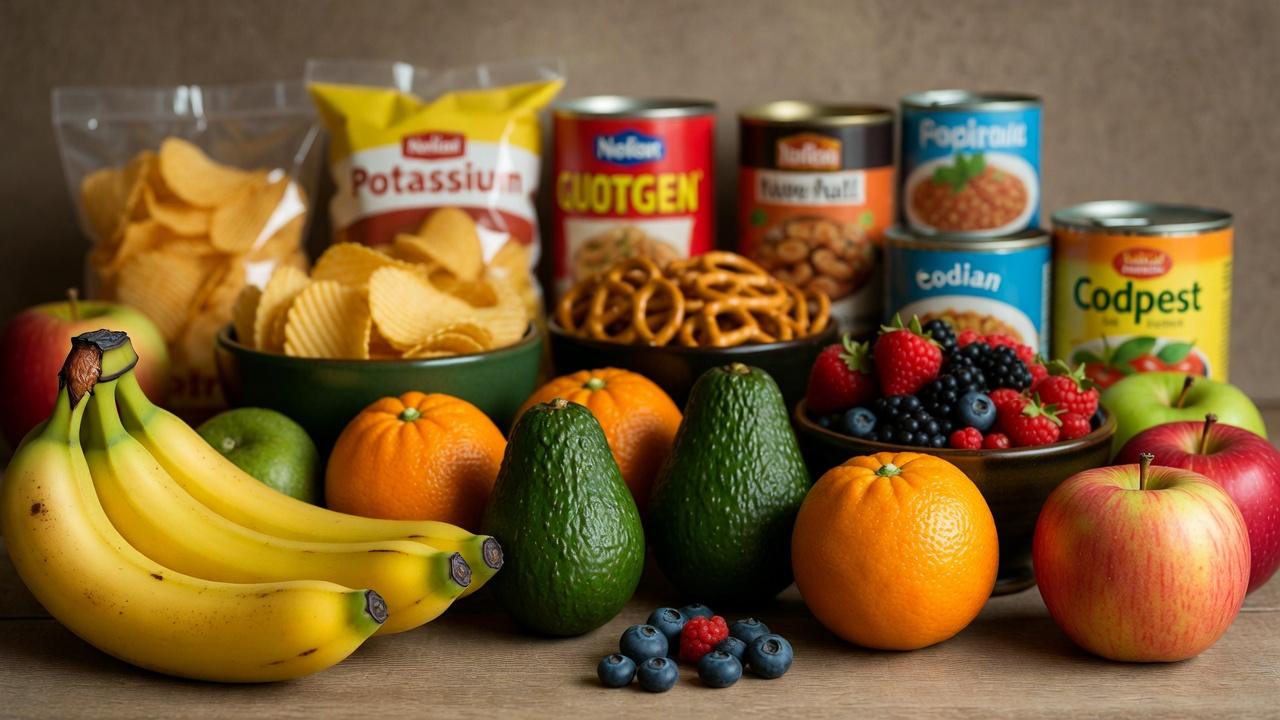
7. High-Sodium Snacks (Chips, Pretzels, Crackers)
A single serving can deliver a big chunk of your daily sodium limit, leading to fluid retention and higher blood pressure. Many people overlook how quickly these add up.
Better option: Try unsalted nuts, air-popped popcorn, or fresh veggies with low-sodium dips.
6. Dairy Products (Milk, Cheese, Yogurt in Excess)
Dairy is rich in natural phosphorus and potassium. While good for many, excess can contribute to mineral imbalances when kidneys struggle.
Better option: Choose lower-phosphorus alternatives like rice milk or almond milk (check labels for added nutrients).
5. Frozen and Pre-Made Meals
Convenience often comes with hidden sodium, phosphorus additives, and unhealthy fats. Regular use can overload the system without you noticing.
Better option: Prepare home-cooked meals in batches using fresh ingredients.
4. Sugary Foods and Drinks
Excess sugar contributes to weight gain, diabetes, and high blood pressure—major factors in kidney health challenges. Hidden sugars in cereals, desserts, and beverages add unnecessary burden.
Better option: Satisfy cravings with fresh fruit like apples or berries.
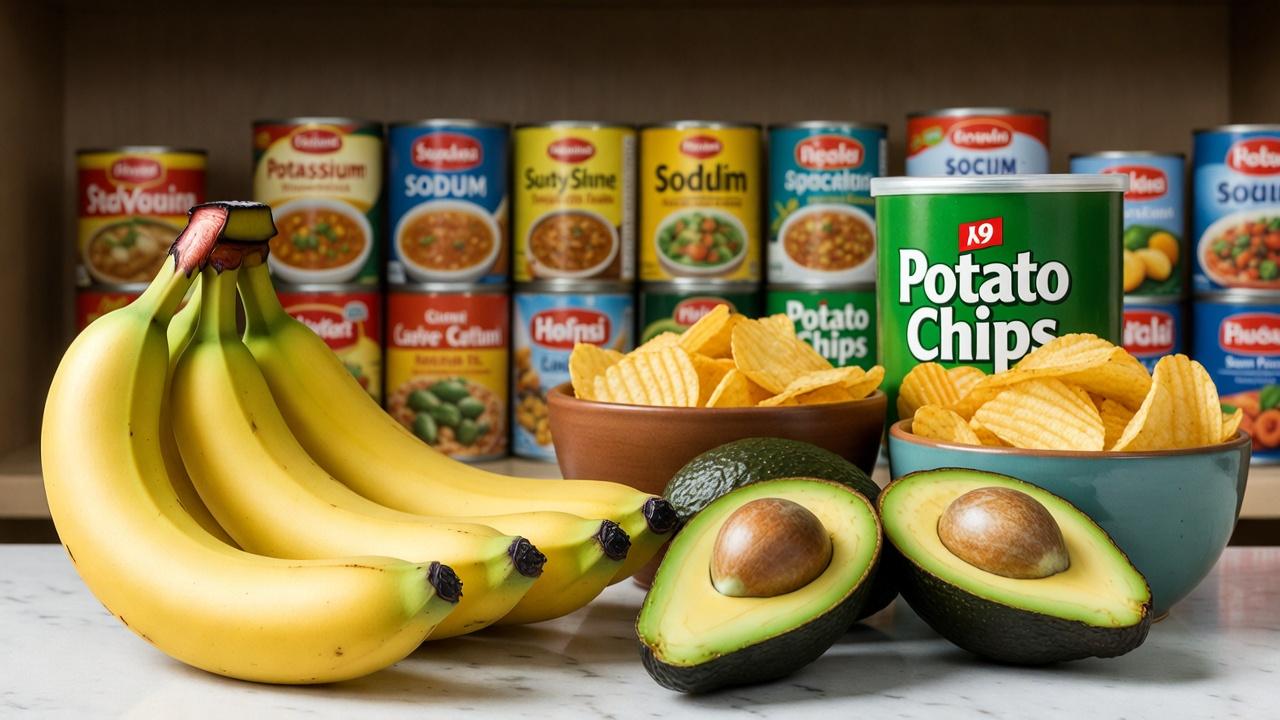
3. High-Potassium Foods (Bananas, Avocados, Potatoes)
These are nutritious for most, but when kidneys can’t clear potassium efficiently, levels can build up. Monitoring is key for those with reduced function.
Better option: Select lower-potassium fruits like apples, grapes, or berries.
2. Canned Foods and Pickles
Preservatives add lots of sodium, spiking blood pressure and fluid levels. Even “healthy” canned veggies can be high if not rinsed.
Better option: Go for fresh or frozen versions, or rinse canned items thoroughly.
1. Ultra-Processed Foods Overall
This broad group—think fast food, snacks, and ready meals—combines high sodium, phosphorus additives, and sugars. Cumulative intake over time is a major concern in kidney health studies.
Better option: Focus on whole foods like fresh produce, lean proteins, and grains.
Quick Comparison Table
| Rank | Food Category | Main Concern | Why Monitor It? |
|---|---|---|---|
| 9 | Dark-Colored Sodas | Added phosphorus | Easily absorbed, affects bones/vessels |
| 8 | Processed Meats | High sodium & phosphorus | Raises blood pressure |
| 7 | High-Sodium Snacks | Excessive sodium | Fluid retention |
| 6 | Dairy (in excess) | Phosphorus & potassium | Mineral buildup |
| 5 | Frozen/Pre-Made Meals | Hidden sodium + additives | Overload from convenience |
| 4 | Sugary Foods/Drinks | Added sugars | Links to diabetes/hypertension |
| 3 | High-Potassium Foods | Potassium | Buildup risks |
| 2 | Canned Foods/Pickles | Preservative sodium | Blood pressure spikes |
| 1 | Ultra-Processed Foods | All of the above | Long-term cumulative effects |
Practical Tips to Support Kidney Health
- Read labels: Aim for low-sodium options (under 140mg per serving).
- Rinse canned goods: This cuts sodium significantly.
- Cook at home: Use herbs, garlic, lemon, or spices for flavor instead of salt.
- Portion control: Even healthy foods can add up—track servings.
- Stay hydrated: Drink water as recommended by your doctor.
- Work with experts: A registered dietitian can tailor a plan based on your labs.
Conclusion
Small changes to your eating habits can make a meaningful difference in supporting kidney health. By being mindful of these common foods and choosing smarter alternatives, you’re taking proactive steps. Remember, everyone’s needs are unique—what works best comes from professional guidance.
FAQ
What if I love bananas—can I still eat them? Yes, in moderation. Many people can enjoy them occasionally, but if potassium is a concern, talk to your doctor about your specific limits.
Are all processed foods bad? Not all, but many contain high sodium or additives. Check labels and choose minimally processed options when possible.
How do I know if my diet needs changes? Watch for signs like swelling or fatigue, and get regular check-ups. Blood tests show mineral levels, guiding adjustments.
Disclaimer: This article is for informational purposes only and is not a substitute for professional medical advice. Always consult your healthcare provider before making dietary changes.


