Every day, millions of people scoop out papaya seeds and toss them straight into the trash, never suspecting they’re discarding something that traditional medicine and modern research both consider a nutritional powerhouse. You’ve probably done it yourself — that slightly bitter, peppery black crunch goes down the drain while you enjoy the sweet orange flesh. But what if those tiny seeds you treat as waste could support digestion, liver health, and even gut balance in ways the fruit alone can’t match? Keep reading, because the surprising science behind papaya seeds (and the simple ways to use them) might make you look at your next papaya completely differently.
What Are Papaya Seeds, Really?
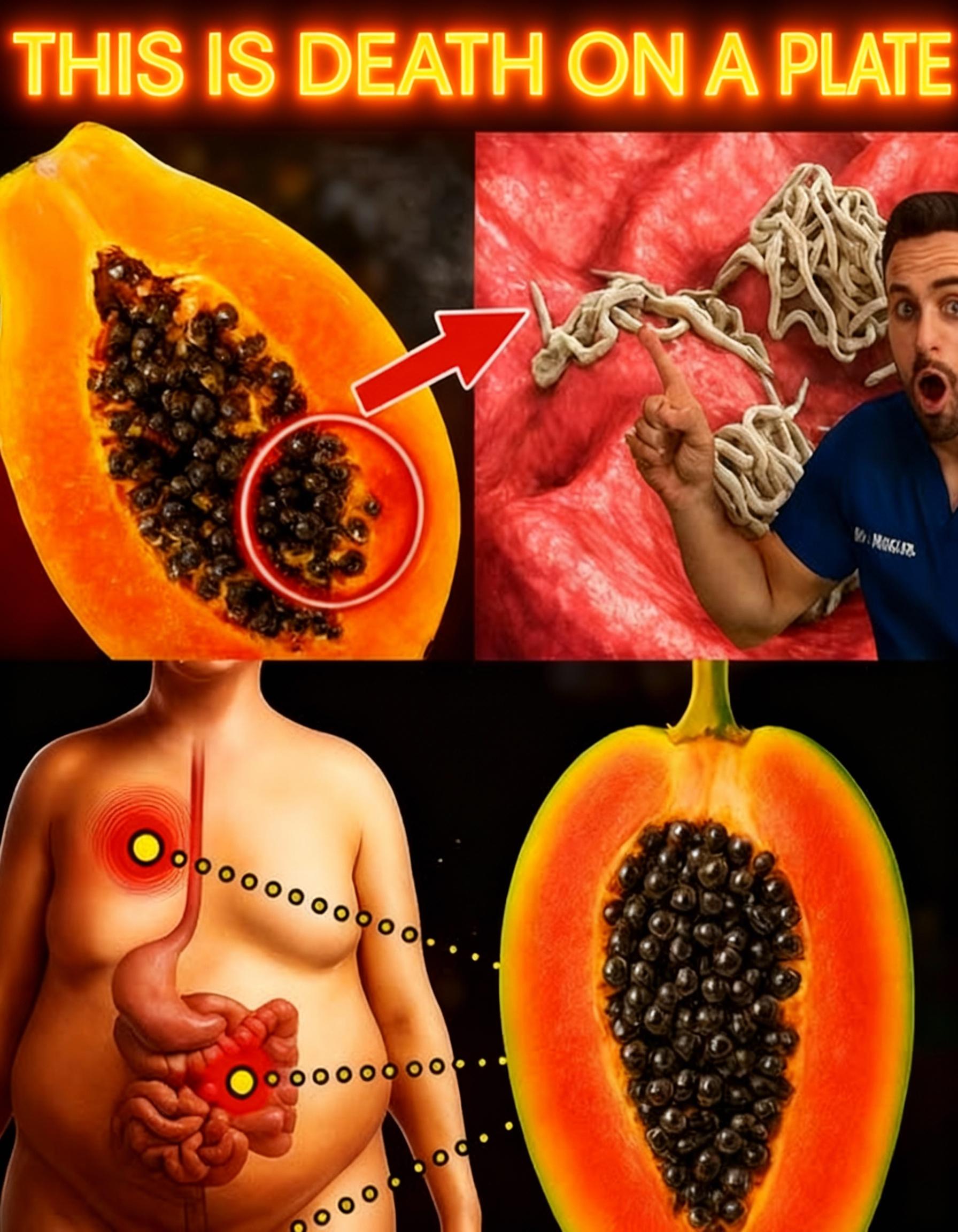
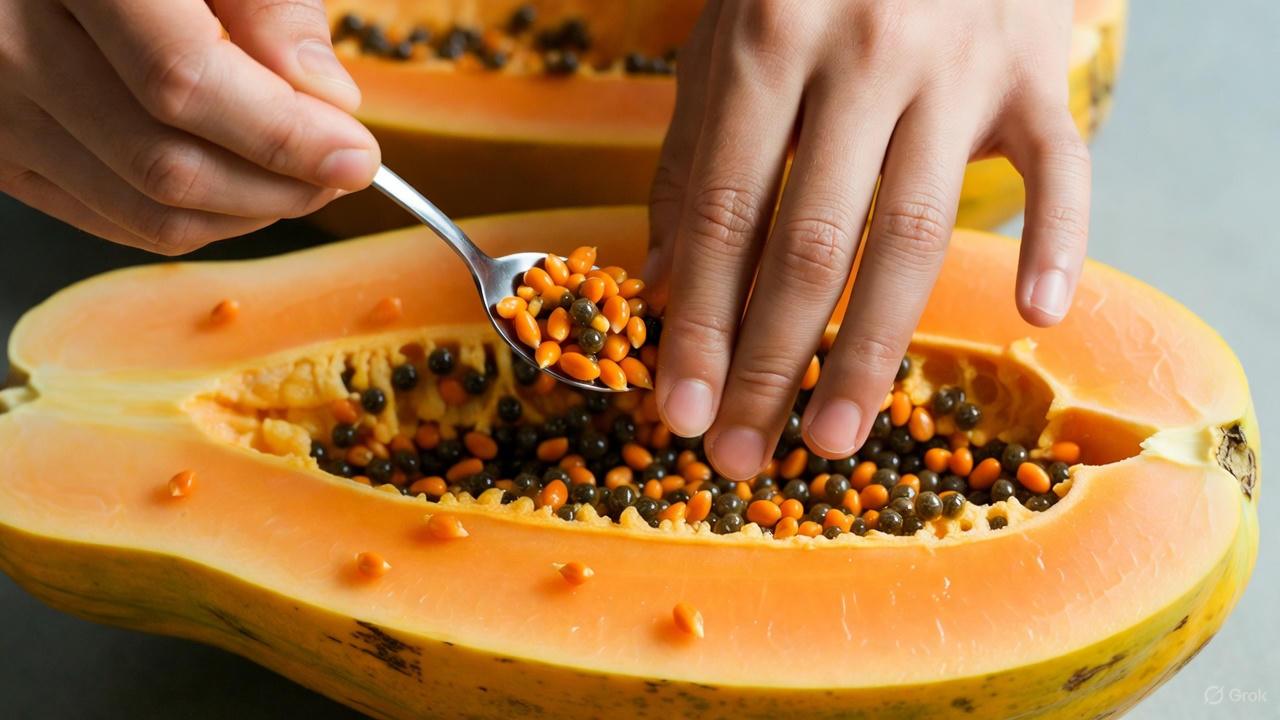
Papaya seeds come from the fruit of Carica papaya, the same tropical tree that gives us the familiar orange flesh. The seeds are small, round, black, and covered in a gelatinous coating when fresh. They have a sharp, slightly peppery taste — somewhere between mustard seeds and black pepper.
For centuries, cultures in South America, Southeast Asia, and the Pacific Islands have dried and ground papaya seeds as a traditional remedy for digestive issues and parasites. Today, laboratory and human studies are starting to explain why these traditions may have real merit.
Nutritional Profile: Tiny Seeds, Big Nutrients
Just one tablespoon (about 8–10 grams) of dried papaya seeds contains:
- High levels of dietary fiber (almost 2 g)
- Healthy monounsaturated fats (similar to olive oil)
- Notable amounts of polyphenols and flavonoids with strong antioxidant activity
- Trace minerals including magnesium, calcium, and potassium
- A unique enzyme called papain (concentrated in the seeds even more than in the flesh)
Research published in Journal of Medicinal Food and Nutrients shows these compounds contribute to the seeds’ potential health-supporting properties.
How Papaya Seeds May Support Your Body (According to Research)
1. Digestive Comfort and Regularity
The high fiber content plus papain help break down proteins and move things along. Multiple animal and small human studies suggest papaya seeds can promote healthy bowel movements and reduce occasional bloating.
2. Liver Health Support
A 2014 study on rats showed that papaya seed extract helped protect liver cells from oxidative damage. Another 2020 clinical trial in Nigeria found that 15 mL of papaya seed extract daily for 4 weeks improved certain liver enzyme markers in participants.
3. Natural Antioxidant Boost
The polyphenols and flavonoids in the seeds fight free radicals. A study in Food Chemistry ranked papaya seeds among the highest in antioxidant activity compared to many common fruits and vegetables.
4. Traditional Use Against Intestinal Parasites
One of the oldest uses of papaya seeds is as a natural deworming agent. A well-known 2007 Kenyan study gave children a mixture of air-dried papaya seeds and honey; 71% showed no parasite eggs in stool samples after 7 days (compared to 0% in the placebo group). While more large-scale human trials are needed, the results are promising.
How to Eat Papaya Seeds Safely and Enjoyably
You don’t need to swallow them whole like pills. Here are the easiest, tastiest ways people actually use them every day:
Method 1 – Fresh and Simple
- Scoop seeds from a ripe papaya, rinse off the jelly coating.
- Start with ½–1 teaspoon per day (about 8–12 seeds).
- Chew thoroughly or blend into a smoothie to mask the peppery bite.
Method 2 – Dried and Ground (Most Popular)
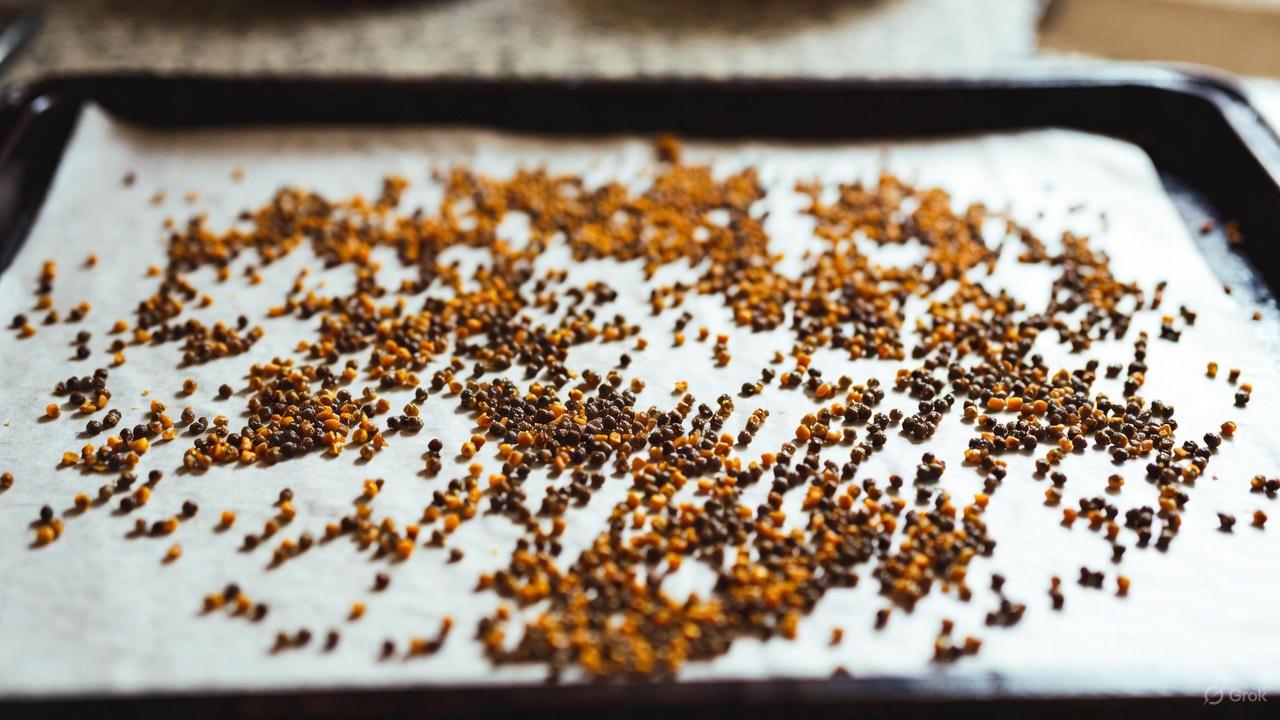
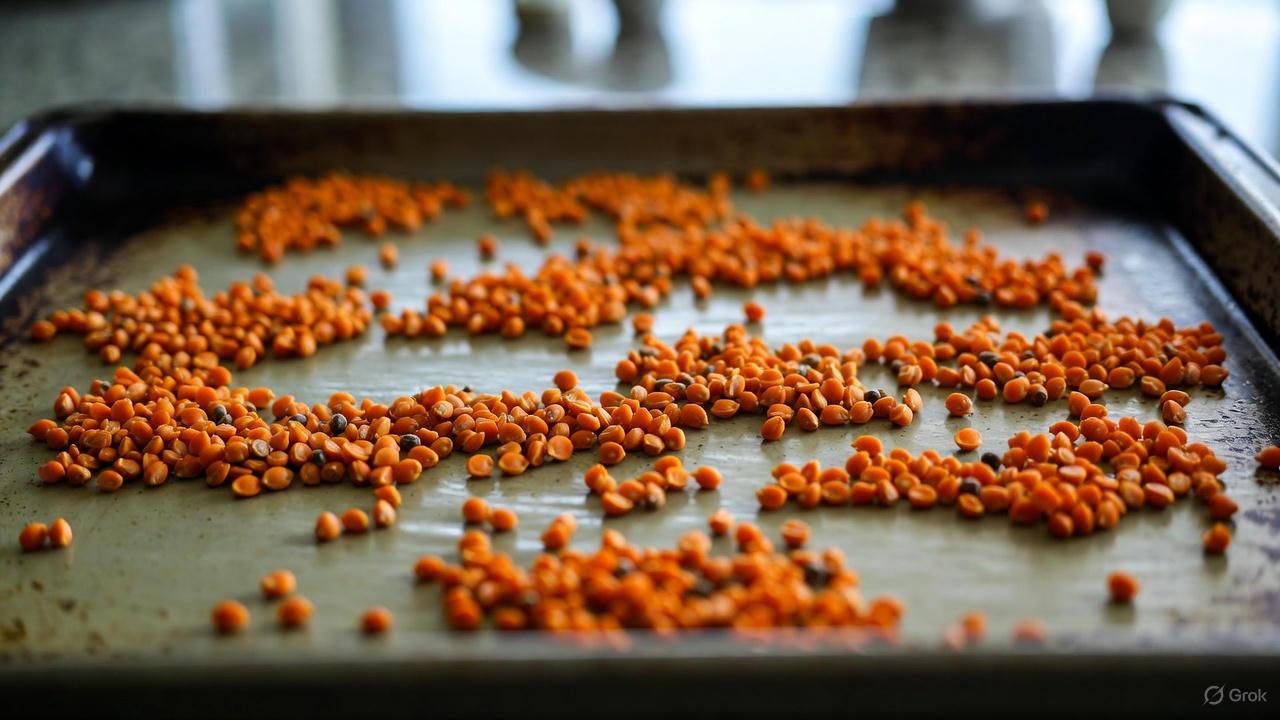
- Rinse seeds, spread on a baking sheet, dry at lowest oven setting (or air-dry in sun) for 2–3 days.
- Once completely dry, grind into powder using a coffee grinder.
- Store in an airtight jar — lasts 6–12 months.
- Add ¼–½ teaspoon to salad dressings, yogurt, oatmeal, or soups. Tastes like a mild black pepper.
Method 3 – Honey-Papaya Seed Mix (Kid-Friendly)
- Blend 1 tablespoon dried seed powder with 3–4 tablespoons raw honey.
- Take ½ teaspoon daily straight off the spoon or stirred into warm water.
Pro tip: Always start low (¼ teaspoon) and increase slowly over a week. Too much too fast can cause loose stools because of the fiber and papain.
How Much Is Safe?
Most studies showing benefits used the equivalent of 1–2 teaspoons of dried seeds per day for adults. Pregnant or breastfeeding women should avoid medicinal amounts (stick to normal food amounts). If you have upcoming surgery or take blood-thinning medication, talk to your doctor first — papain may have mild blood-thinning effects.
Delicious Everyday Recipes People Actually Make
- Tropical Green Smoothie Booster
1 cup papaya flesh + handful spinach + ½ banana + ½ tsp ground papaya seeds + coconut water. - Peppery Salad Dressing
3 tbsp olive oil + 1 tbsp lime juice + ½ tsp ground papaya seeds + pinch salt. Shake and pour. - Morning Yogurt Parfait Topper
Greek yogurt + berries + granola + light sprinkle of ground seeds instead of black pepper.
Final Thoughts
Next time you cut open a papaya, pause before scooping those black seeds into the bin. Drying a batch takes minutes and gives you months of a free, research-backed superfood that costs exactly nothing. Small daily habits like this are often the ones that add up to the biggest differences in how you feel.
Your digestive system, liver, and antioxidant defenses might just thank you.
Frequently Asked Questions
Can I eat papaya seeds every single day?
Yes — most people tolerate ½–1 teaspoon of dried seeds daily with no issues. Listen to your body and adjust.
Do papaya seeds really “kill parasites” in humans?
Promising studies exist (especially the 2007 Kenyan trial), but they’re not a replacement for prescribed medication if you have a confirmed parasitic infection.
Are papaya seeds safe for children?
Small amounts (¼ teaspoon dried) mixed with honey are commonly used in traditional settings, but always check with a pediatrician first.
**Disclaimer: This article is for informational purposes only and is not medical advice. Papaya seeds are a food, not a medicine. Please consult your healthcare provider before making significant changes to your diet, especially if you have medical conditions or take medications.
(Word count: 1,286)