
Many adults over 60 take vitamins and supplements each morning to support heart health, bone strength, and overall well-being. These habits often stem from longstanding recommendations, and it’s natural to assume they’re helping protect against age-related concerns. Yet emerging research highlights how our bodies process certain nutrients differently as we age, potentially shifting benefits or introducing considerations for vascular health.
Understanding these nuances can feel reassuring rather than alarming. The good news is that simple, evidence-based adjustments—guided by your doctor—can help align your routine with current insights. Let’s explore what studies suggest about common supplements and safer ways forward.
Why Supplement Needs Evolve After 60
As we get older, changes in metabolism, absorption, and vascular flexibility occur naturally. Blood vessels may become less elastic, and factors like clotting balance or mineral distribution can play a bigger role in long-term health.
Large reviews of randomized trials and observational data indicate that while some supplements offer benefits, others—particularly at higher doses—show no clear advantage for cardiovascular outcomes in older adults. For instance, meta-analyses of trials involving vitamin E have found mixed effects on stroke subtypes, with potential increases in certain risks offsetting others.
The key is personalization: what worked decades ago may need reevaluation today. Research emphasizes getting nutrients primarily from food, with supplements used thoughtfully when needed.
But that’s not the full picture—let’s look at specific supplements researchers have examined closely.
High-Dose Vitamin E (400 IU or More)
Vitamin E has long been valued for its antioxidant properties, supporting cell protection against oxidative stress.
However, systematic reviews of randomized controlled trials, including data from thousands of participants, suggest that doses of 400 IU or higher may increase the risk of hemorrhagic stroke by about 22%, while slightly reducing ischemic stroke odds. The net effect on total stroke appears neutral.
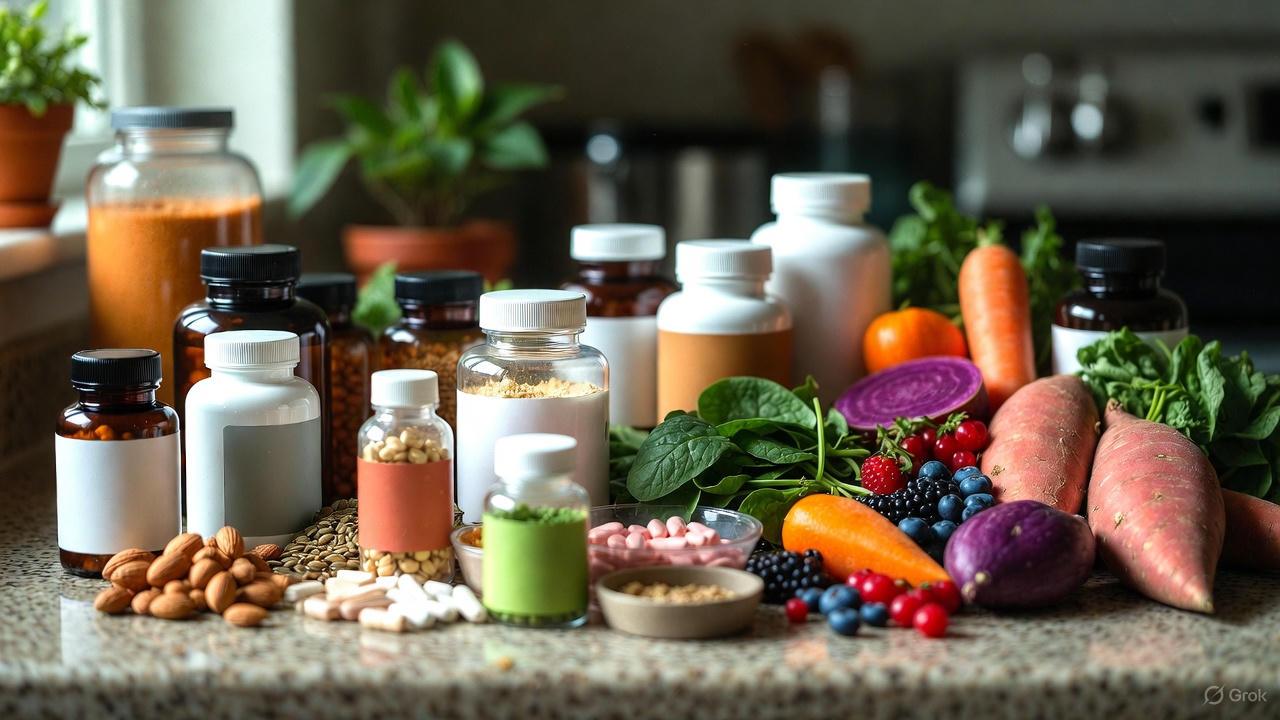
Lower doses or food sources—like nuts, seeds, and leafy greens—provide antioxidants without the same concerns highlighted in trials.
This doesn’t mean avoiding vitamin E entirely; it highlights the importance of moderate intake.
Isolated Synthetic Beta-Carotene Supplements
Beta-carotene from colorful fruits and vegetables contributes to eye health and immunity naturally.
In contrast, standalone synthetic beta-carotene pills have shown different outcomes in large trials. For example, studies like the ATBC and CARET trials, involving smokers and high-risk groups, found no cardiovascular benefit and potential concerns in certain populations.
Whole-food sources deliver beta-carotene alongside other compounds that work synergistically, which isolated supplements lack.
High-Dose Niacin for Cholesterol Management
Niacin (vitamin B3) was once routinely used to raise HDL cholesterol and lower triglycerides.
Recent major trials, such as AIM-HIGH and HPS2-THRIVE, involving patients on statin therapy, found that adding extended-release niacin did not reduce major vascular events and was associated with side effects.
Current approaches favor lifestyle changes, statins when indicated, and other options discussed with a physician.
High-Dose Vitamin D Without Adequate K2 Balance
Vitamin D supports bone health, immune function, and mood, especially important as natural production declines with age.
Research on very high doses (often over 4,000 IU daily) explores arterial calcification, but randomized trials show no clear increase in vascular risks at typical doses. Pairing vitamin D with vitamin K2 from food or supplements may help direct calcium appropriately, though evidence is emerging.
Testing blood levels and aiming for 1,000–2,000 IU daily, often with K2, aligns with common recommendations for seniors.
Comparison of Common Supplements and Food-Based Alternatives
| Supplement Often Reconsidered | Key Research Insight | Food-Based or Adjusted Option |
|---|---|---|
| High-dose vitamin E (400+ IU) | Neutral net effect on total stroke in meta-analyses | Mixed nuts, seeds, spinach (up to 200 IU equivalent) |
| Synthetic beta-carotene pills | No clear CVD benefit in trials | Carrots, sweet potatoes, berries, leafy greens |
| High-dose extended-release niacin | No added vascular benefit in recent trials | Plant sterols, oats, or physician-guided alternatives |
| Very high vitamin D without K2 | Ongoing study; focus on balanced intake | Moderate D3 (1,000–2,000 IU) + K2-rich foods like fermented soy or cheese |
Practical Steps to Review Your Routine
Taking control starts with small, informed actions:
- Gather your supplement bottles and note doses.
- Schedule a check-up to discuss blood tests (e.g., vitamin D levels aiming for 40–60 ng/mL).
- Prioritize nutrient-dense meals: aim for 7–10 servings of fruits and vegetables daily.
- Consider moderate adjustments, like D3 with K2 or food-sourced antioxidants.
Many find peace of mind after these conversations, optimizing for current needs.
Safe Daily Habits Supported by Evidence
- Vitamin D: 1,000–2,000 IU for bone and immune support
- Vitamin K2 sources: Leafy greens or fermented foods to aid calcium balance
- Antioxidants: From colorful produce and nuts
- Omega-3s: Fatty fish twice weekly or low-dose supplement if needed
Conclusion
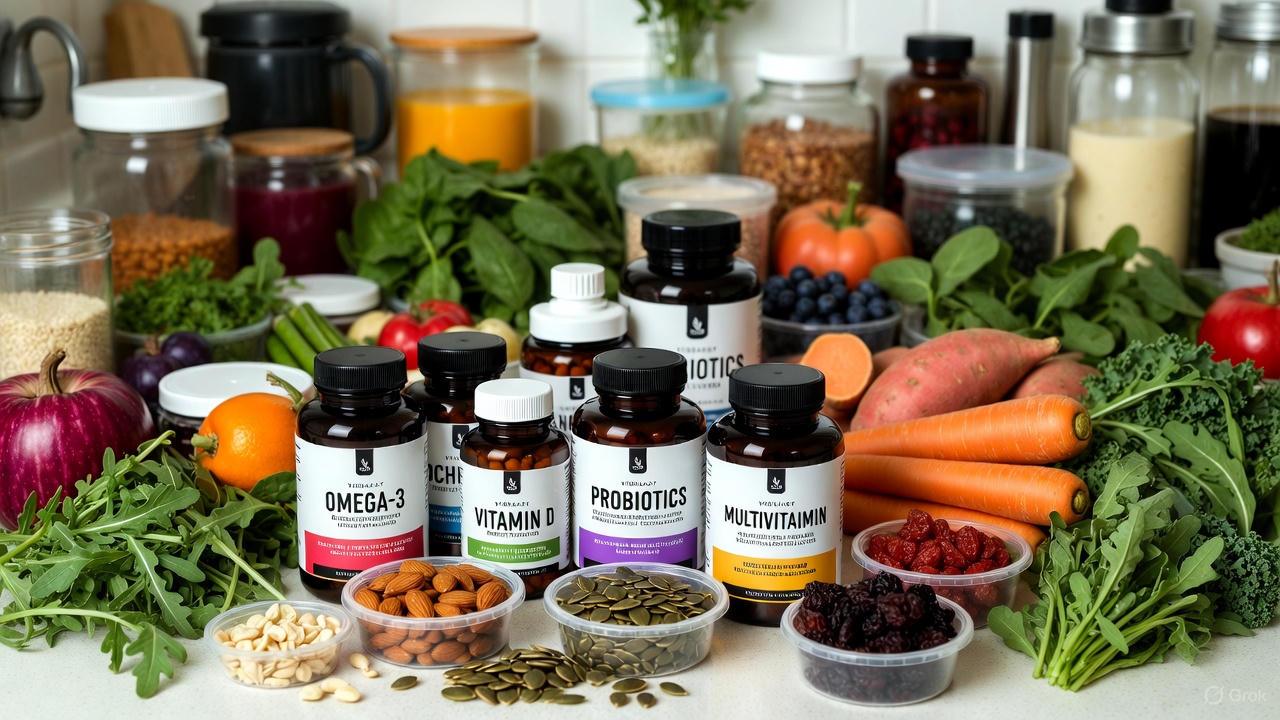
Reviewing your supplement routine with fresh eyes can empower better daily choices. Research continues to evolve, emphasizing whole foods as the foundation while using supplements selectively.
A quick chat with your healthcare provider about newer insights can make all the difference—turning routine into personalized protection.
Frequently Asked Questions
Should I stop all supplements immediately if I’m over 60?
No—many provide value when appropriate. Consult your doctor before changes, especially if managing conditions or medications.
Is vitamin D still recommended for seniors?
Yes, moderate doses support bone health. Blood testing helps tailor the right amount.
What if my doctor prescribed these supplements years ago?
Guidelines update over time. A simple question like “Any new thoughts on my vitamins?” opens helpful discussion.
This information is for educational purposes only and not medical advice. Always consult your physician or pharmacist before starting, stopping, or adjusting supplements, particularly with heart conditions or medications.


