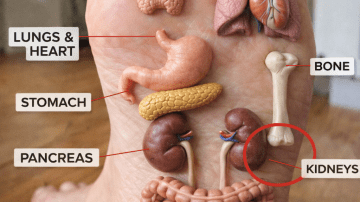
Many people focused on kidney health often feel uncertain when choosing proteins for their meals, knowing that kidneys work hard to process the waste these foods produce. This worry can intensify with symptoms like fatigue or swelling, or simply from wanting to stay ahead of potential issues. The good news is there are smart, natural protein options that help maintain muscle strength while being gentler on the kidneys. And toward the end of this guide, I’ll share a simple daily habit many experienced individuals use to feel lighter and more energized.
Understanding Proteins in a Kidney-Friendly Diet
Proteins are essential building blocks for the body—they repair tissues and support overall function. However, when kidney function needs extra care, too much protein can create additional waste for the kidneys to filter.
Guidelines from organizations like the National Kidney Foundation (NKF) and Kidney Disease Outcomes Quality Initiative (KDOQI) emphasize both the amount and quality of protein intake.
The goal is balance: enough to preserve muscle mass, but not so much that it adds unnecessary strain.
How Much Protein Do You Actually Need?
Recommended amounts vary depending on your stage of kidney health:
- For those not on dialysis, guidelines often suggest 0.6 to 0.8 grams of protein per kilogram of body weight per day.
- For individuals on dialysis, the range typically increases to 1.0–1.2 grams per kilogram to account for losses during treatment.
These are general ranges. Individual needs differ, so personal guidance from a healthcare professional is key.
Why Protein Quality Matters
Not all proteins are created equal. Protein quality is measured by something called “biological value”—how efficiently the body can use the essential amino acids it provides.
High biological value proteins (found in sources like eggs and fish) deliver more benefit with less quantity needed. This efficiency can be particularly helpful when aiming to ease the workload on kidneys.
Top Protein Choices That Support Kidney Health Naturally
Here are accessible, everyday options that provide quality protein while generally being lower in phosphorus and sodium—two minerals worth monitoring.
- Egg whites: Nearly pure high-quality protein with very low phosphorus. Great for omelets, scrambles, or smoothies.
- White fish (such as cod, tilapia, or halibut): Lean, rich in omega-3s, and moderate in phosphorus. Enjoy 2–3 times per week.
- Skinless chicken or turkey: Versatile, easy to prepare, and offers a favorable nutrient profile when portions are controlled.
- Tofu and tempeh: Complete plant-based proteins that are typically lower in phosphorus and potassium.
- Quinoa: A grain with a strong amino acid profile, especially when paired with legumes.
These choices allow variety without unnecessary complexity.
Proteins to Enjoy in Moderation
Some common protein sources are higher in phosphorus, sodium, or purines. Moderation—rather than complete avoidance—is often the practical approach.
Common ones to watch:
- Red meats (beef, fatty pork)
- Processed meats (sausages, deli meats, cured products)
- Full-fat dairy and aged cheeses
- Certain shellfish (shrimp, some mollusks)
- Large amounts of nuts and seeds
Occasional enjoyment is usually fine when planned thoughtfully.

Quick Comparison Table: Recommended vs. Moderation Choices
| Protein Type | Biological Value | Phosphorus/Sodium Level | General Recommendation for Kidney Care |
|---|---|---|---|
| Egg whites | High | Low | Preferred daily option |
| White fish | High | Moderate | 2–3 times per week |
| Skinless chicken/turkey | High | Low | Controlled portions |
| Tofu/tempeh | High | Low | Excellent plant-based choice |
| Red meats | High | High | Limit frequency |
| Processed meats | High | Very high | Minimize or avoid most |
| Full-fat dairy | High | High | Choose lower-phosphorus alternatives |
Based on general guidelines from the National Kidney Foundation and KDOQI.
Practical Tips You Can Start Using Today
Small, consistent changes often make the biggest difference. Here are straightforward steps:
- Aim for at least 50% of daily protein from high biological value sources.
- Use the palm of your hand as a visual guide for meat or fish portion sizes.
- Combine plant proteins thoughtfully—brown rice with beans, or corn tortillas with moderate low-phosphorus cheese.
- Check labels for “low sodium” or “no added phosphates.”
- Prepare meals at home using grilling, steaming, or baking with fresh herbs instead of processed sauces.
And here’s the simple habit I promised: many people who have been mindful of kidney health for years replace one heavier meal with an egg-white smoothie blended with low-potassium fruits like apple or pear. It’s quick, satisfying, and often leaves them feeling noticeably lighter.
But that’s not all—pairing these proteins with non-starchy vegetables (zucchini, cauliflower, cabbage) and healthy fats (moderate avocado or olive oil) creates balanced, flavorful plates.
Light daily movement, like a 30-minute walk, also helps preserve muscle when protein intake is moderated.

Final Thoughts: Simple Choices for Long-Term Comfort
Selecting high-quality proteins such as egg whites, white fish, lean poultry, or tofu allows you to maintain strength and energy while being kinder to your kidneys. Keeping red meats, processed options, and full-fat dairy occasional keeps things manageable.
Variety, appropriate portions, and enjoyment remain possible with mindful planning.
Remember, everyone’s needs are unique. A nephrologist or registered dietitian specializing in kidney health can tailor these suggestions to your situation.
Frequently Asked Questions
How much protein can I have daily if I’m concerned about kidney health?
It depends on your specific stage—generally 0.6–0.8 grams per kilogram of body weight if not on dialysis, or 1.0–1.2 grams if on dialysis. Always discuss with your healthcare provider for personalized guidance.
Can I follow a vegetarian approach while supporting kidney health?
Yes, absolutely. Combining sources like tofu, tempeh, quinoa, and egg whites can provide complete protein effectively.
Are protein supplements recommended?
They’re usually not needed and should only be used if specifically recommended by your doctor or dietitian. Whole food sources are generally preferred.
Disclaimer: This article is for informational purposes only and is based on general guidelines from reputable organizations like the National Kidney Foundation. It does not replace professional medical advice. Always consult your nephrologist or a qualified healthcare professional before making dietary changes, especially if you have kidney concerns. Individual responses vary.
(Word count: approximately 1,280)