
Many people over 40 start noticing fine lines, dryness, or a loss of firmness in their skin, which can feel frustrating when daily routines get busy. These changes often come gradually, making it harder to feel confident in your reflection, especially after trying various products that don’t seem to make a lasting difference. The good news is that some turn to gentle, natural ingredients from the kitchen for everyday skin support—and one combination that’s gained attention might surprise you with its simplicity.
Keep reading to discover what research says about these ingredients and how others are incorporating them into their routines.
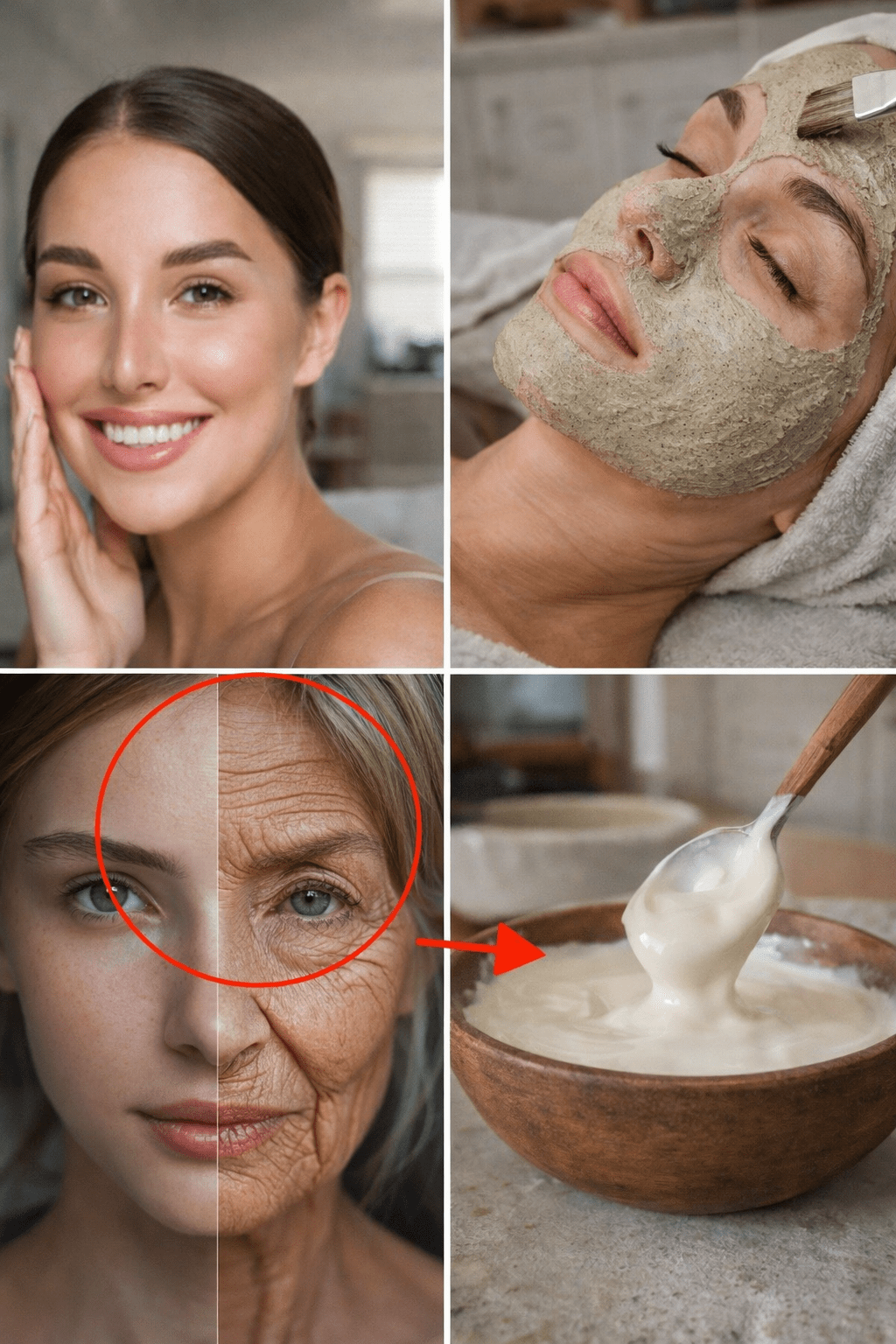
Why Skin Changes Become More Noticeable With Age
As we get older, natural processes like reduced collagen production and slower cell turnover can lead to drier, less elastic skin. Environmental factors, such as sun exposure and pollution, add oxidative stress that may contribute to visible signs of aging.
Studies, including those published in journals like the Journal of Investigative Dermatology, show that hydration levels and barrier function often decline over time. This can make skin feel rougher or appear less smooth.
But that doesn’t mean you’re out of options. Many people find value in gentle home rituals that focus on nourishment and moisture.
Here’s the interesting part: everyday ingredients like plain yogurt and nutritional yeast are being explored for their potential skin-supporting properties.
What Makes Yogurt a Popular Choice for Skin Care Routines
Plain, unsweetened yogurt contains lactic acid, a mild alpha hydroxy acid (AHA) that research suggests can help gently exfoliate the surface layer of skin.
According to a review in the journal Clinical, Cosmetic and Investigational Dermatology, lactic acid may promote smoother texture by supporting natural cell renewal without harsh irritation.
Yogurt also provides probiotics and natural fats that could help maintain moisture balance.
Many people appreciate its cooling, soothing feel when applied topically.
The key is choosing full-fat, plain varieties with live cultures for the most potential benefits.
The Role of Nutritional Yeast in Skin Support
Nutritional yeast—different from baking yeast—is rich in B vitamins, minerals, and antioxidants.
Research in journals like Nutrients highlights how B vitamins, such as niacin and riboflavin, play roles in maintaining skin barrier function and protecting against oxidative damage.
Some studies suggest these nutrients may support overall skin health when part of a balanced diet, and topical use is a common DIY extension.
People often combine it with yogurt because the powder mixes easily into a spreadable paste.
This combination has become a favorite in natural beauty communities for its simplicity.
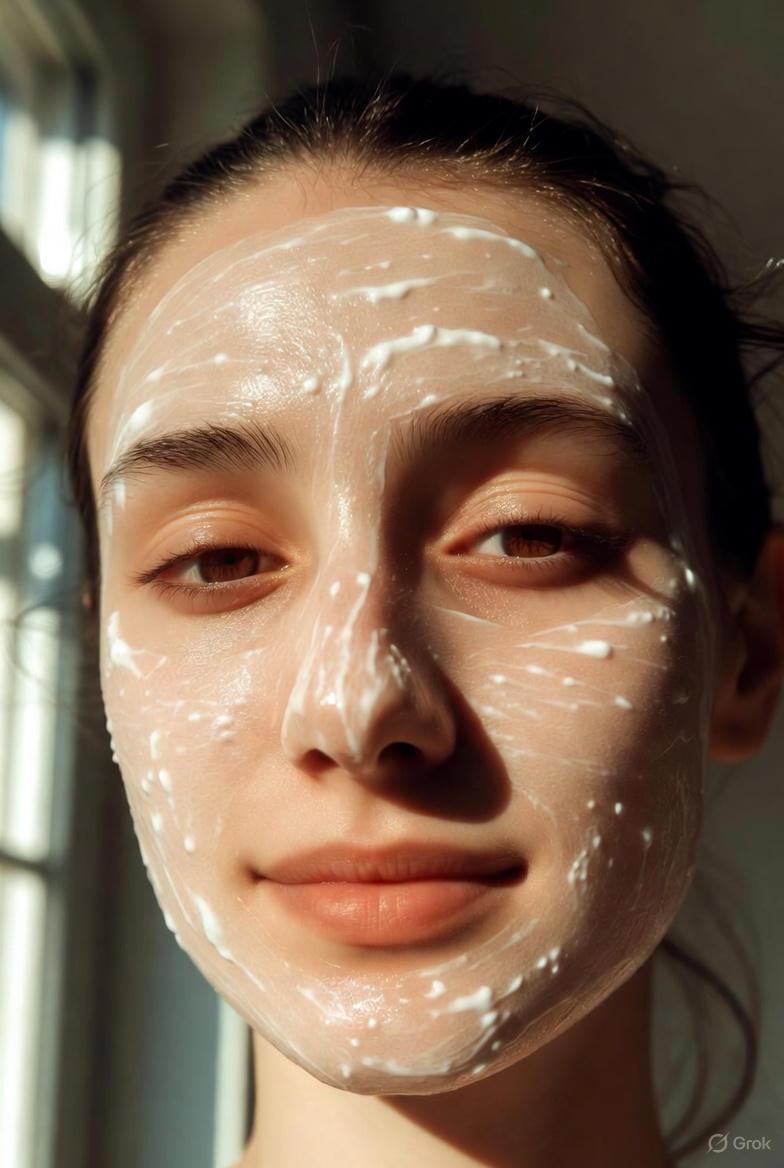
How to Prepare a Basic Yogurt and Yeast Mask at Home
Creating this mask takes just a few minutes with ingredients you might already have.
Here’s a simple step-by-step guide:
- Start with 2 tablespoons of plain, unsweetened yogurt (full-fat works best for moisture).
- Add 1 tablespoon of nutritional yeast (found in most grocery stores near spices or health foods).
- Optional: Mix in 1 teaspoon of a gentle carrier oil like olive, coconut, or jojoba for extra hydration.
- Stir until you get a smooth, creamy paste.
- Apply a thin layer to clean, dry skin, avoiding the eye area.
- Leave on for 10–15 minutes, then rinse gently with lukewarm water.
- Pat dry and follow with your usual moisturizer.
Most people use this 2–3 times per week to avoid over-exfoliation.
Always do a patch test on your inner arm first to check for sensitivity.
Potential Benefits People Report From Regular Use
While individual results vary, many users share positive experiences with consistent application.
Common observations include:
- Softer, smoother texture after gentle exfoliation from lactic acid
- Better hydration thanks to yogurt’s natural fats and added oils
- A brighter, more even appearance possibly linked to nutrient support
- Calmer feel, especially helpful for dry or sensitive skin types
Anecdotal feedback from beauty forums and blogs often mentions a refreshed look after a few weeks.
Research supports that ingredients like lactic acid and B vitamins can contribute to healthier-looking skin when used appropriately.
But remember—consistency and patience matter more than quick fixes.
Simple Variations to Customize Your Mask
Once you’re comfortable with the basic recipe, try these gentle additions:
- A few drops of honey for extra soothing properties
- A pinch of turmeric (use sparingly to avoid staining) for antioxidant support
- Aloe vera gel for a cooling effect on warm days
- Ground oats for additional gentleness on sensitive skin
Each variation keeps the routine simple while addressing different needs.
Experiment gradually to find what feels best for you.
This is where the fun begins—turning a basic mask into a personalized ritual.
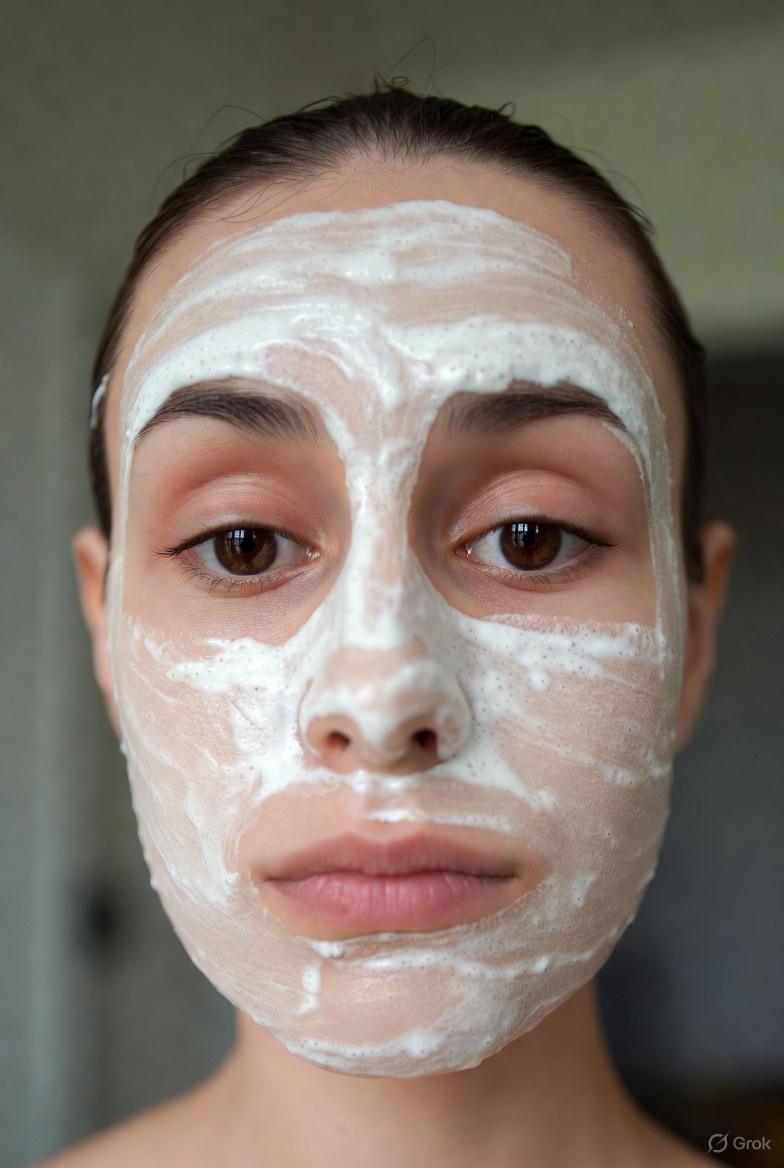
Tips for Getting the Most From Your Skin Care Routine
Incorporating any new habit works best when paired with proven basics.
Consider these evidence-based practices:
- Wear broad-spectrum sunscreen daily to protect against UV damage
- Stay hydrated by drinking plenty of water
- Eat a balanced diet rich in fruits, vegetables, and healthy fats
- Get adequate sleep to support natural repair processes
- Cleanse gently without stripping natural oils
Small, sustainable changes often lead to the most noticeable differences over time.
You’re already ahead by exploring natural options—keep building on that momentum.
Common Questions About Yogurt and Yeast Masks (FAQ)
How often should I use a yogurt and yeast mask?
Most people find 2–3 times per week works well. Start slowly and adjust based on how your skin responds.
Can this mask help with very dry skin?
The moisturizing fats in yogurt and optional oils may provide helpful hydration support. Always follow with a moisturizer.
Is nutritional yeast the same as baker’s yeast?
No—nutritional yeast is inactive and fortified with vitamins. Avoid using active baking yeast on skin.
Final Thoughts on Natural Skin Support
Exploring gentle, kitchen-based ingredients like yogurt and nutritional yeast can be a refreshing addition to your self-care routine. While they won’t replace medical treatments or proven dermatological options, many find them a pleasant, affordable way to nurture their skin.
The real power often lies in consistency, listening to your skin, and combining natural habits with science-backed fundamentals like sun protection and hydration.
Whatever path you choose, prioritizing gentle care can make a meaningful difference in how your skin looks and feels over time.
Disclaimer: This article is for informational purposes only and is not intended to diagnose, treat, or cure any skin condition. Always consult a dermatologist or healthcare professional for personalized advice, especially if you have sensitive skin or underlying concerns. Perform a patch test before trying new ingredients and discontinue use if irritation occurs.


