
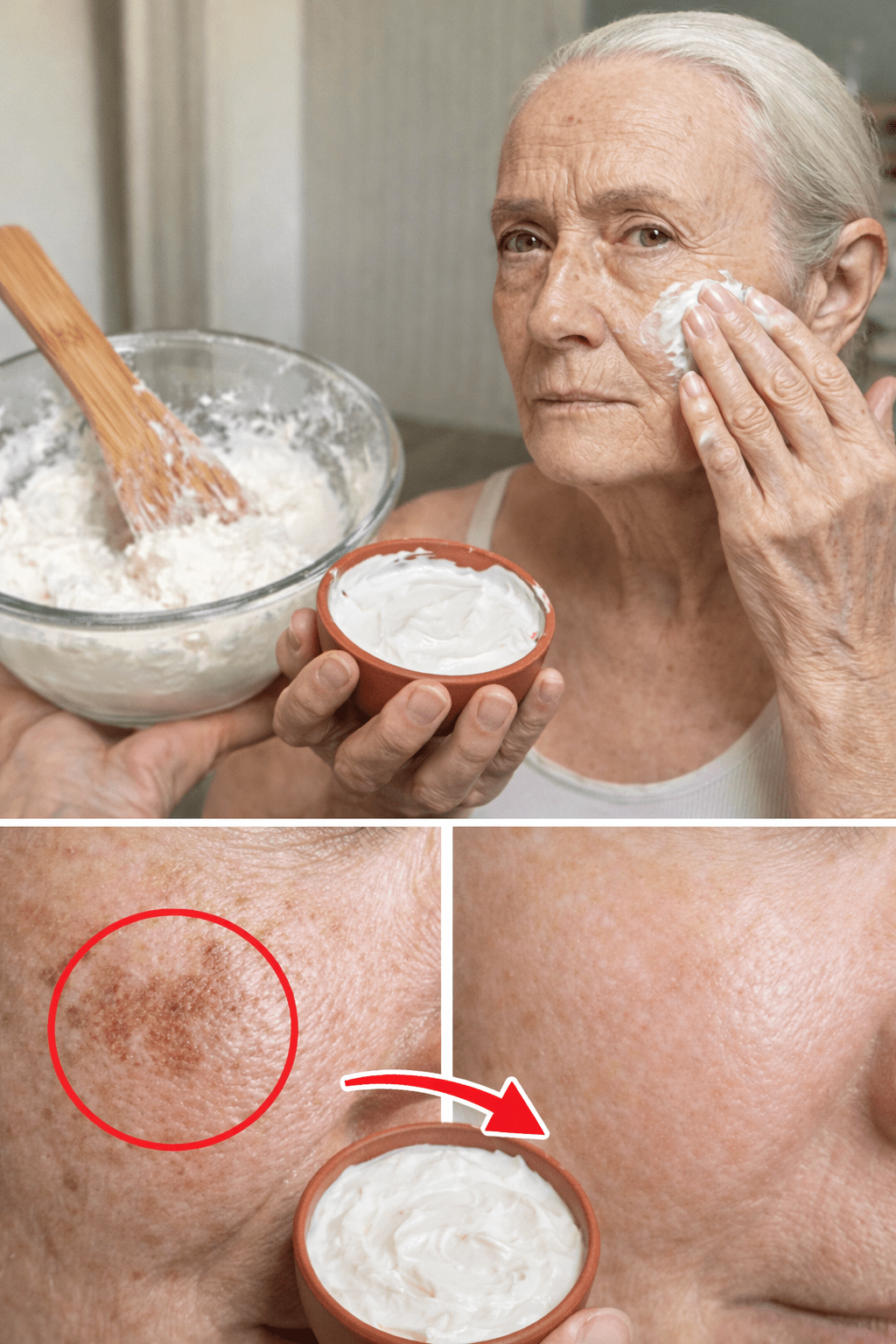
Many people over 50 notice small, flat brown spots appearing on their face, hands, and arms. These age spots, also known as liver spots or solar lentigines, often show up after years of sun exposure and can make skin look uneven. While they are harmless, they sometimes affect how confident we feel about our appearance. As interest in natural skincare grows, baking soda has become a frequent topic in home remedy discussions. In this guide, we’ll explore what baking soda might offer for skin care, the potential risks involved, and safer ways to support healthy skin.
What Exactly Are Age Spots?
Age spots are flat, pigmented areas that develop from excess melanin production. They usually appear after age 40 and are more common in lighter skin tones. Sun exposure is the main trigger, which is why they often show up on sun-exposed areas like the face, shoulders, and hands.
These spots are not dangerous, but they can be stubborn. Many people seek gentle ways to make their skin look more even and youthful. Natural options like baking soda appeal because they’re inexpensive and easy to find at home.
Why Baking Soda Is Often Mentioned for Skin Care
Baking soda, or sodium bicarbonate, is a common household item known for its mild abrasive texture. Some people use it as a gentle exfoliant to remove dead skin cells. The idea is that regular exfoliation might help improve skin texture and brightness over time.
Online communities and social media posts have shared stories about using baking soda pastes for skin concerns. However, experts emphasize that anecdotal reports do not equal scientific proof. Studies on baking soda’s effects on skin are limited, and dermatologists often caution against it.
How Baking Soda Might Work on Skin
Baking soda has a slightly alkaline pH, which can help balance the skin’s surface temporarily. As an exfoliant, it may gently buff away dull layers, potentially revealing fresher-looking skin.
Some believe this could make dark spots appear less noticeable. But here’s the key: any brightening effect is usually short-term and comes from removing surface buildup, not from targeting pigment deep in the skin.
Important Risks and Why Experts Raise Concerns
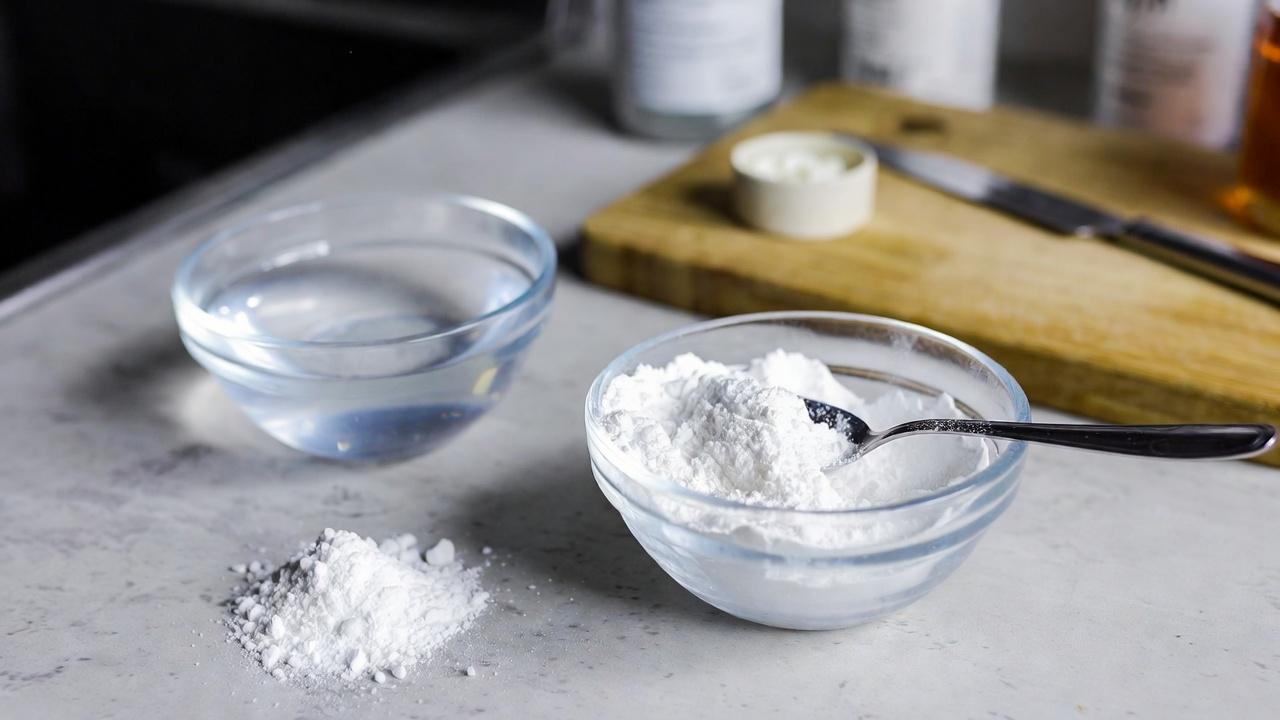
Baking soda is not as gentle as it seems. Its high pH (around 9) can disrupt the skin’s natural acid mantle, which protects against bacteria and moisture loss. Over time, this may lead to dryness, irritation, redness, or even breakouts.
Dermatologists frequently warn that abrasive scrubs like baking soda can damage the skin barrier, especially for mature or sensitive skin. Research from skincare experts highlights that repeated use might make uneven tone worse rather than better.
Safe Ways to Try Baking Soda If You’re Curious
If you’re interested in experimenting, always prioritize safety. Here’s a simple, cautious approach:
- Patch Test First: Apply a small amount to your inner arm and wait 24 hours to check for irritation.
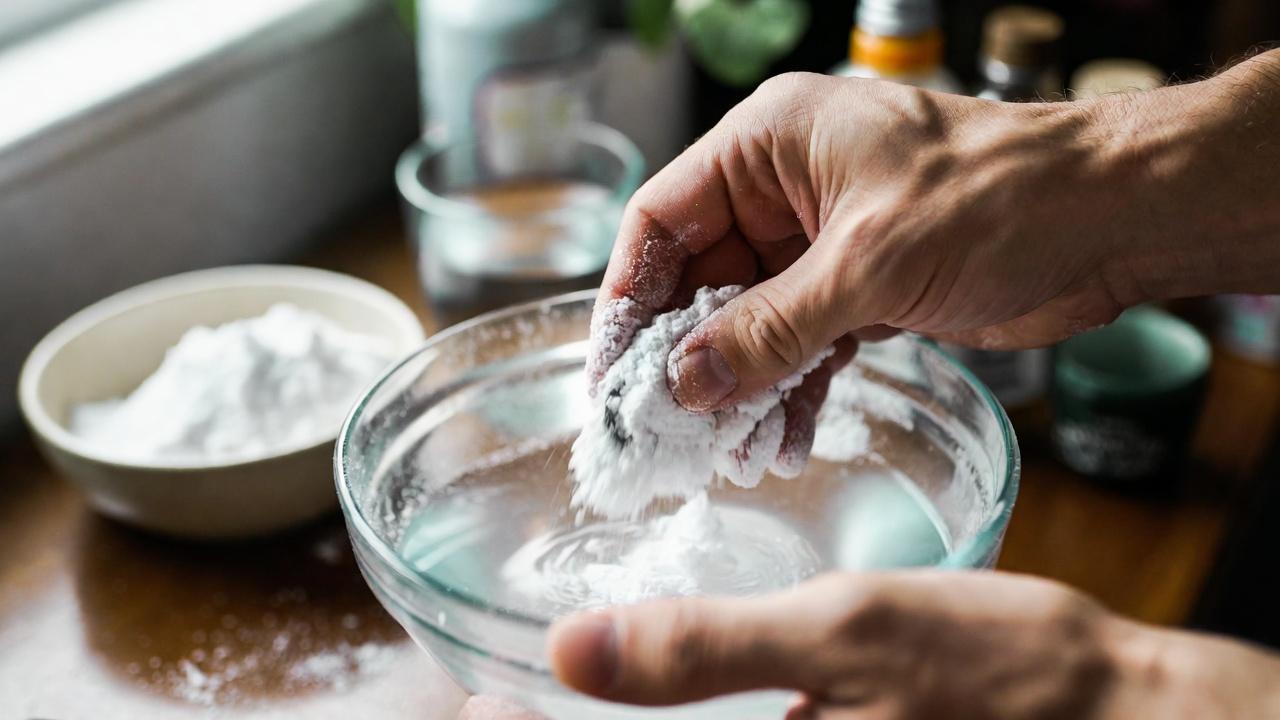
- Dilute It Well: Mix one teaspoon of baking soda with enough water to form a soft paste.
- Use Sparingly: Apply gently to clean skin once a week at most, avoiding sensitive areas.
- Rinse Thoroughly: Wash off with lukewarm water and follow with a gentle moisturizer.
- Avoid Open Skin: Never use on cuts, sunburns, or irritated areas.
Remember, these steps are for general exfoliation, not targeted treatment.
Better Alternatives for Supporting Even Skin Tone
Instead of relying on baking soda, consider these evidence-based options:
- Daily Sunscreen: Broad-spectrum SPF 30+ is the best way to prevent new spots and protect existing ones.
- Gentle Exfoliants: Look for products with lactic acid or glycolic acid in low concentrations.
- Brightening Ingredients: Vitamin C, niacinamide, or licorice extract can support a more even complexion.
- Professional Advice: A dermatologist can recommend safe treatments like topical creams or light therapies.
When to Consult a Dermatologist
If age spots bother you or change in size, shape, or color, see a skin specialist. They can rule out other concerns and suggest personalized care.
Wrapping It Up
Age spots are a normal part of aging, and many people find peace in accepting them while caring for their skin gently. Baking soda may offer mild exfoliation, but the risks often outweigh the benefits for most people. Focus on sun protection and gentle routines for long-term skin health.
FAQ
1. How often should I exfoliate my skin if I have age spots?
Gentle exfoliation once or twice a week is usually enough for mature skin. Overdoing it can cause irritation.
2. Are age spots the same as freckles?
No. Freckles are genetic and fade in winter, while age spots are from cumulative sun damage and tend to stay.
3. Can diet affect age spots?
A balanced diet rich in antioxidants may support overall skin health, but it won’t directly remove spots.
Disclaimer: This article is for informational purposes only and not a substitute for professional medical advice. Always consult a dermatologist or healthcare provider before trying new skincare practices, especially if you have sensitive skin or existing conditions.


