
Finding a cockroach in your kitchen or noticing ant trails across your counter can turn a peaceful home into a source of constant frustration. These unwanted visitors not only create mess but also carry bacteria and trigger stress for many families. Many people turn to everyday kitchen items like baking soda, hoping for a gentle, affordable way to discourage pests without harsh chemicals. While some homeowners share positive stories, scientific insights show mixed results depending on the pest. In this guide, we’ll look at what people commonly try, how it might work in theory, and practical tips to try responsibly at home—plus one key habit that often makes the biggest difference.
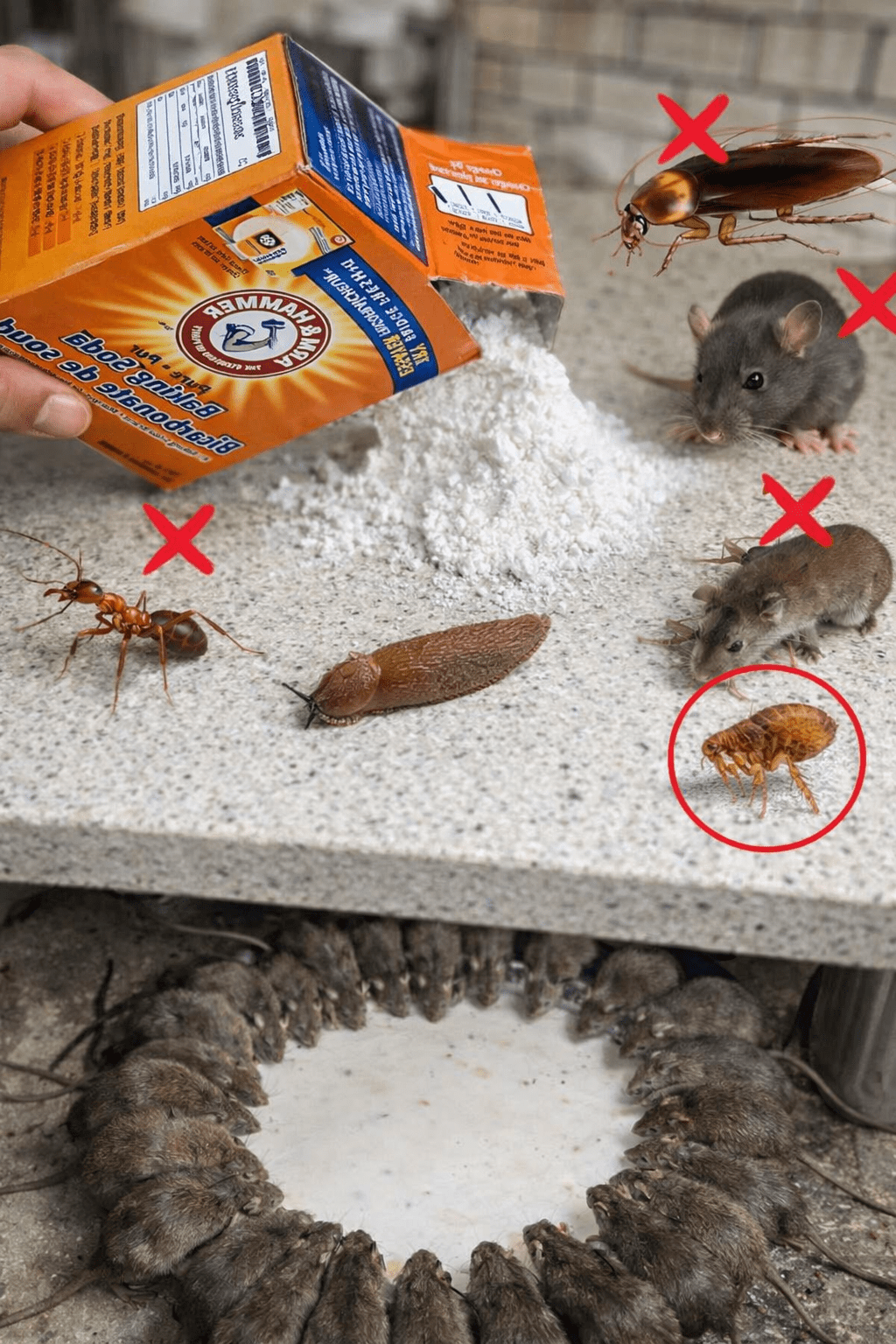
Understanding How Baking Soda Might Interact with Pests
Baking soda (sodium bicarbonate) is a mild alkaline powder best known for baking and cleaning. Some theories suggest that when insects ingest it—especially mixed with attractants—it could react with stomach acids to produce gas, potentially causing discomfort or disruption. For crawling pests, people also speculate it might absorb moisture or interfere with their exoskeletons on contact. Research on these ideas remains limited, with most evidence coming from anecdotal reports rather than large-scale studies. Pest experts often emphasize that baking soda works best as part of broader prevention rather than a standalone fix.
But that’s not the full picture—let’s look at specific pests next.
Baking Soda and Cockroaches: What Homeowners Report
Cockroaches top the list for many trying baking soda mixtures. The most popular approach mixes equal parts baking soda and powdered sugar (or regular sugar). The sugar lures them in, while the baking soda is thought to cause internal gas buildup after they eat it.
Many DIY users place small amounts in shallow dishes or bottle caps near hiding spots like under sinks or behind appliances. Some notice fewer sightings after a couple of weeks, especially when combined with good cleaning habits. However, experts note that results vary widely—roaches may avoid the mixture if it doesn’t appeal, and it rarely eliminates an entire infestation quickly.
Here are step-by-step tips if you want to experiment:
- Mix equal parts baking soda and powdered sugar.
- Place in small lids or dishes in dark, out-of-the-way areas.
- Refresh every 3–7 days and keep the mixture dry.
- Always pair with sealing food and wiping surfaces.
Trying It on Ants: A Colony-Focused Approach
Ants often respond to sweet baits, so similar sugar + baking soda mixes get tried along trails. Worker ants may carry bits back to the colony, potentially affecting more than just the scouts. Some people report reduced activity after consistent use, particularly for sugar-loving species.
Others add that pure baking soda sprinkled as a barrier along entry points (doors, windows) can sometimes deter ants temporarily due to texture or scent. Keep in mind, effectiveness depends on the ant type—some avoid it altogether—and moisture can reduce its impact.
Quick Comparison of Common Ant Methods People Try:
- Powdered sugar + baking soda: Attracts and may disrupt digestion
- Pure baking soda barrier: Possible minor repulsion
- Vinegar spray: Disrupts scent trails (no baking soda needed)
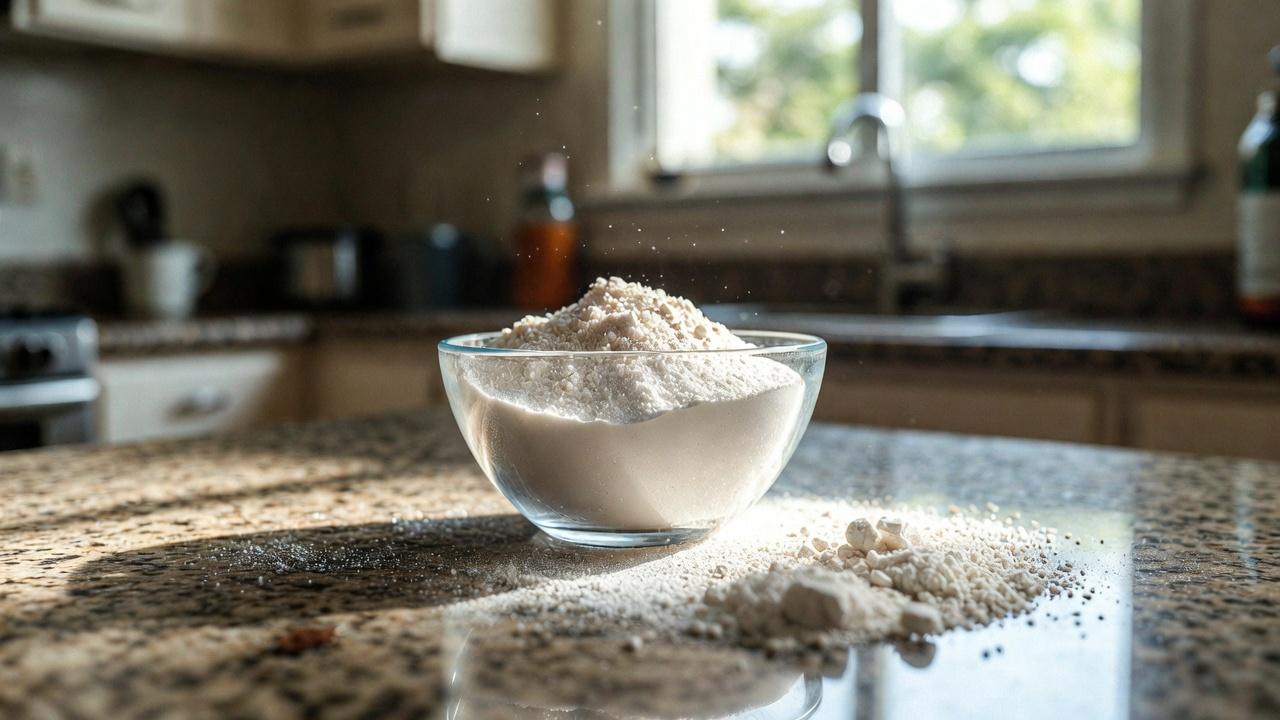
What About Bed Bugs, Mice, and Other Invaders?
For bed bugs, sprinkling baking soda on mattresses or floors is a common suggestion, based on the idea of dehydration. Unfortunately, most pest control sources consider this largely ineffective—bed bugs are resilient, don’t ingest powders easily, and hide in tiny cracks where powder can’t reach well.
With mice or rats, the theory involves mixing baking soda with flour, sugar, or peanut butter so they eat it and experience gas buildup (since rodents can’t burp easily). Anecdotes exist, but experts highlight inconsistencies, potential for avoidance, and humane concerns. It’s rarely recommended as a primary solution.
Pest Overview Table:
- Cockroaches — Sugar + baking soda mix: Anecdotal reports of reduction; best with sanitation
- Ants — Powdered sugar mix: Variable success; may affect colony over time
- Bed Bugs — Sprinkled powder: Generally not effective according to experts
- Mice/Rats — Flour/sugar bait: Mixed stories; better alternatives often advised
Practical Tips for Safe and Responsible Use
If you decide to try baking soda methods, focus on safety and realism. Keep mixtures in areas pets and children can’t reach, as large amounts could cause upset if ingested. Use dry setups to avoid clumping, and monitor progress closely.
Essential Safety and Setup Guidelines:
- Choose shallow, stable containers for baits.
- Place in low-traffic spots like corners or under appliances.
- Refresh regularly and remove old mixtures promptly.
- Vacuum any dead pests to prevent secondary issues.
- Stop if no change after 1–2 weeks and consider other options.
The real game-changer? Many find that consistent cleanliness and sealing entry points reduce pest interest far more than any single remedy.
Why Prevention Often Outperforms Remedies
Pests thrive on food, water, and hiding spots. Simple habits like storing food in sealed containers, fixing leaks, and decluttering create an environment they avoid. These steps support any DIY efforts and often prevent problems before they start.
If activity persists despite your best tries, reaching out to a professional can provide thorough, tailored solutions.
FAQ
Does baking soda work instantly on pests? No—most methods require pests to find and consume the mixture over days or weeks, and results aren’t guaranteed.
Is baking soda safe around pets? In small amounts used as directed, it’s generally low-risk, but keep baits inaccessible and consult a vet if concerned.
Can baking soda replace professional pest control? It’s a low-cost experiment for minor issues, but heavy or persistent infestations usually need expert help for complete resolution.
This information is for educational purposes only and not a substitute for professional pest control advice. Always consult qualified experts for significant pest concerns.


