Many people spend hours staring at screens or notice their eyes feeling tired and strained after a long day. This constant demand on our vision can lead to discomfort, dryness, or concerns about long-term eye health. It’s frustrating when simple daily habits seem to take a toll on something as important as clear eyesight.
The good news is that certain everyday kitchen ingredients might offer gentle support for maintaining healthy eyes as part of a balanced lifestyle. And here’s something interesting: two common staples—garlic and lemon—have been highlighted in various studies for their potential role in eye wellness. Keep reading to discover how they could fit into your routine.
Why Eye Health Matters More Than Ever
Our eyes face unique challenges today. From blue light exposure to environmental factors, maintaining optimal eye function is key to enjoying life fully.
Research shows that nutrients like antioxidants play a vital role in supporting eye tissues. For instance, compounds that help combat oxidative stress are often linked to better long-term vision outcomes.
But that’s not all—foods rich in specific vitamins and sulfur compounds may contribute to overall ocular support. This is where garlic and lemon come into play.
The Potential Benefits of Garlic for Eyes
Garlic has been used for centuries in traditional practices, and modern studies are exploring its properties.
- Garlic contains allicin and other sulfur compounds known for their antioxidant effects.
- Animal studies suggest garlic extracts may help protect retinal cells from damage in models of high cholesterol or diabetes.
- Some research indicates garlic could support healthy blood flow, which is important for eye nourishment.
One study on rats with induced diabetic retinopathy found that garlic extract helped preserve retinal thickness and vascular health. Another trial in humans with diabetic macular edema noted improvements in visual acuity when garlic was used alongside standard care.
Here’s the exciting part: these effects are thought to come from garlic’s ability to reduce inflammation and oxidative stress—factors that can impact eye health over time.
Key Nutrients in Garlic That May Help Eyes
| Nutrient/Compound | Potential Role in Eye Support | Evidence From Studies |
|---|---|---|
| Allicin & Sulfur Compounds | Antioxidant protection | Animal models show reduced retinal damage |
| Polyphenols | Anti-inflammatory effects | Linked to better vascular health in eyes |
| Antioxidants overall | Combat oxidative stress | Supports general ocular wellness |

How Lemon Contributes to Eye Wellness
Lemons are packed with vitamin C, a powerful antioxidant that’s essential for many body functions.
- Vitamin C helps maintain healthy blood vessels, including those in the eyes.
- Studies suggest higher vitamin C intake is associated with lower risks of certain age-related eye changes.
- It may also support collagen production, which is important for eye structure.
Research from sources like the National Eye Institute highlights that vitamin C, often found in citrus fruits, plays a role in eye health when combined with other nutrients.
But wait—there’s more synergy when you think about combining ingredients.
A Simple Garlic and Lemon Infusion: An Easy Way to Incorporate Them
One popular way people enjoy these ingredients is through a warm infusion. It’s straightforward and uses items you likely have at home.
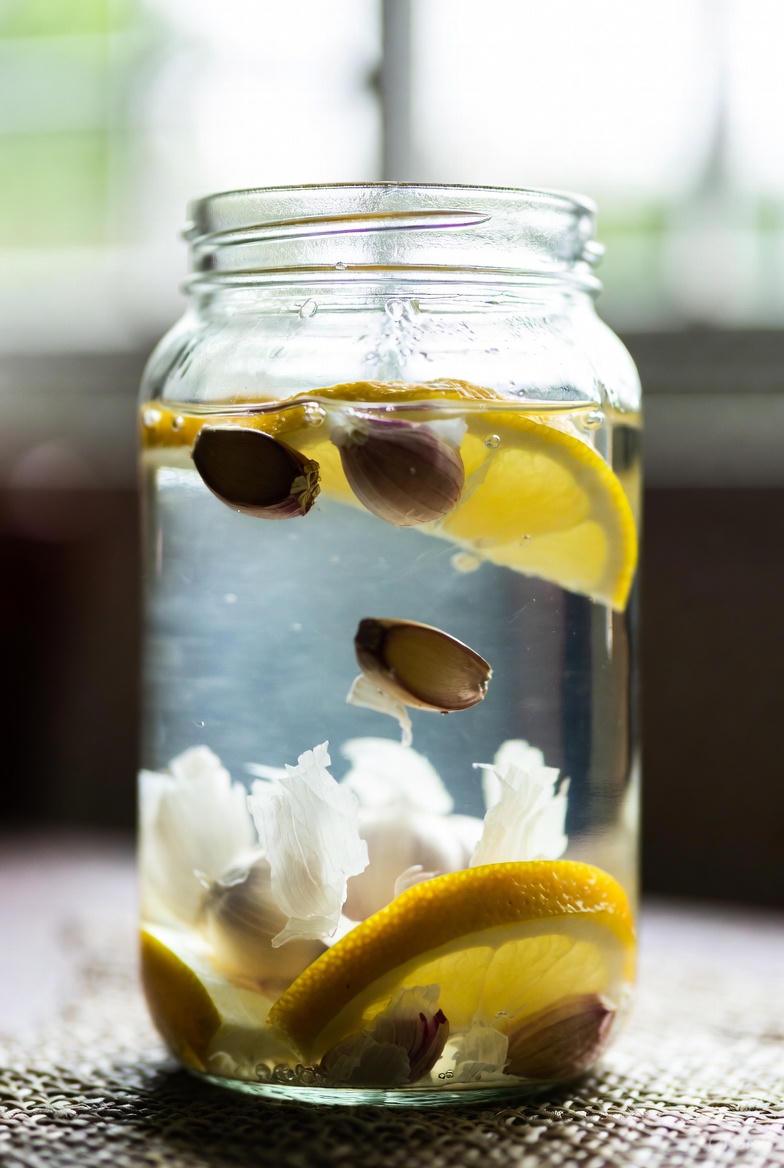
Step-by-Step Guide to Making Garlic-Lemon Water
- Take 2-3 fresh garlic cloves and crush them lightly to release the compounds.
- Slice one organic lemon (including the peel for extra flavonoids if washed well).
- Add the garlic and lemon to a jar with 2-3 cups of warm (not boiling) water.
- Let it steep for 10-15 minutes, then strain if desired.
- Sip it warm once a day, perhaps in the morning.
This method allows the water-soluble nutrients to infuse gently. Many find it refreshing and a nice addition to their routine.
Pro tip: Start with smaller amounts to see how your body responds, as garlic can be potent.
Other Ways to Add Garlic and Lemon to Your Diet
Variety keeps things interesting—and helps you get consistent benefits.
- Add minced garlic to salads, soups, or stir-fries.
- Squeeze fresh lemon over fish, veggies, or into herbal teas.
- Try roasted garlic for a milder flavor in meals.
- Use lemon zest in dressings or baked goods.
Quick Recipe Ideas
- Garlic-lemon roasted vegetables: Toss broccoli or carrots with olive oil, minced garlic, and lemon juice before roasting.
- Refreshing lemon-garlic dressing: Mix lemon juice, crushed garlic, olive oil, and herbs for salads.
These small additions can make a big difference over time.
What Science Says Overall
While no single food is a magic solution, studies point to promising roles:
- Garlic’s antioxidants may help in models of diabetic eye changes (PMC studies).
- Vitamin C from lemons supports general antioxidant defenses (linked to eye vessel health).
Experts emphasize a diet rich in fruits, vegetables, and whole foods for best results.
Tips to Support Your Eyes Daily
Beyond garlic and lemon, these habits can help:
- Eat a rainbow of fruits and veggies for diverse nutrients.
- Stay hydrated—water is essential for eye moisture.
- Take screen breaks using the 20-20-20 rule.
- Protect eyes from UV with sunglasses.
- Get regular eye check-ups.
Combining these with nutrient-rich foods creates a strong foundation.
Frequently Asked Questions
Is garlic-lemon water safe for everyone?
Most people tolerate it well in moderation, but if you have acid reflux or take blood-thinning medications, consult your doctor first.
How long until I notice any differences?
Eye health support from diet is gradual—think months of consistent habits rather than days.
Can this replace eye treatments?
No, it’s a complementary approach. Always follow professional advice for any eye concerns.
Final Thoughts
Incorporating garlic and lemon into your daily routine is a simple, natural way to explore potential support for eye health. Backed by interesting research on their antioxidants and nutrients, they fit nicely into a wholesome lifestyle.
Remember, small consistent changes add up. Your eyes work hard for you—why not give them some extra nourishment?
Disclaimer: This article is for informational purposes only and is not intended to diagnose, treat, or prevent any eye conditions. Always consult with a healthcare professional or eye specialist before making changes to your diet or routine, especially if you have existing health concerns.