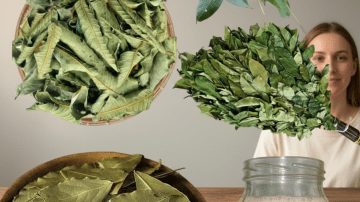
Dry, itchy, or tired eyes have become part of daily life for many of us. Long hours in front of screens, dust, seasonal allergies, or simply getting older can leave the delicate skin around the eyes feeling irritated and uncomfortable. The constant rubbing, the redness that just won’t fade, and that nagging heaviness can make even simple tasks feel exhausting. What if something as common as the leaves from a guava tree — the same fruit you probably see at the market — could offer gentle, natural support? Keep reading, because there’s one traditional method that’s surprisingly simple and backed by some interesting science.
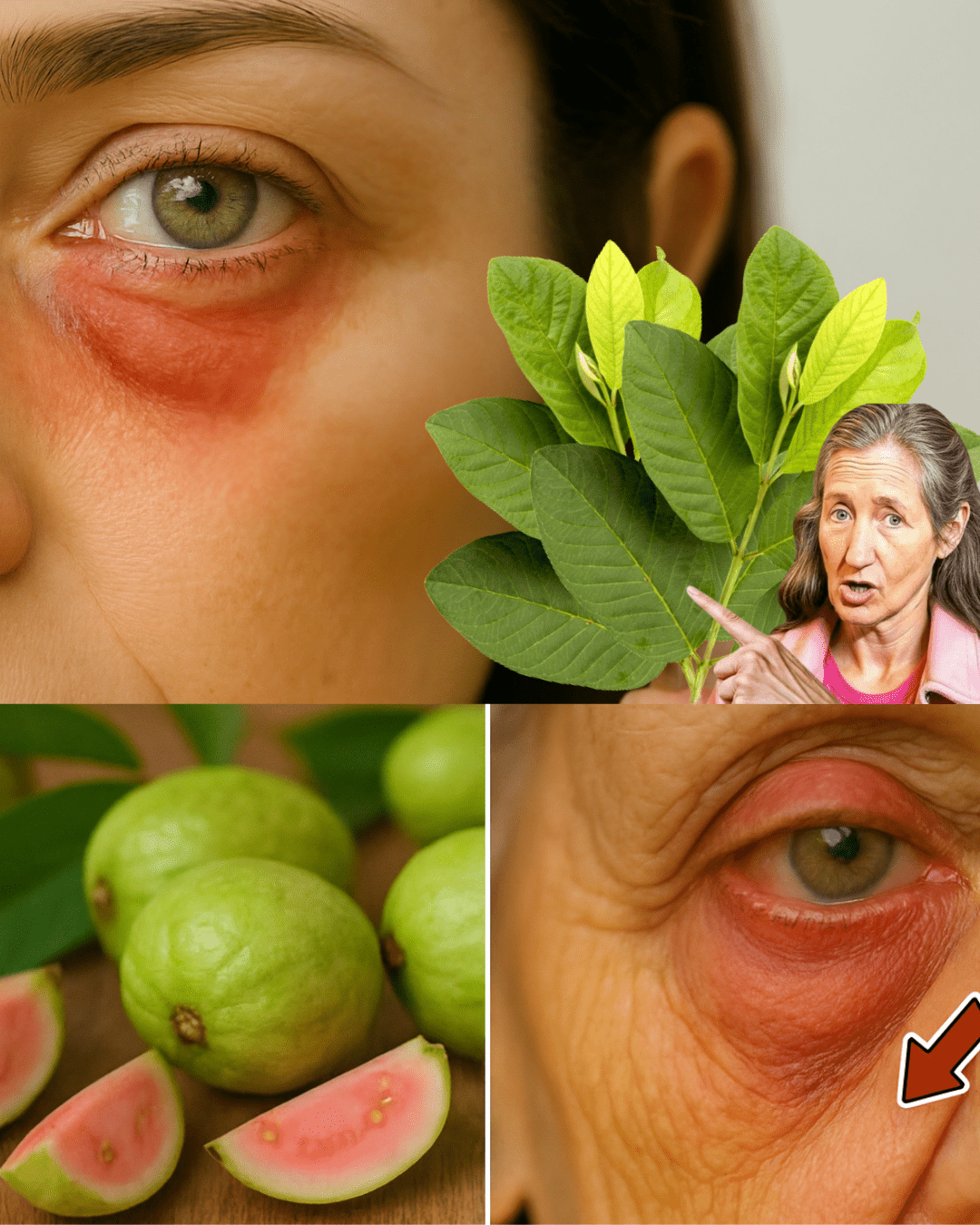
Why Guava Leaves Have Caught Attention for Eye Comfort
Guava leaves (Psidium guajava) have been used for centuries in tropical countries as a home remedy for various minor discomforts. Modern studies have started to explore why: they’re naturally rich in flavonoids, quercetin, and other plant compounds with antioxidant and anti-inflammatory properties.
Research published in the Journal of Ethnopharmacology and the Asian Pacific Journal of Tropical Medicine highlights that guava leaf extracts can help calm inflammation and fight oxidative stress — two factors often linked to everyday eye irritation. While these studies are mostly lab-based or on animals, they give a scientific reason why so many people swear by this old-fashioned trick.
The Traditional Guava Leaf Eye Compress — Step by Step
This is the method grandmothers in Southeast Asia, Latin America, and India have used for generations. It’s gentle, costs almost nothing, and takes less than 15 minutes.
Here’s exactly how to do it safely at home:
- Pick or buy fresh leaves – Choose 8–10 young, healthy green guava leaves (avoid any with spots or pesticide residue). If fresh ones aren’t available, organic dried leaves work too.
- Wash thoroughly – Rinse under running water to remove dust and any tiny insects.
- Boil gently – Place the leaves in 2 cups of clean water. Bring to a boil, then lower the heat and simmer for 10 minutes. The water will turn light brownish-green.
- Cool completely – Let it reach room temperature. Never use hot liquid near the eyes.
- Strain and soak – Pour the liquid into a clean bowl. Soak two cotton pads or a soft clean cloth.
- Relax and apply – Lie down, close your eyes, and place the soaked pads over your closed eyelids for 10–15 minutes. Breathe deeply — it’s a mini moment of self-care.
- Rinse gently – Remove the pads and splash your face with cool water. Pat dry.
Do this once or twice a day when your eyes feel tired or irritated. Many people notice the area feels cooler and less puffy afterward.

Extra Ways People Use Guava Leaves Around the Eyes
Besides the classic compress, here are two other popular variations:
- Cold guava leaf tea bags – After brewing, chill the used leaves in the fridge inside a clean ziplock bag. Place the cooled leaves directly over closed eyes for an extra soothing effect.
- Diluted guava leaf rinse – Some gently rinse the outer corners of the eyes with well-strained, cooled tea using a clean eye cup (the same kind used for regular eye washes). Always use fresh preparation and never share the cup.
Science-Backed Compounds in Guava Leaves That Matter for Eye Comfort
| Compound | What Research Says It May Do | Found In |
|---|---|---|
| Quercetin | Strong antioxidant, helps calm inflammation | High |
| Gallic acid | Supports skin barrier around the eyes | Moderate |
| Vitamin C | Brightens tired-looking under-eye area | High |
| Beta-carotene | Protects against oxidative stress | Present |
(Source: Various studies in Pharmacognosy Review and Oxidative Medicine and Cellular Longevity)
Safety First — Important Tips to Remember
- Always use cooled liquid only — hot compresses can cause burns.
- Do a patch test on your inner arm first if you have sensitive skin.
- Never put guava leaf tea directly into the eye without proper sterile preparation.
- If you wear contact lenses, remove them before any compress.
- Stop immediately if you feel stinging or increased redness.
Who Might Notice the Most Difference?
People often report the best results when dealing with:
- Tired eyes after long screen time
- Mild seasonal irritation
- Slight puffiness in the morning
- That “gritty” feeling from air conditioning or dry environments
It’s a comforting ritual more than anything else — like giving your eyes a cool tropical hug.

The Bottom Line
Guava leaves won’t replace a trip to the eye doctor, but this gentle traditional compress is an easy, natural way many people find relief from everyday eye discomfort. Next time you see guava fruit at the store, grab a few extra leaves (or ask the vendor — they’re usually free!). Fifteen minutes of relaxation with a simple homemade compress might just become your new favorite wind-down routine.
FAQ
1. How long does it take to feel results from guava leaf compresses? Most people feel a cooling, soothing sensation right away. For noticeable comfort with regular use, give it 3–5 days of once-daily application.
2. Can I store guava leaf tea for later use? It’s best to make it fresh each time. If you must store it, keep it in the fridge for no more than 24 hours in a clean covered container.
3. Are guava leaves safe during pregnancy? External use as a cool compress is generally considered safe, but always check with your healthcare provider first.
Disclaimer: This article is for informational purposes only and is not medical advice. Home remedies are not a substitute for professional medical care. If you have persistent eye redness, pain, vision changes, or any concerning symptoms, please consult an eye doctor immediately.