As we age, many people notice their skin becoming drier, less elastic, and more prone to visible lines, especially after 45. These changes can feel frustrating because everyday moisturizers sometimes fall short, leaving skin feeling tight or dull despite regular care. The good news is that some simple, kitchen-based ingredients may offer gentle support for hydration and overall skin comfort.
And there’s one unexpected combination that’s been gaining quiet attention for its soothing potential – keep reading to discover what makes it worth trying.
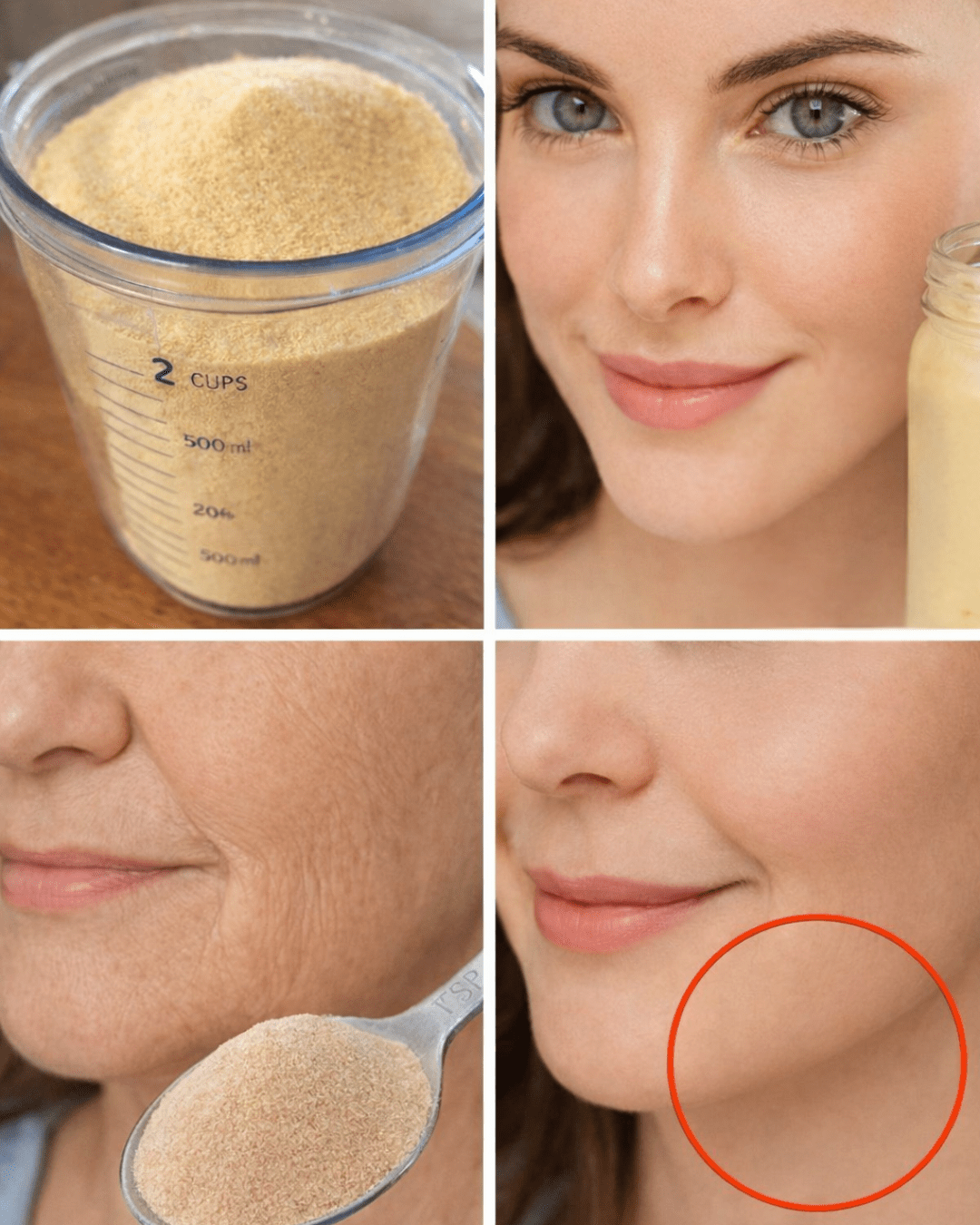
Why Skin Changes Become More Noticeable After 45
Skin naturally produces less collagen and oil as we get older. Environmental factors like sun exposure and daily habits can speed up this process. Over time, the skin’s barrier may weaken, making dryness and texture changes more apparent.
Many people describe feeling surprised by how quickly these shifts happen. It’s completely normal, and exploring gentle ways to support skin health can make a meaningful difference in daily comfort.
But that’s not all – certain natural ingredients have properties that align well with these common concerns.
What Yogurt Brings to Skincare Routines
Plain yogurt is rich in lactic acid, a mild alpha-hydroxy acid (AHA) found naturally in dairy. Research shows lactic acid can help gently smooth the skin’s surface by supporting natural exfoliation.
Yogurt also contains fats and proteins that provide immediate hydration. When applied topically, it creates a cooling sensation that many find soothing, especially on dry or sensitive areas.
Studies published in journals like the International Journal of Dermatology note that lactic acid may improve skin hydration and texture with regular use.
This makes yogurt a popular choice for at-home masks, particularly for mature skin looking for gentle moisture support.
The Interesting Properties of Baker’s Yeast
Baker’s yeast (Saccharomyces cerevisiae) contains B vitamins, amino acids, and beta-glucans – compounds that have been studied for their skin-supporting benefits.
Research in the Journal of Cosmetic Dermatology suggests beta-glucans may help strengthen the skin’s moisture barrier and promote a healthier appearance.
Yeast also has mild antioxidant properties, which can support skin against daily environmental stress.
While it’s best known in baking, its nutritional profile makes it an intriguing addition to simple skincare rituals.
Here’s where things get interesting…
How Yeast and Yogurt Work Together
When combined, yogurt’s hydrating and gently exfoliating properties pair nicely with yeast’s barrier-supporting compounds.
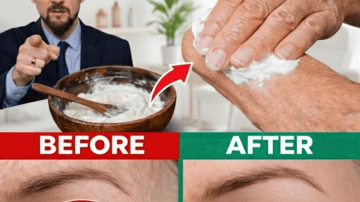
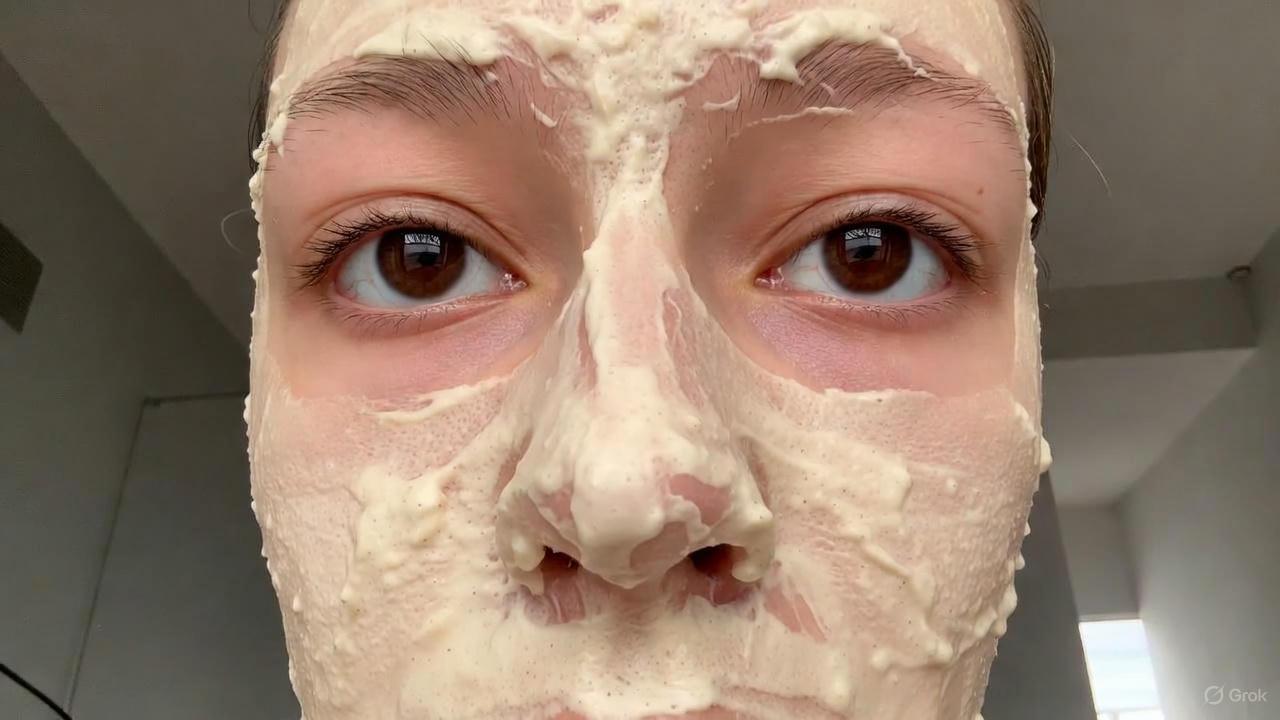
The mixture creates a creamy mask that feels cooling on application and leaves skin feeling softer after rinsing.
Many people report a subtle plumping effect from the moisture, helping skin look temporarily smoother and more refreshed.
But the real appeal? It’s a low-cost, natural ritual that encourages consistent self-care.
Potential Benefits People Notice
Here are some commonly reported improvements from regular use:
- Enhanced hydration and softer feel immediately after rinsing
- Gentler removal of dry, flaky patches
- Subtle improvement in overall skin texture over weeks
- Temporary brighter appearance from better moisture retention
- Calmer sensation, especially helpful for sensitive mature skin
- A relaxing at-home ritual that promotes mindfulness
Remember, results vary by individual, and consistency matters more than occasional use.
Simple Comparison: Yeast vs. Yogurt
| Ingredient | Key Components | Main Potential Support |
|---|---|---|
| Plain Yogurt | Lactic acid, fats, proteins | Hydration, gentle surface smoothing |
| Baker’s Yeast | Beta-glucans, B vitamins | Barrier support, texture improvement |
| Combined | All of the above | Balanced moisture and soothing effect |
This table shows how each ingredient complements the other in a homemade mask.
Step-by-Step Guide to Making and Using the Mask Safely
Ready to try it? Here’s an easy method:
- Take 1 teaspoon of active dry baker’s yeast.
- Mix with 2–3 tablespoons warm (not hot) water until it becomes foamy (about 5–10 minutes).
- Stir in 2 tablespoons plain, unsweetened yogurt (full-fat works best for hydration).
- Cleanse your face gently first.
- Apply a thin, even layer to face and neck, avoiding the eye area.
- Relax for 10–15 minutes while it dries slightly.
- Rinse thoroughly with lukewarm water.
- Pat dry and follow with your usual moisturizer.
Start with once a week to see how your skin responds. Always do a patch test on your inner arm 24 hours before full use.
Tips for Best Results and Safety
- Use fresh, plain yogurt without added sugar or flavors.
- Store any leftover mixture in the fridge and use within 24 hours.
- Avoid if you have a known dairy or yeast allergy.
- Never apply on broken or irritated skin.
- Combine with daily sun protection and healthy hydration habits for overall support.
Consistency over weeks tends to show the most noticeable comfort improvements.
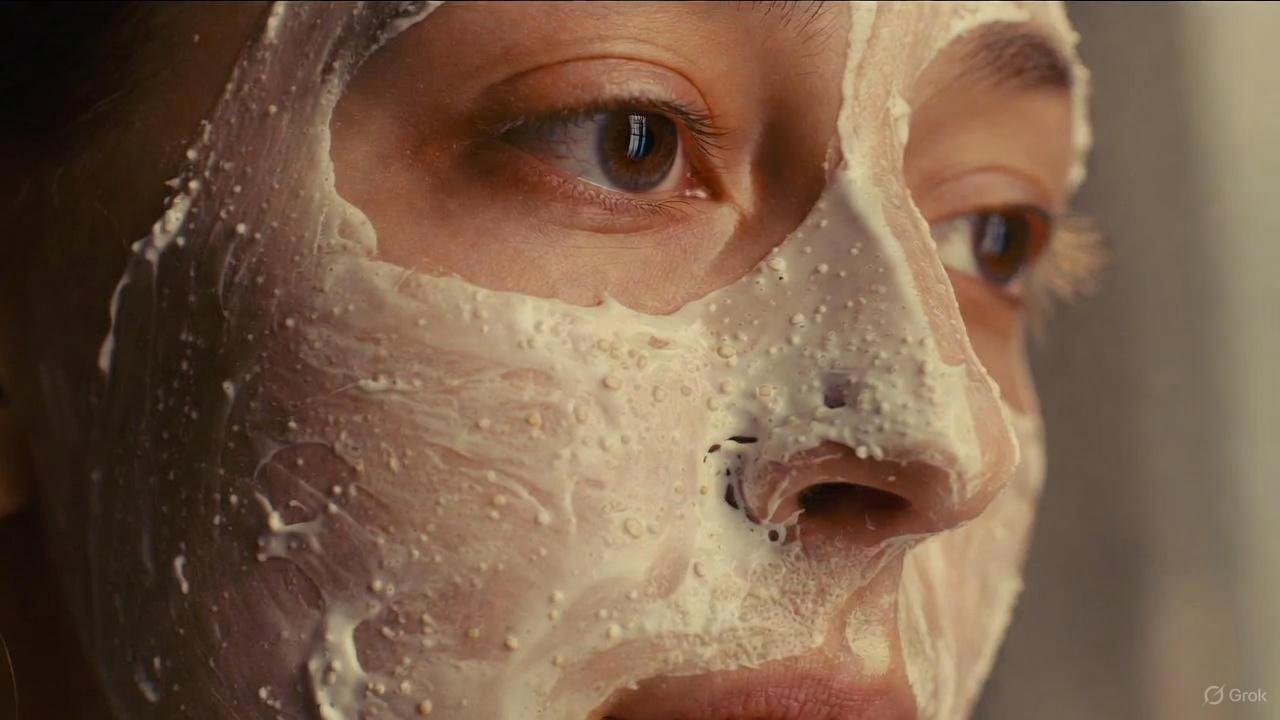
Why Self-Care Rituals Matter for Skin Appearance
Beyond ingredients, the act of taking time for yourself can reduce stress – and lower stress levels are linked to healthier-looking skin in multiple studies.
Creating a calming evening routine with a simple mask can become a cherished habit that boosts confidence and well-being.
Many people find that feeling good on the inside reflects positively on their skin’s appearance.
Wrapping It Up: Gentle Support Starts at Home
Yeast and yogurt offer an accessible way to add extra hydration and soothing care to your routine. While they won’t replace medical treatments or professional skincare, they can complement daily habits with gentle, natural support.
Focus on consistency, listen to your skin, and enjoy the process of self-care.
Frequently Asked Questions
Is it safe to use yeast and yogurt on my face every day?
Most people do best with 1–2 times per week. Daily use might be too much for some skin types, so start slowly and observe how your skin feels.
How long until I notice any difference?
Many report softer, more hydrated skin right after the first use. Subtler texture improvements often appear after 2–4 weeks of consistent weekly application.
Can men use this mask too?
Absolutely – the hydrating and soothing benefits work well for all genders, especially for mature skin needing extra moisture support.
This article is for informational purposes only and is not medical advice. Always consult a dermatologist or healthcare professional for personalized skincare guidance, especially if you have skin conditions or concerns. Patch testing new ingredients is recommended.