
Many people struggle with thinning hair, slow growth, or a dry, irritated scalp after years of using harsh products, heat styling, and environmental stress. These issues can make hair feel weak, lifeless, and harder to manage, leading to frustration when looking in the mirror every day. Traditional remedies from various cultures have long turned to natural plants for gentle support, and papaya leaves have gained attention in home hair care routines for their rich nutrient profile.
But here’s the intriguing part: while scientific research is still emerging, some preliminary studies and traditional practices suggest papaya leaves may offer supportive benefits for scalp and hair wellness. Keep reading to discover how people use them, what the evidence hints at, and a simple way to try this at home.
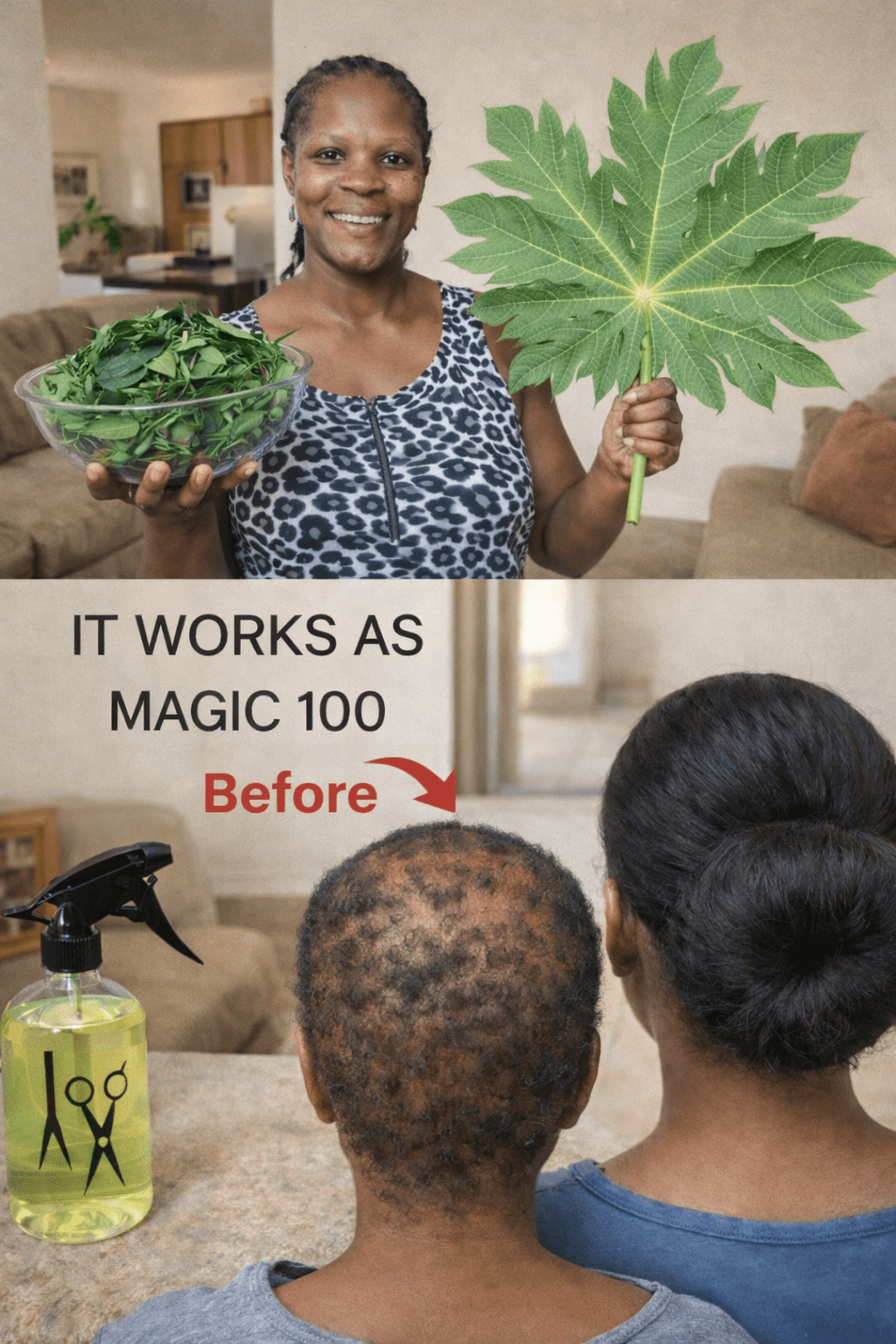
What Makes Papaya Leaves Interesting for Hair Care?
Papaya leaves (from the Carica papaya plant) are packed with natural compounds that have drawn interest in wellness circles. They contain enzymes like papain, along with antioxidants such as flavonoids and vitamin E, plus minerals that contribute to overall plant-based nourishment.
But that’s not all… These elements are often linked in traditional use to promoting a healthier scalp environment, which many believe creates better conditions for natural hair strength and vitality.
Studies in test tubes and animals have explored related properties, such as antioxidant effects that may help reduce oxidative stress (a factor sometimes associated with hair concerns). Some research on related papaya preparations has even shown potential in supporting hair density in controlled settings, though more human studies are needed to confirm these observations.
Potential Ways Papaya Leaves May Support Scalp and Hair Health
Traditional users often apply papaya leaf preparations topically, reporting benefits like a cleaner-feeling scalp and softer strands. Here’s why this natural option appeals to so many:
- Antioxidant Support — Compounds like flavonoids and vitamin E may help combat everyday oxidative stress, which some experts link to general hair vitality.
- Gentle Cleansing Action — The natural enzymes could assist in removing buildup without stripping natural oils, leaving the scalp refreshed.
- Scalp Comfort — Test-tube findings suggest antifungal properties, which people use in hopes of maintaining a balanced scalp (though specific human evidence for dandruff relief remains limited).
- Nutrient Boost — Vitamins and minerals in the leaves provide nourishment that may contribute to stronger, more resilient hair over time.
Here’s a quick comparison of common natural ingredients people pair with papaya leaves for hair routines:
- Papaya leaves alone: Focus on enzyme-based cleansing and antioxidant support.
- With coconut oil: Adds deep moisture for dry or damaged strands.
- With yogurt or honey: Creates a soothing mask for extra hydration and scalp comfort.
- As a rinse: Simple, lightweight option for regular use without heaviness.
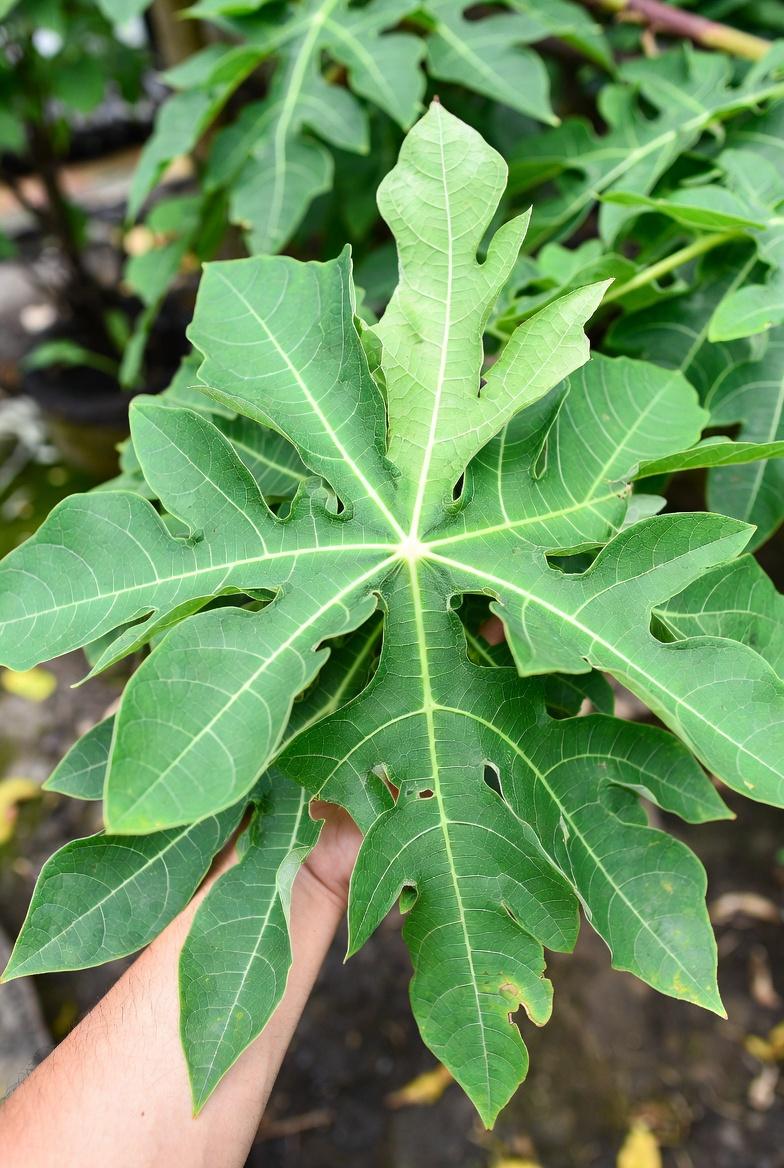
How to Make a Simple Papaya Leaf Hair Rinse at Home
If you’re curious about incorporating papaya leaves into your routine, a basic rinse is one of the easiest and most popular methods. This approach uses fresh or dried leaves for a gentle, natural infusion.
Ingredients you’ll need:
- 10-15 fresh young papaya leaves (or 2-3 tablespoons dried)
- 4-5 cups water
- Optional: A few drops of your favorite essential oil for scent (like lavender for calming)
Step-by-step guide:
- Wash the leaves thoroughly under running water to remove any dirt.
- Chop or tear them into smaller pieces to release more compounds.
- Boil the leaves in water for 10-15 minutes, then let the mixture cool completely.
- Strain out the leaves to get a clear liquid infusion.
- After your regular shampoo, pour the cooled rinse over your hair and scalp.
- Massage gently for 2-3 minutes, then rinse with cool water or leave it in for extra nourishment.
- Use 2-3 times a week for consistency.
This method is straightforward and uses everyday kitchen tools. Many people notice softer, more manageable hair after a few weeks, though results vary based on individual hair type and routine.
Here are two visual ideas to help you picture the process:
(Ready for images? Just say “A” and I’ll generate two distinct realistic photos: one showing fresh papaya leaves being prepared for boiling, and another of dried leaves ready for infusion — both in natural, everyday smartphone photography style.)
Important Things to Keep in Mind When Trying Papaya Leaves
Always do a patch test first: Apply a small amount of the rinse to your inner arm and wait 24 hours to check for any reaction.
Start slowly if you have sensitive skin or scalp conditions. While papaya leaves are generally considered gentle in traditional use, everyone’s body responds differently.
Combine with good habits: A balanced diet, gentle handling, and avoiding excessive heat can amplify any supportive routine.
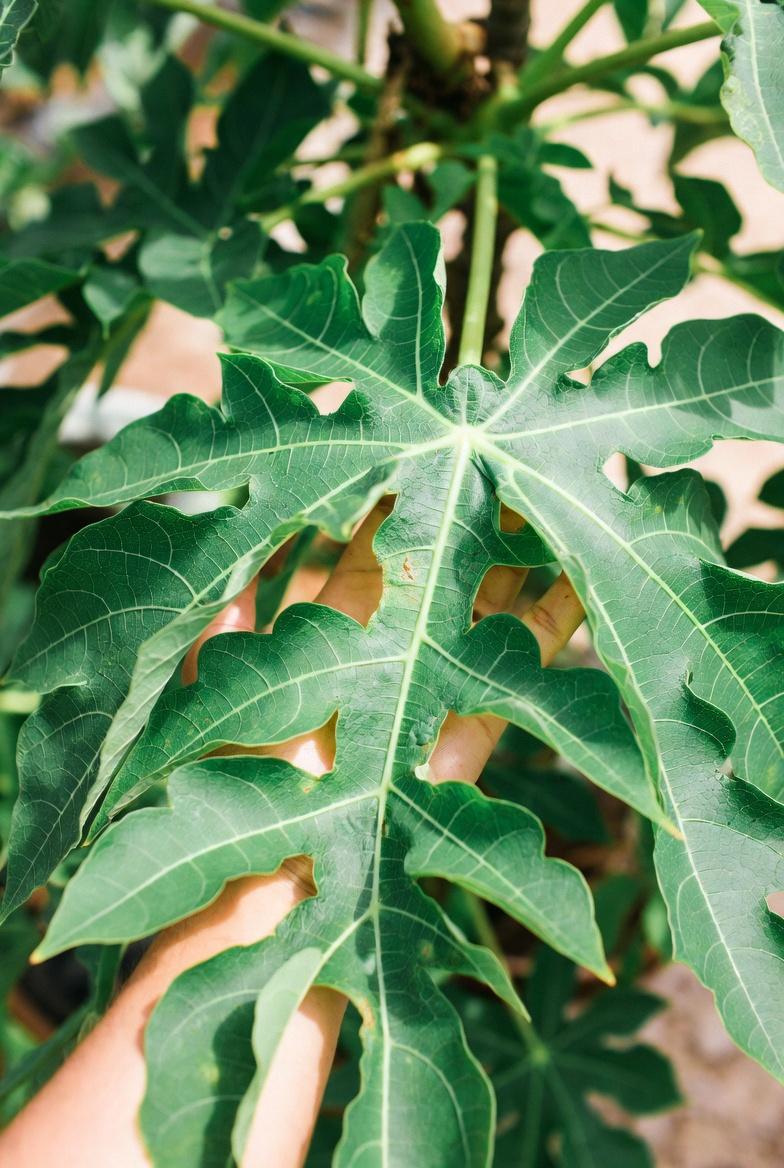
Wrapping It Up: A Natural Option Worth Exploring?
Papaya leaves offer an accessible, plant-based way to add extra care to your hair routine, drawing on traditional wisdom and emerging research into their nutrient-rich profile. While they aren’t a miracle solution, many appreciate the gentle, natural approach for supporting scalp health and overall hair appearance.
If you’re tired of complicated products and want something simple from nature, this could be a refreshing addition to try.
Frequently Asked Questions
How often should I use a papaya leaf rinse for hair?
Most people start with 2-3 times per week. Consistency over 4-8 weeks helps you notice any personal changes, but adjust based on how your hair and scalp feel.
Are there any side effects from using papaya leaves on hair?
They are usually well-tolerated, but some may experience mild irritation. Always patch test, and discontinue if you notice discomfort.
Can I use dried papaya leaves instead of fresh ones?
Yes, dried leaves work well for infusions and are easier to store. They retain many of the same natural compounds when prepared properly.
Disclaimer: This article is for informational purposes only and is not intended as medical advice. The information provided is based on traditional uses and limited available research. Papaya leaves are not proven to diagnose, treat, cure, or prevent any condition. Consult a healthcare professional or dermatologist before trying new remedies, especially if you have allergies, skin conditions, or are pregnant/breastfeeding. Individual results may vary.


