You step into your backyard for a relaxing morning, only to spot small reddish-brown bugs crawling on your patio furniture or near your plant pots. Panic sets in as you wonder if these are bedbugs invading your outdoor space. Online tips quickly suggest sprinkling ordinary table salt to dry them out and send them packing. But this common suggestion often leads to frustration when the bugs persist, while your plants start looking wilted and unhealthy from the salt buildup.
The good news is there are more reliable ways to handle suspicious pests in your garden without risking damage to your soil or greenery. Keep reading to uncover why salt falls short and discover practical, garden-friendly approaches that actually support a healthy outdoor environment.
Are Bedbugs Common Garden Visitors? What You Need to Know
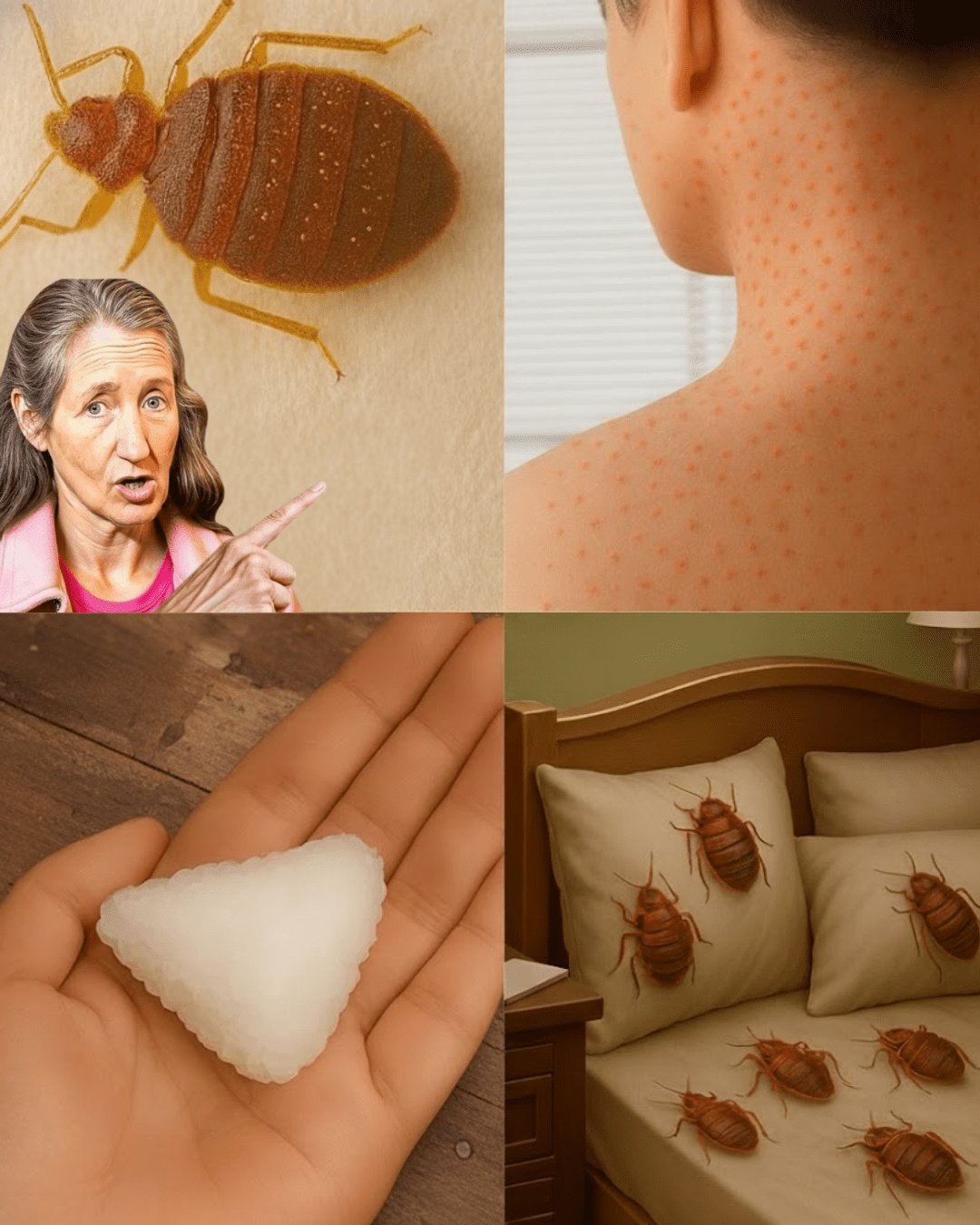
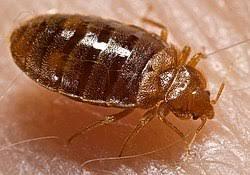
Bedbugs, specifically the species Cimex lectularius, primarily thrive indoors near human hosts. They prefer stable temperatures and easy access to blood meals, which makes outdoor conditions challenging for them.
Extreme temperature fluctuations, direct sunlight, and lack of consistent food sources limit their survival outside. Research shows bedbugs struggle in open garden areas, often dying quickly from exposure.
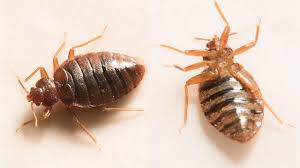
That said, you might spot bugs that resemble bedbugs outdoors, such as:
- Boxelder bugs
- Swallow bugs
- Certain beetles
These look-alikes have similar shapes and colors but different habits. Always identify pests carefully—a close-up photo or comparison to reliable images helps avoid unnecessary steps.
Here’s the interesting part: True bedbugs rarely establish outdoors long-term, but they can hide in sheltered spots like patio cushions or sheds if carried there from indoors.
Why Salt Isn’t an Effective Option for Outdoor Pest Issues
The idea behind using salt stems from its dehydrating effect on soft-bodied pests like slugs. However, bedbugs have a tough, waxy exoskeleton that protects against moisture loss.
Studies and expert reviews confirm no strong evidence that salt significantly impacts bedbug survival. It doesn’t penetrate their shell or act as a reliable barrier.
Bedbugs feed solely on blood, so salt doesn’t attract or affect them internally. Even if scattered generously, eggs hidden in cracks remain unaffected.
But that’s not all—salt can build up in soil, creating challenges for your garden:
- It draws moisture away from plant roots
- Disrupts nutrient balance
- Affects soil microbes that support healthy growth
Over time, excess salt leads to stressed plants with slower development. Garden experts note that sodium accumulation harms soil structure and long-term fertility.
Practical Garden-Safe Approaches to Discourage Outdoor Pests
If you’ve confirmed or suspect bedbug-like pests in outdoor areas, focus on methods that target insects mechanically or through environmental changes. These options work well for sheltered spots like furniture or pots.
1. Diatomaceous Earth: A Natural Mechanical Barrier
Food-grade diatomaceous earth (DE) consists of tiny fossilized algae particles with sharp edges. As pests crawl over it, the powder scratches their outer layer, leading to gradual dehydration.
Research indicates DE can reduce insect populations when applied properly, especially in dry conditions.
How to apply it in your garden:
- Lightly dust around pot bases, furniture legs, and cracks
- Use a mask to avoid inhaling fine particles
- Reapply after rain, as moisture reduces effectiveness
- Stick to food-grade for safety around plants
DE breaks down naturally and doesn’t linger in soil like salts.
2. Heat Exposure: A Simple Non-Chemical Method
Bedbugs and their eggs succumb to temperatures above 120°F (49°C) for sustained periods.
This approach works great for removable outdoor items:
- Seal cushions or fabrics in black plastic bags
- Place in direct sun on hot days for several hours
- Use a handheld steamer on seams and crevices
Monitor temperatures if possible—consistent heat provides the best results.
3. Vinegar-Based Contact Spray for Spot Treatment
Diluted white vinegar’s acidity can affect insects on direct contact.
DIY mixture:
- Equal parts vinegar and water
- Add a drop of dish soap to help it stick
Spray visible pests directly, then wipe surfaces. Rinse plants afterward to avoid leaf issues. Add a few drops of essential oils like lavender for extra scent deterrence.
4. Aromatic Plants as Natural Repellents
Certain herbs release scents that many insects find unappealing.
Effective options to plant or use:
- Lavender
- Mint varieties
- Thyme
- Basil
- Marigolds
Grow them in borders around seating areas or pots. Crush fresh leaves and scatter near vulnerable spots for a quick boost.
5. Regular Maintenance Habits for a Welcoming Garden
Prevention starts with reducing hiding spots.
Key steps:
- Vacuum outdoor cushions and furniture regularly
- Hose down surfaces with soapy water
- Inspect under pots and in mulch weekly
- Seal cracks in structures
- Remove clutter like piled debris
Consistent checks catch issues early, making management easier.
How Pest Biology Influences Outdoor Management
Understanding lifecycle helps target efforts. Females lay hundreds of eggs over time, hatching in days under ideal conditions.
Outdoors, survival drops due to variables, but sheltered areas extend it slightly. Focus on adults, young stages, and eggs for thorough results.
Combine methods—like barriers with cleanliness—for better coverage.
Why Choosing Gentle Methods Benefits Your Entire Yard
Avoiding soil-disrupting options preserves ecosystem balance.
Excess salts can wash into waterways, affecting wider areas. Gentle approaches maintain beneficial insects, microbes, and plant vigor.
Your garden thrives when supported, not stressed.
Wrapping It Up: Reliable Tips for a Pest-Free Outdoor Space
Salt sounds simple but lacks backing for bedbug-like pests and risks garden health. Instead, lean on proven, nature-aligned ideas:
- Diatomaceous earth dusting
- Targeted heat exposure
- Vinegar spot sprays
- Repellent plantings
- Ongoing tidy habits
These keep your backyard enjoyable and balanced. Start small, observe changes, and enjoy the peace of mind.
Frequently Asked Questions
What if I spot bugs that look like bedbugs on my plants?
They’re likely mimics—compare photos closely. True bedbugs rarely feed on plants and prefer indoor hiding.
How long can potential outdoor pests survive without intervention?
Variables like weather play a role, but early action prevents spread. Sheltered spots allow longer lingering.
Are essential oils safe for all garden use?
Dilute properly and test on small areas. Some scents deter insects but may affect pollinators if overused.
Disclaimer: This article provides general information on garden pest management and is not intended as medical or professional pest control advice. Consult a qualified expert for specific situations, especially if health concerns arise from bites or infestations.