
Imagine stepping into your backyard oasis, ready to relax on the patio furniture or tend to your plants, only to spot small reddish-brown bugs crawling around pots, cushions, or soil. That sinking feeling hits—what if these are troublesome pests that could hitch a ride indoors? You’ve probably seen online tips suggesting a quick sprinkle of table salt to handle them. But rushing to try unproven ideas can lead to frustration, as the bugs linger while your plants suffer unexpected stress. The good news? There are reliable, garden-friendly ways to manage these visitors effectively. Keep reading to discover a surprising truth about common misconceptions and practical steps that actually make a difference.
Are These Bugs Actually Common Indoor Pests in Your Garden?
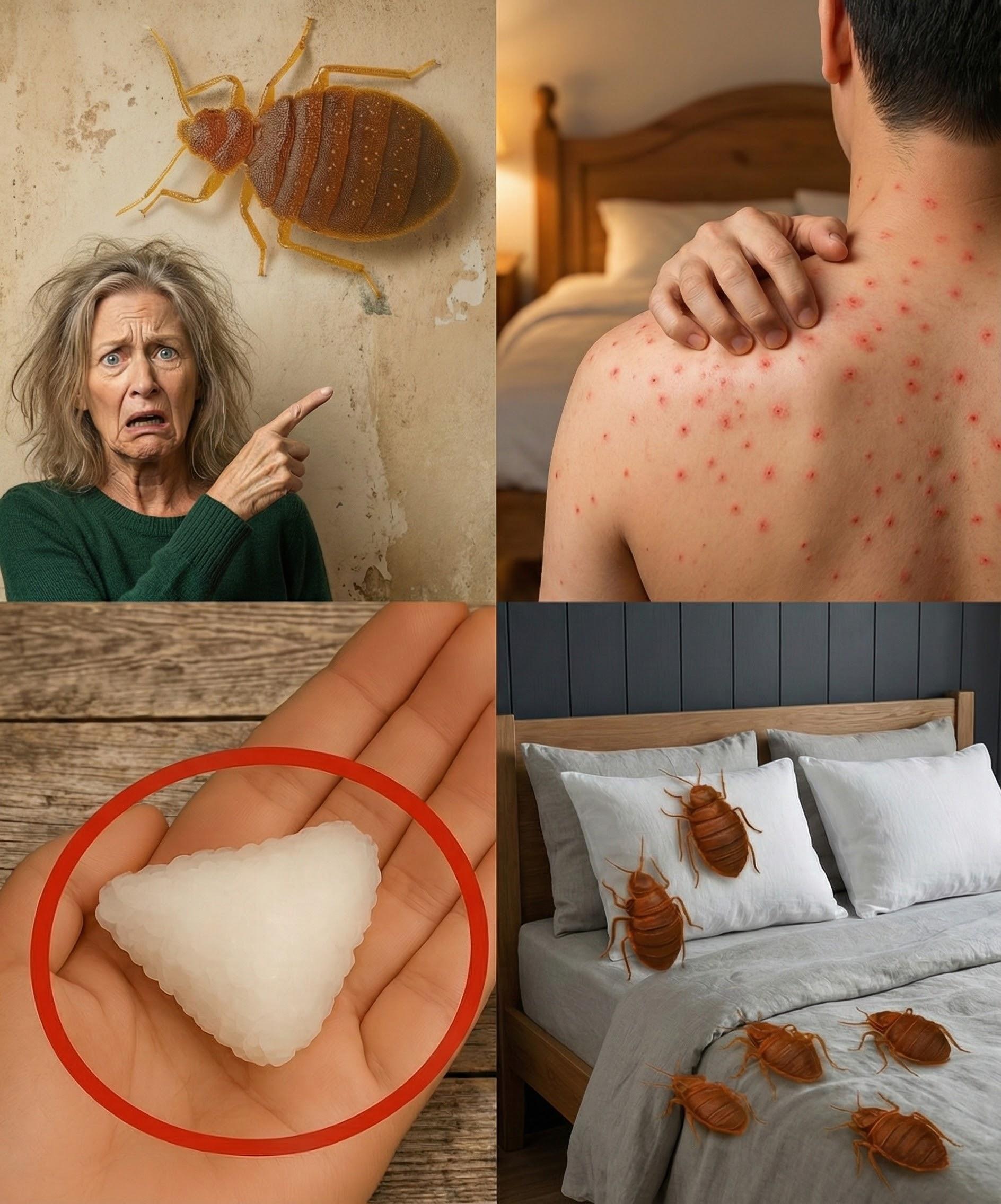
One of the first things to understand is that the typical indoor pest known as bed bugs (Cimex lectularius) rarely thrives outdoors. These insects prefer stable, sheltered environments close to their food source—human blood.
Outdoor conditions can be challenging for them:
Temperature fluctuations make survival difficult
Direct sunlight and weather exposure reduce their numbers
Limited access to hosts in open spaces
Research shows that bed bugs struggle in natural outdoor settings, often surviving only temporarily in protected spots like patio furniture crevices or sheds.
But here’s the catch—many garden bugs resemble them closely. Common look-alikes include:
Boxelder bugs, with their red and black markings
Spider beetles, small and rounded
Carpet beetle larvae, fuzzy and varied in color
Bat bugs or swallow bugs, very similar in shape
These harmless or less concerning insects often appear on plants, soil, or outdoor items. Always take a close-up photo for accurate identification before taking action—it can save your garden from unnecessary steps.
Why Salt Isn’t an Effective Option for Outdoor Bug Control
You’ve likely heard that salt dehydrates certain pests like slugs by drawing out moisture. It’s a popular idea for garden use, but it doesn’t apply here.
Here’s why salt falls short:
The tough, waxy outer layer of many bugs protects against dehydration
These pests don’t ingest salt or rely on it affecting their diet
Eggs hidden in cracks remain unaffected
Studies and expert reviews confirm no reliable evidence that salt impacts bug populations significantly.
More importantly, salt can affect your garden soil:
It may disrupt nutrient balance over time
Excess can lead to moisture issues for roots
Beneficial soil organisms might be impacted
In short, the potential downsides outweigh any limited benefits. There are better ways to maintain a healthy outdoor space.
Practical, Garden-Safe Ways to Manage Outdoor Bugs
If you’ve confirmed bothersome bugs on patio items, pots, or garden structures, focus on non-disruptive methods that support your plants.
1. Diatomaceous Earth: A Natural Powder Barrier
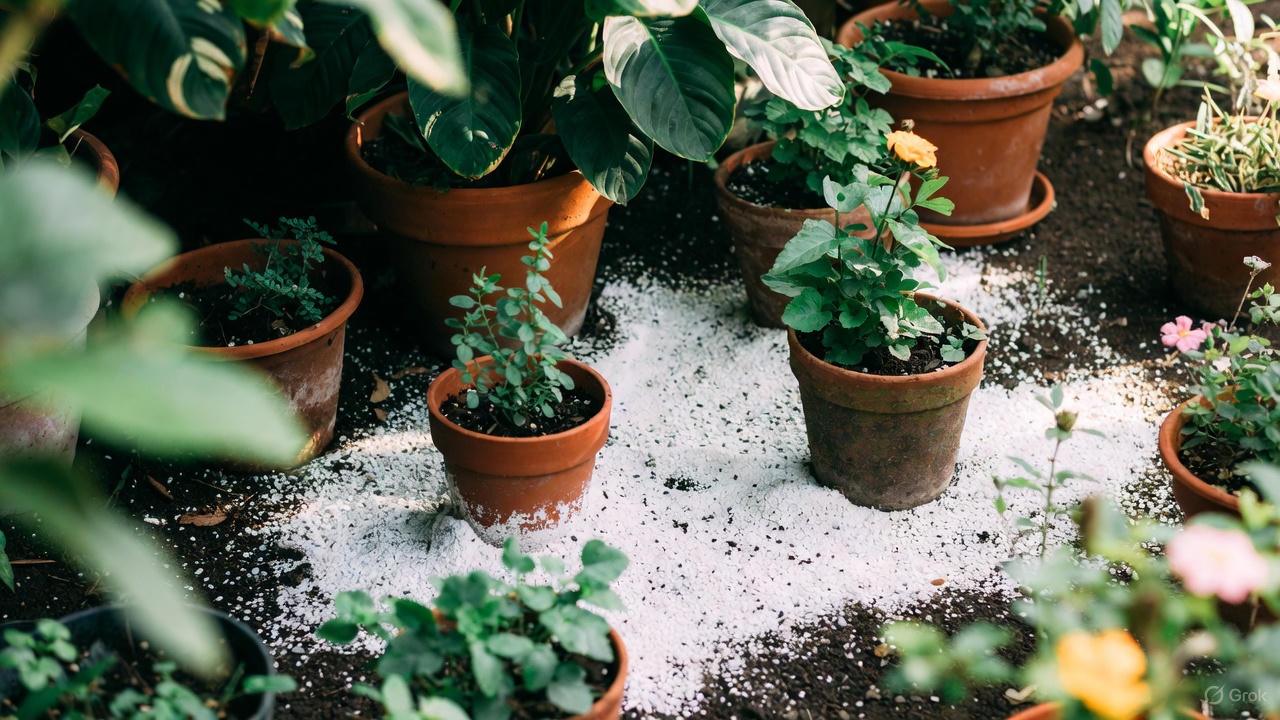
Food-grade diatomaceous earth (DE) is a fine powder from fossilized algae. It’s gentle on plants but effective as a mechanical deterrent.
How to use it outdoors:
Apply a thin layer around pots, furniture bases, and entry points
Keep it dry for best results—reapply after rain
Wear a mask during application to avoid inhaling dust
DE works by scratching insect exteriors, leading to natural dehydration without affecting soil health.
2. Heat Exposure: A Simple, Chemical-Free Approach
Many bugs can’t handle high temperatures.
Easy outdoor tips:
Seal suspect items like cushions in black plastic bags
Place in direct sun on hot days for several hours
Use a handheld steamer on crevices in furniture or structures
Temperatures above 120°F (49°C) can reduce bug activity naturally.
3. Vinegar-Based Spray for Direct Contact
White vinegar’s acidity can deter bugs on contact.
DIY mixture:
Mix equal parts vinegar and water
Add a drop of dish soap for better adhesion
Spray directly on visible bugs, then wipe or rinse surfaces
Test on a small plant area first to avoid leaf sensitivity. Add lavender or tea tree essential oil for extra repellency.
4. Aromatic Plants as Natural Repellents
Certain herbs release scents that bugs tend to avoid.
Great options to plant or use:
Lavender
Mint
Thyme
Basil
Marigolds
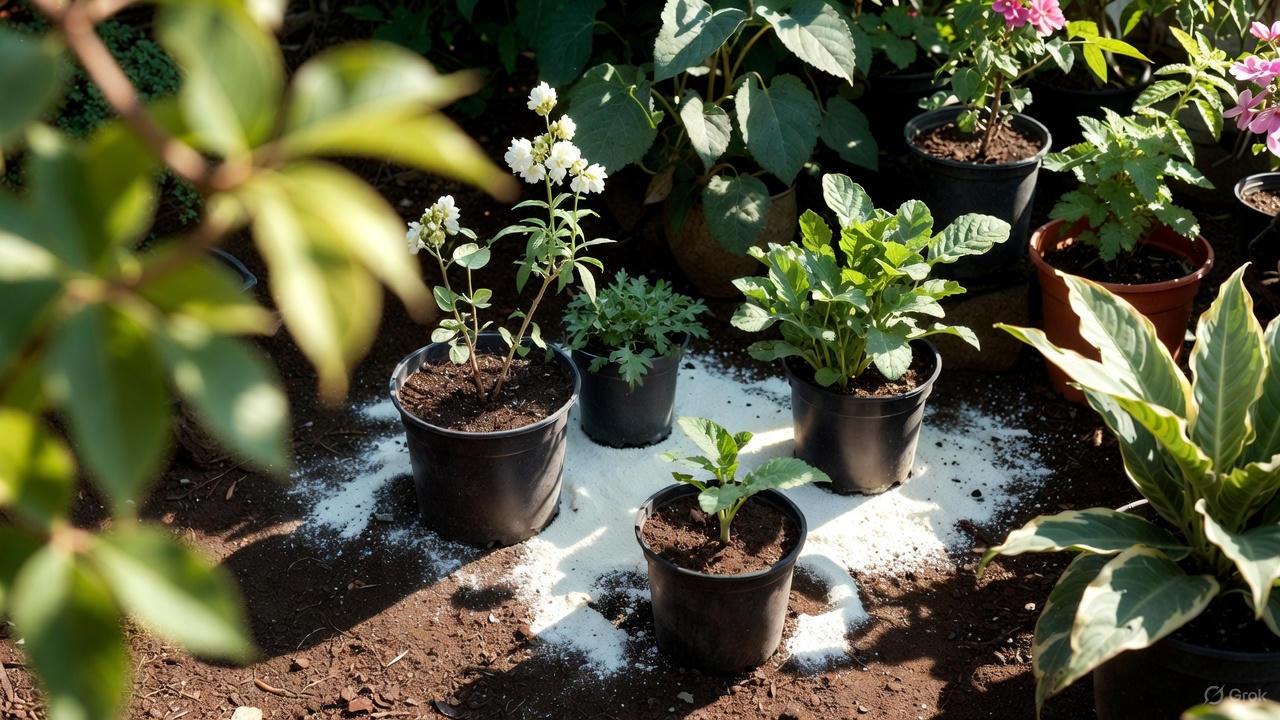
Place potted herbs around seating areas or crush leaves near vulnerable spots. They beautify your garden while providing ongoing deterrence.
5. Regular Maintenance Habits
Prevention starts with good habits:
Vacuum outdoor cushions and furniture regularly
Hose down surfaces with soapy water
Inspect under pots and in mulch weekly
Seal cracks in structures and reduce clutter
These steps make your outdoor space less inviting.
Understanding Bug Behavior in Outdoor Settings
Bugs that resemble indoor pests can appear in gardens due to weather, nearby wildlife, or hitchhiking on items. They seek sheltered spots but often move on naturally.
Focus on monitoring and early action:
Use sticky traps for observation
Maintain healthy plants—they’re more resilient
Combine methods for better results
Why Choosing Gentle Methods Benefits Your Garden Long-Term
Avoiding harsh approaches helps preserve soil vitality, beneficial insects, and overall ecosystem balance. Your plants thrive, and you enjoy a peaceful outdoor haven.
Final Thoughts: Reliable Habits for a Comfortable Outdoor Space
Salt might seem like a simple fix, but evidence points to more effective, plant-friendly options. Stick to proven steps like diatomaceous earth, heat, vinegar sprays, repellent plants, and consistent upkeep for the best outcomes.
Your garden deserves approaches that support its natural beauty.
Frequently Asked Questions
What if I spot small reddish bugs on my patio furniture?
Start with close inspection or photos to identify them. Many are harmless look-alikes. Focus on cleaning and barriers first.
How can I tell if bugs are a concern outdoors?
Look for patterns like hiding in seams or cushions. If they’re active only outdoors and not entering your home, management is often straightforward.
Are essential oils safe for garden use against bugs?
Diluted lavender or tea tree can repel naturally. Use sparingly and test on plants to avoid issues.
Disclaimer: This article provides general information based on available research and is not intended as medical or professional pest control advice. Consult a qualified expert for specific situations involving health or persistent pest concerns.


