
As we get older, many people notice changes in their vision—things like increased dryness, occasional blurriness, or just a general sense of eye fatigue after a long day. These shifts can make everyday activities, from reading to driving at night, feel more challenging and frustrating. The good news? Simple dietary choices, including nutrient-rich foods, may play a supportive role in maintaining comfortable and healthy eyes over time.
In this guide, we’ll explore three common seeds—chia, flax, and sunflower—that provide key nutrients often linked to eye wellness. While no food can prevent or cure eye conditions, research suggests these seeds offer compounds that support overall eye function. Stick around until the end for easy ways to add them to your routine and some surprising tips that could make a real difference.
Why Eye Health Matters More After 50
Many adults over 50 experience gradual changes in eye comfort. Factors like reduced tear production, exposure to screens, and natural oxidative stress from daily life can contribute. Studies show that nutrients such as omega-3 fatty acids and antioxidants help support the structures of the eye, including the retina and tear film.
But here’s the encouraging part: Small, consistent habits—like incorporating nutrient-dense seeds—can complement a balanced lifestyle and regular eye check-ups.
Seed #1: Chia Seeds – A Plant-Based Source of Omega-3s
Chia seeds stand out for their high content of alpha-linolenic acid (ALA), a type of plant-based omega-3 fatty acid. Research indicates that omega-3s may help reduce inflammation and support tear production, which is especially relevant for those dealing with occasional dry eye discomfort.
One study highlighted how omega-3 intake from plant sources like chia can contribute to better eye moisture and comfort in older adults. Chia seeds are also easy to use—no cooking required.
Quick ways to enjoy chia seeds:
- Add 1-2 tablespoons to yogurt or oatmeal
- Make a simple overnight pudding by mixing with milk or plant-based alternative
- Sprinkle on salads for extra texture
But that’s not the full picture—let’s look at the next seed that builds on similar benefits.
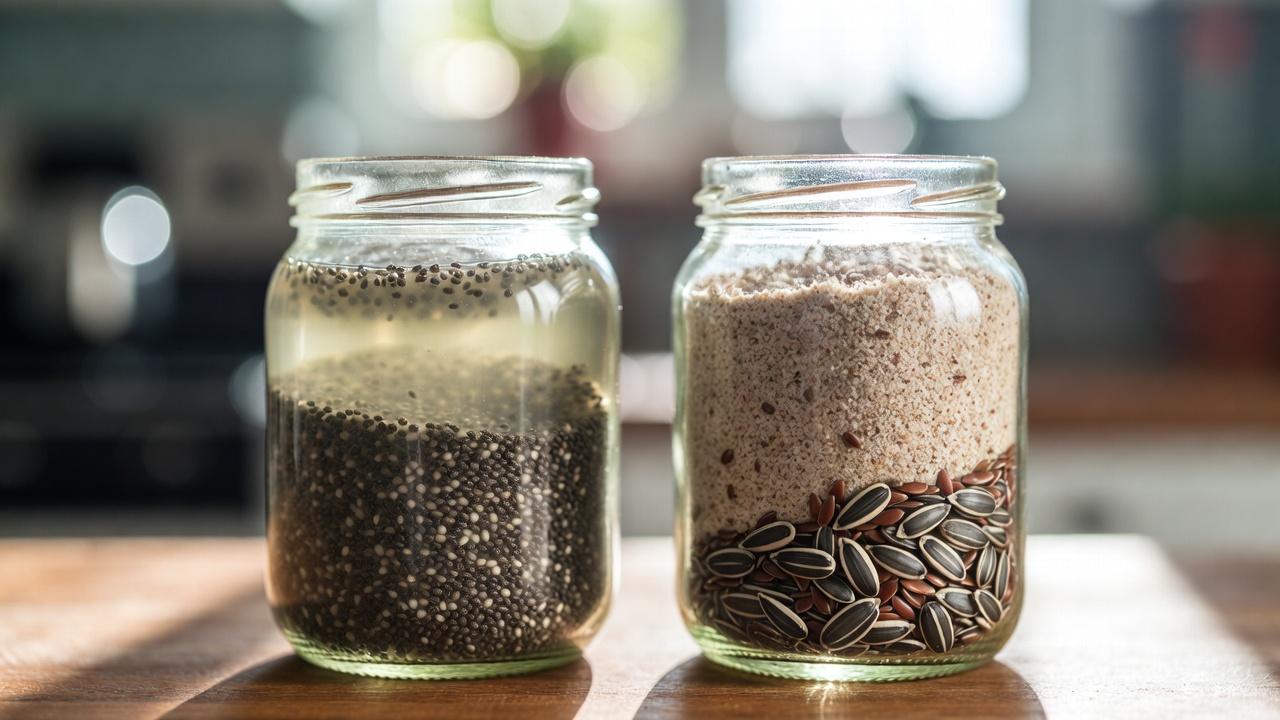
Seed #2: Flax Seeds – Rich in Omega-3s and Protective Compounds
Flax seeds offer even higher amounts of ALA per serving, along with lignans, which act as antioxidants. Evidence from various studies suggests that these nutrients may help support retinal health and reduce oxidative stress over time.
Ground flax seeds are particularly useful because the body absorbs the nutrients more effectively this way. Freshly grinding them at home preserves their potency.
Tips for using flax seeds:
- Grind 1 tablespoon fresh and stir into smoothies
- Mix into baked goods or cereal
- Use as an egg substitute in recipes (1 tbsp ground flax + 3 tbsp water = 1 “egg”)
Now, the third seed brings something complementary to the mix.
Seed #3: Sunflower Seeds – Packed with Vitamin E and Zinc
Sunflower seeds deliver a solid dose of vitamin E, a fat-soluble antioxidant that helps protect cells from oxidative damage. The landmark AREDS studies (sponsored by the National Eye Institute) found that vitamin E, combined with zinc and other nutrients, may help slow the progression of certain age-related eye changes in people at higher risk.
These seeds also provide zinc, which supports normal retinal function. A small handful makes a convenient snack.
Simple serving ideas:
- Enjoy 1/4 cup as a trail mix with dried fruit
- Sprinkle on soups or roasted vegetables
- Add to homemade energy bars
Here’s a quick comparison of how these seeds contribute:
- Chia Seeds — Omega-3s (ALA) for inflammation support and tear health → 1-2 tbsp daily
- Flax Seeds — Higher ALA + lignans for antioxidant benefits → 1 tbsp ground daily
- Sunflower Seeds — Vitamin E + zinc for cellular protection → 1/4 cup daily
Combining them creates a balanced approach, as the nutrients work together to support different aspects of eye wellness.
Easy Daily Habits to Include These Seeds
You don’t need to overhaul your diet. Start small for lasting results.
Sample daily plan:
- Breakfast — Chia pudding or oatmeal topped with chia
- Lunch — Salad with ground flax sprinkled on top
- Snack — Handful of sunflower seeds
- Dinner — Smoothie blending all three for full coverage
For best absorption, soak chia seeds and grind flax fresh. Pair with colorful fruits and veggies for added eye-supportive compounds like lutein.
Consistency matters more than perfection—aim for daily inclusion and pair with other healthy habits like staying hydrated, taking screen breaks, and getting regular eye exams.
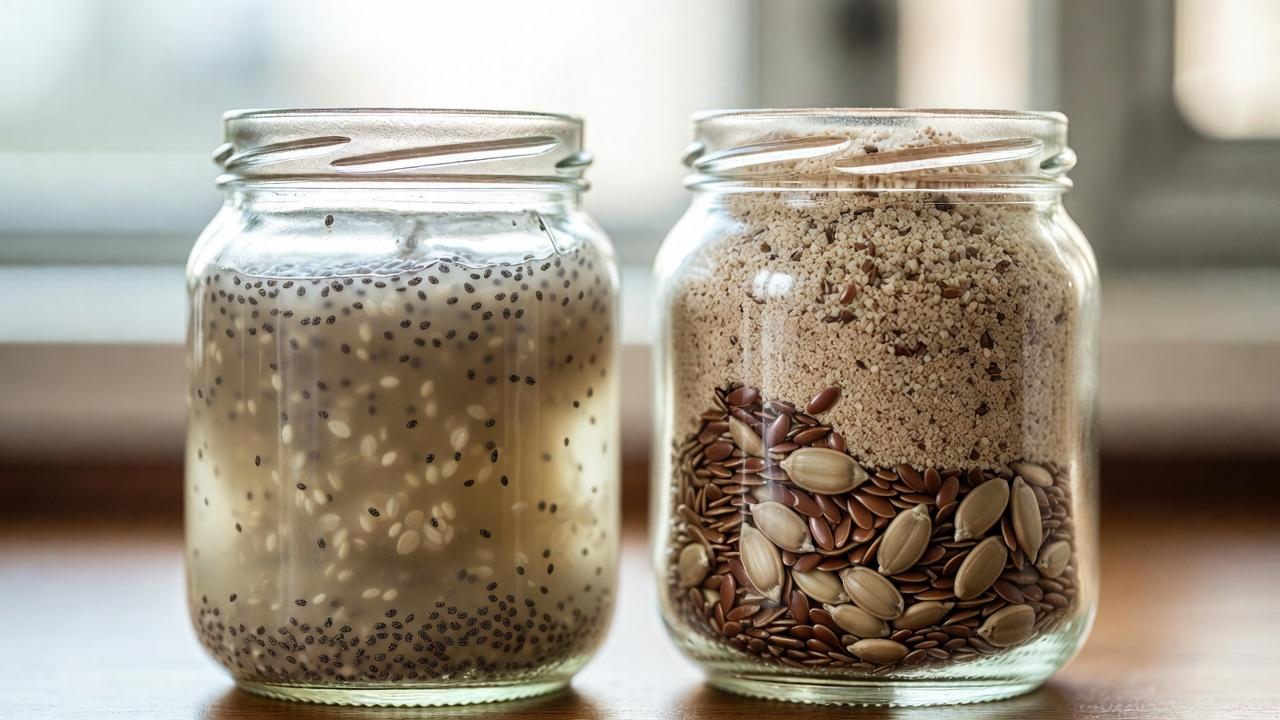
Final Thoughts: Small Changes for Long-Term Support
Incorporating chia, flax, and sunflower seeds offers a simple, natural way to boost intake of nutrients linked to eye health. While results vary and these foods support rather than replace medical care, many people find them a practical addition to their routine.
Try starting with one seed this week and notice how it feels. Your eyes work hard every day—giving them nutrient support is a kind step toward feeling your best.
FAQ
1. How much of these seeds should I eat daily for eye health support? Start with moderate portions: 1-2 tbsp chia, 1 tbsp ground flax, and 1/4 cup sunflower seeds. Adjust based on your overall diet and consult a professional if needed.
2. Are these seeds safe for everyone? Most people tolerate them well, but those with allergies, digestive sensitivities, or on blood-thinning medications should check with a healthcare provider first.
3. Can seeds replace eye supplements or treatments? No—seeds provide food-based nutrients and complement, but do not substitute for prescribed supplements (like AREDS formulas) or professional eye care.
This article is for informational purposes only and is not a substitute for professional medical advice. Always consult your eye doctor or healthcare provider for personalized guidance on eye health.


