
Your body often sends quiet signals long before a serious problem becomes obvious. Many women live busy lives and naturally brush off small changes as stress fatigue or normal hormonal shifts. The challenge is that cervical cancer can begin this way silently and gradually. By the end of this article you will discover a commonly overlooked warning that many women miss and why noticing it early truly matters.

Why Cervical Cancer Awareness Matters More Than Ever
Cervical cancer remains one of the most common health concerns affecting women worldwide. What makes it especially challenging is not how fast it appears but how quietly it can develop. In its early stages there may be no pain and no dramatic symptoms that force immediate attention.
But here is the important part. Research consistently shows that when changes related to cervical cancer are noticed early outcomes are far better. This is not about fear. It is about awareness and informed action.
Women over 30 those with a history of human papillomavirus exposure and those who skip routine screenings tend to face higher risk. Still younger women are not immune. That is why understanding your body signals is essential at every stage of life.
And that brings us to the signs many women overlook.
Understanding Body Signals Versus Everyday Changes
Not every symptom means something serious. Our bodies respond to sleep diet stress and life events in many ways. The key difference lies in patterns and persistence.
Here is the simple rule many health professionals agree on. If something feels unusual for you lasts longer than expected or keeps returning it deserves attention.
Now let us look at the signs one by one.
Unusual Vaginal Discharge That Feels Different Than Normal
Vaginal discharge can change throughout the menstrual cycle. That is completely normal. What raises concern is a discharge that feels unfamiliar and does not go away.
This may include
- A watery texture that seems constant
- A strong or unpleasant odor
- Discharge mixed with blood outside your period
The truth is infections are a common cause. However studies suggest that persistent abnormal discharge can also reflect changes in cervical tissue. That is why it should not be ignored.
But that is not all.
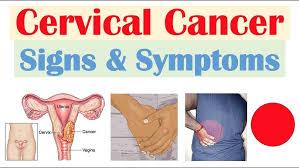
Pelvic or Lower Back Discomfort That Lingers
Many women experience pelvic or lower back discomfort at some point. Menstrual cramps posture and muscle strain are common explanations.
The difference here is duration. Ongoing discomfort in the lower abdomen hips or back that does not improve may signal pressure or irritation in nearby tissues.
Think of it as your body gently tapping your shoulder. It is not shouting yet but it is asking for attention.
Abnormal Vaginal Bleeding Outside Your Usual Pattern
This is one of the most recognized warning signs yet it is often dismissed.
Examples include
- Bleeding between periods
- Bleeding after sexual activity
- Bleeding after menopause
Many women attribute this to hormonal shifts stress or physical activity. While those factors can play a role bleeding that is unusual for you should always be checked.
According to clinical observations abnormal bleeding is one of the earliest noticeable changes in many cervical health conditions.
Discomfort During Intimacy That Is Easy to Ignore
Pain or discomfort during sexual activity is not something many people want to talk about. That silence often delays important conversations.
Changes in cervical tissue can sometimes make intimacy uncomfortable. This does not mean something serious is guaranteed. It does mean your body may be signaling that something has changed.
Here is the key takeaway. Speaking up even when it feels awkward is a form of self care.
Persistent Fatigue That Rest Does Not Fix
Feeling tired now and then is part of modern life. Feeling drained all the time is different.
Ongoing fatigue may be linked to many factors including sleep stress or nutritional gaps. In some cases ongoing blood loss can contribute to low energy levels.
Studies suggest that unexplained fatigue especially when combined with other symptoms should never be brushed aside.
Swelling in One or Both Legs
This sign is less common and often overlooked.
In more advanced situations changes in blood or fluid flow can lead to swelling in the legs. Many people assume it is related to standing for long hours travel or weight changes.
If swelling appears without a clear explanation or is accompanied by other symptoms it is worth mentioning to a healthcare professional.
Loss of Appetite and Unintended Weight Changes
Unplanned weight loss can feel like a bonus at first. But when it happens without effort or explanation it deserves attention.
Changes in appetite or metabolism can occur when the body is under internal stress. While many conditions can cause this unexplained weight changes paired with other symptoms should not be ignored.

The Silent Factor Many Women Miss Persistent HPV Exposure
Here is the part most people do not realize.
Most cervical cancer cases are linked to long lasting exposure to certain types of human papillomavirus. The tricky part is that HPV often causes no noticeable symptoms at all.
This is exactly why routine screening matters so much. Pap testing and HPV testing are designed to detect changes before symptoms ever appear.
This hidden factor is what makes prevention possible.
What You Can Do Today to Protect Your Cervical Health
Awareness alone is powerful but action makes the difference.
Here are practical steps you can take now
Step One Know Your Normal
Pay attention to your usual cycle energy levels and discharge patterns. Write things down if needed.
Step Two Keep Up With Routine Screenings
Regular Pap tests and HPV tests help identify changes early. Guidelines vary by age so follow advice from your healthcare provider.
Step Three Reduce Modifiable Risks
Research shows that certain lifestyle habits support cervical health
- Avoid smoking
- Practice safer intimacy habits
- Maintain balanced nutrition
Step Four Do Not Delay Conversations
If something feels off trust yourself. Early conversations are often simpler and less stressful than waiting.
Why Early Awareness Changes Everything
Here is the hopeful part.
When cervical changes are identified early management options are far less invasive. This means fewer disruptions to daily life and better long term outlook.
Early awareness also reduces emotional and financial stress for individuals and families.
One small action today can create peace of mind tomorrow.
Key Takeaways to Remember
- Cervical cancer often begins quietly
- Persistent unusual symptoms deserve attention
- Regular screening is one of the most effective preventive tools
- Listening to your body is an act of strength not fear
Your body communicates constantly. Learning to listen is one of the most important health skills you can develop.
Frequently Asked Questions
Can cervical cancer cause symptoms early on
In many cases early stages cause no noticeable symptoms. This is why routine screening is so important even when you feel well.
Are younger women at risk
Yes. While risk increases with age younger women can also experience cervical changes especially with persistent HPV exposure.
What should I do if I notice one of these signs
Do not panic. Make note of the change and schedule a conversation with a qualified healthcare professional for guidance.
Final Thoughts
Cervical health is not just about tests and appointments. It is about understanding your body respecting its signals and acting with care.
Even one small step this week such as scheduling a screening or noting changes you have ignored can support your long term wellbeing.
Medical Disclaimer
This article is for educational purposes only and is not intended to replace professional medical advice diagnosis or guidance. Always consult a qualified healthcare provider with any health concerns.


