
Many people over 50 notice subtle changes in their vision: reading labels becomes a bit harder, colors seem less vibrant, and driving at night feels more challenging. These shifts often come with age-related changes in the eyes, like reduced flexibility in the lens or increased sensitivity to light. While it’s common to reach for stronger glasses or eye drops, some are exploring natural options in their daily routine.
What if a simple spice already in many kitchens could offer supportive benefits for eye wellness? Research has looked into saffron, a golden spice known for its unique flavor, and its possible role in maintaining retinal health. Keep reading to learn what studies suggest and how you might incorporate it safely.
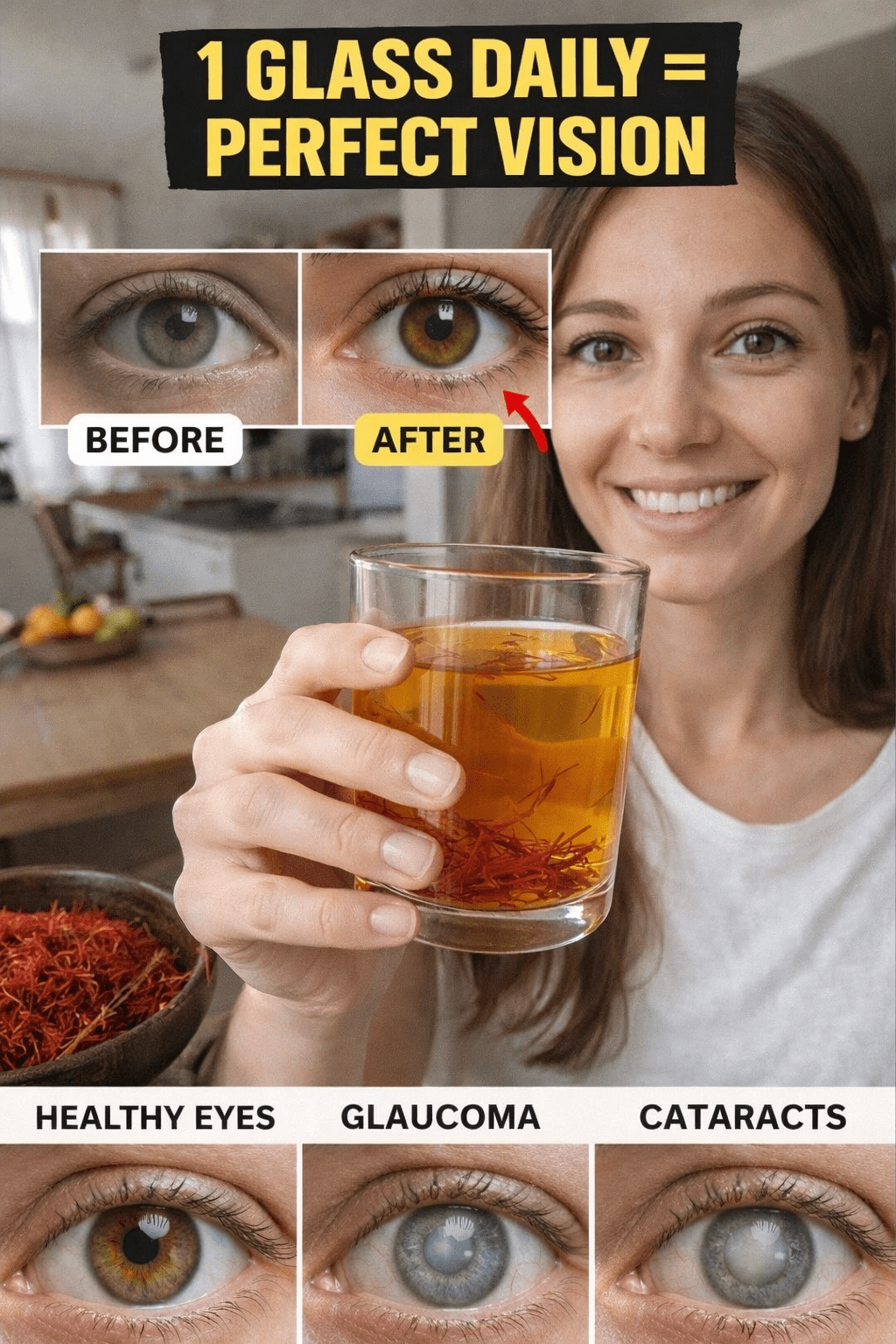
Why Vision Changes Happen with Age
As we get older, the eyes experience natural shifts. The macula, responsible for sharp central vision, can face oxidative stress from free radicals. Blood flow to delicate retinal tissues may slow, and the lens can lose some flexibility, making close-up tasks tougher.
These changes are part of normal aging for many, but supporting overall eye health through diet and lifestyle is a proactive step. Antioxidants play a key role here, helping protect cells from everyday stress.
But here’s the interesting part: Certain nutrients stand out for their ability to reach the retina directly.
The Spice in the Spotlight: Saffron
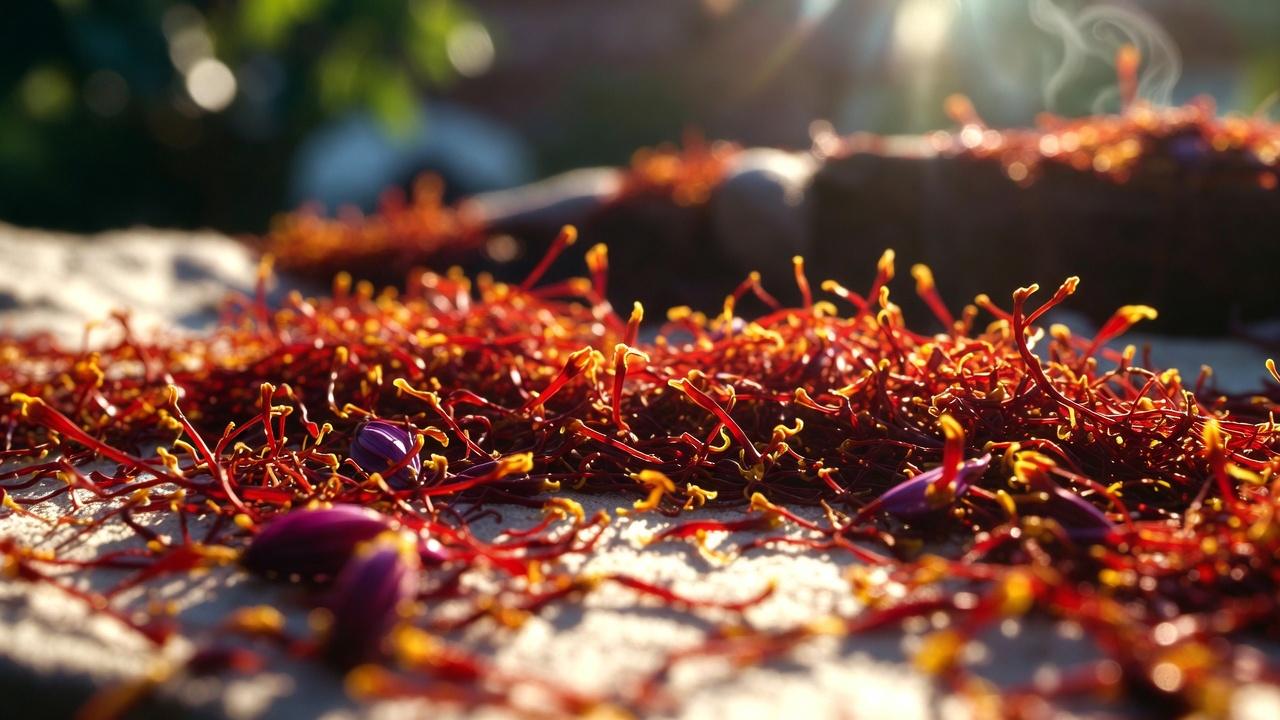
Saffron comes from the delicate stigmas of the Crocus sativus flower, harvested by hand and prized for centuries. Its active compounds, including crocin and crocetin (potent antioxidants), have drawn attention in eye health research.
Studies suggest these compounds may help support retinal function due to their antioxidant properties. For example, research has explored how saffron supplementation might influence visual parameters in people with early age-related macular changes.
Clinical trials, including randomized controlled ones, have examined daily use of saffron (typically 20-30 mg) over several months. Some report modest improvements in measures like visual acuity or retinal response, even alongside standard supplements.
This doesn’t mean saffron replaces professional care, but it highlights why this spice is gaining interest among those focused on long-term eye wellness.
What Research Shows About Saffron and Eye Support
Multiple studies have investigated saffron’s potential:
- In one randomized, placebo-controlled trial with adults over 50 experiencing mild to moderate age-related macular changes, participants taking 20 mg of saffron daily showed modest positive shifts in retinal function measures after 3 months.
- Longer-term follow-up (up to 12 months) suggested sustained support for retinal responses, with minimal reported side effects.
- Other research has noted benefits in visual contrast sensitivity and flicker response, key for everyday activities like reading or driving.
These findings come from peer-reviewed sources and point to saffron’s antioxidant effects as a possible mechanism. Results vary by individual, and more large-scale studies are needed.
Here are some key areas where research has observed potential support:
- Retinal cell protection – Antioxidants like crocin may help shield delicate eye tissues.
- Visual function measures – Modest improvements in acuity or contrast in some trial participants.
- Complementary use – Benefits noted even when combined with established eye health formulas.
Everyday Ways People Are Adding Saffron
Many incorporate saffron simply and consistently. Here’s a practical guide to get started:
- Select quality saffron – Look for deep-red threads with minimal yellow parts for the best potency.
- Measure carefully – About 4-5 threads (roughly 20 mg) is a common amount used in studies.
- Prepare easily – Crush the threads lightly and stir into warm tea, coffee, yogurt, or oatmeal.
- Make it routine – Take once daily, perhaps in the morning for consistency.
The taste is mild and floral—most people find it pleasant and barely noticeable in food or drinks.
For an extra layer of support, pair it with antioxidant-rich foods like berries, which complement saffron’s compounds naturally.
Quick Comparison: Vision Challenges and Potential Support
Many notice these common shifts over time. Here’s a simple overview based on general reports and research insights:
- Reading fine print → Often requires more effort or closer focus
- Night vision and glare → Increased sensitivity to lights
- Color perception → Colors may appear less vivid
- Screen time comfort → Eyes tire more quickly
With consistent antioxidant support from diet (including saffron in studies), some people report feeling more comfortable in these areas. Individual experiences vary, and professional eye exams remain essential.
Tips for Safe and Effective Use
- Start small and observe how your body responds.
- Store threads in a cool, dark place to maintain freshness.
- A small amount (1 gram) lasts 50+ days, making it an affordable daily habit.
- Always choose reputable sources to ensure purity.
Wrapping It Up: A Simple Step for Eye Wellness
Incorporating a pinch of saffron into your routine is an easy, natural way to explore supportive nutrients for eye health as you age. While research shows promising signals—especially for retinal support—it’s one piece of a bigger picture that includes regular eye check-ups, a balanced diet, and UV protection.
If you’re over 50 and noticing vision changes, consider discussing saffron with your eye care provider. It might become a small but meaningful addition to your daily life.

FAQ
How much saffron is typically used in eye health studies? Most clinical trials use 20-30 mg daily (about 4-7 threads), taken consistently for at least 3 months to observe potential effects.
Is saffron safe for daily use? At typical low doses, studies report it as well-tolerated with few side effects. However, consult a healthcare professional, especially if pregnant, on medications, or with existing conditions.
Can saffron replace standard eye treatments? No—saffron is explored as a complementary option. Always follow your doctor’s advice for any eye health concerns.
Disclaimer: This article is for informational purposes only and is not medical advice. Saffron is not intended to diagnose, treat, cure, or prevent any disease. Consult your eye care professional or doctor before adding any new supplement to your routine, particularly if you have eye conditions or take medications.


