Many adults notice their teeth gradually losing brightness over time due to everyday habits like drinking coffee, tea, or red wine. This discoloration can make smiles appear duller, affecting how confident people feel when laughing or speaking in social settings. It’s a common concern that leads many to explore different ways to maintain a naturally whiter look.
But what if supporting a brighter smile didn’t require expensive treatments or complex routines? Keep reading to discover a gentle, kitchen-based approach some people use—and why it’s worth approaching with realistic expectations.
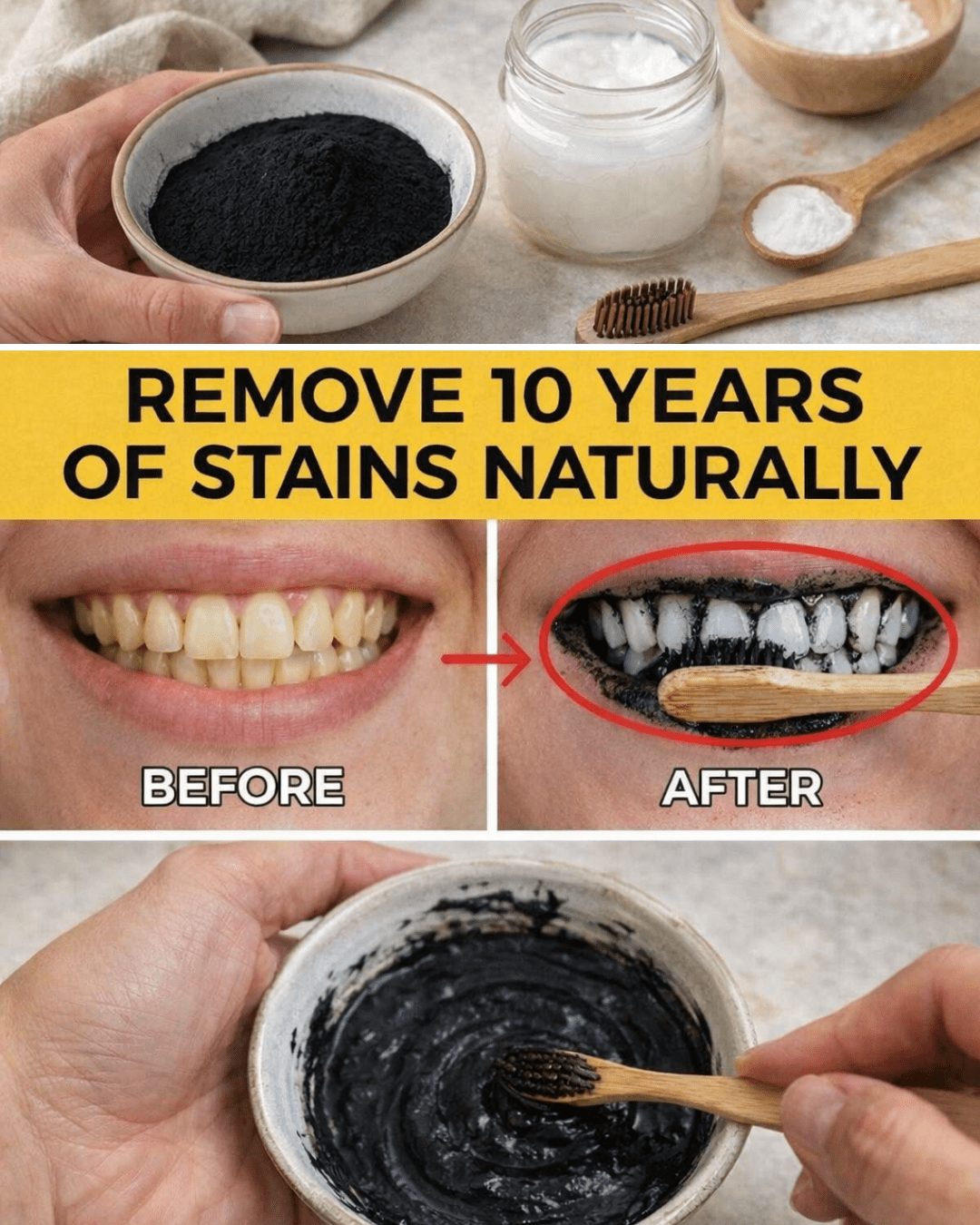
Why Do Teeth Lose Their Natural Brightness?
Tooth discoloration often happens in two ways: surface stains from foods and drinks, or deeper changes as enamel thins with age.
Common culprits include:
- Dark beverages like coffee, tea, and wine
- Smoking or tobacco use
- Certain foods, such as berries or sauces
- Natural aging, where enamel wears down over time
Research shows that mild abrasion can help remove some surface stains, while good oral hygiene plays a key role in prevention. However, no home method can change the intrinsic color of teeth like professional options might.
Here’s the interesting part: Some everyday ingredients have mild polishing properties that people have tried for generations.
Exploring Natural Ingredients for Supporting Tooth Brightness
People around the world have experimented with kitchen items to gently polish teeth and remove light surface buildup.
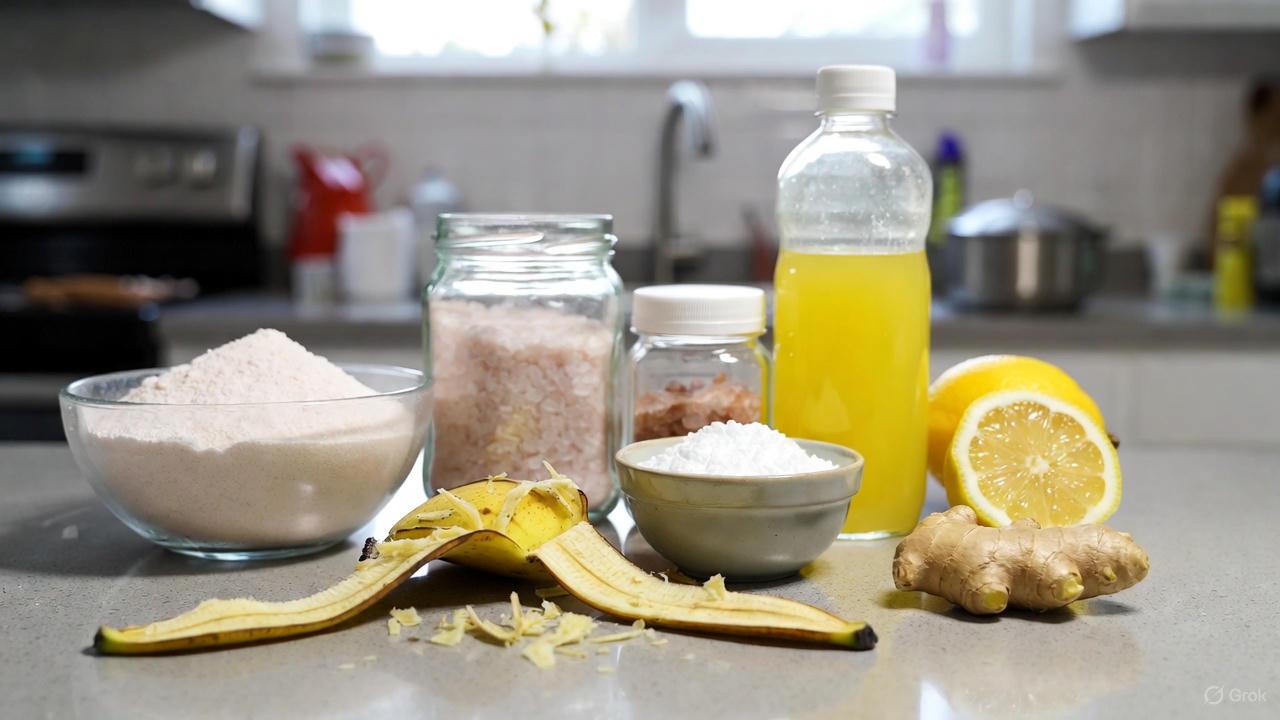
One popular idea involves banana peels. The inner part contains minerals like potassium and magnesium, which some believe contribute to a polishing effect when rubbed on teeth.
Other ingredients often mentioned include:
- Baking soda: Known for its gentle abrasive action in many toothpastes
- Sea salt: Sometimes used sparingly for its mineral content
- Lemon juice: Contains natural acids, but in limited amounts
- Fresh ginger: Valued for its freshening properties
Studies on these ingredients are limited. For example, small in vitro research has looked at fruit peels on extracted teeth, showing minor stain reduction in lab settings. However, major dental organizations note there’s no strong clinical evidence these methods significantly whiten natural teeth in real-world use.
The truth is, any perceived brightness often comes from simple mechanical polishing—similar to brushing—rather than true bleaching.
But that’s not all. Let’s look at safer, proven ways to support your smile.
Safe and Evidence-Based Ways to Help Maintain Whiter Teeth
The most reliable approaches come from habits backed by dental experts.
Here are some practical tips you can start today:
- Brush twice daily with a soft-bristled toothbrush and fluoride toothpaste
- Floss daily to remove plaque between teeth
- Limit staining foods and drinks, or rinse with water afterward
- Use a straw for dark beverages to minimize contact with teeth
- Choose ADA-approved whitening toothpastes for gentle stain removal
For more noticeable results, consider over-the-counter options with the ADA Seal of Acceptance, like certain whitening strips or gels. These have been tested for safety and effectiveness.
Comparison of Common Approaches
| Method | Potential Benefits | Considerations | Evidence Level |
|---|---|---|---|
| Daily brushing & flossing | Removes plaque and surface debris | Essential foundation for oral health | High |
| ADA-approved whitening toothpaste | Gentle polishing with proven ingredients | Safe for daily use | High |
| Natural kitchen rubs (e.g., banana peel) | Mild mechanical action | Limited evidence; risk of overuse | Low |
| Professional or OTC bleaching | Noticeable shade improvement | Consult dentist for best fit | High |
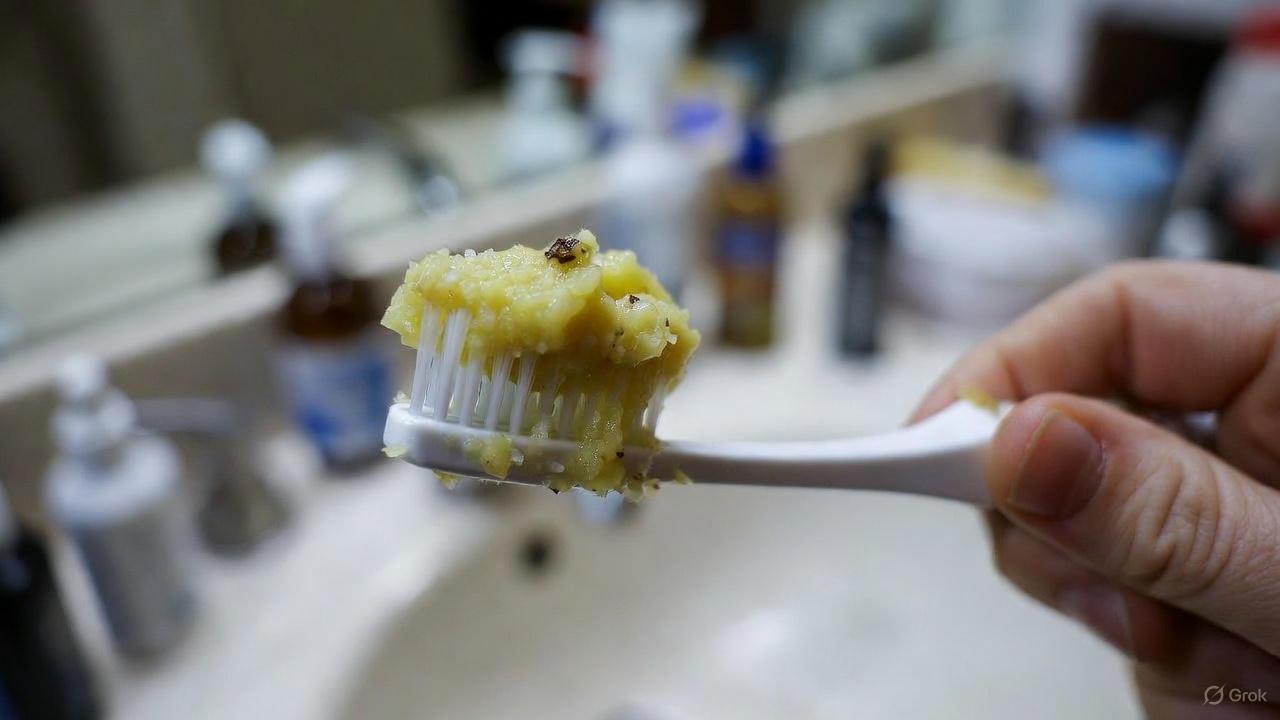
Step-by-Step Guide: A Gentle Banana Peel Rub to Try
If you’re curious about the banana peel method, here’s a simple way some people do it—remember, results vary, and it’s not a substitute for regular care.
- Choose a ripe banana and peel it carefully.
- Rub the soft inner side gently on your teeth for about 2 minutes.
- Let it sit for a few minutes if desired.
- Brush with your regular toothpaste and rinse thoroughly.
- Use occasionally, no more than a few times per week.
Combine with baking soda? Some mix a pinch for extra mild abrasion, but keep it minimal.
Always brush afterward to remove residue.
This is more about gentle polishing than dramatic change. Many find it fun to try, but don’t expect professional-level results.
Additional Habits That Support a Healthy, Bright Smile
Beyond polishing, focus on overall care:
- Eat crunchy fruits and vegetables like apples or carrots—they naturally help clean teeth
- Stay hydrated to promote saliva flow, which neutralizes acids
- Visit your dentist regularly for cleanings and advice
- Quit smoking for multiple oral health benefits
Research indicates consistent hygiene prevents more discoloration than any single remedy.
Conclusion: Small Habits for Lasting Confidence
Supporting a brighter smile often comes down to consistent, gentle care rather than quick fixes. While natural ideas like banana peels are popular and harmless in moderation, proven habits and dentist-recommended products offer the most reliable path.
Start with better brushing, consider an ADA-approved whitener if needed, and talk to your dentist—they can guide personalized options.
Your smile deserves care that’s both effective and safe.
Frequently Asked Questions
1. How long does it take to see changes in tooth brightness with daily habits?
Improvements from better hygiene can appear in weeks, but significant whitening usually takes consistent effort over months. Professional options work faster.
2. Are natural methods like banana peels safe for everyone?
They’re generally mild, but acidic ingredients (like lemon) can wear enamel if overused. Always consult a dentist, especially with sensitive teeth or restorations.
3. What’s the best way to prevent future discoloration?
Limit staining foods/drinks, brush soon after consuming them, and maintain regular dental check-ups. Fluoride toothpaste strengthens enamel too.
Disclaimer: This article is for informational purposes only and is not a substitute for professional dental advice. Home remedies may not work for everyone and could cause irritation. Consult your dentist before trying new methods, especially if you have dental conditions or sensitivity.
(Word count: approximately 1280)