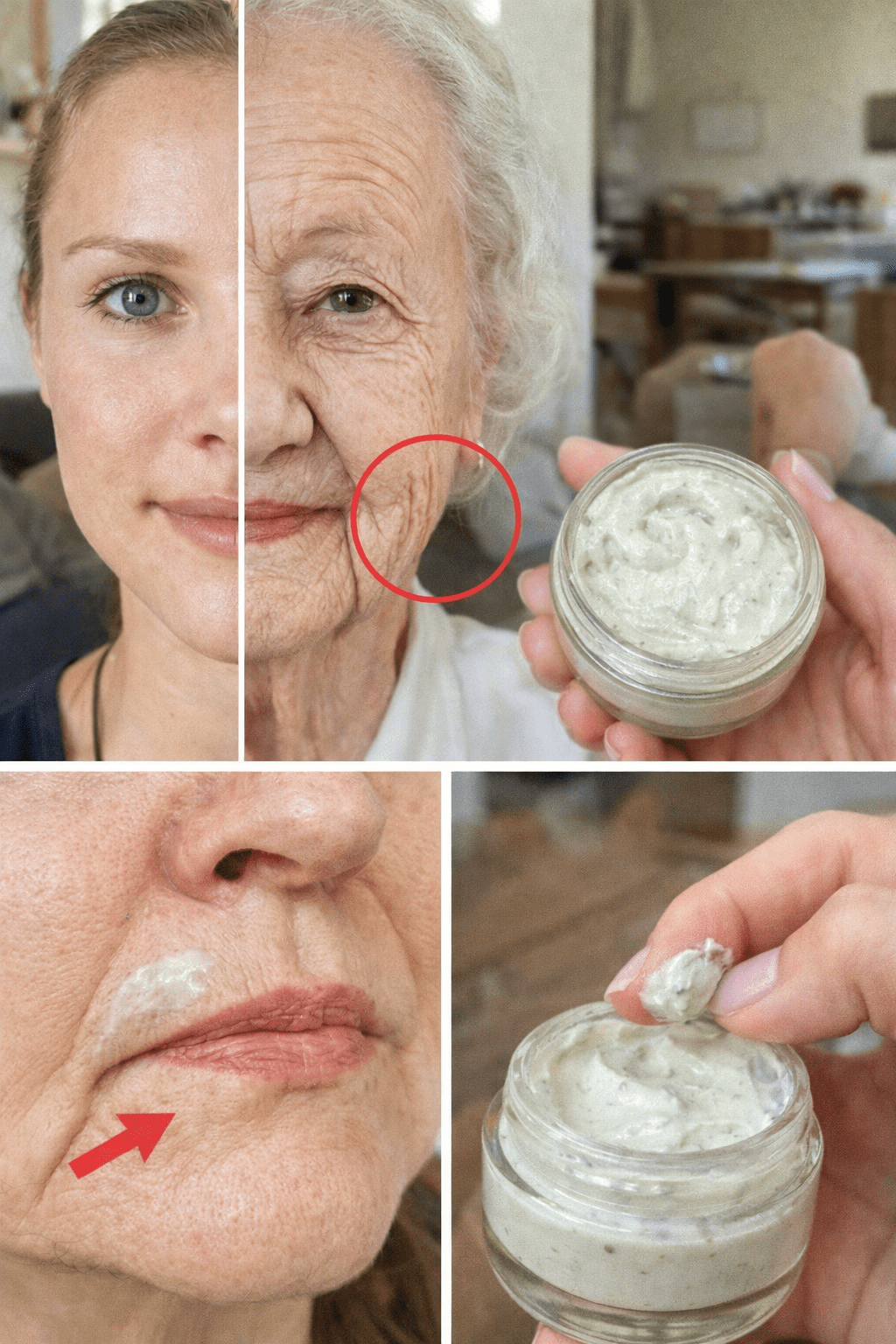
Many of us notice our skin changing as the years go by — fine lines that linger longer, a bit more dryness, and a glow that feels harder to maintain. Daily sun exposure, pollution, stress, and natural collagen decline all play a role, leaving us searching for gentle, affordable ways to care for our complexion. While no single ingredient can stop time, traditional recipes using everyday foods have been valued for generations because they nourish the skin with vitamins and moisture. One such recipe, inspired by Japanese home remedies, centers around a humble banana. Curious about how something so simple might fit into a modern skincare routine? Keep reading — there’s an easy preparation method coming up that many people still use today.
Why Bananas Have Long Been Used in Skin Care
Bananas are packed with nutrients that can benefit skin when applied topically. They contain:
- Vitamin C — an antioxidant that may help protect skin from everyday environmental stress
- Vitamin B6 — supports overall skin-cell health
- Potassium — helps maintain skin’s natural moisture balance
- Silica — a mineral sometimes linked to skin elasticity in traditional practices
Research has shown that topical application of certain fruit extracts can provide hydration and mild antioxidant effects (Journal of Cosmetic Dermatology, 2018). While bananas aren’t a miracle cure, their nutrient profile makes them a popular choice for DIY masks aimed at supporting soft, supple skin.
The Traditional Japanese-Inspired Banana Mask
This recipe draws from home remedies passed down in Japan, where simple, natural ingredients have long been part of daily beauty rituals. It combines banana with a few pantry staples to create a creamy, hydrating mask.
Ingredients (for one application)
- ½ very ripe banana (the riper, the easier it mashes and the more nutrients are available)
- 1 tsp raw honey (preferably unprocessed)
- 1 tsp rice flour or finely ground oatmeal (for gentle exfoliation)
- 1–2 tsp cooled green tea (optional, for extra antioxidants)
Step-by-Step Preparation & Application
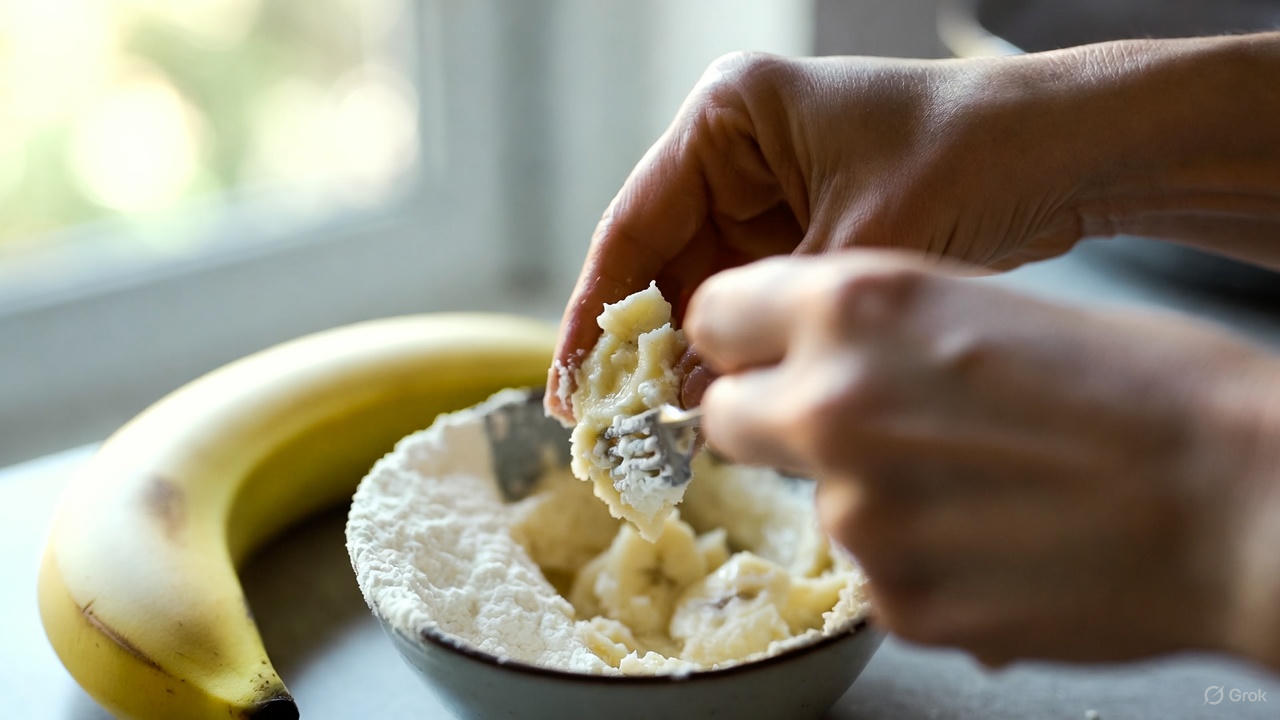
- Mash the banana in a small bowl with a fork until you get a smooth, lump-free puree.
- Stir in the honey until fully combined — this helps the mask stay moist on the skin.
- Add the rice flour (or oatmeal) and mix well. The texture should be thick but spreadable.
- If using green tea, stir in 1–2 teaspoons to reach your desired consistency.
- Wash your face with a gentle cleanser and pat dry.
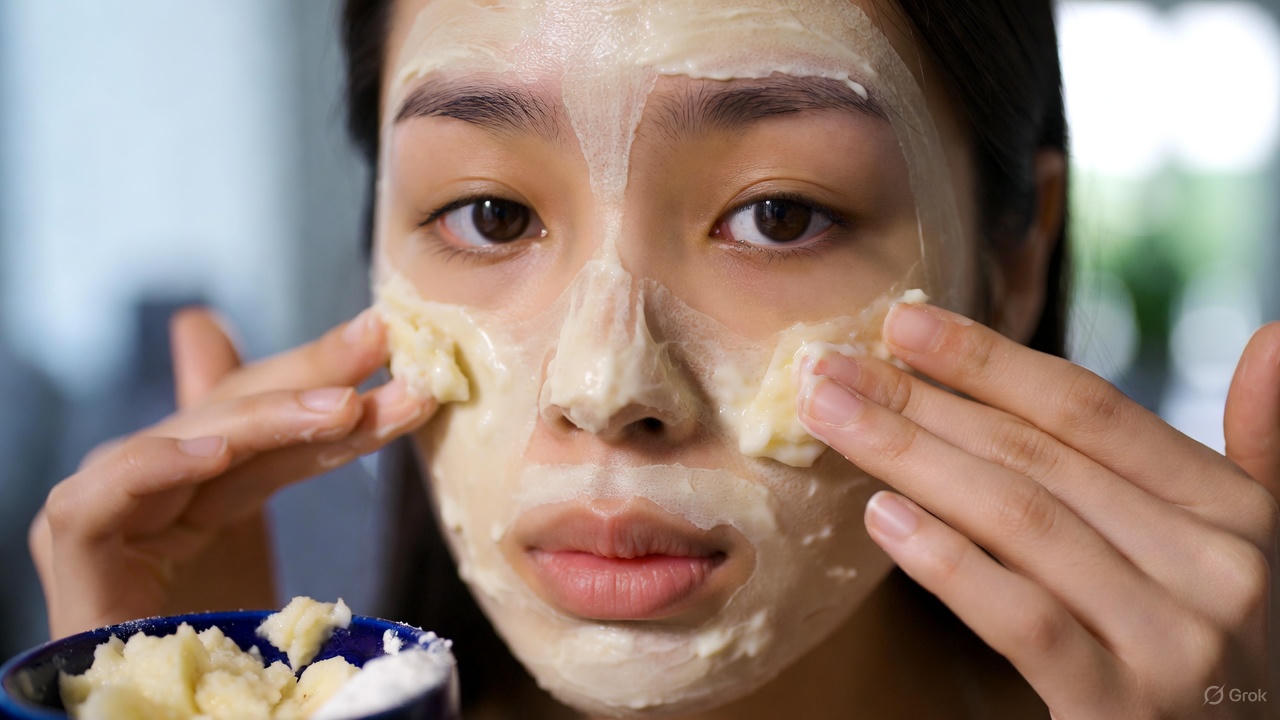
- Apply the mask evenly, avoiding the eye area.
- Leave on for 15–20 minutes.
- Rinse off with lukewarm water using gentle circular motions, then pat skin dry.
- Follow with your usual moisturizer.
Tip: Many people find the mask feels most comfortable when applied in the evening, giving skin time to absorb moisture overnight.
What Makes This Combination Special?
Each ingredient plays a complementary role:
| Ingredient | Main Property | Potential Skin Benefit |
|---|---|---|
| Banana | Natural humectant + vitamins | Helps draw in and retain moisture |
| Honey | Humectant + mild antibacterial | Supports hydration and a calm complexion |
| Rice flour | Very mild physical exfoliant | Helps remove dull surface cells without harsh scrubbing |
| Green tea (opt.) | Rich in polyphenols | Provides antioxidant support against daily stressors |
The combination creates a mask that feels nourishing rather than stripping — something many people appreciate, especially if their skin reacts to stronger active ingredients.
How Often Can You Use It?
Most people find 2–3 times per week works well. Using it more frequently might not add extra benefit and could irritate sensitive skin due to the natural fruit acids. Always listen to your skin — if you notice any redness or discomfort, reduce frequency or discontinue use.
Real-World Experiences People Share
Online forums and social media groups dedicated to natural skincare often feature stories like these (paraphrased for privacy):
- “I started using a banana-honey mask twice a week and my skin feels noticeably softer after a month.”
- “It’s become my Sunday night ritual — cheap, smells nice, and my complexion looks brighter in photos.”
- “I have combination skin and was surprised how hydrating it felt without making my T-zone oily.”
Of course, individual results vary depending on skin type, age, lifestyle, and consistency of use.
Banana Peel: Another Traditional Trick
Some Japanese home practices also involve gently rubbing the inside of a banana peel on the skin for a few minutes before rinsing. The peel contains lutein and other antioxidants. While scientific studies on banana-peel application are limited, many people report their hands and neck feeling smoother after regular use. If you try it, do a patch test first and avoid broken skin.
How Does It Compare to Store-Bought Masks?
| Aspect | Banana DIY Mask | Typical Commercial Hydrating Mask |
|---|---|---|
| Cost | Under $1 per use | $15–$60 per jar |
| Ingredients | 100% food-grade, recognizable | Often includes synthetic preservatives |
| Customization | Easy to adjust thickness/honey ratio | Fixed formula |
| Shelf life | Make fresh each time | Several months (with preservatives) |
| Environmental impact | Minimal packaging | Plastic jar/tube |
For many, the simplicity and low cost make it an appealing addition to a skincare routine — even if they still use commercial products.
Safety Considerations & Patch Testing
Before applying any new mask to your face:
- Do a patch test: Apply a small amount to the inside of your forearm and wait 24 hours.
- Avoid the eye area and broken or irritated skin.
- If you have a known banana or honey allergy, skip this recipe.
- People with very sensitive or acne-prone skin should introduce it slowly and watch for clogged pores.
Final Thoughts: Simple Rituals, Meaningful Moments
Incorporating a banana mask into your week isn’t about promising dramatic transformation — it’s about giving your skin a moment of gentle, nourishing care using ingredients you probably already have at home. Small, consistent habits often bring the biggest sense of well-being over time.
Have you ever tried a banana-based mask? How did your skin respond? Share your experience in the comments — we’d love to hear!
Frequently Asked Questions
Q: Can I use an overripe banana that has brown spots? A: Yes — in fact, very ripe bananas are preferred because they mash easily and contain higher levels of certain antioxidants.
Q: Will this mask help with deep wrinkles? A: No topical mask can eliminate deep wrinkles. This recipe may help skin feel softer and look more hydrated, but it works best as part of an overall routine that includes sun protection and healthy lifestyle habits.
Q: How long should I wait before applying makeup after the mask? A: Wait at least 10–15 minutes after rinsing so your skin can fully absorb moisture. Some people prefer to do the mask at night and apply makeup the next morning.
Disclaimer: This article is for informational purposes only and is not intended as medical or dermatological advice. Always consult a qualified healthcare professional before trying new skincare practices, especially if you have sensitive skin, allergies, or existing skin conditions. Perform a patch test before full application.