As we age past 75, many people notice it takes more effort to stand up from a chair or climb stairs. This can stem from natural changes in muscle mass and strength that occur with aging. Research shows that muscle loss becomes more noticeable in later decades, affecting daily mobility for some older adults.
The good news? Certain eating habits, like choosing nutrient-rich foods before bed, may play a role in supporting muscle health. Keep reading to discover one easy option backed by science—and why timing could make a difference.
Understanding Muscle Changes After Age 75
Muscle maintenance naturally shifts as we get older. Studies from the National Institute on Aging indicate that adults can experience gradual declines in muscle mass and function starting around age 60-70, with changes often becoming more apparent after 80.
This process, known as sarcopenia, involves slower muscle repair and reduced response to daily protein intake. Overnight, when much of the body’s recovery happens, these shifts can feel more pronounced.
Many older adults report feeling stiffness in the morning or less steadiness on their feet. These common experiences highlight why nutrition strategies focused on sleep and recovery are gaining attention from researchers.
But here’s the interesting part: Simple dietary choices might help provide the building blocks muscles need during those resting hours.

Why Protein Before Bed Matters for Older Adults
During sleep, the body focuses on repair and recovery. Research published in The Journal of Nutrition has shown that consuming slow-digesting protein before bed can support overnight muscle protein synthesis in healthy older men.
Casein, a type of protein found in dairy foods like Greek yogurt, releases amino acids gradually. This steady supply may help counteract age-related challenges in muscle maintenance.
Studies suggest that around 20-40 grams of protein in the evening could make a meaningful difference, especially when combined with overall daily nutrition.
Greek yogurt stands out as a convenient source—plain, nonfat varieties offer high-quality casein without added sugars.
The Role of Tart Cherries in Sleep and Recovery
Tart cherries bring their own benefits to the table. Pilot studies, including one in the Journal of Medicinal Food, found that tart cherry juice improved sleep quality in older adults with insomnia.
These cherries naturally contain small amounts of melatonin and antioxidants like anthocyanins. Better sleep could indirectly support muscle recovery by allowing more time for natural repair processes.
While direct studies on tart cherries for muscle synthesis are limited, their anti-inflammatory properties and sleep-promoting effects make them a popular pairing with protein-rich foods.
A Simple Bedtime Combo: Greek Yogurt with Tart Cherries
One approachable option is mixing plain Greek yogurt with tart cherries (fresh, frozen, or unsweetened juice).
This snack combines:
- Slow-release casein protein from the yogurt
- Natural melatonin and antioxidants from the cherries
Many people enjoy it 30-60 minutes before bed for easy digestion.
Here’s a quick comparison of common bedtime protein options:
| Food Option | Protein per Serving (approx.) | Key Nutrients | Taste Notes | Monthly Cost Estimate |
|---|---|---|---|---|
| Whey Protein Shake | 25g | Fast-absorbing protein | Can be chalky | $50-90 |
| Cottage Cheese | 25g | Casein protein | Mild, creamy | $30-40 |
| Plain Greek Yogurt + Tart Cherries | 20-25g | Casein + melatonin/antioxidants | Tangy and refreshing | <$25 |
Greek yogurt with tart cherries often comes out as affordable and enjoyable.
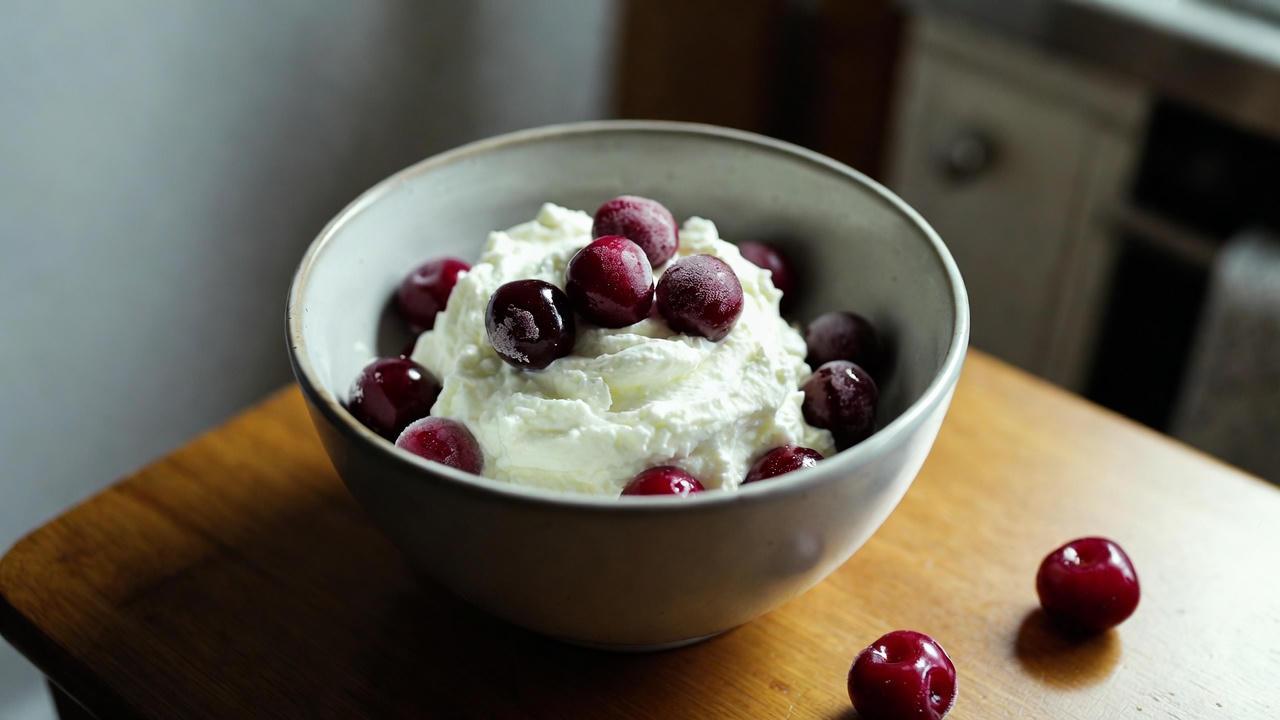
Easy Ways to Try This Bedtime Snack
Start small and adjust to your preferences. Here’s a step-by-step guide:
- Choose plain, nonfat or low-fat Greek yogurt (about ¾-1 cup for 20-25g protein).
- Add a handful of frozen tart cherries or ¼-½ cup unsweetened tart cherry juice.
- Optional: A dash of cinnamon or a teaspoon of honey for flavor.
- Eat 30-45 minutes before bedtime to allow gentle digestion.
- Aim for consistency—try it most nights as part of your routine.
Frozen Montmorency tart cherries are widely available and retain nutrients well.
If dairy isn’t an option, consult a doctor about plant-based alternatives, though casein-specific benefits may differ.
Tips to Maximize Benefits
To get the most from any bedtime habit:
- Stay active during the day—walking or light resistance exercises complement nutrition.
- Spread protein intake across meals (aim for 20-30g per meal).
- Prioritize overall balanced eating with fruits, vegetables, and whole grains.
- Track how you feel: Note morning energy or ease of movement after a week or two.
Research emphasizes that no single food is a magic fix—it’s about consistent, supportive choices.
What the Science Says Overall
While more studies are needed on this exact combo, separate research supports its components:
- Casein before bed aids overnight recovery (The Journal of Nutrition, 2017).
- Tart cherries improve sleep parameters in older adults (European Journal of Nutrition, 2012).
- Adequate protein distribution helps maintain muscle function with age.
Individual results vary based on health, activity, and diet.
Frequently Asked Questions
1. How much Greek yogurt should I eat before bed?
About ¾ to 1 cup of plain variety provides a good amount of protein without feeling heavy. Start smaller if you’re new to nighttime snacks.
2. Can this snack help if I have trouble sleeping?
Tart cherries may support better sleep quality due to natural melatonin. Many find the combo soothing, but it’s not a substitute for medical advice on insomnia.
3. Is this safe for everyone over 75?
Most people tolerate it well, but check with your doctor if you have dairy allergies, kidney issues, or take medications affected by cherries (like blood thinners).

Final Thoughts
Supporting leg strength and mobility as we age often comes down to practical habits—like a nutrient-packed bedtime snack. Greek yogurt paired with tart cherries offers a tasty, evidence-informed way to nourish your body overnight.
Pair it with daily movement and balanced meals for the best shot at feeling steady and strong. Small changes can add up over time.
Disclaimer: This article is for informational purposes only and is not medical advice. Results vary by individual. Always consult your healthcare provider before making dietary changes, especially if you have health conditions or take medications.