
As you get older, you might notice it takes a little more effort to stand up from a chair or carry the shopping bags inside. Those small moments of weakness can add up, making daily activities feel harder than they used to. Many people over 60 experience this gradual decline in muscle strength without realizing it’s a common part of aging. But there’s good news: something as simple as an everyday food might offer meaningful support when added to your routine.
And the most interesting part? This food works especially well when enjoyed at a specific time of day. Keep reading to discover what it is and how it could fit into your life.

Understanding Muscle Changes After 60
After age 60, many adults naturally begin to lose muscle mass and strength. Experts call this process sarcopenia, and research shows it affects a significant number of older adults.
This isn’t just about appearance. It can make everyday tasks like climbing stairs or gardening more challenging. Over time, it may also increase the risk of falls and reduce overall independence.
Studies suggest that inadequate protein intake contributes to this issue. As we age, our bodies may need more protein to maintain muscle health effectively. Combining higher protein intake with light physical activity often shows the best results.
But not all proteins are the same. Some digest quickly, while others release nutrients slowly over hours.
Why Cottage Cheese Stands Out for Older Adults
Cottage cheese is a convenient dairy food that’s rich in high-quality protein. A typical half-cup serving of low-fat cottage cheese provides around 12-14 grams of protein.
Most of this protein comes from casein, which digests slowly. This gradual release supplies amino acids to muscles over an extended period, including during sleep.
Research on dairy proteins, including casein, indicates they may support muscle maintenance in older adults when combined with regular movement.
The amino acid leucine in cottage cheese is particularly noteworthy. Studies highlight leucine’s role in helping stimulate muscle protein synthesis.
Here’s a quick look at the nutrition in half-cup low-fat cottage cheese:
| Nutrient | Approximate Amount | Potential Benefit |
|---|---|---|
| Protein | 12-14 grams | Supports muscle repair |
| Calcium | 100-150 mg | Contributes to bone health |
| Calories | 80-100 | Low-calorie option |
| Fat | 2-3 grams | Moderate and heart-friendly |
These numbers make it easy to see why this food fits well into daily meals.
6 Ways Cottage Cheese May Support Healthy Aging
Many older adults find cottage cheese helpful for several reasons. Here are six potential benefits backed by research:
- Provides slow-releasing protein that may support overnight muscle recovery while you sleep.
- Offers leucine, an amino acid that research links to better muscle protein building in older adults.
- Helps you feel fuller longer, which can support healthy weight management and indirectly benefit muscle health.
- Contains calcium that works together with protein to support bone density.
- Serves as an easy post-activity snack to provide amino acids for recovery.
- Adds variety to protein sources, making it simpler to meet daily needs consistently.
But that’s not all. Timing matters too.
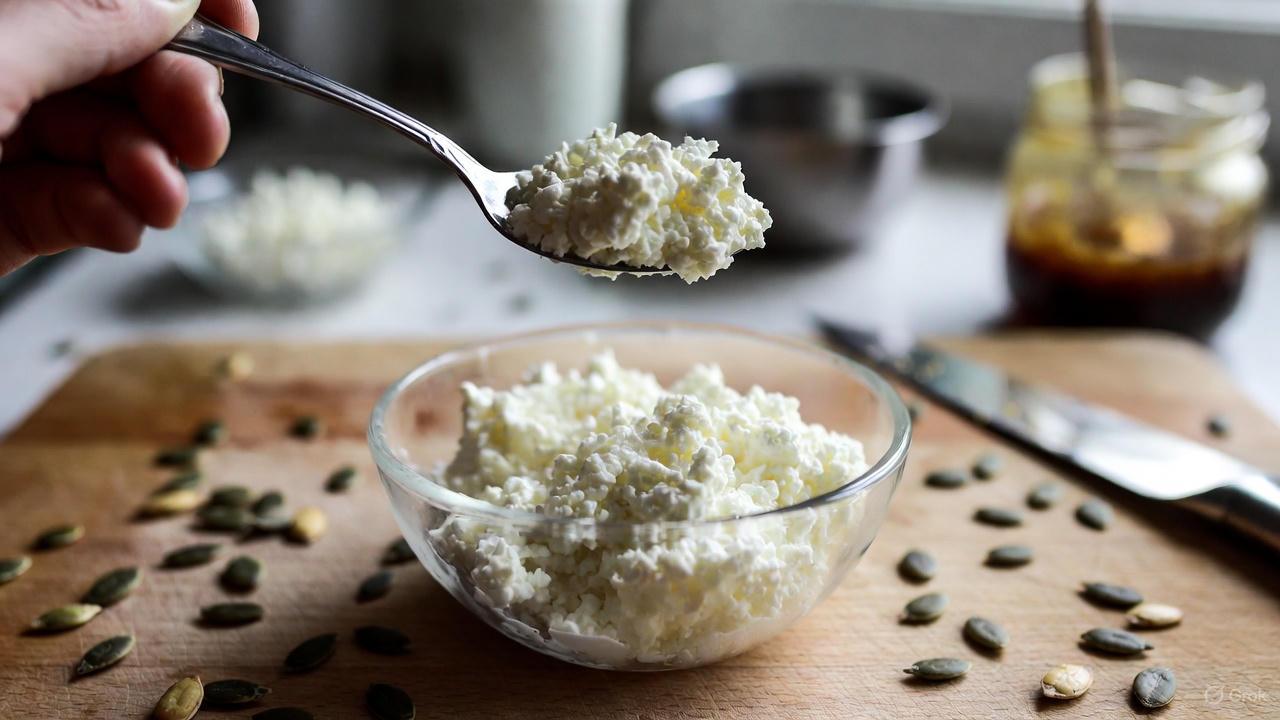
The Benefits of Enjoying Cottage Cheese Before Bed
One popular approach is having a small serving of cottage cheese as an evening snack.
During sleep, your body repairs tissues. The slow-digesting casein provides a steady supply of amino acids throughout the night.
Some studies on nighttime protein intake suggest this strategy may help preserve muscle mass in older adults.
People who try this often report feeling more energized in the morning. Of course, individual results vary, and it’s best combined with other healthy habits.
This is the part many find most surprising: a simple bedtime routine could make a noticeable difference over weeks and months.
Simple Ways to Add Cottage Cheese to Your Routine
Getting started doesn’t require major changes. Here are practical ideas:
- Enjoy a small bowl with fresh berries or a sprinkle of cinnamon for a sweet evening treat.
- Mix in chopped herbs, tomato, or cucumber for a savory option.
- Spread it on whole-grain toast instead of butter or cream cheese.
- Add it to scrambled eggs for extra protein at breakfast.
- Blend it into smoothies for creaminess without extra fat.
- Choose low-sodium versions if you’re watching salt intake.
Start with small portions and see what you enjoy most. Consistency tends to bring the best results.
Combining Cottage Cheese with Other Healthy Habits
Food works best alongside movement and balanced nutrition. Consider pairing cottage cheese with:
- Gentle strength exercises like wall push-ups or seated leg lifts.
- Daily walks or light stretching routines.
- Other protein-rich foods such as eggs, fish, beans, or nuts.
- Plenty of hydration throughout the day.
- Regular medical check-ups to monitor overall health.
Many people notice improvements in energy and strength when they combine these habits.
Here’s the interesting truth: small, sustainable changes often outperform drastic overhauls.
How Much Protein Do Older Adults Need?
Current guidelines suggest adults over 60 may benefit from 1.0-1.2 grams of protein per kilogram of body weight daily.
For example, a 70 kg (154 lb) person might aim for 70-84 grams spread across meals.
Including protein at each meal and snack helps the body use it more effectively.
Cottage cheese makes reaching these goals easier and more enjoyable.
Final Thoughts on Supporting Muscle Health Naturally
Maintaining muscle strength as you age involves multiple factors, from nutrition to movement. Cottage cheese offers a simple, affordable way to increase high-quality protein intake.
While no single food does everything, research continues to highlight the potential role of dairy proteins in healthy aging.
Many older adults find that adding cottage cheese, especially in the evening, becomes a helpful habit. Combined with light activity and balanced meals, it may contribute to feeling stronger and more capable.
Small steps today can lead to greater ease and confidence tomorrow.
Frequently Asked Questions
How much cottage cheese should I eat daily?
Most people do well with 1/2 to 1 cup per day, split into one or two servings. Listen to your body and adjust based on your overall diet.
Is cottage cheese okay if I’m lactose intolerant?
Many lactose-intolerant individuals tolerate cottage cheese better than milk because it contains less lactose. Try a small amount first or choose lactose-free versions.
Can I eat cottage cheese if I have high cholesterol?
Low-fat varieties are generally heart-friendly in moderation. Discuss your specific situation with your healthcare provider.
This article is for informational purposes only and is not intended to diagnose, treat, or cure any condition. It does not replace professional medical advice. Please consult your healthcare provider before making dietary changes, especially if you have health concerns or conditions.


