Many people notice changes in their hair as they age, such as increased shedding or a drier scalp that affects overall appearance and feel. These shifts can stem from daily stressors, nutritional factors, or environmental influences, making it frustrating when strands feel less vibrant than before. What if exploring natural ingredients from your kitchen could offer gentle support for maintaining scalp health and hair vitality? Keep reading to uncover insights into this traditional approach and why it continues to spark interest.
Understanding Common Hair and Scalp Concerns
Hair goes through natural cycles of growth, rest, and shedding, but sometimes these cycles feel out of balance. Factors like diet, hormone shifts, or buildup on the scalp can contribute to concerns that many experience over time.
Research highlights that nutrients play a key role in supporting follicle health. For instance, sulfur is an essential building block for keratin, the protein that forms hair strands. Antioxidants also help protect against oxidative stress, which studies link to scalp environment changes.
But that’s not all—traditional practices, including those from Ayurveda, have long incorporated everyday plants for nourishment. Let’s explore two popular ones: papaya leaves and onion.
Why Papaya Leaves Are Valued in Traditional Hair Care
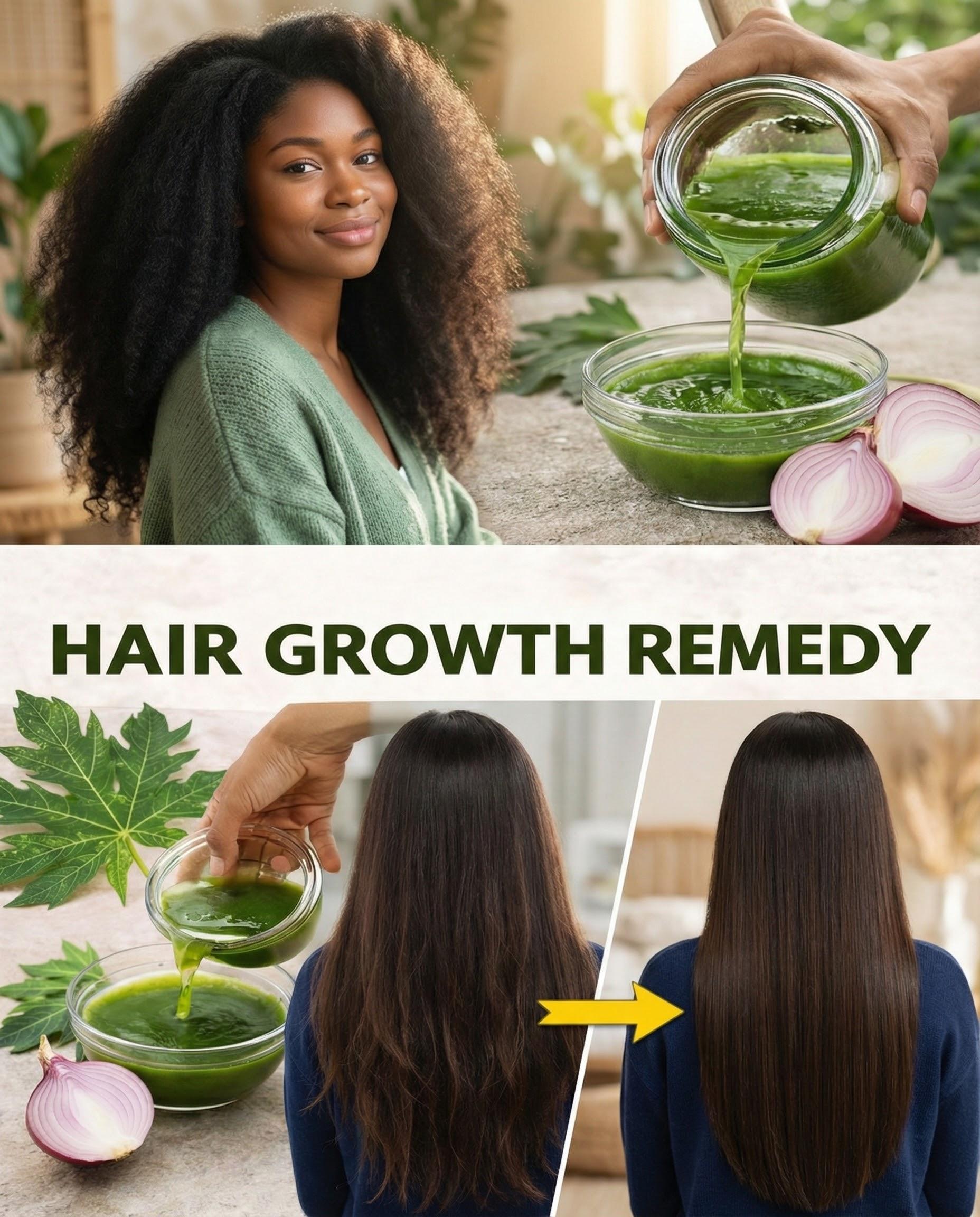
Papaya leaves contain enzymes like papain, known for gentle exfoliating properties. This enzyme helps break down dead skin cells, potentially creating a cleaner scalp environment.
Studies note that papain’s action can aid in removing buildup, which might support a healthier feel on the scalp. Antioxidants in the leaves, such as flavonoids and vitamin E, are also praised for their protective qualities.
In folk remedies, fresh papaya leaf juice or masks are applied to nourish and soothe. While human trials are limited, animal and lab research suggests potential for scalp comfort and reduced flaking.
Here’s a quick look at key components in papaya leaves:
- Papain enzyme: Gentle exfoliant for removing dead cells
- Vitamins A and C: Support overall nourishment
- Antioxidants: Help combat daily environmental stress
The interesting part? Combining these with other ingredients may enhance the benefits.
The Role of Onion Juice in Scalp Support
Onion juice has gained attention due to its high sulfur content, which contributes to collagen production—a factor in strong hair structure.
A notable 2002 study in the Journal of Dermatology explored crude onion juice on patchy hair loss (alopecia areata). Participants applying it twice daily saw regrowth in many cases, outperforming the control group. This small trial provides some evidence for its potential in specific conditions.
Onions also offer quercetin, an antioxidant with anti-inflammatory effects. Traditional uses include massaging juice into the scalp for circulation and shine.
However, results vary, and it’s best for patchy concerns rather than general thinning. The strong scent is a common drawback, but it fades with rinsing.
| Aspect | Onion Juice Insights | Supporting Notes |
|---|---|---|
| Sulfur Content | Supports keratin formation | Essential for hair strength |
| Antioxidant Effects | Quercetin may soothe scalp | From lab and traditional observations |
| Study Evidence | Positive in one alopecia areata trial | More research needed for broader use |
How to Try a Papaya Leaf and Onion Juice Blend at Home
Interested in experimenting? This simple rinse draws from traditional methods.
Step-by-Step Guide
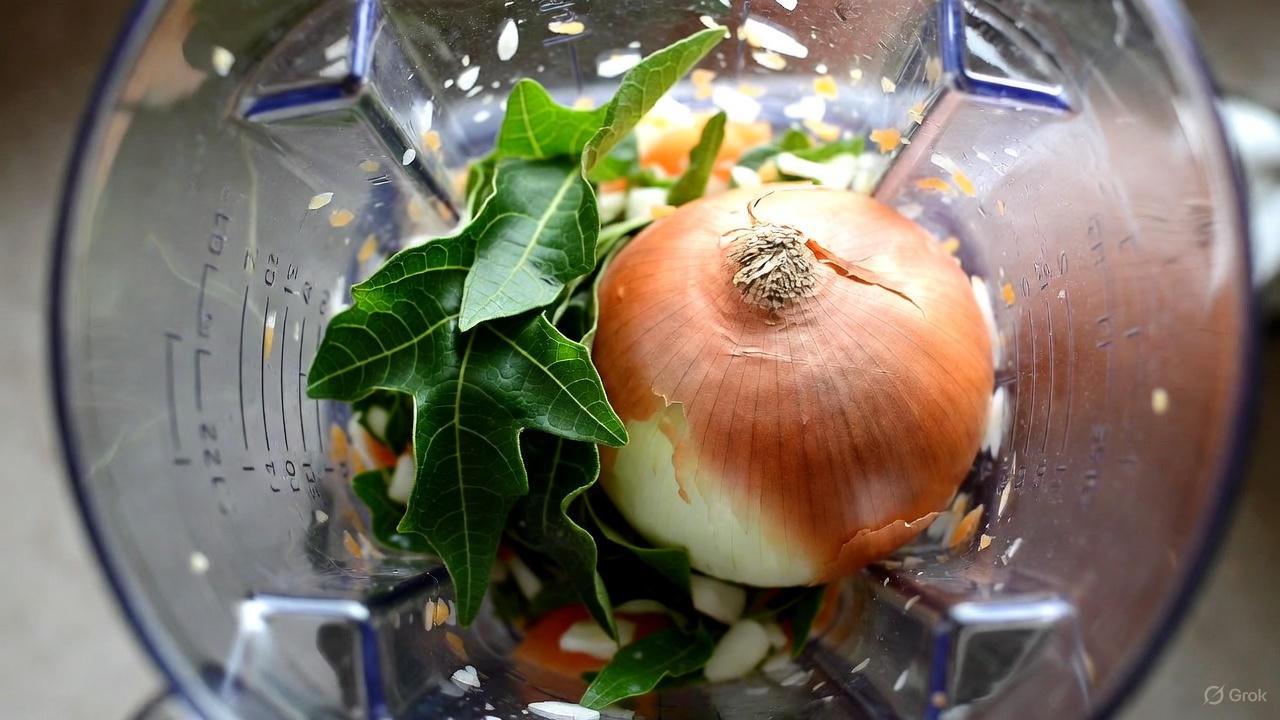
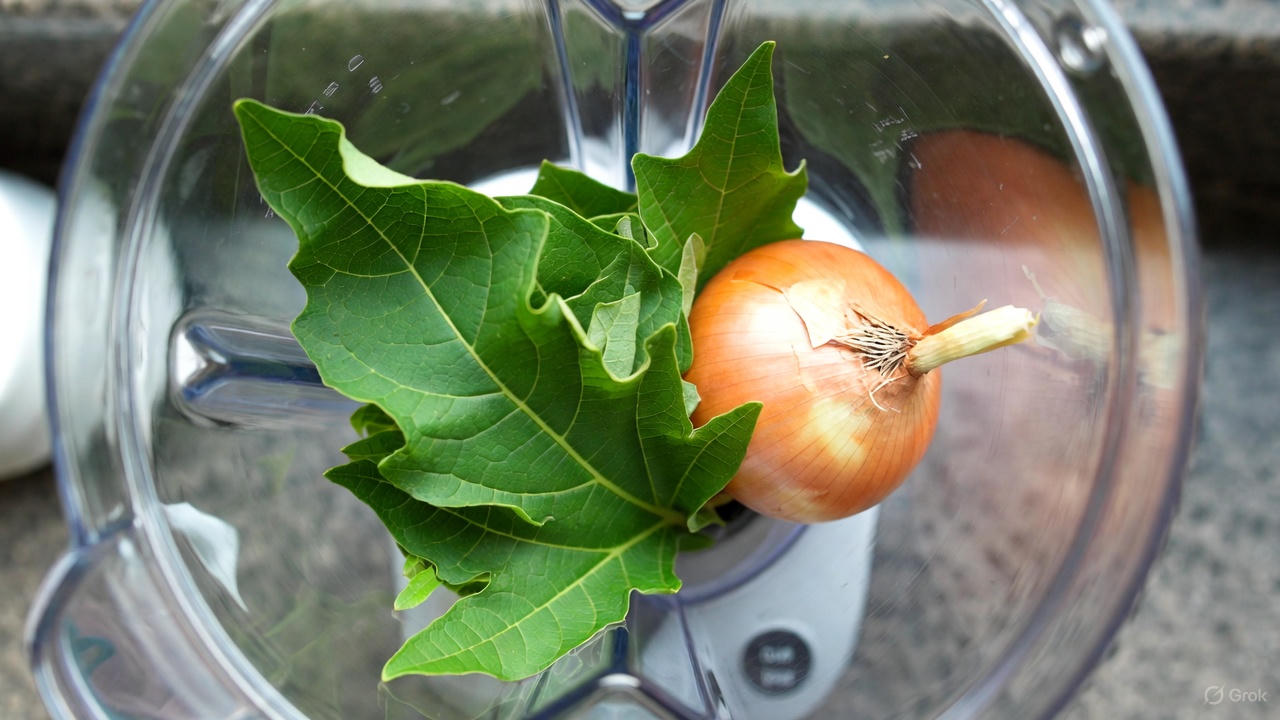
- Gather ingredients: 5-6 fresh papaya leaves and 1 medium onion.
- Prepare the juice: Wash leaves thoroughly. Blend with peeled onion and a bit of water. Strain for liquid.
- Dilute if needed: Mix with aloe vera gel or coconut oil to ease application and scent.
- Apply gently: Massage into scalp, leave for 20-30 minutes, then rinse with mild shampoo.
- Frequency: Try 2-3 times weekly; patch test first to check sensitivity.
Bonus tip: Add a splash of lemon for freshness, but avoid if scalp is sensitive.
This approach keeps things natural and actionable.
Additional Ways to Nurture Your Hair Naturally
Beyond topical blends, daily habits matter:
- Scalp massage: Improves circulation; use fingers or a soft brush.
- Balanced diet: Include protein-rich foods, nuts for zinc, and greens for vitamins.
- Gentle care: Avoid tight styles and excess heat.
Research shows consistent routines yield the best support.
Wrapping Up: A Gentle, Traditional Option Worth Exploring
Blending papaya leaves and onion juice offers a time-honored way to pamper your scalp with nature’s enzymes and nutrients. While onion has some study backing for certain hair concerns, papaya adds exfoliating gentleness—together, they align with holistic traditions.
Individual experiences differ, so listen to your hair. Patience is key; visible changes often take weeks.
Frequently Asked Questions
1. How long before seeing any scalp improvements?
Traditional users report feeling a cleaner scalp after a few applications, but consistent use over 4-8 weeks is common for noticeable differences.
2. Does the onion smell linger?
It can be strong initially, but rinsing well and adding essential oils like rosemary helps. The scent usually fades quickly.
3. Is this safe for colored or treated hair?
Generally yes, as it’s natural, but always patch test. Avoid if you have open scalp irritations.
Disclaimer: This information is for educational purposes only and explores traditional remedies. Results vary, and these are not medical treatments. Consult a healthcare professional or dermatologist for personalized advice, especially if experiencing significant hair changes.