
Many people over 50 notice their knees feeling stiffer in the mornings or making cracking sounds when standing up after sitting for a while. Climbing stairs might require more effort, and everyday activities can bring occasional discomfort that wasn’t there before. These changes often come with natural wear on joint tissues over time, leaving many wondering if there’s a gentle way to feel more comfortable.
But here’s something interesting: some research points to nutrients found in traditional foods like bone broth that may help support joint flexibility and overall comfort. Keep reading to discover what studies suggest about this age-old kitchen staple and how it might fit into your routine.
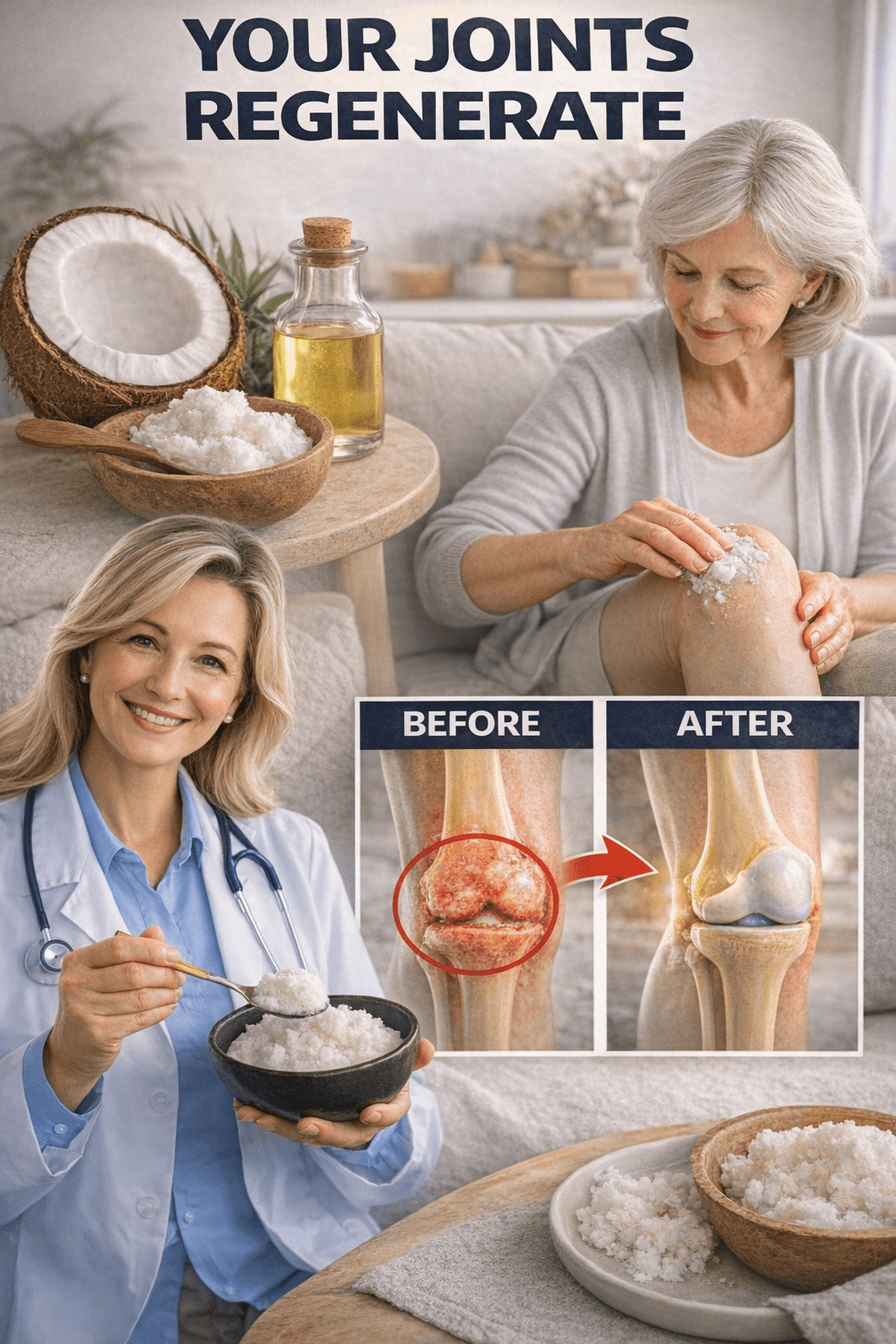
Why Knee Joints Can Feel Different Over Time
As we get older, the cushioning tissue in our joints, called cartilage, naturally thins out. This can lead to more friction between bones, occasional stiffness, and reduced ease of movement.
Factors like daily activity levels, body weight, and diet play a role in how joints hold up. Research shows that after age 40, collagen production in the body slows down, which is key for keeping cartilage resilient.
The good news? Certain nutrients from food sources may help maintain joint health. Studies, including reviews in journals like Nutrients, indicate that compounds like collagen peptides can contribute to better joint function in people experiencing age-related changes.
But that’s not all—let’s look closer at one food that’s been used for generations.
What Makes Bone Broth a Traditional Choice for Joint Support?
Bone broth is simply made by slowly simmering animal bones and connective tissues in water. This process releases natural compounds that have caught the attention of researchers.
Here’s what typically emerges in a good homemade batch:
- Collagen, which breaks down into gelatin and provides building blocks for cartilage
- Amino acids like glycine and proline, important for tissue maintenance
- Glucosamine and chondroitin, naturally occurring substances studied for joint lubrication
- Minerals such as calcium and magnesium for overall bone strength
A study in Nutrition Journal explored type II collagen and found it helped with knee comfort in participants with osteoarthritis. While bone broth isn’t a concentrated supplement, it offers these nutrients in a whole-food form that’s easy to absorb when warm.
This is the part that’s intriguing: traditional recipes have included bone broth for centuries, and modern interest stems from its nutrient profile rather than quick fixes.
Potential Ways Bone Broth Might Contribute to Daily Comfort
People who incorporate bone broth often report feeling more flexible over time. Here’s what emerging evidence suggests:
- Provides natural collagen to support cartilage structure
- Contains compounds that may help with a healthy inflammation response
- Delivers minerals in a bioavailable way for bone density
- Supports gut health, which indirectly aids nutrient absorption for joints
- Offers amino acids that promote relaxation and recovery
Research from sources like Medical News Today notes that gelatin from broth could protect joints from stress. Another review in Rheumatology and Therapy mapped studies on collagen derivatives, showing promise for joint repair processes.
Of course, individual results vary, and consistency matters more than occasional use.
Nutrients in Bone Broth Compared to Common Foods
| Nutrient | Found in Bone Broth | Main Potential Benefit |
|---|---|---|
| Type II Collagen | Yes | Supports cartilage elasticity |
| Glucosamine | Yes | Helps with joint lubrication |
| Chondroitin | Yes | Contributes to cushioning |
| Glycine & Proline | Yes | Aids connective tissue maintenance |
| Minerals (Ca, Mg) | Yes | Strengthens surrounding bone |
These come from the slow cooking process, making them different from regular soup stock.
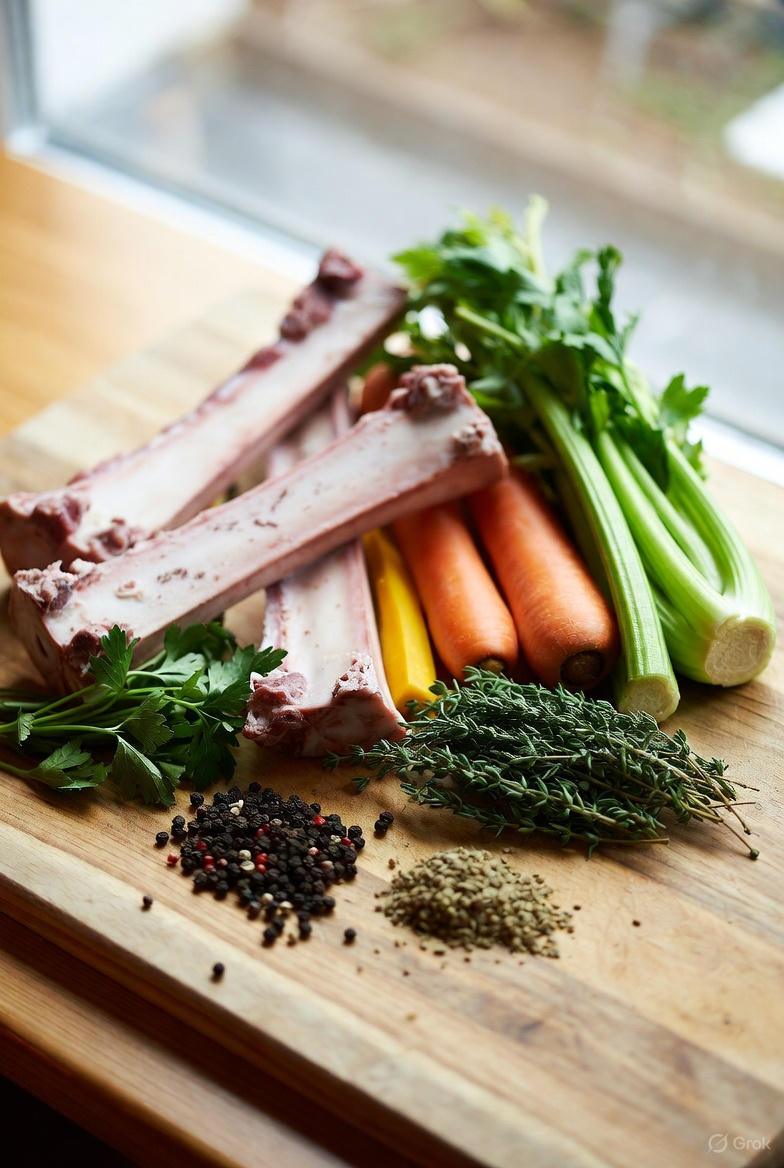
An Easy Step-by-Step Guide to Making Bone Broth at Home
You don’t need fancy equipment—just a pot and some patience. Here’s a simple method anyone can try:
- Gather 1-2 kg of bones (beef, chicken, or a mix) from a trusted source—ideally with some joints or marrow.
- Place them in a large pot and cover with water.
- Add 1-2 tablespoons of apple cider vinegar to help draw out minerals.
- Bring to a boil, then reduce to a low simmer for 8-24 hours (the longer, the richer).
- Skim any foam, then strain and cool.
- Store in the fridge for up to 5 days or freeze portions.
Sip a warm cup daily, perhaps in the morning or evening. For flavor, add herbs like ginger or turmeric, which have their own studied anti-inflammatory properties.
Start small if you’re new to it—half a cup—and see how your body responds.
Habits That Can Amplify Joint Comfort Alongside Bone Broth
No single food works alone. Pairing bone broth with these everyday choices can make a bigger difference:
- Include plenty of colorful vegetables and fruits for antioxidants
- Stay active with low-impact movements like walking or swimming
- Maintain a healthy weight to reduce stress on knees
- Drink enough water to keep tissues hydrated
- Aim for quality sleep to support natural recovery
Studies emphasize that lifestyle factors often have the strongest impact on long-term joint health.

Wrapping It Up: A Return to Nourishing Traditions
Incorporating something like bone broth into your routine is a gentle, food-based way to provide nutrients that research links to joint support. While it’s not a miracle, many find it a comforting addition that aligns with how our ancestors ate.
The key is viewing it as part of a balanced approach—real food, movement, and patience. Over weeks or months, small habits like this might help you move with more ease.
Frequently Asked Questions
How much bone broth should I drink daily for potential joint benefits?
Most people start with 1 cup per day. Research on collagen suggests 10-15 grams equivalent, but listen to your body and adjust.
Is bone broth safe for everyone?
Generally yes, but if you have gout or high purine concerns, consult a professional. Homemade versions let you control sodium.
Can vegetarians get similar nutrients?
Plant-based options like seaweed or mushroom broths provide minerals, though they lack animal-derived collagen. Collagen alternatives from eggs or supplements exist.
This article is for informational purposes only and is not intended to diagnose, treat, or cure any condition. Always consult your healthcare provider before making dietary changes, especially if you have existing health concerns.


