
Many people find themselves concerned about maintaining steady energy throughout the day and feeling their best as they age. Fluctuations in blood sugar can lead to tiredness, cravings, and a general sense of unease that affects daily life. It’s frustrating when small habits seem to add up over time, making it harder to enjoy meals or stay active without worrying about how your body responds.
The good news is that incorporating natural, everyday rituals—like enjoying a soothing cup of herbal tea in the evening—might offer gentle support for overall wellness, including blood sugar balance. And there’s one particular herb that’s been used for centuries in traditional practices, with emerging research highlighting its potential benefits. Keep reading to discover what it is and how you could easily add it to your routine.

What Is Sage and Why Is It Gaining Attention for Wellness?
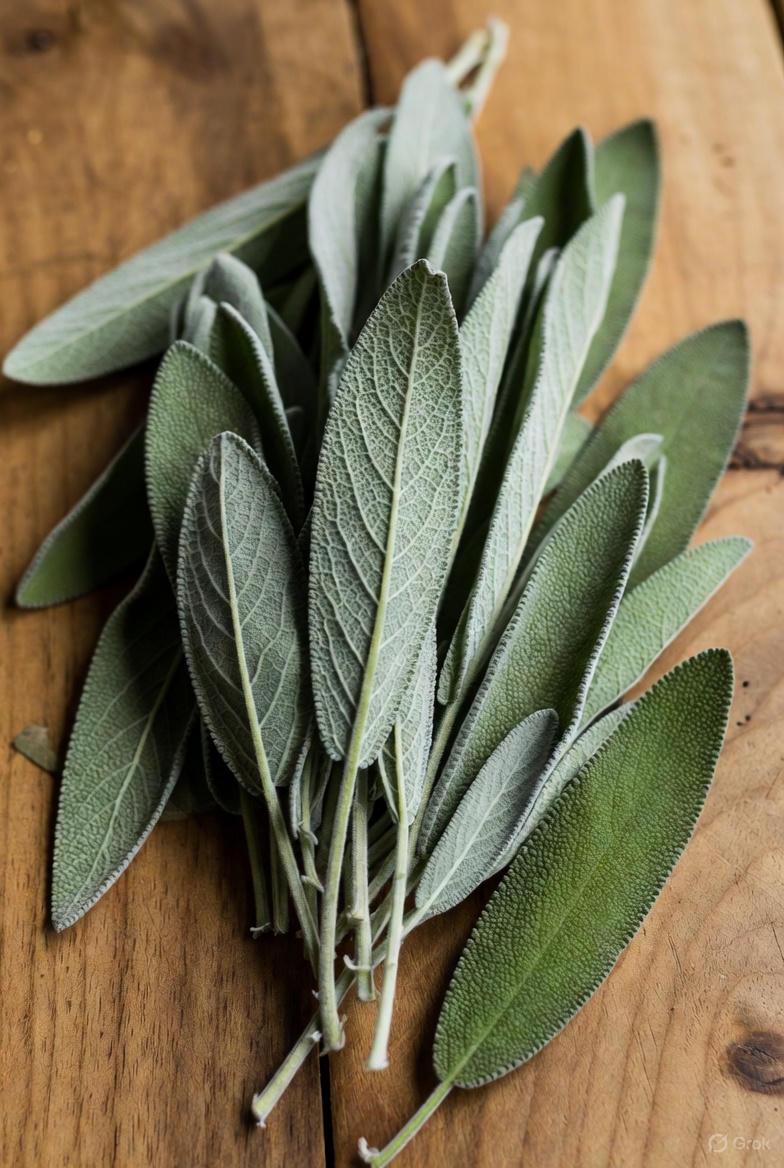
Sage, or Salvia officinalis, is a fragrant herb commonly found in kitchens around the world. It’s been part of traditional herbal remedies for generations, valued for its antioxidant properties and earthy flavor.
Research suggests that compounds in sage, like rosmarinic acid and other polyphenols, may contribute to health benefits. For instance, animal studies have shown that sage tea can influence glucose metabolism in ways similar to certain common approaches for blood sugar management. Human trials, though limited, indicate that sage leaf extract might help improve lipid profiles and support antioxidant defenses.
But that’s not all—sage is also appreciated for its calming aroma, making it a relaxing choice for winding down at night.
How Might Sage Tea Fit Into a Healthy Blood Sugar Routine?
Supporting healthy blood sugar levels often comes down to consistent lifestyle choices: balanced meals, regular movement, and mindful habits. Adding herbal teas like sage could complement these efforts.
Studies on sage have explored its role in daily wellness:
- In one small human study, participants drinking sage tea twice daily saw improvements in cholesterol levels and antioxidant activity, though no direct changes in fasting glucose were noted in healthy individuals.
- Animal research points to potential mechanisms where sage helps reduce fasting glucose by affecting liver processes, similar to well-known supplements.
- Clinical trials with sage extract in people managing type 2 diabetes showed promising results for glycemic control and lipid profiles.
Here’s a quick look at key findings from research:
| Study Type | Participants | Key Observations |
|---|---|---|
| Animal studies | Rats and mice | Reduced fasting glucose; improved insulin sensitivity |
| Human pilot trials | Healthy adults | Better lipid profile; increased antioxidants |
| Clinical trials | People with type 2 diabetes | Lowered blood sugar markers and improved cholesterol with sage extract |
These insights come from sources like PubMed and Healthline reviews, emphasizing sage’s potential as a supportive herb.
The truth is, no single drink works miracles on its own. But incorporating sage tea as part of a broader approach might make a noticeable difference over time.
A Simple Way to Prepare Sage Tea at Home
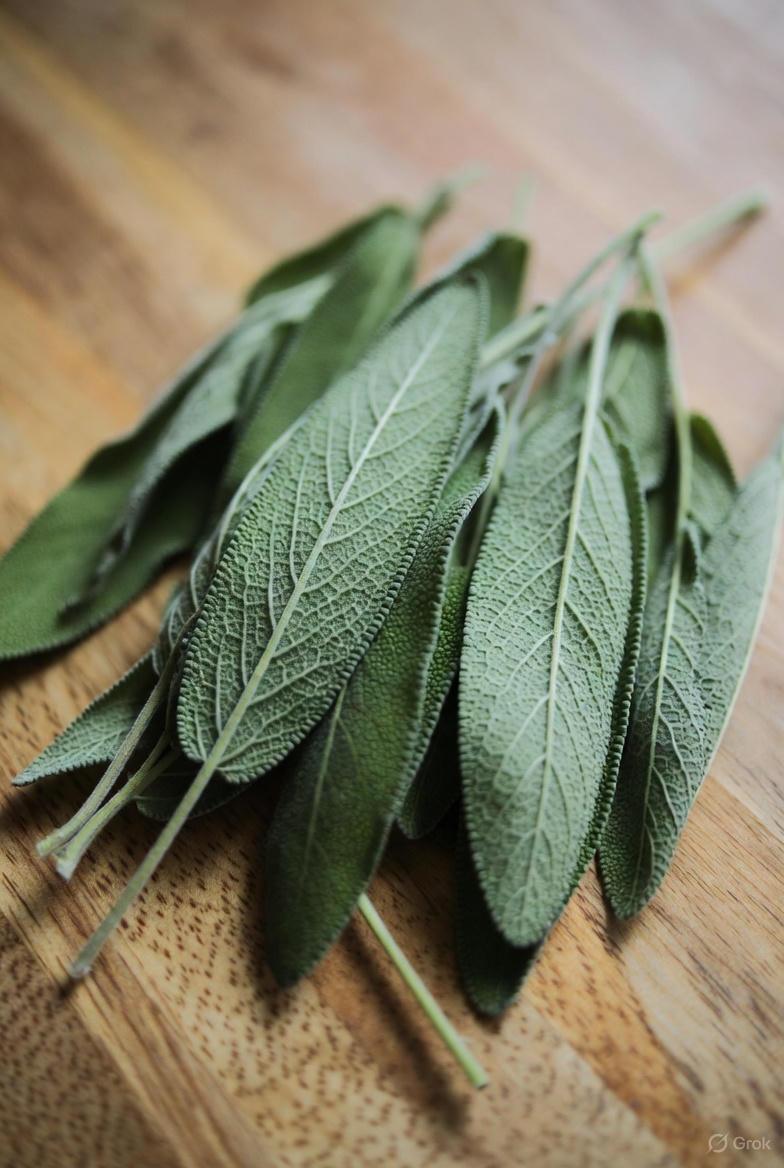
One of the best parts about sage tea is how straightforward it is to make. You can use fresh or dried leaves for a warm, aromatic brew.
Here’s an easy step-by-step guide:
- Start with 1-2 teaspoons of dried sage leaves (or a handful of fresh leaves).
- Place them in a cup or teapot.
- Pour 8-10 ounces of hot (not boiling) water over the leaves.
- Let it steep for 5-10 minutes to release the flavors and compounds.
- Strain if needed, and enjoy plain or with a slice of lemon for extra freshness.
Drink one cup in the evening, perhaps before bed, as part of your relaxation routine. Many find it soothing and a great alternative to late-night snacks.
Pro tip: Use organic sage when possible for the best quality. Start with one cup per day and see how your body responds.
Other Natural Habits That May Support Blood Sugar Balance
Sage tea isn’t the only option—pairing it with these habits can enhance your overall approach:
- Stay hydrated: Herbal teas count toward your daily water intake without added sugars.
- Incorporate movement: A short walk after meals helps your body use glucose effectively.
- Choose whole foods: Focus on vegetables, lean proteins, and healthy fats.
- Monitor portions: Eating mindfully can prevent spikes.
- Get quality sleep: Poor rest can affect how your body handles sugar the next day.
This is where the real power lies—in small, sustainable changes that add up.
Potential Benefits Beyond Blood Sugar Support
People have turned to sage for various reasons over the years. Research hints at additional perks:
- Rich in antioxidants that combat daily stressors.
- May support digestive comfort.
- Traditional use for soothing minor throat irritation.
Of course, individual experiences vary, and more large-scale studies are needed.
Frequently Asked Questions
Is sage tea safe to drink every day?
In moderation (3-6 cups per day), sage tea is generally considered safe for most adults. However, excessive amounts may contain thujone, a compound best limited. Always start slow.
Can I drink sage tea if I’m on medication?
Sage might interact with certain medications, especially those for blood sugar. It’s wise to check with your healthcare provider first.
How soon might I notice any effects?
Habits like this often show subtle benefits over weeks or months, combined with diet and exercise. Consistency is key.
Final Thoughts on Adding Sage Tea to Your Evening Routine
Exploring natural ways to support healthy blood sugar levels can feel empowering. A simple cup of sage tea before bed might become that easy, enjoyable habit you’ve been looking for—one that promotes relaxation while potentially offering wellness perks backed by traditional use and preliminary research.
Remember, these ideas are about complementing a healthy lifestyle, not replacing professional advice.
Important Disclaimer: This article is for informational purposes only and is not intended to diagnose, treat, cure, or prevent any disease. Herbal teas like sage may support general wellness but are not a substitute for medical treatment. Always consult your healthcare provider before making changes to your routine, especially if you have existing health conditions or take medications.
(Word count: approximately 1280)


