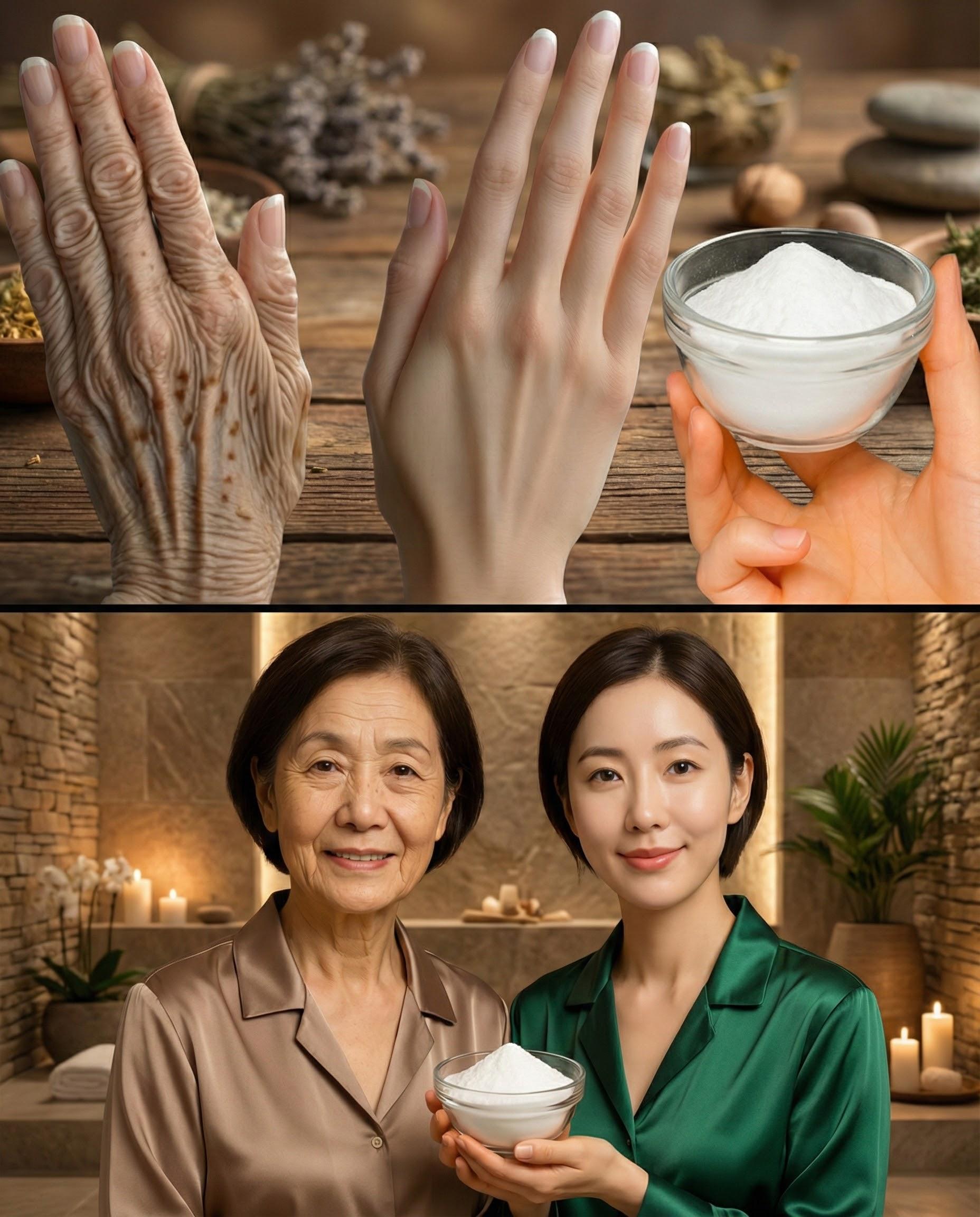
Many women over 50 notice their skin feeling drier, rougher, and less radiant than it used to. Fine lines seem more noticeable, and everyday makeup doesn’t glide on as smoothly. This buildup of dead skin cells and uneven texture can make the complexion look duller over time.
It’s frustrating when high-end products don’t deliver the fresh feel you’re hoping for. But what if a gentle, at-home option could offer a quick refresh? Keep reading to uncover a common household staple that’s caught the attention of many for its potential exfoliating properties—and why caution is key.
Understanding Changes in Mature Skin
As we age, skin cell turnover naturally slows down. Research shows that by midlife, this process can take longer, leading to a buildup of dead cells on the surface.
This layer can make skin appear less smooth and reflect light unevenly, emphasizing texture concerns. Gentle exfoliation is often recommended by dermatologists to support a brighter look, but the method matters greatly.
Harsh scrubs can sometimes cause more irritation than benefits. That’s where milder options come into play—but not all are created equal.
What Is Baking Soda and How Might It Affect Skin?
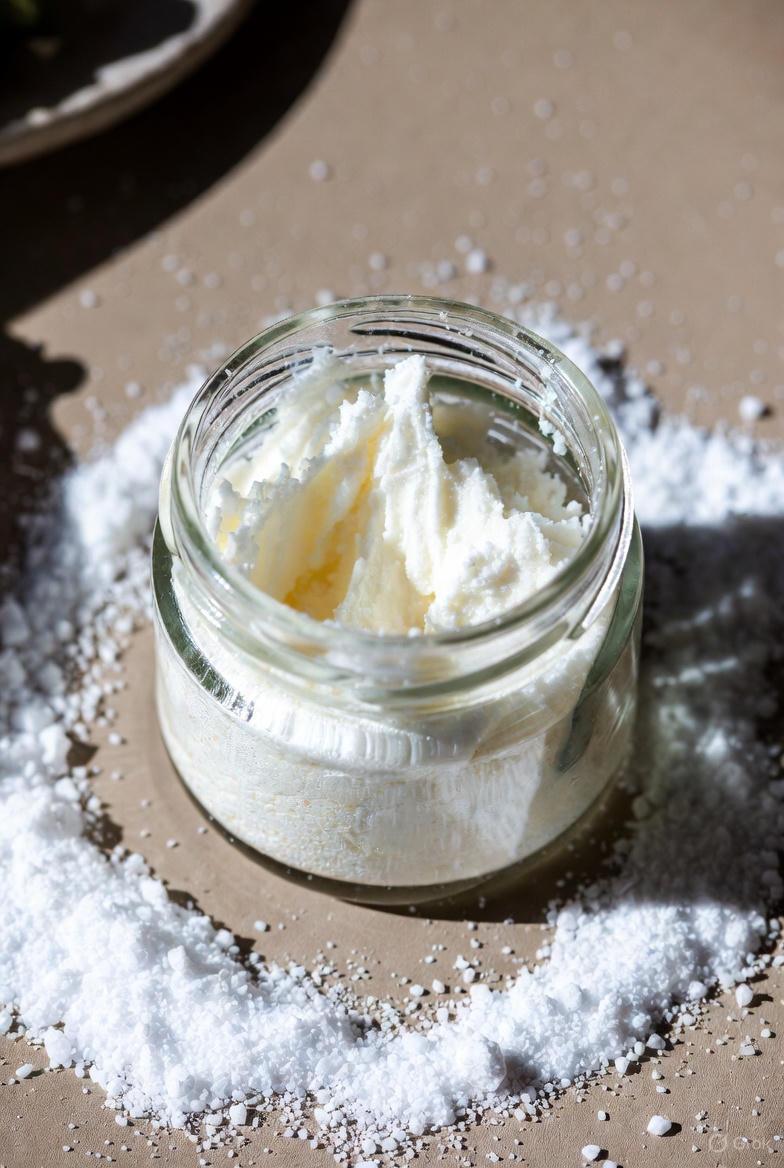
Baking soda, or sodium bicarbonate, is a fine powder commonly found in kitchens. It has a mildly abrasive texture and an alkaline pH around 9.
Some people use it as a DIY exfoliant, mixing it into pastes to buff away surface flakes. Anecdotal reports suggest it can leave skin feeling temporarily softer and cleaner.
However, skin’s natural pH is slightly acidic (around 4.5–5.5). Studies and dermatologist opinions note that alkaline substances like baking soda may temporarily shift this balance, potentially leading to dryness or sensitivity if overused.
The truth is, while it acts as a physical exfoliant, scientific evidence for long-term skin benefits is limited. Many experts advise caution, especially for facial use.
Potential Ways Baking Soda Is Used in DIY Skin Routines
People curious about natural options often turn to baking soda for these common approaches:
- Temporary oil absorption: Its powder form can mattify shiny areas for a short time.
- Mild buffing: The fine grains may help remove some dead cells, revealing a smoother feel.
- Quick cleanse sensation: Mixed with water or oil, it creates a paste that rinses off easily.
- Pore appearance: Some notice temporarily clearer-looking pores after gentle application.
- Soothing minor redness: In diluted forms, a few report a cooling effect.
But that’s not the full picture—many dermatologists highlight risks over rewards.
Here’s a quick comparison of exfoliation types:
| Exfoliation Type | How It Works | Common Examples | Potential Pros | Potential Cons |
|---|---|---|---|---|
| Physical (Mechanical) | Manually buffs away dead cells | Baking soda, sugar scrubs | Immediate smooth feel | Risk of micro-tears if too abrasive |
| Chemical | Dissolves bonds between dead cells | AHAs (like glycolic), BHAs | More even, controlled renewal | May sting initially |
| Enzymatic | Uses natural enzymes to break down | Pineapple or papaya extracts | Gentle for sensitive skin | Slower results |
Real Experiences and What Research Suggests
Some individuals share positive stories of softer skin after occasional use. For example, mixing baking soda with coconut oil creates a paste that feels nourishing to certain users.
Yet, reviews in dermatology journals emphasize that while baking soda has uses in specific medical contexts (like baths for certain conditions), evidence for routine facial exfoliation is weak.
Dermatologists often point out that its alkalinity can disrupt the skin’s protective barrier. This might cause temporary tightness or irritation, especially in mature or dry skin.
The interesting part? Gentler alternatives like oatmeal or jojoba beads provide similar buffing without the pH concerns.
Safety Considerations When Exploring Baking Soda
If you’re thinking about trying it, start with these key tips:
- Always patch test on your inner arm for 24 hours.
- Dilute generously—never use pure powder.
- Limit contact time to 5–10 minutes maximum.
- Use no more than 1–2 times per week.
- Follow immediately with a rich moisturizer and sunscreen.
Avoid it altogether if you have sensitive, broken, or eczema-prone skin. Signs of irritation like redness or dryness mean stop right away.
Research indicates overuse can strip natural oils, leading to rebound dryness. Listening to your skin is crucial.
A Gentle Step-by-Step Approach If You Choose to Try
For those still curious, here’s a cautious method many suggest:
- Cleanse your face with a mild cleanser and pat damp.
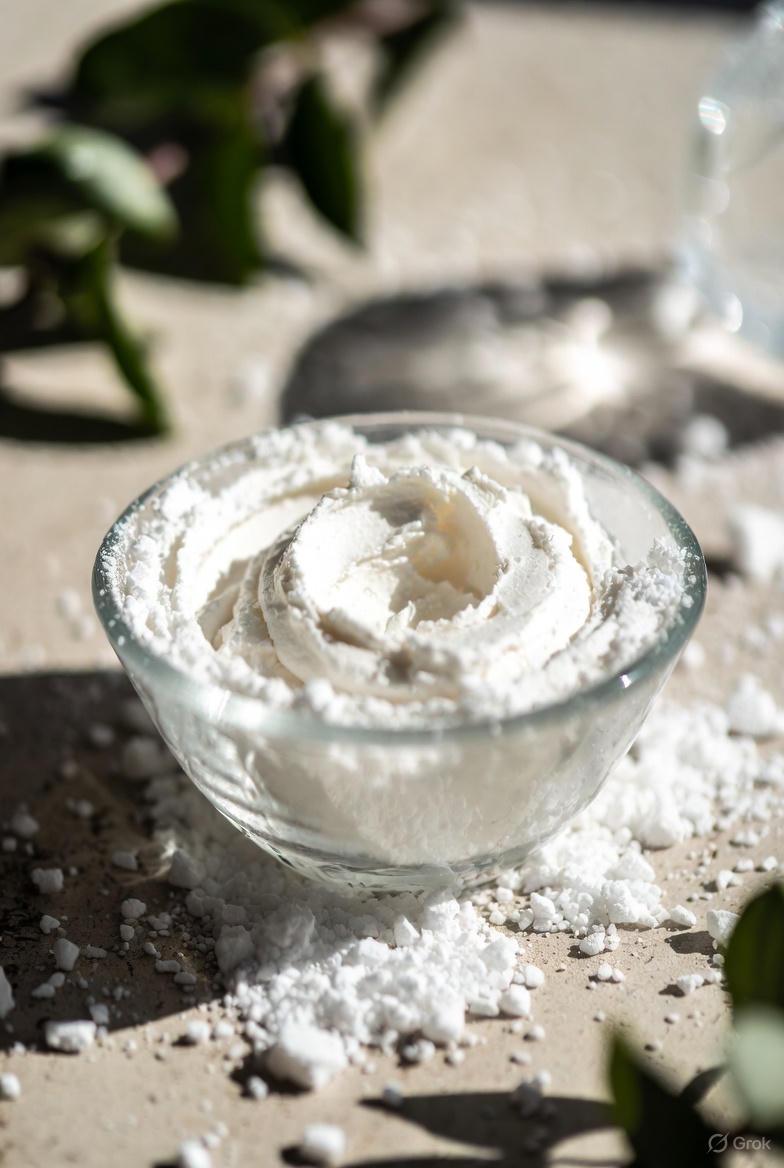
- Mix 1 teaspoon baking soda with 2 teaspoons coconut oil or water for a paste.
- Gently massage in circular motions for 1 minute, avoiding the eye area.
- Let sit for up to 5–10 minutes.
- Rinse thoroughly with lukewarm water.
- Pat dry and apply a soothing moisturizer.
Many notice an immediate refreshed texture—but results vary widely. This isn’t a daily habit.
Better Alternatives for Mature Skin Exfoliation
Dermatologists often recommend these evidence-backed options:
- Alpha hydroxy acids (AHAs): Like lactic acid for gentle renewal.
- Beta hydroxy acids (BHAs): Salicylic acid for deeper cleansing without abrasion.
- Enzyme exfoliants: Fruit-based for non-irritating breakdown of dead cells.
- Soft cloths or konjac sponges: Mechanical but ultra-gentle.
Pair any exfoliation with hydration and sun protection for best support.
Wrapping Up: Informed Choices for Your Skin
Exploring simple ingredients like baking soda shows how many seek affordable ways to maintain a radiant appearance. Occasional, careful use might offer a temporary smooth feel for some.
But the bigger takeaway? Prioritizing skin barrier health with pH-balanced, gentle products often yields more consistent comfort—especially as skin matures.
What works best is personal. Trying new routines thoughtfully can be empowering.
Frequently Asked Questions
Is baking soda suitable for daily facial use?
No, most experts recommend against daily use due to potential pH disruption and irritation. Limit to occasional if at all.
Can baking soda help with uneven texture in older skin?
It may provide temporary smoothing through exfoliation, but gentler alternatives are often preferred to avoid dryness.
What should I do if my skin reacts badly?
Stop immediately, soothe with a plain moisturizer, and consult a dermatologist if irritation persists.
This article is for informational purposes only and is not a substitute for professional medical advice. Always consult a healthcare provider or dermatologist before trying new skincare ingredients, especially if you have sensitive skin or underlying conditions.