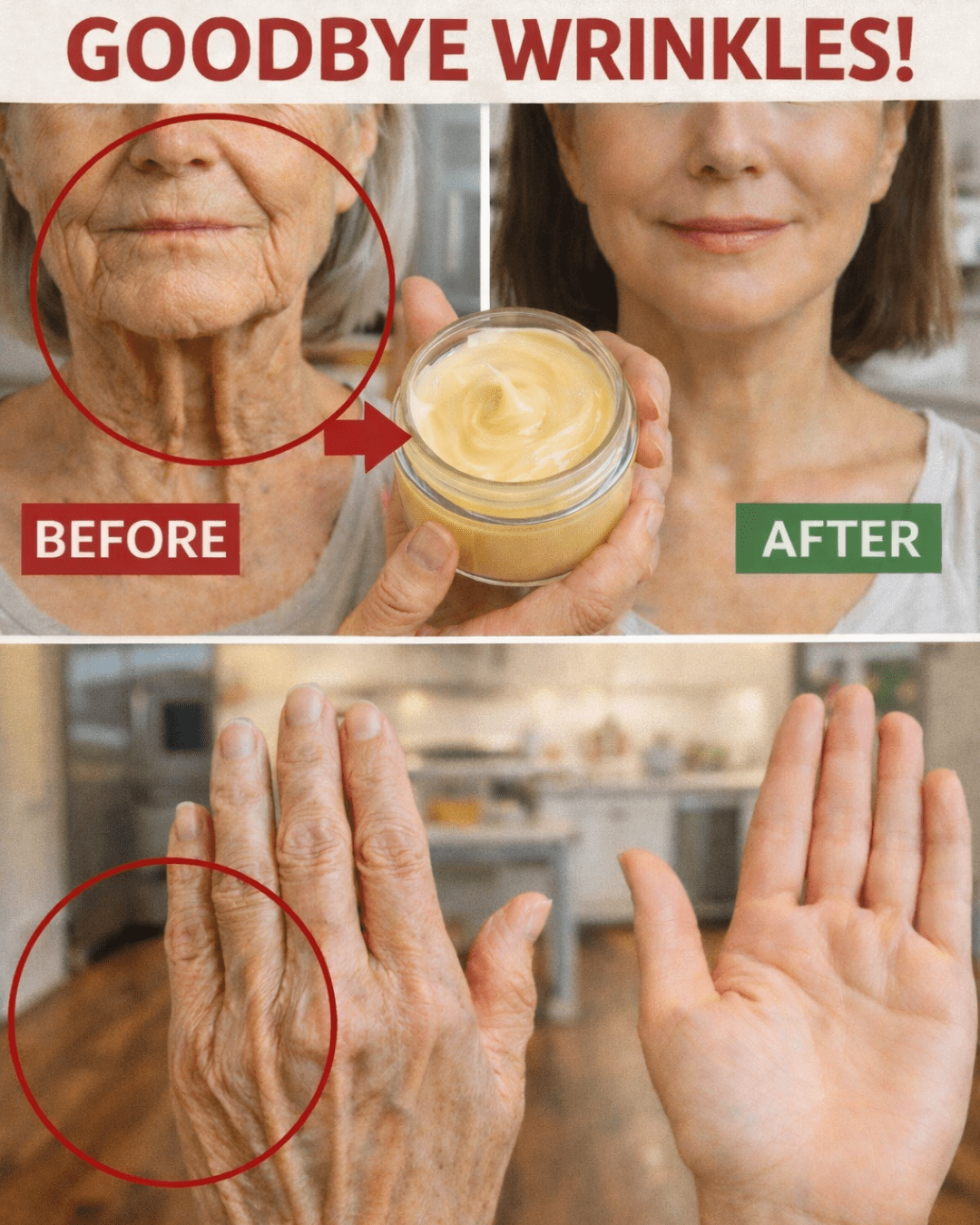
Many people notice changes in their skin as they get older, such as dryness, uneven tone, or loss of firmness. These common concerns can feel frustrating, especially after trying various products with limited results. What if a familiar ingredient from your spice cabinet, like bay leaves, could offer gentle support when used thoughtfully in daily routines?
Research suggests that natural compounds in plants may help nourish the skin in subtle ways. Keep reading to discover some interesting insights about bay leaves and practical ideas you might want to explore further.
What Are Bay Leaves and Why Are They Interesting for Skin Care?
Bay leaves come from the Laurus nobilis tree, a plant long used in cooking and traditional wellness practices around the Mediterranean. They contain natural compounds like antioxidants, essential oils, and polyphenols that have caught the attention of researchers.
Studies on plant extracts, including those from bay leaves, point to potential benefits such as fighting free radicals and soothing irritation. For example, reviews of herbal ingredients show they can support skin hydration and elasticity when applied topically.
But that’s not all—let’s look closer at what science says.
The Antioxidant Power in Bay Leaves
Free radicals from sun exposure, pollution, and daily stress can contribute to skin concerns over time. Antioxidants help neutralize these.
Bay leaves are rich in compounds like eugenol, cineole, and polyphenols. Lab studies indicate these have strong antioxidant activity, potentially protecting skin cells.
One review of phytochemicals highlighted how such plant-based antioxidants may promote skin’s natural defenses and structural integrity.
Here’s a quick overview of key compounds:
- Eugenol: Known for anti-inflammatory effects
- Cineole: Supports soothing properties
- Linalool: May aid in calming the skin
- Polyphenols: Help combat oxidative stress
How Bay Leaves Might Support Skin Hydration and Soothing
Dry or irritated skin is a common issue, especially in changing seasons or with age.
Essential oil from bay leaves has shown moisturizing potential in some studies. Plant-based oils can create a gentle barrier, helping retain moisture.
Additionally, anti-inflammatory properties may calm redness or discomfort. Traditional uses include bay leaf infusions for soothing skin.
Research on similar herbal extracts found improvements in hydration and reduced inflammation when used regularly.
Potential Benefits for a Brighter, More Even Complexion
Uneven tone or dullness can make skin look tired. Antioxidants in bay leaves might help here too.
Some evidence suggests these compounds support brighter appearance by addressing oxidative damage. Topical application of diluted bay leaf oil is popular in natural routines for a refreshed look.
A study on plant extracts noted better skin tone and reduced melanin-related issues with consistent use.

Simple Ways to Incorporate Bay Leaves into Your Routine
If you’re curious, here are gentle, actionable tips to try at home. Always dilute properly and patch-test first.
Bay Leaf Infused Oil (Cold Infusion Method)
This preserves natural compounds better than heat.
- Take 5-10 dried bay leaves and gently crush them.
- Place in a clean jar and cover with a carrier oil like olive or jojoba.
- Let steep in a cool, dark place for 2-4 weeks, shaking occasionally.
- Strain and store in a dark bottle.
- Use a few drops massaged into clean skin nightly.
Soothing Bay Leaf Rinse
- Steep 3-5 bay leaves in hot water for 10 minutes.
- Cool completely.
- Use as a final facial rinse or add to bath water for overall soothing.
Comparison of Common Uses
| Method | Best For | Frequency Suggestion | Notes |
|---|---|---|---|
| Infused Oil Massage | Hydration & Glow | Nightly | Dilute well; great for face/neck |
| Tea Rinse | Soothing & Refreshing | 2-3 times/week | Gentle for sensitive skin |
| Added to Moisturizer | Daily Support | As needed | Mix a drop into your cream |
Start slow and observe how your skin responds.
What Does Research Really Say?
While promising, most studies are on extracts or essential oils in lab settings. Human trials on bay leaves specifically for skin are limited.
General research on antioxidants from plants supports hydration, elasticity, and protection from environmental stressors. Bay leaf oil has shown antimicrobial and anti-inflammatory effects in some tests.
Always combine with proven habits like sunscreen, gentle cleansing, and a balanced diet.

Frequently Asked Questions
1. Are bay leaves safe for all skin types?
Most people tolerate them well when diluted, but sensitive skin should patch-test. Avoid undiluted essential oil.
2. How long until I might notice changes?
Natural routines often take 4-8 weeks of consistent use. Results vary by individual.
3. Can I use fresh vs. dried bay leaves?
Dried are more concentrated and commonly used. Fresh work too, but ensure they’re clean.
Final Thoughts
Exploring natural ingredients like bay leaves can be a gentle addition to your skin care habits. Their antioxidant and soothing properties offer interesting potential, backed by some scientific insights.
Pair with healthy lifestyle choices for the best support. Your skin’s needs are unique—listen to it.
Disclaimer: This article is for informational purposes only and is not medical advice. Results vary, and bay leaves do not diagnose, treat, cure, or prevent any condition. Always perform a patch test for new ingredients. Consult a dermatologist or healthcare professional before starting any new routine, especially if you have skin concerns, allergies, or are pregnant.