
Many adults over 65 experience occasional knee stiffness or discomfort that can make daily activities like walking or climbing stairs feel more challenging. This discomfort often stems from natural changes in joint health over time, affecting millions and sometimes limiting enjoyment of hobbies, family time, or simple movement.
The frustrating part? It can build gradually, starting with morning stiffness that eases slowly, then progressing to more persistent aches during the day. You might find yourself hesitating on walks or avoiding certain activities altogether.
But here’s something interesting: emerging research points to certain foods rich in nutrients that support collagen production and joint function. Keep reading to discover a straightforward morning smoothie idea that incorporates three accessible ingredients many people are exploring for potential joint support—and why it might be worth trying.

Understanding Knee Discomfort in Older Adults
Knee issues become more common with age. Studies show that osteoarthritis, the most frequent form of arthritis, affects around 32.5 million adults in the U.S., with prevalence rising sharply after 65.
Research indicates that natural declines in collagen—a key protein for joint cushioning—play a role, along with factors like reduced nutrient absorption and everyday wear.
While no food or supplement can reverse these changes, some nutrients from diet may help maintain joint flexibility and comfort. This is where targeted ingredients come in.
Why These Three Ingredients Stand Out for Joint Support
People interested in natural ways to support joint health often turn to foods that provide building blocks for collagen or help manage inflammation. Here’s a closer look at three commonly discussed options:
Chayote Squash: A Source of Vitamin C
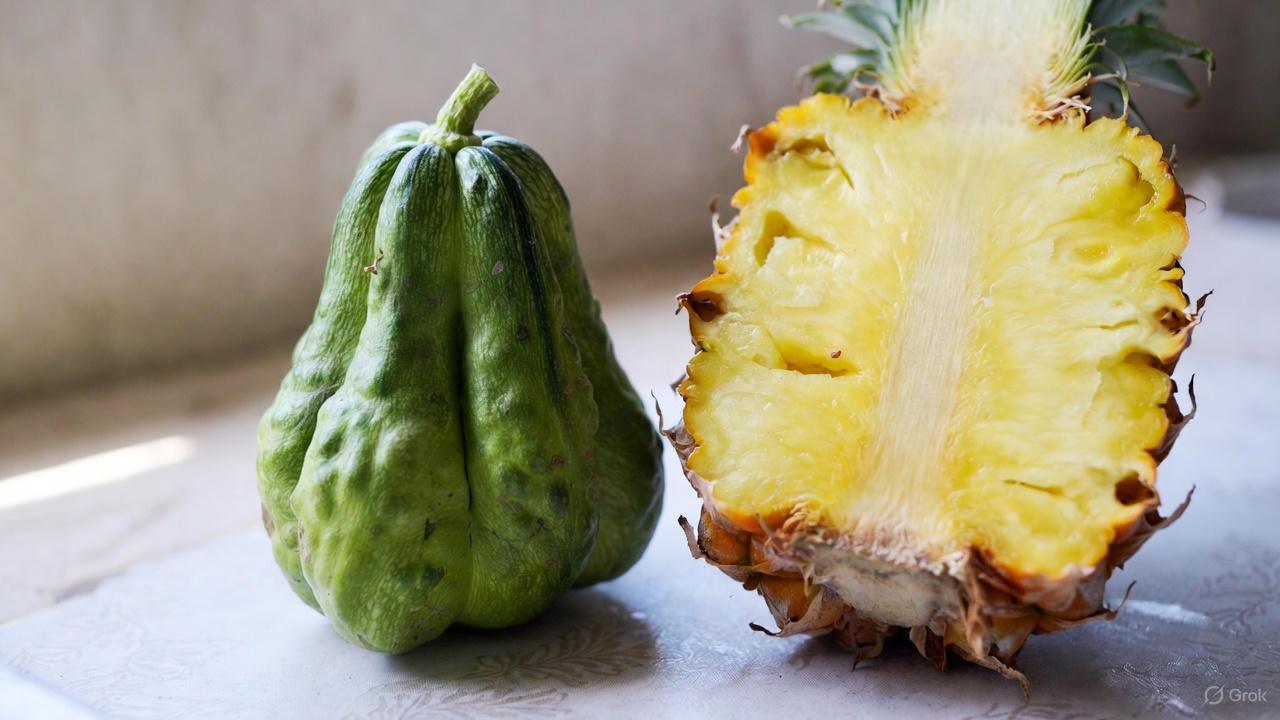
Chayote, also known as mirliton or vegetable pear, is a mild-tasting squash packed with vitamin C—an essential nutrient for collagen synthesis.
Vitamin C acts as a cofactor, helping the body assemble collagen strands effectively. Studies show that adequate vitamin C intake supports connective tissue health, and foods like chayote provide it naturally along with fiber and antioxidants.
One medium chayote offers a meaningful portion of daily vitamin C, making it an easy addition to meals.
Pineapple Core: Rich in Bromelain
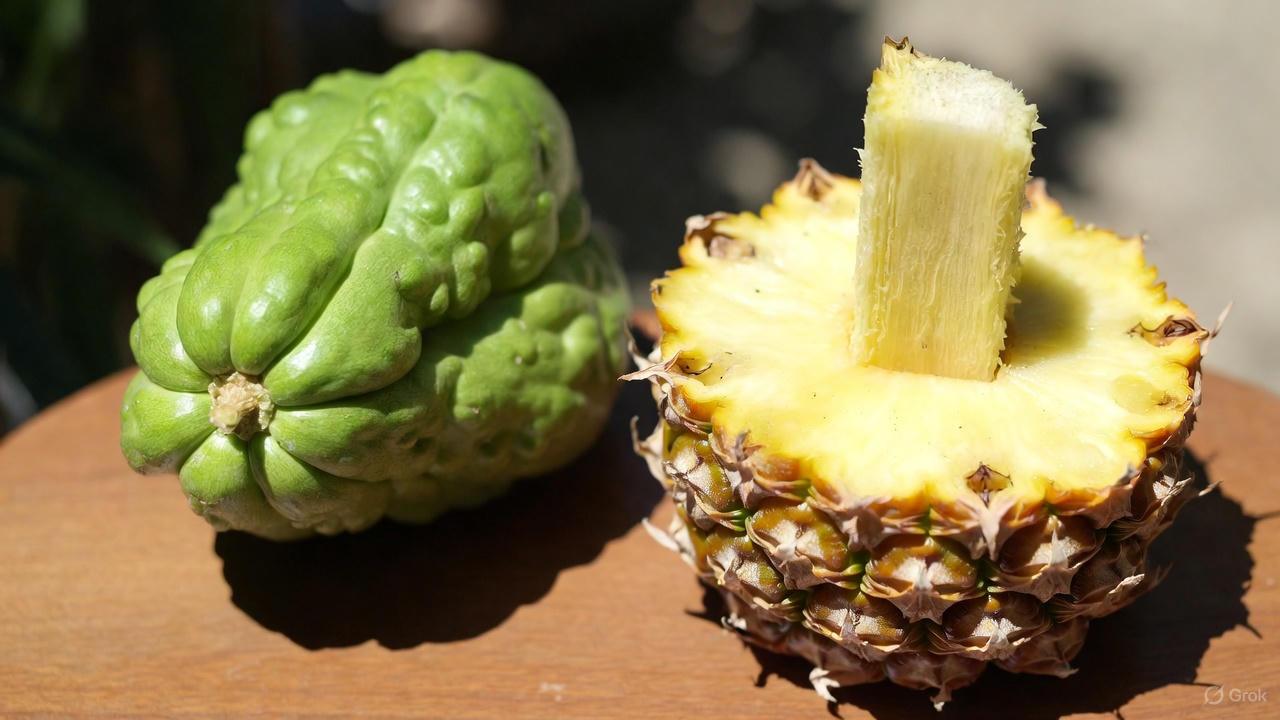
Don’t toss the pineapple core—it’s concentrated in bromelain, a group of enzymes with researched anti-inflammatory properties.
Clinical reviews of bromelain suggest it may help reduce mild knee discomfort and stiffness in osteoarthritis, performing comparably to some over-the-counter options in certain trials, with good tolerability.
Including the core in smoothies maximizes bromelain intake, potentially supporting easier movement.
Plain Gelatin: Provides Key Amino Acids
Gelatin, derived from collagen, supplies glycine and proline—amino acids abundant in joint cartilage.
Some studies on gelatin or collagen hydrolysate indicate potential benefits for joint pain reduction and mobility. Additionally, glycine from gelatin has been linked to better sleep quality in research, which indirectly aids recovery.
About 10g daily is a common amount explored in studies.
But that’s not all—combining these creates a synergistic effect, as vitamin C enhances collagen utilization, bromelain aids absorption, and gelatin delivers the raw materials.
Potential Benefits Backed by Research
Incorporating these ingredients into your routine might offer several advantages:
- Improved Morning Mobility: Reduced stiffness upon waking, as noted in studies on bromelain and collagen components.
- Daily Comfort: Easier navigation of stairs or walks, with research showing modest pain relief.
- Better Rest: Glycine supports deeper sleep, helping you feel refreshed.
- Bonus Skin Perks: Collagen-related nutrients often improve elasticity and hydration.
| Benefit | Supporting Nutrient | Key Insight from Studies |
|---|---|---|
| Joint Comfort | Bromelain from Pineapple | Comparable to NSAIDs in some knee OA trials |
| Collagen Support | Vitamin C from Chayote | Essential for synthesis and tissue repair |
| Mobility & Flexibility | Gelatin Amino Acids | Potential pain reduction in osteoarthritis |
| Sleep Quality | Glycine in Gelatin | Promotes restorative rest |
| Skin Hydration/Elasticity | Overall Collagen Boost | Improved in multiple RCTs |
Here’s a quick comparison of common approaches:
| Approach | Pros | Cons |
|---|---|---|
| Over-the-Counter Meds | Quick relief | Potential side effects with long use |
| Injections/Surgery | Targeted for severe cases | Invasive, costly |
| Dietary Ingredients | Natural, affordable, multi-benefits | Results vary, takes consistency |
Easy 5-Minute Morning Smoothie Recipe
Ready to try? This simple blend uses the three ingredients for a creamy, refreshing start to your day.
Ingredients (Serves 1):
- ½ medium chayote squash (peeled and chopped)
- ¾-inch slice fresh pineapple (include the core)
- 10g unflavored gelatin (about 1 packet)
- 1⅔ cups filtered water
- Optional: 1 tsp raw honey for sweetness
Steps:
- Bloom the gelatin: Mix it with a little warm water and let sit 5 minutes.
- Add all ingredients to a blender.
- Blend on high for 1-2 minutes until smooth.
- Drink on an empty stomach, waiting 30 minutes before eating.
Aim for consistency—many notice changes after a few weeks.
What to Expect: A Realistic Timeline
Individual results vary, but here’s a general guide based on user experiences and studies:
- Weeks 1-2: Less morning stiffness, better sleep.
- Weeks 3-4: Easier daily activities.
- Months 2-3: Potential improvements in comfort and mobility.
Track how you feel to stay motivated.
Frequently Asked Questions
1. Is this smoothie safe for everyone?
Generally yes, as these are common foods. However, if you have allergies (e.g., to pineapple) or take blood thinners (bromelain may interact), check with your doctor.
2. How long should I try it?
Studies on similar nutrients often span 8-12 weeks. Consistency matters most.
3. Can I add other ingredients?
Absolutely—try berries for extra antioxidants or ginger for flavor.
In summary, while knee discomfort is common with aging, incorporating nutrient-rich foods like chayote, pineapple core, and gelatin into a daily smoothie offers a gentle, evidence-informed way to support joint health, mobility, and overall well-being.
Disclaimer: This article is for informational purposes only and not intended to diagnose, treat, cure, or prevent any disease. Always consult your healthcare provider before making dietary changes, especially if you have health conditions or take medications. Results vary by individual.


