
Many people notice changes in their skin over time, such as dryness, dullness, or loss of smoothness. These common concerns can make daily routines feel frustrating, especially when trying various products without seeing the desired improvements. But what if some everyday kitchen ingredients could offer gentle support for your skin’s appearance?
In this guide, we’ll explore the potential benefits of a natural DIY face mask using yogurt and yeast, backed by insights from research. You’ll discover why these ingredients are popular in skincare, easy recipes to try at home, and tips for safe use. Keep reading to uncover how this simple ritual might fit into your wellness routine.
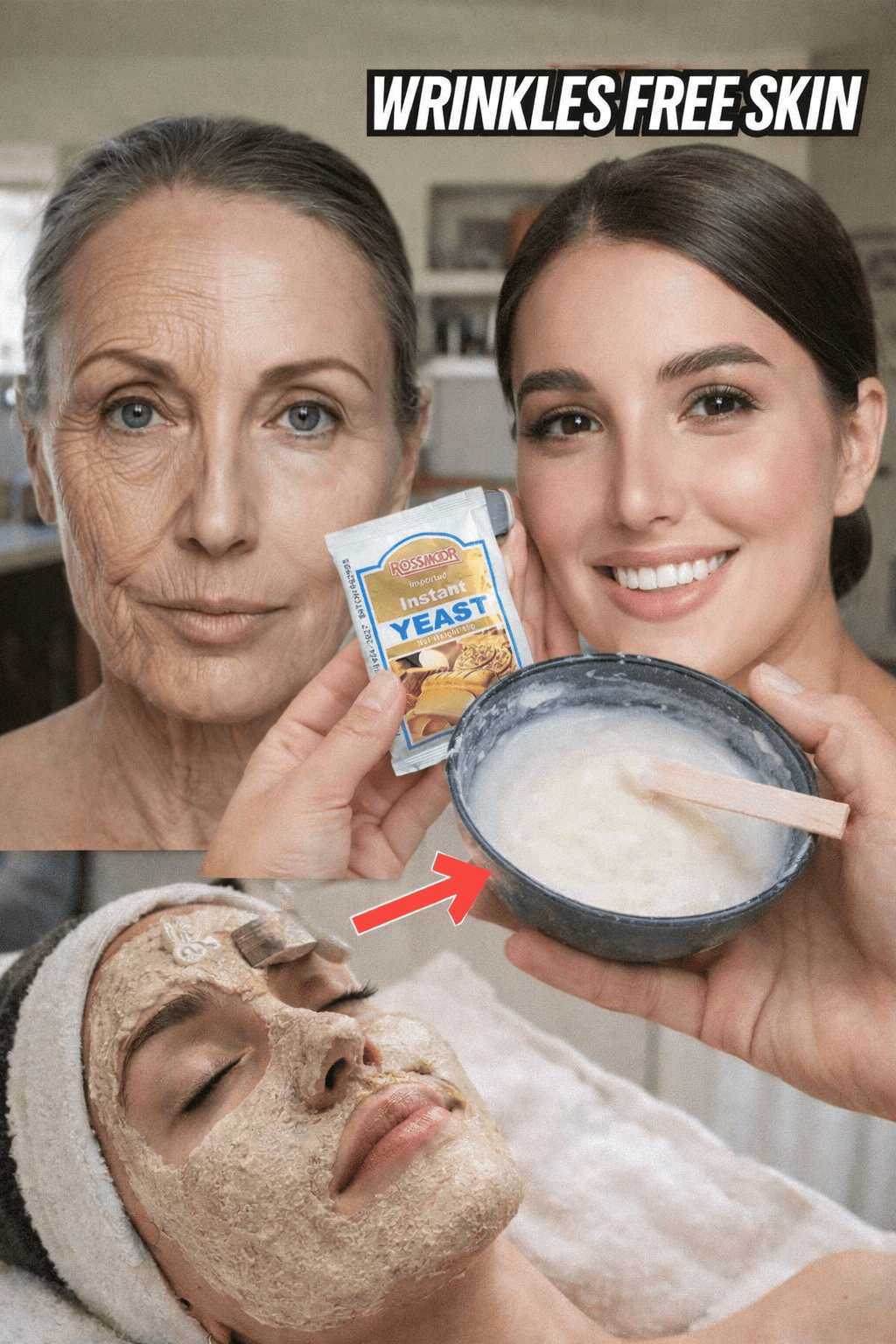
Understanding Common Skin Changes with Age
As we get older, skin naturally experiences shifts. Reduced moisture retention and slower cell turnover can lead to a rougher texture or less radiance. Studies show that factors like environmental exposure and oxidative stress play a role in these visible changes.
Research indicates lactic acid, found in yogurt, may help with gentle exfoliation by removing dead skin cells. This can contribute to a smoother feel over time.
But that’s not all—pairing it with yeast adds another layer of interest.
Why Yogurt Stands Out in Natural Skincare
Plain yogurt, especially Greek or full-fat varieties with live cultures, contains probiotics and lactic acid. These components have been studied for their topical effects.
For instance, lactic acid is known as a mild alpha-hydroxy acid (AHA) that supports skin renewal. According to sources like Healthline and PubMed reviews, it can aid in hydration and brighter appearance without harsh irritation.
Probiotics in yogurt may also help soothe the skin’s surface. Anecdotal reports and some studies suggest they support a balanced microbiome, which is linked to calmer, healthier-looking skin.
Here’s a quick overview of yogurt’s key elements:
- Lactic Acid: Promotes gentle exfoliation and moisture retention.
- Probiotics: May calm irritation and support barrier function.
- Zinc and Vitamins: Contribute to overall nourishment.
The best part? It’s gentle enough for regular use on most skin types.
The Role of Yeast in Supporting Skin Health
Yeast, particularly extracts from baker’s or nutritional yeast, is rich in B vitamins, minerals, and beta-glucans. Beta-glucans from yeast have gained attention in skincare for their soothing and hydrating properties.
Research highlights beta-glucans’ ability to:
- Enhance moisture levels.
- Provide antioxidant support against environmental stressors.
- Aid in skin recovery and firmness.
Many cosmetic brands incorporate yeast-derived ingredients for these reasons. Using food-grade yeast in a DIY mask brings similar nutrients directly to your skin.
This combination of yogurt and yeast creates a nourishing blend that’s easy to make at home.
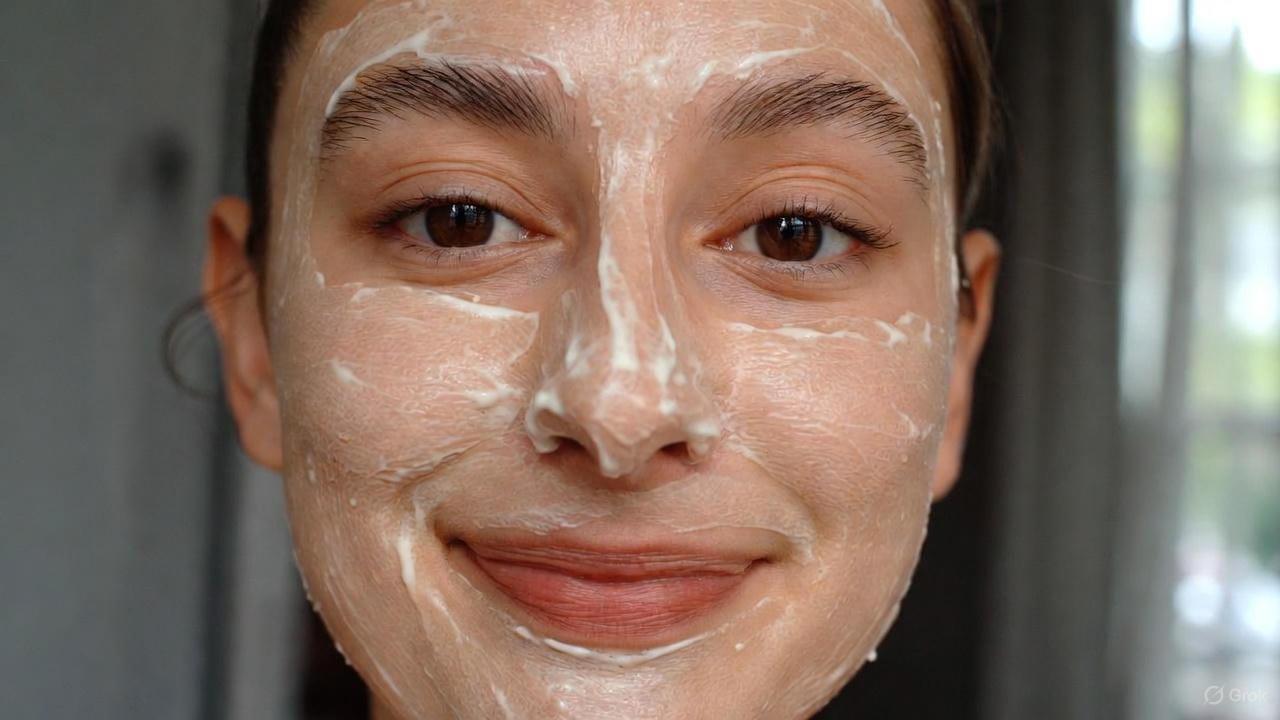
Potential Benefits of a Yogurt and Yeast Face Mask
People turn to this mask for its simplicity and natural approach. Here are some commonly reported advantages, supported by general research on the ingredients:
| Benefit | How It May Help | Supporting Insight |
|---|---|---|
| Gentler Exfoliation | Removes dead cells for smoother texture | Lactic acid in yogurt acts mildly |
| Improved Hydration | Locks in moisture for plumper feel | Beta-glucans and fats from both ingredients |
| Soothed Appearance | Calms redness or dryness | Probiotics and anti-inflammatory properties |
| Brighter Complexion | Evens tone over time | Gentle renewal and antioxidants |
| Nourished Skin | Delivers vitamins and minerals | B vitamins from yeast |
Consistency is key—many notice subtle changes after a few weeks of use.
But how do you make it? Let’s get into the practical steps.
Simple Step-by-Step Recipes to Try at Home
Start with plain, unsweetened yogurt (preferably with live cultures) and active dry or nutritional yeast. Always patch test first.
Basic Yogurt and Yeast Mask
- Mix 2 tablespoons plain yogurt with 1 teaspoon nutritional yeast or active dry yeast.
- Stir until it forms a smooth paste.
- Apply to clean, dry face, avoiding eyes.
- Leave on for 10-15 minutes.
- Rinse with lukewarm water and pat dry.
- Follow with your usual moisturizer.
Use 2-3 times per week.
Enhanced Version with Oils
For extra nourishment:
- Add 1 teaspoon coconut, olive, or almond oil.
- This helps seal in hydration, especially for drier skin.
Research suggests oils like these complement the mask by providing fatty acids.
Variations for Different Needs
- For Dullness: Add a dash of honey for natural humectant properties.
- For Soothing: Include a bit of oatmeal for extra calming.
Keep recipes simple to avoid irritation.
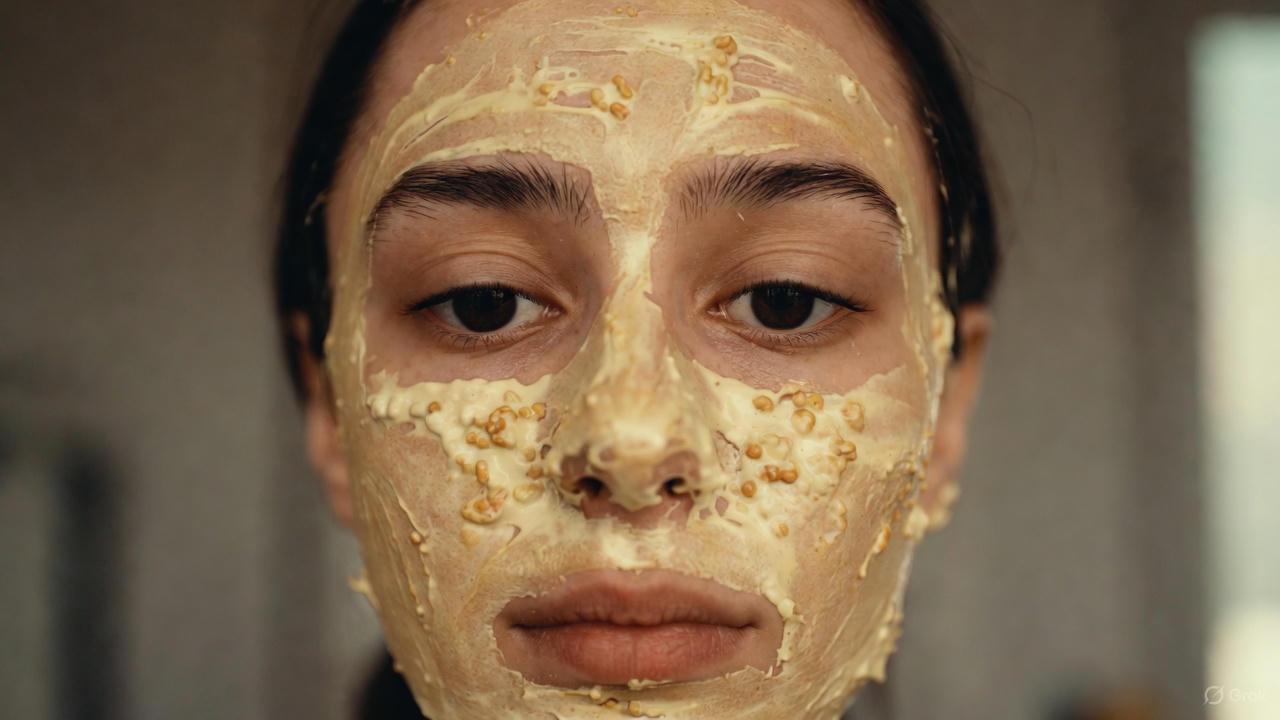
Tips for Safe and Effective Use
This mask is generally well-tolerated, but everyone’s skin is unique.
- Use fresh ingredients and prepare small batches.
- Store any leftovers in the fridge for up to 2 days.
- Avoid if you have dairy or yeast allergies.
- Stop use if any discomfort occurs.
Studies emphasize patch testing new ingredients, especially natural ones.
Pair this ritual with a balanced diet, hydration, and sun protection for overall skin support.
What Research Says About These Ingredients
While individual results vary, science offers encouraging insights:
- Lactic acid from yogurt supports exfoliation and hydration (PubMed reviews on AHAs).
- Yeast beta-glucans show moisturizing and protective effects (studies on topical polysaccharides).
- Probiotics may contribute to a healthier skin barrier.
No single ingredient is a miracle, but gentle, consistent care adds up.
You’re already ahead by exploring natural options—many find this mask a relaxing addition to self-care.
Frequently Asked Questions
How often should I use a yogurt and yeast mask?
Start with 1-2 times per week, increasing to 3 if your skin responds well. Listen to your skin’s needs.
Is this mask suitable for sensitive skin?
It can be, thanks to its mild nature. Always patch test on your inner arm first and consult a professional if needed.
Can I use this alongside other skincare products?
Yes—apply after cleansing and before heavier creams. It pairs well with hydrating serums.
Final Thoughts
Exploring a yogurt and yeast face mask is a low-cost way to incorporate natural ingredients into your routine. It may support smoother, more hydrated skin through gentle exfoliation, nourishment, and soothing effects.
Remember, skincare is personal. What works wonderfully for one may differ for another. Combine this with healthy habits for the best outcomes.
This information is for educational purposes only and is not medical advice. Results vary, and natural remedies do not replace professional skincare or treatments. Consult a dermatologist or healthcare provider for personalized recommendations, especially if you have skin conditions or sensitivities. Always perform a patch test before full application and discontinue use if irritation occurs.


