Many adults over 60 notice occasional moments of mental haze or low energy during the day, even after enjoying their usual cup of coffee. These common experiences can make everyday tasks feel a bit more challenging and affect overall enjoyment of daily activities. While coffee provides a familiar boost, some people are exploring natural additions to their routine for extra support.
What if a simple tweak to your brew could offer something more? Keep reading to discover how lion’s mane mushroom powder is gaining attention—and why research suggests it might be worth considering.

What Is Lion’s Mane Mushroom and Why Add It to Coffee?
Lion’s mane (Hericium erinaceus) is an edible mushroom long used in traditional Asian practices. It has a mild, slightly earthy taste that blends well into beverages without overpowering them.
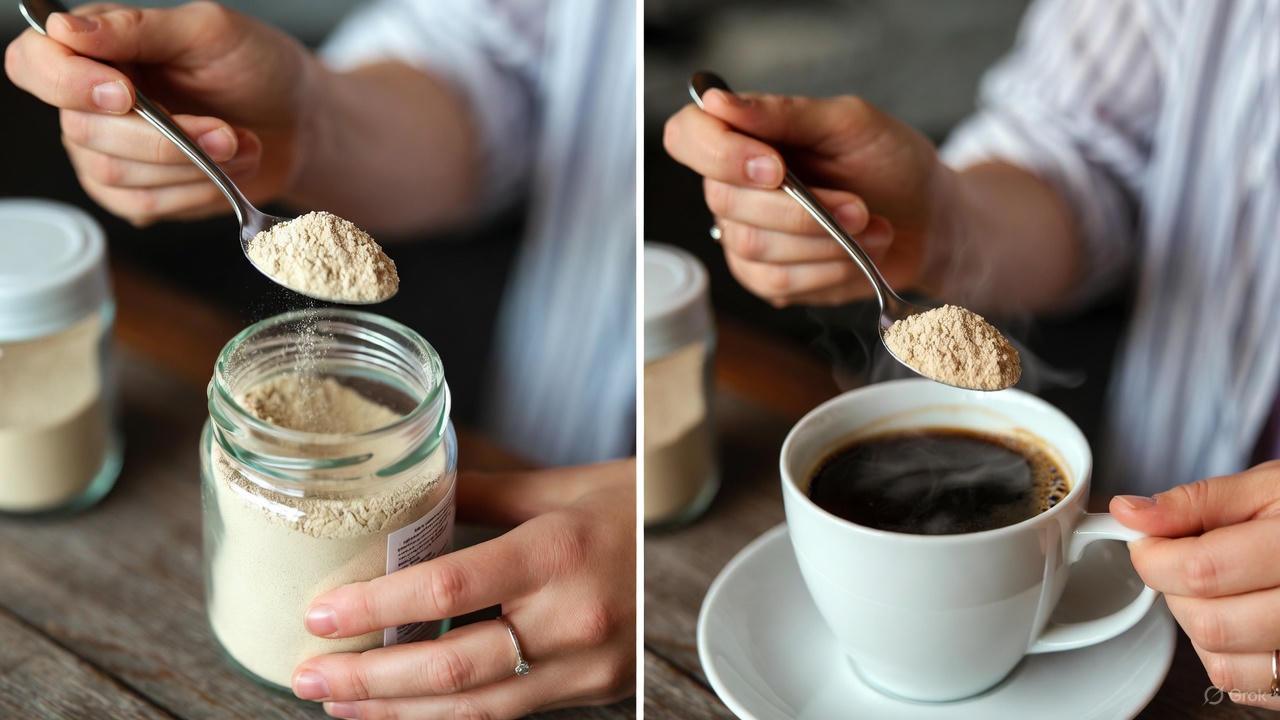
People often stir the powder form into coffee because it dissolves easily and pairs naturally with the brew’s richness. This combination allows you to keep your morning ritual while incorporating a functional ingredient.
Research shows lion’s mane contains unique compounds like hericenones and erinacines. Preliminary studies indicate these may stimulate nerve growth factor (NGF), a protein that supports brain cell health.
But that’s just the start—here’s what emerging evidence points to.
Potential Ways Lion’s Mane May Support Cognitive Health
Small human studies have explored lion’s mane for brain function, particularly in older adults.
- One double-blind trial with adults aged 50–80 experiencing mild cognitive challenges found that 3 grams daily (in tablets) for 16 weeks was linked to better scores on cognitive tests compared to placebo.
- Another study in healthy older adults noted minor improvements in certain cognitive measures after 12 weeks.
Researchers suggest these effects could relate to the mushroom’s role in promoting neurogenesis and protecting nerve cells. However, results vary, and larger studies are needed.
Adding it to coffee doesn’t change these findings directly, but the routine makes consistent use easier.
How Lion’s Mane Might Help with Daily Energy and Mood
Feeling sluggish by midday is common with age. Some research hints lion’s mane could play a supportive role here too.
- A pilot study in young adults showed faster cognitive performance and lower subjective stress after supplementation.
- In menopausal women, daily intake was associated with reduced irritation and better mood.
Animal and lab studies also point to anti-inflammatory and antioxidant properties that might contribute to sustained vitality without the typical caffeine crash.
The truth is, individual responses differ—but many report appreciating the steady feel when combined with coffee.
Other Areas Where Research Shows Promise
Beyond the brain, studies have looked at additional benefits:
- Gut health: Prebiotic-like fibers may nourish beneficial bacteria.
- Immune support: Polysaccharides could help activate immune cells (mostly from lab/animal data).
- Nerve protection: Potential to aid recovery from nerve injuries in early research.
Again, human evidence is limited, but these areas make lion’s mane intriguing for overall wellness.
Here’s a quick comparison of common morning options:
| Option | Typical Effect | Potential Drawbacks | Notes on Lion’s Mane Addition |
|---|---|---|---|
| Regular Coffee | Quick alertness | Possible jitters or crash | May balance with steady support |
| Extra Caffeine | Strong boost | Energy dips later | Mushroom compounds offer alternative pathway |
| No Addition | Familiar routine | Limited extra nutrients | Easy way to incorporate functional food |
Practical Tips: How to Add Lion’s Mane Powder to Your Coffee
Start simple for the best experience.
- Choose a high-quality organic powder from the fruiting body (for full compounds).
- Begin with ½–1 teaspoon per cup to assess taste and tolerance.
- Stir into hot brewed coffee—add a splash of milk or cream if needed for better mixing.
- Optional: Include cinnamon or cocoa for flavor enhancement.
- Aim for consistency; studies often used 1–3 grams daily.
Pairing with fats (like in a latte) may improve absorption of certain compounds.
This isn’t about perfection—just an easy habit many find enjoyable.

Comparing Forms of Lion’s Mane
- Powder: Versatile for coffee, smoothies, or food.
- Capsules: Convenient, no taste.
- Tea/Extract: Alternative if avoiding coffee.
Powder shines for daily brew integration.
And here are some flavor-masking ideas:
- Black coffee for purest blend
- Oat or almond milk for creaminess
- A dash of vanilla or honey for sweetness
Summary: A Simple Addition Worth Exploring
Lion’s mane mushroom powder in coffee offers a straightforward way to explore potential support for focus, energy, and mood as we age. While promising studies exist—especially for cognitive function—results aren’t guaranteed for everyone, and more research will clarify long-term effects.
If you’re curious, starting small could fit seamlessly into your routine.
Frequently Asked Questions
1. How much lion’s mane powder should I add to coffee?
Most people start with ½–1 teaspoon (about 1–2 grams) per cup. Studies used up to 3 grams daily, often divided.
2. Does it change the taste of coffee much?
It adds a subtle earthy note, but many find it blends well—especially with milk or sweeteners.
3. Is lion’s mane safe for daily use?
It’s generally well-tolerated, with mild digestive upset possible in some. Consult your doctor, especially if on medications.
This article is for informational purposes only and is not intended as medical advice. Always consult your healthcare provider before adding new supplements to your routine, particularly if you have health conditions or take medications.