
Many people notice their teeth looking duller over time from daily habits like drinking coffee or tea. This can make smiles feel less confident, especially in photos or conversations. It’s common to wonder about easy ways to keep teeth looking their best without complicated routines.
What if something as simple as eggshells from your kitchen could play a role in supporting oral health? Research has explored this idea, and we’ll look at what studies suggest—plus practical tips if you’re curious. The most interesting insights come toward the end, so keep reading.
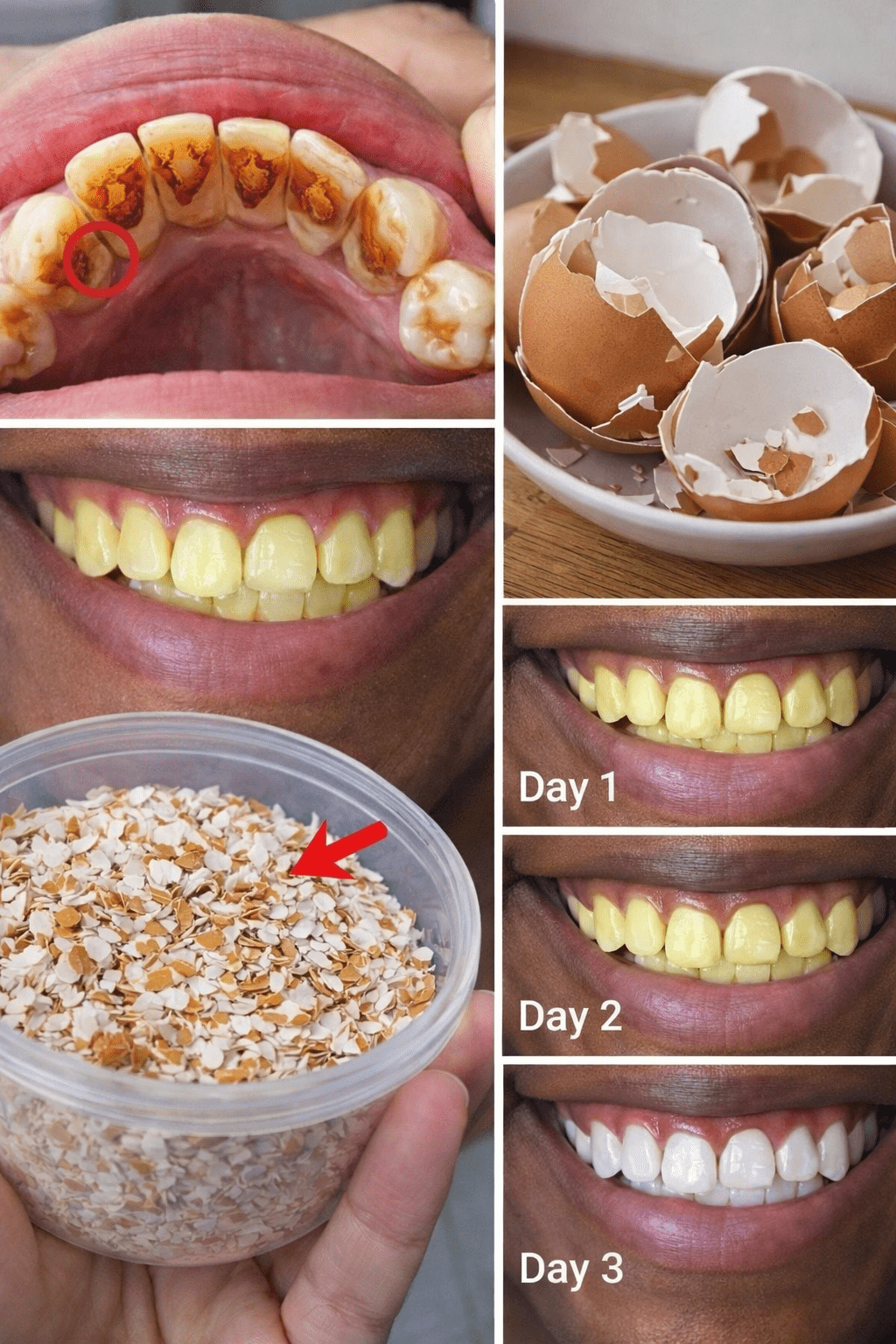
Why Do Teeth Lose Their Natural Brightness?
Teeth can appear yellow or stained due to surface buildup from foods, drinks, and aging. Enamel, the outer layer, naturally thins over time, revealing the yellower dentin underneath.
Common culprits include:
- Dark beverages like coffee, tea, or red wine
- Smoking or tobacco use
- Acidic foods that soften enamel temporarily
- Plaque accumulation if brushing isn’t thorough
Research shows that gentle polishing and mineral support can help maintain a brighter appearance and stronger enamel. But that’s not all—some natural sources of calcium have caught attention.
What Makes Eggshells Interesting for Oral Care?
Eggshells are mostly calcium carbonate, the same mineral found in many toothpastes as a mild abrasive. Studies have looked at eggshell powder for its potential in dental applications.
For example:
- In vitro research has shown eggshell powder can help remineralize enamel after exposure to acids or bleaching agents.
- One study compared it to nano-hydroxyapatite and found it effective in improving enamel microhardness.
- Another noted its role in reducing surface roughness on eroded enamel.
These findings come from lab tests on teeth samples, suggesting eggshell-derived calcium might support enamel strength. Here’s a quick comparison:
| Common Toothpaste Abrasive | Potential Benefits | Notes from Research |
|---|---|---|
| Calcium Carbonate (from various sources) | Gentle polishing, pH balancing | Widely used, low abrasivity |
| Hydrated Silica | Effective stain removal | Common in whitening pastes |
| Eggshell Powder | Natural calcium source, remineralization potential | Promising in lab studies for enamel recovery |
But how can you try this at home safely? Let’s get into the details.
How to Prepare and Use Eggshell Powder Safely
If you’re interested in exploring eggshell powder, start with clean, organic eggs to minimize contaminants. Here’s a step-by-step guide based on common methods shared in research and user experiences:
- Collect eggshells from cooked eggs (boil them first for safety).
- Rinse thoroughly and remove the inner membrane.
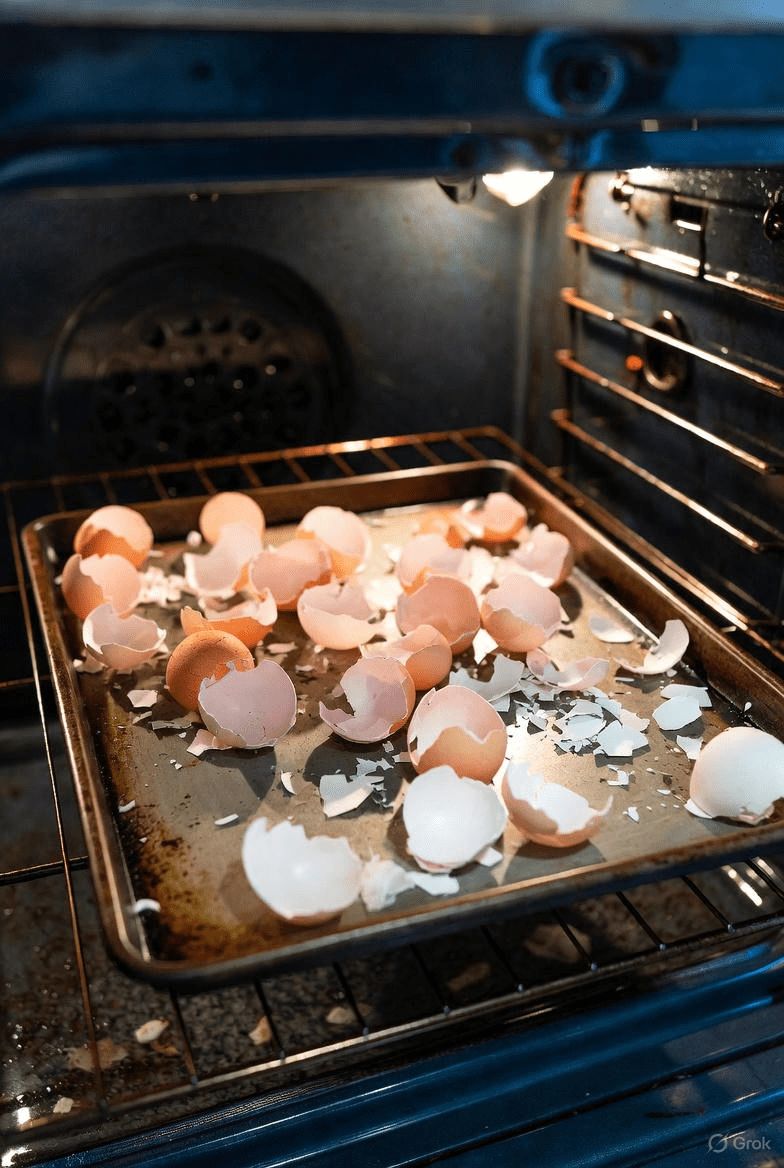
- Bake at 200°F (about 93°C) for 10 minutes to sterilize and dry.
- Grind into a fine powder using a coffee grinder or mortar and pestle—aim for very fine to avoid abrasiveness.
- Store in an airtight container.
To use:
- Mix a small amount (pinch) with your regular toothpaste.
- Or create a simple paste with water or coconut oil.
- Brush gently for 2 minutes, 2-3 times a week.
- Rinse well.
Tip: Combine with baking soda for extra mild polishing, but don’t overdo it.
Studies suggest this approach may help with gentle cleaning and mineral delivery. Many report smoother, brighter-feeling teeth over time.
Potential Benefits Backed by Early Research
Lab studies highlight a few areas where eggshell powder shows promise:
- Gentle Abrasion: Similar to commercial calcium carbonate, it polishes without high wear.
- Remineralization Support: Helps deposit minerals on enamel surfaces in test conditions.
- Sensitivity Reduction: Some research links it to occluding open tubules in dentin.
- Cost-Effective Option: Uses kitchen waste, making it accessible.
One review noted eggshell hydroxyapatite’s biocompatibility for dental use. Another found it comparable to established agents in enamel recovery.
Here’s what people often notice:
- Smoother tooth surface
- Less buildup feeling
- Subtle brightness improvement with consistent use
The real surprise? It might pair well with everyday habits for better results.

Things to Keep in Mind for Safe Use
While research is encouraging, most studies are in vitro—not on people long-term. Eggshell powder isn’t a replacement for professional care.
Potential considerations:
- If not ground finely, it could be too abrasive.
- Always use clean shells to avoid bacteria.
- Overuse might irritate gums or enamel.
- It lacks fluoride, key for cavity prevention.
Dentists generally recommend sticking to ADA-approved products for daily use. This is more of an experimental add-on.
Tips to Maintain a Healthy, Bright Smile Naturally
Combine any home experiments with proven habits:
- Brush twice daily with fluoride toothpaste.
- Floss daily to remove plaque.
- Limit sugary and acidic drinks.
- Eat calcium-rich foods like dairy or greens.
- Visit your dentist regularly for check-ups.
These steps support overall oral health far more than any single remedy.
Frequently Asked Questions
Is eggshell powder safe for daily brushing?
In moderation and finely ground, it may be gentle, but limit to a few times weekly and consult a dentist.
How long until I see changes?
Results vary; some notice smoother teeth in weeks, but brightness takes consistent care.
Can it replace professional whitening?
No—professional options are more effective for deeper stains.
This article is for informational purposes only and is not medical advice. Always consult your dentist or healthcare provider before trying new oral care practices, especially if you have sensitivities or conditions.
(Word count: approximately 1280)


