Many people notice changes in their skin as they get older, such as uneven tone, dark spots from sun exposure, or fine lines around the eyes and mouth. These common concerns can feel frustrating, especially when everyday factors like stress or environmental elements play a role. It’s natural to look for gentle, everyday options that might support healthier-looking skin without harsh ingredients.
What if something as simple as red onion, a common kitchen item, offered some interesting properties worth exploring? Keep reading to discover more about its potential and how it fits into a balanced approach.
What Makes Red Onion Interesting for Skincare?
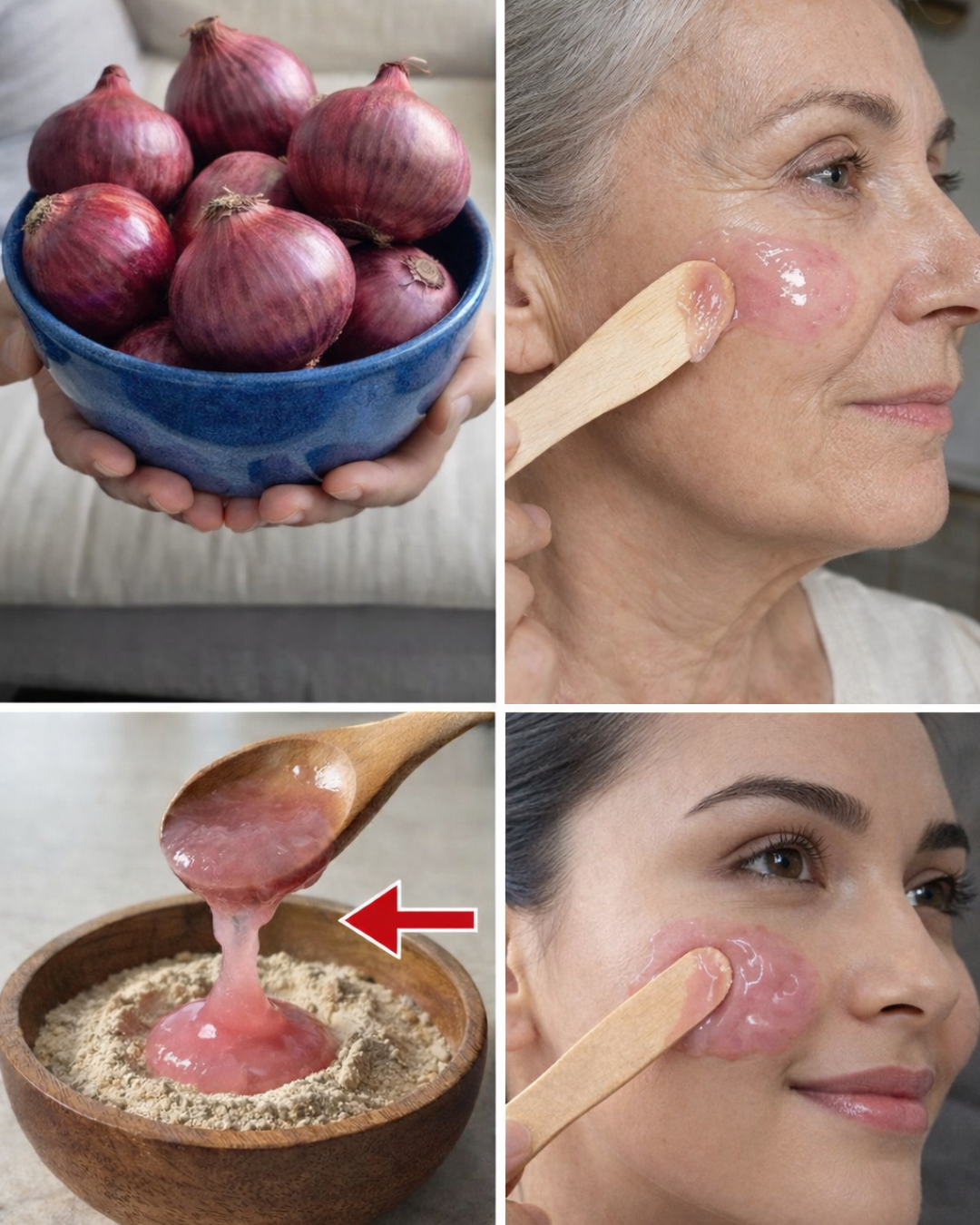
Red onions stand out because of their rich color, which comes from natural compounds like anthocyanins and flavonoids. One key flavonoid is quercetin, a powerful antioxidant found in higher amounts in red varieties compared to white or yellow onions.
Research shows that quercetin helps neutralize free radicals—unstable molecules that contribute to oxidative stress in the skin. Studies, including those published in journals like the Journal of Food Science, highlight that onion peels are especially concentrated in these beneficial compounds.
But that’s not all…
Quercetin also has anti-inflammatory properties, which may help calm irritated skin. Some lab and animal studies suggest it supports collagen protection and reduces signs of UV damage when applied topically.
Potential Benefits Backed by Science
Here’s where things get exciting. While more human studies are needed, preliminary research points to several ways red onion compounds might support skin health:
- Antioxidant Support: Quercetin acts as a free radical scavenger, potentially helping protect skin cells from daily environmental stressors.
- Soothing Inflammation: Anti-inflammatory effects could ease redness and discomfort, as noted in reviews on plant-derived bioactives.
- Brightening Appearance: Some evidence from in vitro studies shows quercetin derivatives may influence melanin production, supporting a more even-looking tone over time.
- Collagen and Firmness: By inhibiting enzymes that break down collagen, quercetin might contribute to smoother, firmer skin texture.
These insights come from sources like PubMed reviews on quercetin for skin disorders and studies on onion extracts in cosmetic applications.
Have you ever wondered why some natural ingredients gain attention in skincare? It’s often because of compounds like these.
How to Safely Incorporate Red Onion into Your Routine
If you’re curious to try, start small and gentle. Raw red onion juice can be potent, so dilution is key to avoid irritation.
Step-by-Step Guide to a Simple Red Onion Mask
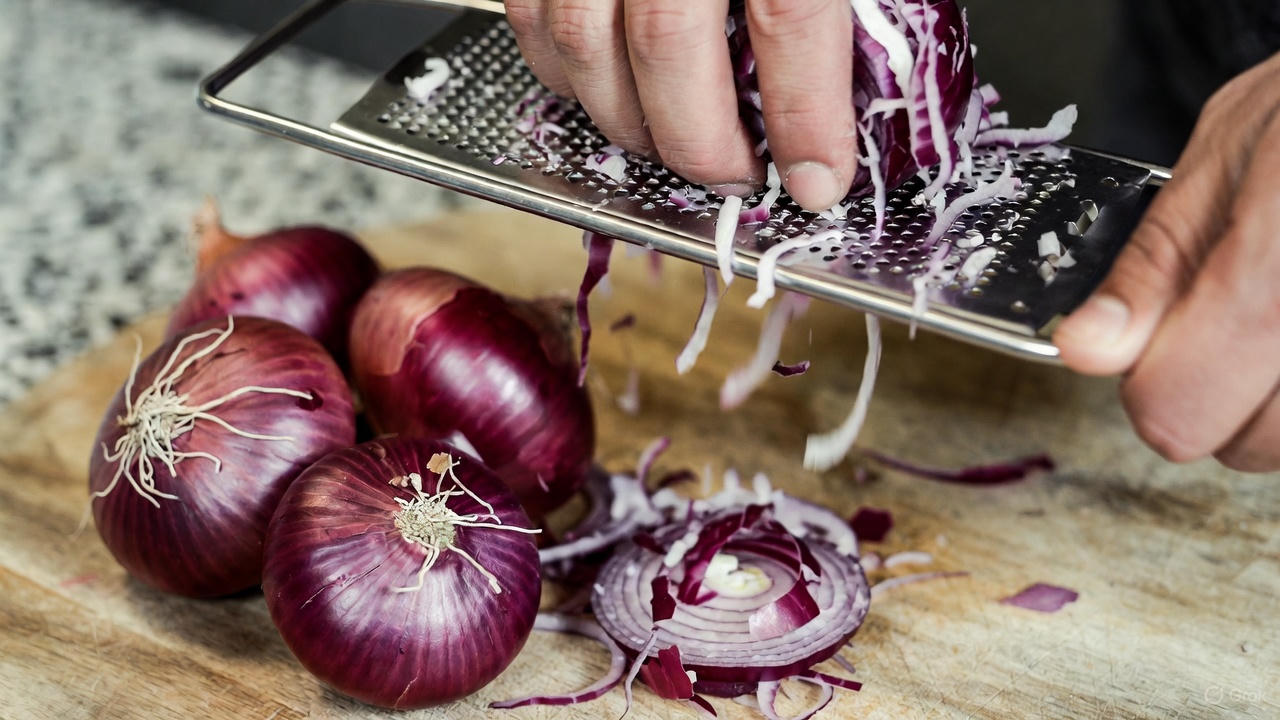
- Grate or blend a fresh red onion and strain the juice using a clean cloth.
- Mix 1 part onion juice with 2 parts soothing ingredients like honey, yogurt, or aloe vera gel—these help buffer any strong effects.
- Patch test first: Apply a small amount to your inner arm and wait 24 hours.
- If no reaction, gently apply to clean skin for 10-15 minutes, 1-2 times per week.
- Rinse thoroughly with cool water and follow with a moisturizer.
Here’s a quick comparison of common mixes:
| Mix-In | Why It Helps | Best For |
|---|---|---|
| Honey | Natural humectant and soothing | Dry or sensitive skin |
| Yogurt | Gentle exfoliation with lactic acid | Uneven texture |
| Aloe Vera | Cooling and hydrating | Irritated or sun-exposed skin |
Consistency matters, but listen to your skin—if anything feels off, stop and consult a professional.
Real Insights from Research and Users
Many people share positive experiences with onion-based remedies online, noting brighter, softer skin after regular use. Scientifically, onion extract is already used in some over-the-counter scar gels, where studies show it improves appearance and texture.
One randomized study found onion extract gel helped new scars look better after weeks of use. While not directly about wrinkles or spots, it highlights the soothing potential.
The interesting part? Red onion skins, often discarded, are the richest in quercetin—up to 48 times more than the flesh in some varieties.
Tips for Best Results and Safety
- Always dilute and patch test—raw onion can cause stinging or redness, especially on sensitive areas.
- Use at night to avoid odor during the day.
- Combine with sun protection; antioxidants work best alongside broad-spectrum SPF.
- Start slow: Once or twice weekly to see how your skin responds.
If you have sensitive skin or conditions like eczema, stick to formulated products with onion extract.
Comparing Natural vs. Commercial Options
| Aspect | DIY Red Onion Remedies | Commercial Onion Extract Products |
|---|---|---|
| Cost | Very low (kitchen staple) | Moderate |
| Convenience | Requires preparation | Ready-to-use |
| Potency | Variable, can be strong | Controlled and tested |
| Risk of Irritation | Higher if not diluted | Lower, often buffered |
Both can be part of a routine, but commercial options may be gentler for beginners.
And here’s something surprising: Some Korean skincare lines now feature red onion extract for its calming and brightening properties.
Final Thoughts
Exploring natural ingredients like red onion can be a fun way to support your skincare goals. With its antioxidant-rich profile, it offers a simple, affordable option to consider alongside your existing routine.
Results vary, and it’s all about what works for you. Patience and consistency often make the difference.
Frequently Asked Questions
1. Is red onion safe for all skin types?
It can be, but sensitive skin may react. Always dilute, patch test, and stop if irritation occurs.
2. How long before seeing any changes?
Natural remedies take time—often 4-8 weeks of consistent, gentle use.
3. Can I use it daily?
Start with 1-2 times per week to avoid overuse and potential irritation.
Disclaimer: This article is for informational purposes only and is not medical advice. Individual results may vary. Consult a healthcare professional or dermatologist before trying new skincare ingredients, especially if you have skin conditions or concerns.
(Word count: 1,248)