Many adults over 50 notice subtle changes in their eyesight, like needing more light to read or finding it harder to adjust to glare while driving at dusk. These shifts often happen gradually, linked to natural aging processes in the eyes, including the macula—the part responsible for sharp, central vision. It’s common, and you’re not alone if you’ve experienced this. But here’s something interesting: emerging research points to a simple dietary addition that may help support eye health in meaningful ways. Keep reading to discover what studies are revealing about saffron—and one practical tip at the end that could make all the difference.
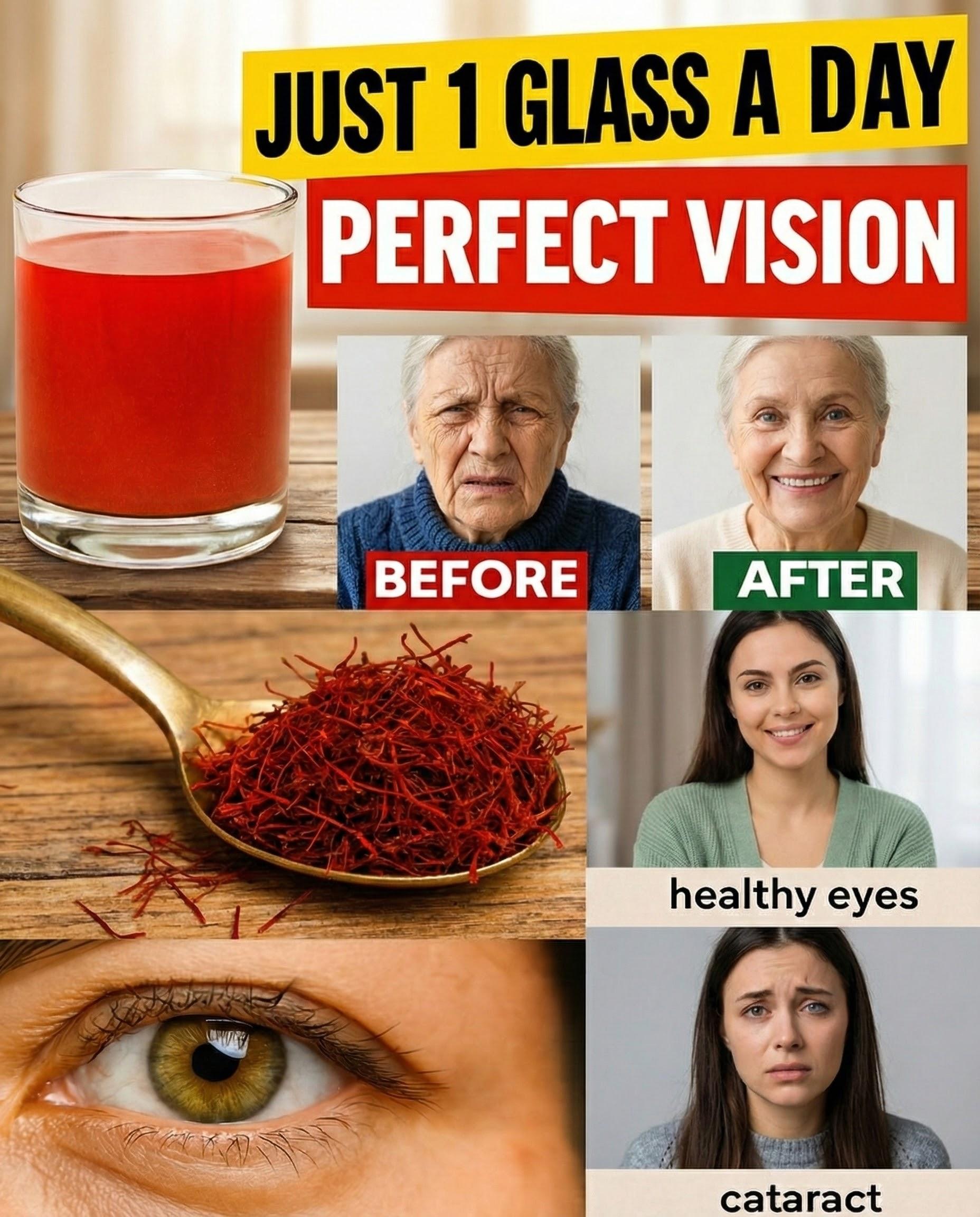
Why Vision Changes Are So Common After Age 50
As we get older, the eyes go through natural wear and tear. The macula, that tiny spot at the center of the retina, starts to lose some efficiency over time due to oxidative stress and reduced blood flow.
Research shows that age-related macular degeneration (AMD) affects millions—about 20 million Americans aged 40 and older live with some form of it, with prevalence rising sharply after 50. Many people have early signs without realizing it until routine check-ups.
Factors like prolonged screen time and daily exposure to blue light add to the challenge. But that’s not the whole story…
Studies suggest that antioxidants from certain foods may play a role in supporting retinal health. One spice, used for thousands of years in traditional cuisines, is now catching attention from researchers.
What Makes Saffron Stand Out for Eye Health?
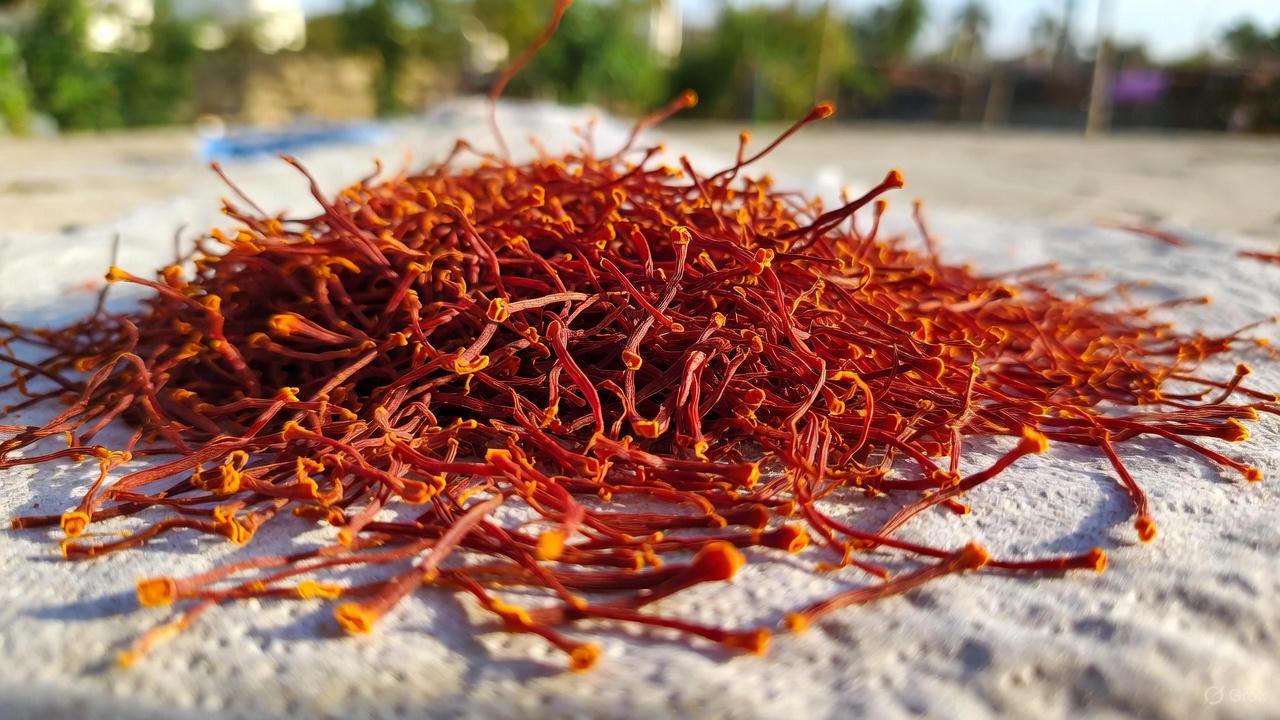
Saffron comes from the crocus flower and contains powerful compounds like crocin and crocetin—natural antioxidants that give it that vibrant golden color.
Multiple clinical trials have explored how saffron supplementation might support vision, particularly in people with early AMD.
For instance, research from universities in Italy and Australia has looked at daily doses around 20 mg. Participants often reported better contrast sensitivity and retinal function after a few months.
Here’s a quick look at some key areas where studies have focused:
- Retinal Sensitivity: Several trials noted improvements in how the retina responds to light flickers, a measure of macular function.
- Visual Acuity: In some studies, participants saw small but meaningful gains, like reading one or two more lines on an eye chart.
- Contrast and Color Perception: People described colors appearing more vivid and details sharper.
- Low-Light Vision: A few reports highlighted easier adaptation to dim conditions or reduced glare recovery time.
But that’s not all—animal and lab studies suggest crocin may help protect retinal cells from oxidative damage, including from bright light exposure.
Research-Backed Ways Saffron May Support Your Eyes
Scientists have conducted double-blind, placebo-controlled trials to test saffron’s potential. Here’s what some of the evidence points to:
- A study involving early AMD patients found that 20 mg daily for three months supported retinal flicker sensitivity.
- Longer-term follow-ups (up to 12-15 months) showed sustained benefits in electrical responses from retinal cells.
- One review of multiple trials noted modest improvements in visual function, even alongside standard nutrient formulas.
- Lab research indicates crocin and crocetin may enhance oxygen delivery to the retina and reduce inflammation markers.
These findings are promising, but results vary by individual. Most studies used standardized saffron extracts at 20-30 mg per day.
Comparison of Common Eye-Support Options
| Option | Typical Daily Dose | Time to Notice Changes (Studies) | Key Compounds | Notes from Research |
|---|---|---|---|---|
| Lutein/Zeaxanthin | 10-20 mg | 6-12 months | Carotenoids | Builds macular pigment density |
| Bilberry Extract | 100-300 mg | 4-8 months | Anthocyanins | Supports night vision in some trials |
| Standard Eye Vitamins | Varies | Several months | Vitamins C/E, Zinc | From AREDS studies |
| Saffron | 20-30 mg | 3-6 months | Crocin, Crocetin | Focus on retinal function support |
Simple Ways to Incorporate Saffron into Your Routine
If you’re curious about trying saffron, start small and focus on quality.
Actionable Tips:
- Choose high-quality threads (Persian or similar) or standardized supplements.
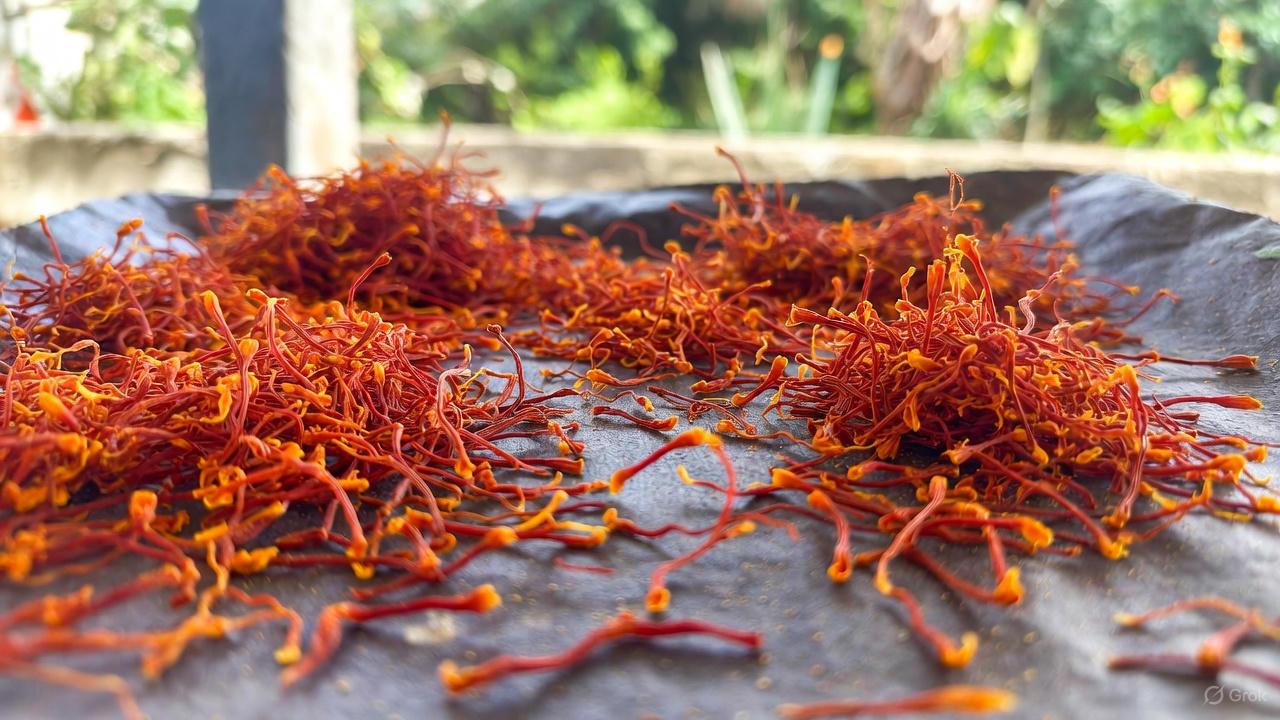
- Aim for about 20 mg daily—roughly 10-15 red threads.
- Pair it with a bit of healthy fat, like olive oil or ghee, to boost absorption (a tip from bioavailability studies).
- Steep threads in warm water or milk for tea, or add to rice dishes.
- Consistency matters—most studies ran for at least three months.
Always source from reputable suppliers to ensure purity.
Real Insights from Studies and User Experiences
In one trial, participants with mild AMD took saffron daily and saw preserved retinal responses over a year.
Others reported subjective perks, like clearer distance vision or less strain after screen time.
Of course, experiences differ, and saffron works best as part of a broader healthy lifestyle—think balanced diet, UV protection, and regular eye exams.
Frequently Asked Questions
1. Is saffron safe for daily use?
Most studies report it’s well-tolerated at 20-30 mg daily, with minimal side effects. Higher doses aren’t recommended without guidance.
2. How long before I might notice any difference?
Research typically shows changes after 3-6 months of consistent use, though some report sooner.
3. Can I combine saffron with other eye supplements?
Yes—some trials included participants already on standard formulas, and benefits appeared additive.
Final Thoughts
Supporting your vision as you age doesn’t have to be complicated. While no single food or spice is a magic fix, the growing body of research on saffron offers an intriguing, natural option worth exploring.
Pair it with habits like eating leafy greens, limiting screen time, and getting annual check-ups for the best results.
One last tip: Absorption improves significantly with a small amount of fat—try adding saffron to meals with olive oil.
Your eyes do so much for you—giving them a little extra support could go a long way.
Disclaimer: This article is for informational purposes only and is not intended as medical advice. Supplements are not evaluated by the FDA for diagnosing, treating, or preventing any disease. Always consult your eye care professional before starting any new supplement, especially if you have existing conditions or take medications.
(Word count: approximately 1,250)