Many adults over 50 notice subtle changes in their eyesight, like needing more light to read or struggling with glare while driving at dusk. These shifts can feel frustrating and worrisome, especially when everyday activities become a bit harder. It’s completely normal to wonder what’s happening and how to best support your eye health moving forward.
But here’s something intriguing: emerging research points to natural compounds that may help nourish the eyes from within. And one in particular—an ancient spice with powerful antioxidants—has caught the attention of scientists studying age-related eye changes. Keep reading to discover what studies are revealing about its potential role.
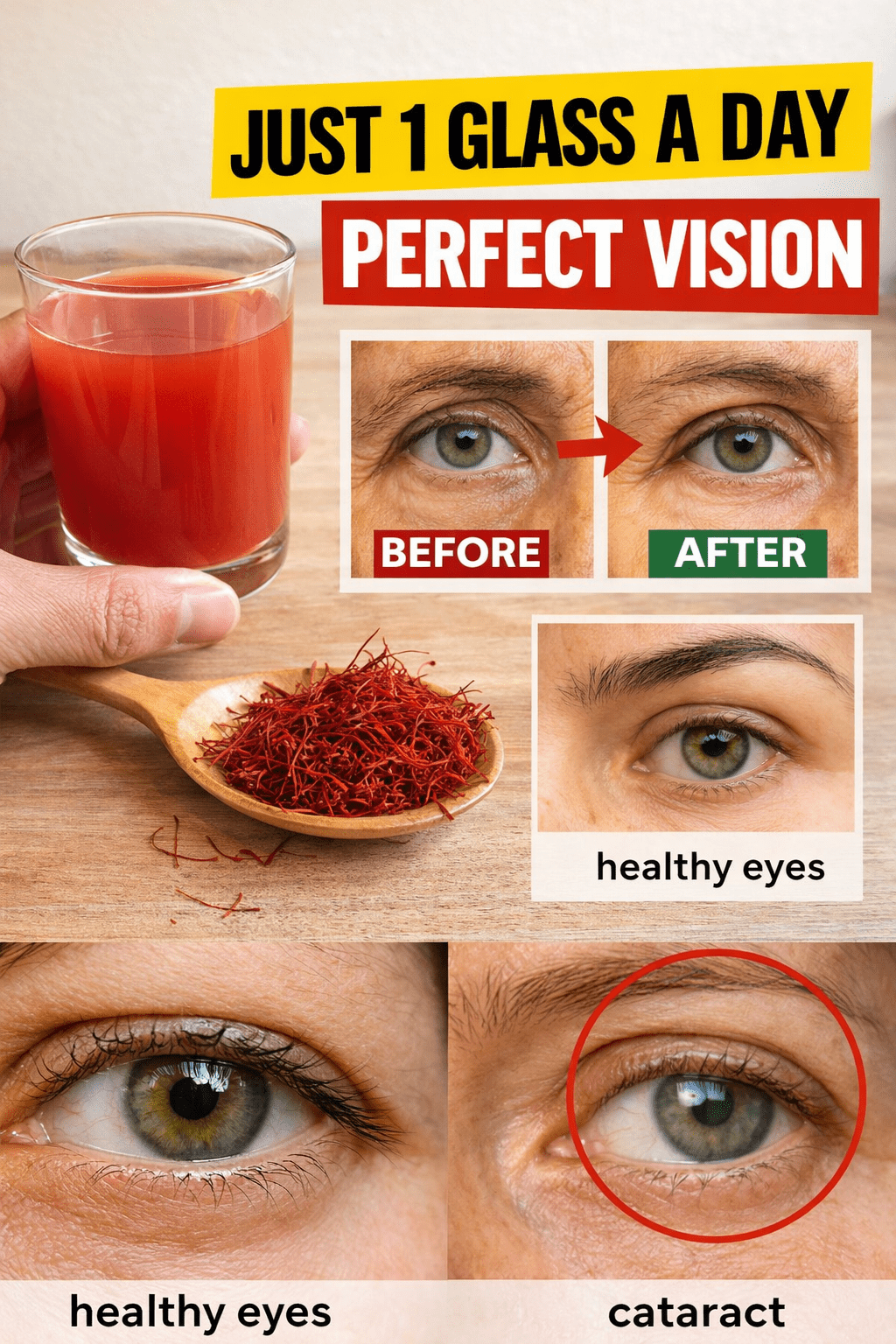
Understanding Age-Related Changes in Eye Health
As we get older, the macula—the central part of the retina responsible for sharp, detailed vision—can experience gradual wear and tear. This area helps us read fine print, recognize faces, and see colors vividly.
Research shows that about 1 in 10 Americans aged 50 and older may show early signs of macular changes, often without noticeable symptoms at first. Factors like oxidative stress from daily light exposure and inflammation play a role in these shifts.
The good news? Certain dietary antioxidants appear to offer protective support. Studies suggest that compounds like carotenoids can help shield retinal cells and maintain healthy function.
But that’s not all—let’s look at one spice that’s been used for centuries and is now backed by modern research.
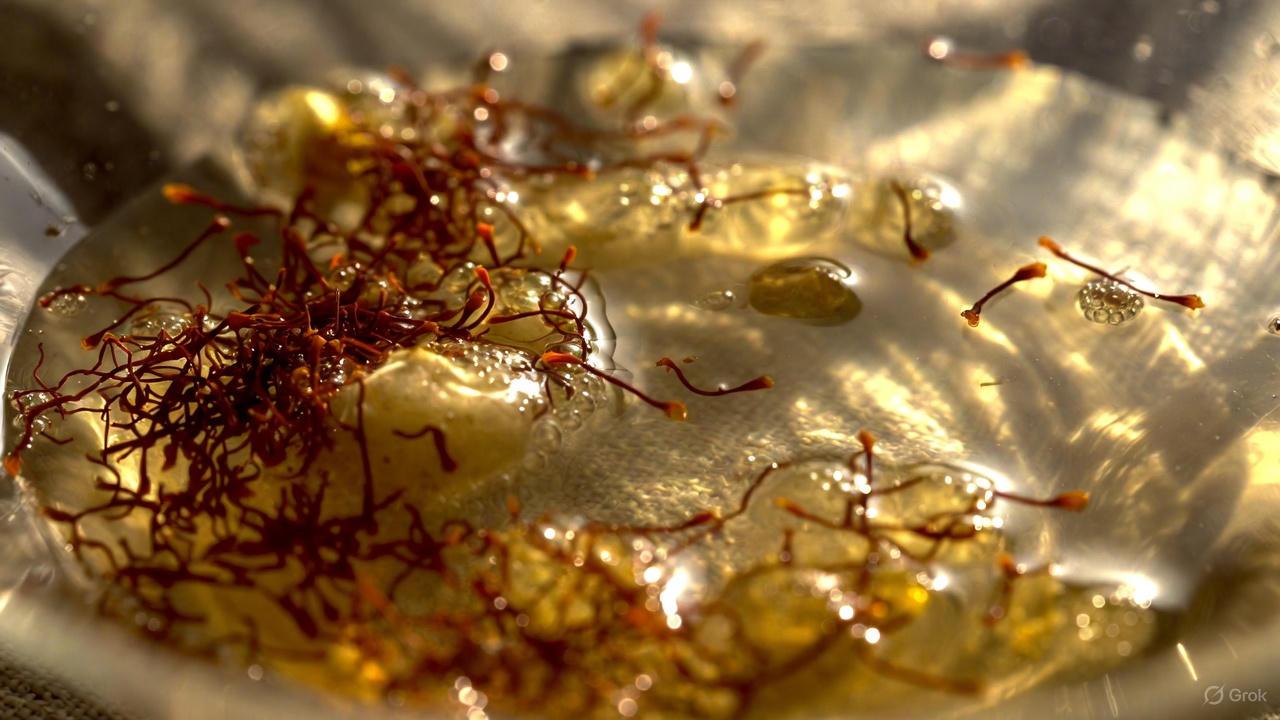
What Makes Saffron Special for Eye Health?
Saffron, derived from the Crocus sativus flower, is rich in unique antioxidants called crocin and crocetin. These compounds have anti-inflammatory and neuroprotective properties that researchers are exploring for eye support.
Multiple clinical trials have investigated saffron’s effects on retinal health:
- In one randomized trial, participants with early age-related macular degeneration (AMD) taking 20 mg of saffron daily showed improvements in retinal flicker sensitivity and modest gains in visual acuity compared to placebo.
- A longer-term study found that ongoing supplementation helped preserve multifocal electroretinogram responses, a measure of retinal function.
- Reviews of several trials indicate that 20-50 mg daily over 3 months was associated with better visual acuity and contrast sensitivity in people with AMD.
These findings suggest saffron may help support retinal health, especially in the early stages of age-related changes.
Here’s a quick comparison of common eye-support nutrients:
| Nutrient/Source | Typical Daily Amount in Studies | Key Research Focus | Potential Benefits Noted |
|---|---|---|---|
| Lutein/Zeaxanthin | 10-20 mg | Macular pigment density | Blue light filtering, antioxidant support |
| Bilberry | 100-300 mg | Circulation and night vision | Improved adaptation to low light |
| Standard Eye Vitamins | Varied (AREDS formula) | Slowing progression | Overall retinal nourishment |
| Saffron | 20-30 mg | Retinal function and sensitivity | Support for flicker response and acuity |
Ways Saffron May Support Your Eyes, According to Research
Scientists have identified several mechanisms:
- Antioxidant Protection: Crocin helps combat oxidative stress in retinal cells.
- Improved Retinal Sensitivity: Trials show better electrical responses in the macula.
- Enhanced Visual Acuity: Participants often read one or two more lines on eye charts.
- Better Contrast and Low-Light Vision: Some studies note improvements in seeing details in dim conditions.
- Neuroprotective Effects: Saffron may shield photoreceptor cells from damage.
- Anti-Inflammatory Action: Reducing low-level inflammation in the eye.
The most exciting part? Many benefits appeared within 3 months, with effects sustained in longer trials.
You’re already ahead of the curve by learning about this—most people overlook these natural options.
Simple Ways to Incorporate Saffron into Your Routine
If you’re interested in trying saffron, start small and focus on quality:
- Use pure saffron threads from reputable sources.
- A common research dose is about 20 mg daily (roughly 5-10 threads).
- Pair it with a healthy fat like olive oil or ghee for better absorption—studies show this boosts bioavailability.
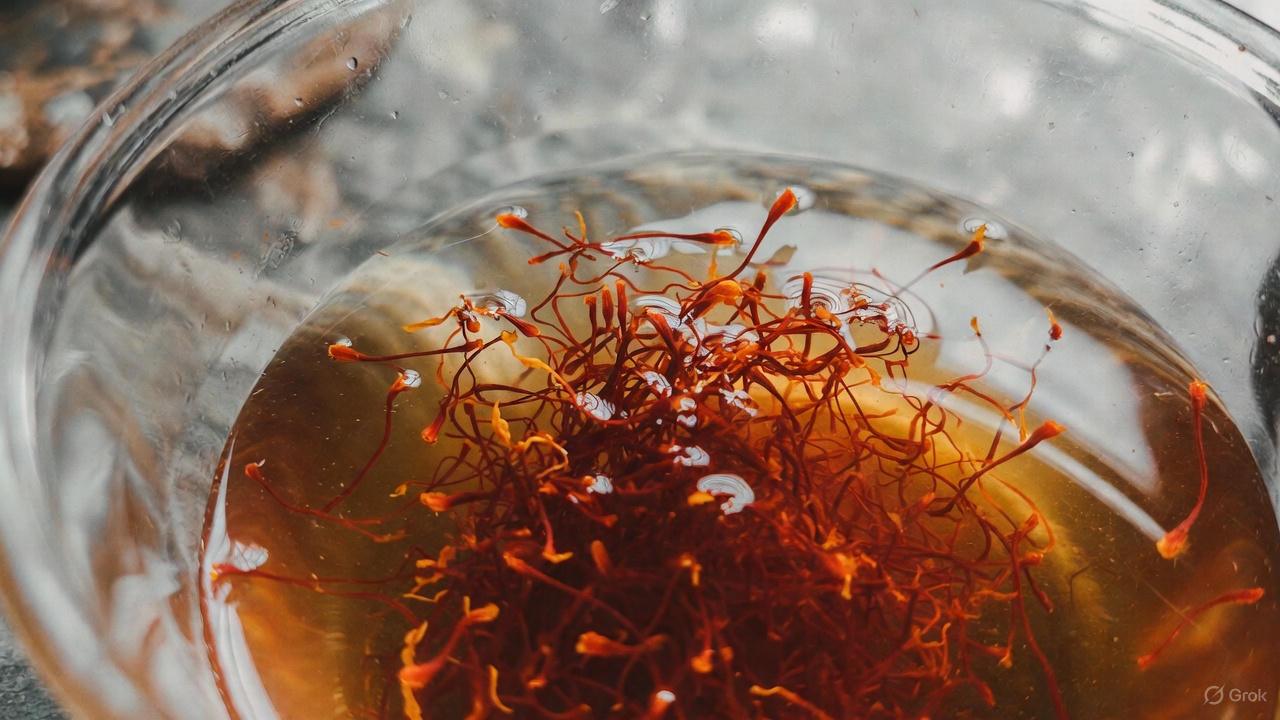
- Add threads to warm water, tea, or meals for easy use.
Actionable tips to get started:
- Soak 5-8 threads in warm water overnight and drink in the morning.
- Sprinkle infused saffron into rice, soups, or smoothies.
- Consider high-quality supplements standardized to crocin content.
Always choose food-grade or supplement-grade saffron, and stick to recommended amounts (up to 30 mg daily is generally well-tolerated).
Comparing Saffron to Other Popular Options
While lutein and zeaxanthin are well-known for building macular pigment, saffron stands out in trials for direct retinal function support. Some people combine them for broader benefits.
Research continues to explore how these nutrients work together.
Real Insights from Studies and Users
In trials, many participants reported clearer vision and less strain. One long-term study noted sustained improvements over 12-15 months.
Of course, results vary, and lifestyle factors like a balanced diet rich in greens, quitting smoking, and UV protection play a big role too.
Conclusion: A Promising Natural Approach Worth Exploring
Supporting eye health as we age involves a mix of healthy habits and informed choices. Saffron’s antioxidant profile makes it a fascinating option backed by growing clinical evidence.
By staying proactive—eating nutrient-rich foods, getting regular eye check-ups, and considering researched supplements—you’re taking meaningful steps toward maintaining vibrant vision.
Which small change will you try first?
Frequently Asked Questions
1. How much saffron is typically used in eye health studies?
Most trials use 20-30 mg daily, often for 3-12 months, with positive effects on retinal measures.
2. Is saffron safe for daily use?
In research doses, it’s generally well-tolerated with minimal side effects. Higher amounts (over 1g) can be unsafe, so stick to modest portions.
3. Can I get these benefits from cooking with saffron?
Culinary use provides small amounts—supplements ensure consistent dosing seen in studies.
Disclaimer: This article is for informational purposes only and is not medical advice. Supplements are not intended to diagnose, treat, cure, or prevent any disease. Always consult your eye care professional before starting any new supplement, especially if you have existing conditions or take medications.