
Many people spend time and effort trying to remove stubborn weeds from their yards, frustrated by how quickly they spread and take over. This persistent plant often disrupts carefully tended gardens, making it hard to maintain the perfect outdoor space. Yet what if one of these overlooked plants has been valued for centuries in traditional systems like Ayurveda and Traditional Chinese Medicine for supporting overall health? Keep reading to discover why modern interest is growing around this unassuming herb and how it might fit into a natural wellness routine.

What Is Cyperus Rotundus and Why Is It Gaining Attention?
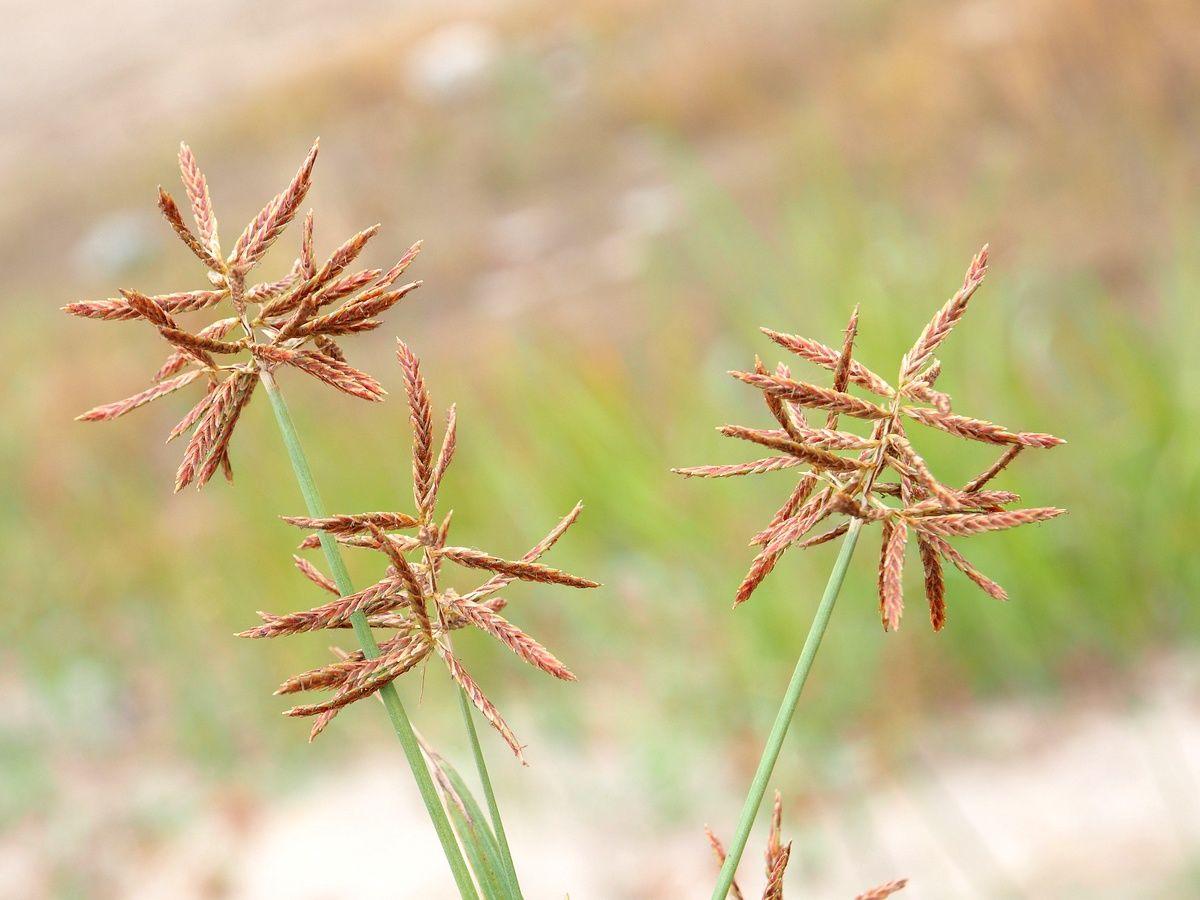
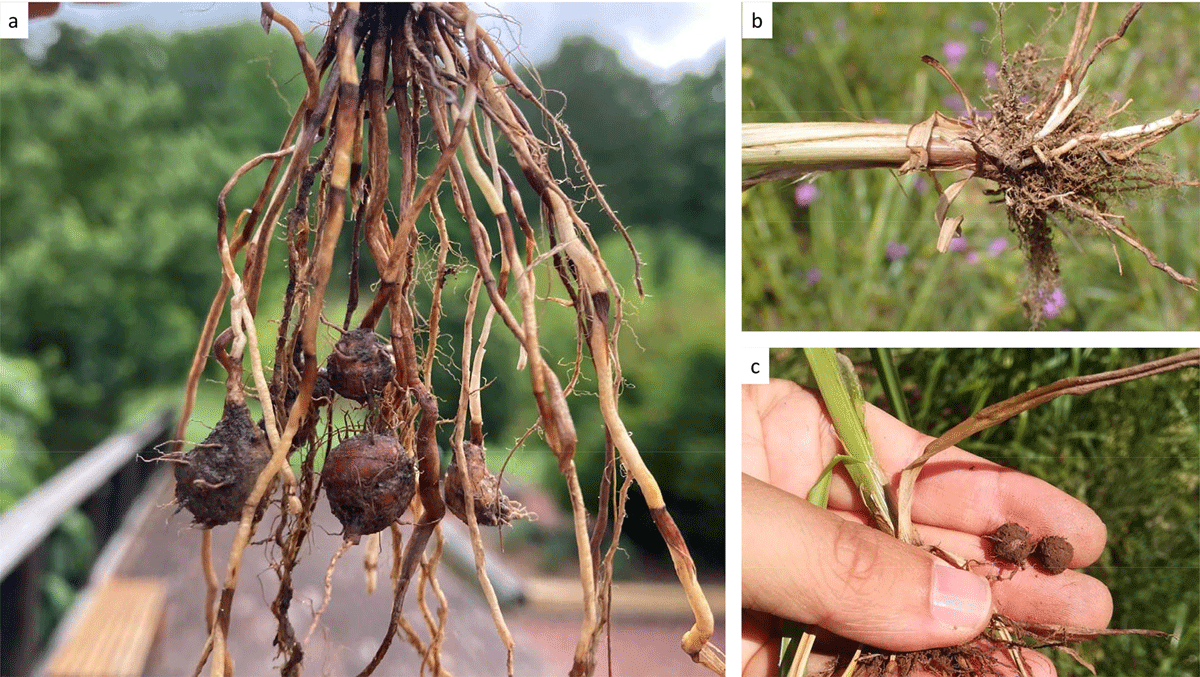
Cyperus rotundus, commonly known as nutgrass or nagarmotha, is a perennial plant found in many parts of the world. Often viewed as a weed due to its resilient tubers (underground roots), it has a long history in traditional herbal practices across Asia, Africa, and the Middle East.
The tubers are the most commonly used part, rich in natural compounds like sesquiterpenes, flavonoids, and polyphenols. These contribute to its earthy aroma and potential supportive roles in daily health.
Research, including reviews published in journals like the Journal of Ethnopharmacology, highlights its traditional applications while exploring its phytochemical profile. Studies suggest these compounds may offer antioxidant and anti-inflammatory properties, aligning with its historical use.
But that’s not all—let’s dive deeper into what makes this plant stand out.
Traditional Roots: How Ancient Practices Used Nutgrass
For thousands of years, nutgrass has played a role in herbal traditions:
- In Ayurveda, it’s known as musta or nagarmotha and is prized for promoting digestive comfort and balance.
- Traditional Chinese Medicine incorporates it for supporting stomach and bowel harmony.
- In Unani and folk medicine, it’s been part of remedies for women’s health and general vitality.
These uses stem from observational experience passed down through generations. Today, laboratory studies are examining the compounds responsible, such as cyperene and alpha-cyperone found in the essential oil.
Here’s a quick overview of key compounds identified in research:
- Volatile oils and sesquiterpenes (e.g., cyperene, cyperotundone)
- Flavonoids and polyphenols for antioxidant support
- Alkaloids and terpenoids contributing to its broad profile
Modern analyses, including those on PubMed, confirm these elements and their potential interactions with body systems.
Exploring Potential Everyday Benefits Backed by Research
While traditional uses provide a foundation, scientific interest focuses on specific areas. Here’s what studies suggest nutgrass may support:
Support for Digestive Comfort
Many people experience occasional bloating, gas, or irregular bowel habits. Traditional preparations often include nutgrass for its carminative effects.
Research indicates it may help stimulate digestive enzymes and soothe gut spasms. Animal studies show extracts supporting gut motility and reducing discomfort.
Contribution to Inflammatory Balance
Chronic low-level inflammation is linked to everyday fatigue and discomfort. Compounds in nutgrass inhibit pathways similar to those targeted by common anti-inflammatory agents.
Preclinical research demonstrates antioxidant effects that neutralize free radicals, potentially protecting cells.
Assistance with Hormonal and Women’s Wellness
In traditional medicine, it’s frequently used for menstrual regularity and easing PMS discomfort.
Some studies explore its influence on hormonal pathways, offering gentle support for cycle balance.
Antioxidant Protection for Overall Vitality
Polyphenols in the tubers rival those in popular superfoods. Lab tests show strong free-radical scavenging, which may support skin health, energy levels, and long-term wellness.
Other areas of interest include metabolic support and mild adaptogenic effects for stress management.
To visualize common traditional applications:
| Area of Support | Traditional Use Example | Supporting Research Insight |
|---|---|---|
| Digestive Health | Soothing bloating and irregularity | Enzyme stimulation in preclinical models |
| Inflammatory Response | Easing general discomfort | COX inhibition similar to NSAIDs |
| Women’s Health | Menstrual cycle support | Hormonal modulation observations |
| Antioxidant Activity | Cellular protection | Polyphenol-rich profile |
This table highlights how tradition meets emerging science.
Practical Ways to Incorporate Nutgrass Into Your Routine
If you’re curious about trying Cyperus rotundus, here are simple, actionable steps:
- Start with a reputable source: Look for organic powder, capsules, or tea from trusted herbal suppliers.
- For tea: Simmer 1 teaspoon of powdered tubers in hot water for 10 minutes. Strain and enjoy once daily.
- Powder form: Mix 1-2 grams into warm water or honey for digestive support.
- Topical oil: Diluted essential oil for massage (always patch test first).
- Combine wisely: Pair with ginger or fennel for enhanced digestive benefits.
Begin with small amounts to see how your body responds. Consistency over weeks often yields the best insights.
The most interesting part? Many users report subtle shifts in energy and comfort after regular use—something worth exploring personally.
Safety Considerations and Best Practices
Cyperus rotundus is generally well-tolerated in moderate amounts, with studies showing low toxicity in animal models. However, individual responses vary.
Precautions include:
- Avoiding during pregnancy without professional guidance.
- Consulting a healthcare provider if on medications or managing health conditions.
- Starting low to monitor for any mild digestive upset.
Research emphasizes its safety profile when used appropriately.
Wrapping Up: A Weed Worth Reconsidering?
Cyperus rotundus bridges ancient herbal wisdom with modern phytochemical interest. From supporting digestion and inflammation balance to offering antioxidant protection, its versatile profile makes it a fascinating addition to natural wellness explorations.
Whether you’re drawn to its digestive soothing potential or overall vitality support, this resilient plant reminds us that nature often hides helpful allies in unexpected places.
Which aspect of nutgrass sparks your interest most—digestive harmony, women’s wellness, or antioxidant boost?
Frequently Asked Questions
What does Cyperus rotundus taste like? It has an earthy, slightly bitter, and nutty flavor, often softened with honey or in blends.
How long until I notice any effects? Traditional use suggests benefits build over 2-4 weeks of consistent incorporation.
Can I grow it myself? Yes, but it’s highly invasive—best in controlled pots if harvesting tubers.
Disclaimer: This article is for informational purposes only and does not constitute medical advice. Always consult a qualified healthcare professional before starting any new herb or supplement, especially if you have health conditions or are taking medications.


