
Standing up after a long sit often brings that familiar heavy feeling in your calves, like they’re weighed down and sluggish. Your feet stay cold despite warm socks, and even short walks leave you feeling unusually tired and achy. If you’re over 60, these signs of slower circulation in the legs are something many people experience daily, impacting simple activities and overall comfort.
These challenges can build quietly over time, making mobility feel more effortful than it should. But there’s growing interest in how certain nutrients might play a supportive role—and one in particular has caught attention for its potential connection to healthier blood vessels. Keep reading to discover what research suggests about this often-overlooked vitamin and practical ways to incorporate it safely.
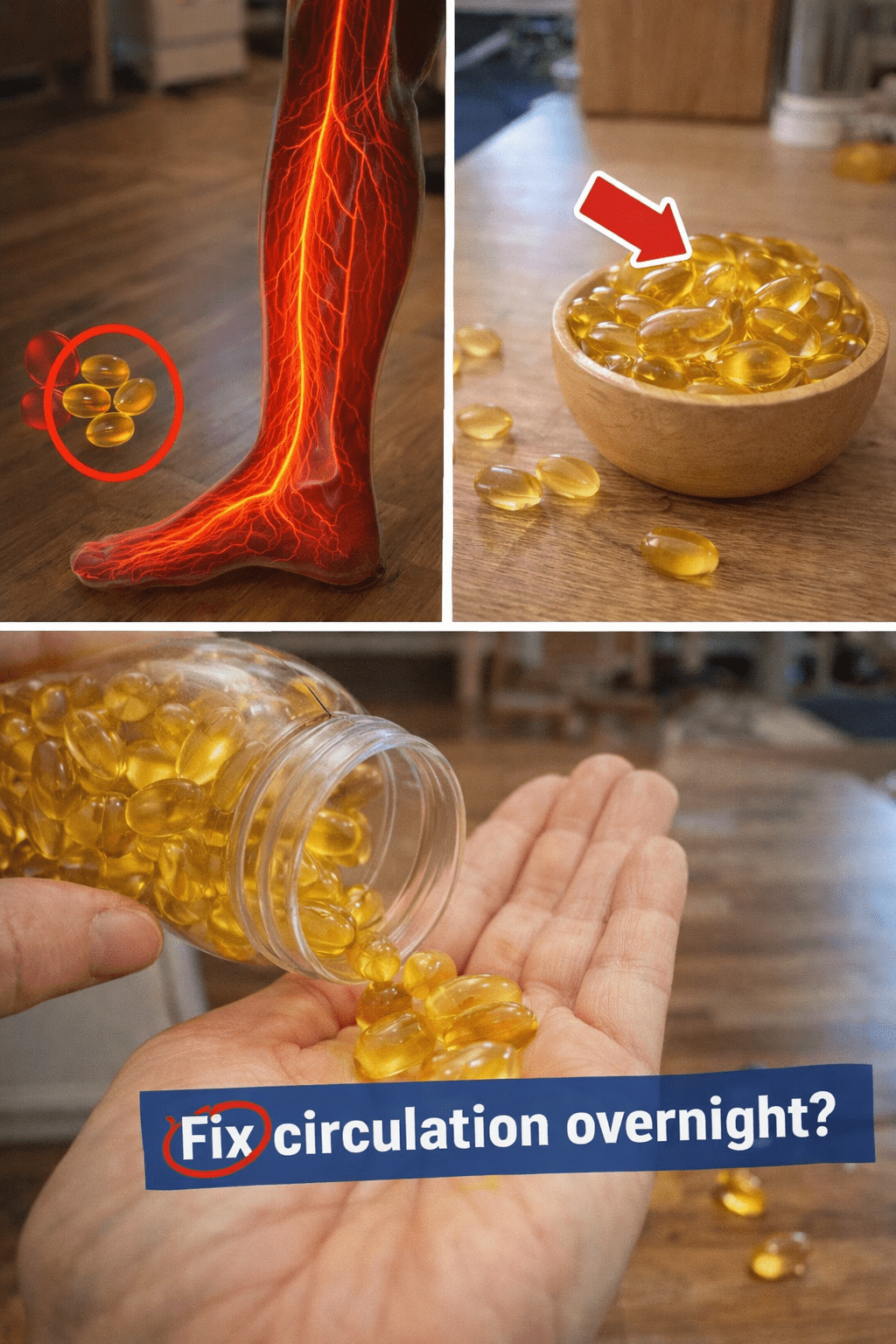
Why Blood Flow in the Legs Can Slow Down After 60
Aging brings natural changes to the circulatory system that affect the lower body most noticeably.
Blood vessels gradually lose some elasticity, making them less flexible. The inner lining of arteries, called the endothelium, may not work as efficiently. Over years, factors like plaque buildup can narrow pathways slightly. Certain medications common in later life, such as those for blood pressure or cholesterol, can also influence flow indirectly.
The outcome often shows up as heavier legs, occasional cramps, colder extremities, or quicker fatigue during movement. In some cases, this relates to peripheral artery concerns, where reduced flow leads to discomfort during activity.
Supporting vascular health through diet and lifestyle remains key, and specific nutrients show promise in research for helping maintain better flow.

Exploring the Potential of Vitamin B3 (Niacin) for Leg Circulation
Vitamin B3, known as niacin, has been studied for decades in cardiovascular contexts. One form, nicotinic acid, promotes vasodilation—the temporary widening of blood vessels—which can enhance delivery of oxygen and nutrients to tissues.
Research, including studies on peripheral artery health, indicates niacin may support endothelial function and peripheral blood flow. For instance, certain forms like nicotinamide riboside (a B3 precursor) have shown potential in trials to improve walking distance in older adults with circulation challenges.
Many people report gradual improvements in leg comfort with consistent intake, though results vary. It’s not a standalone fix, but part of broader heart-healthy habits.
Here’s a quick overview of how niacin compares to other popular nutrients often discussed for circulation support:
| Nutrient | Main Potential Benefit for Circulation | Typical Daily Range (from food/supplements) | Notes |
|---|---|---|---|
| Vitamin B3 (Niacin) | Supports vasodilation and endothelial health | 14-16 mg (RDA); higher under guidance | May cause temporary flush in some forms |
| Vitamin E | Antioxidant protection for vessels | 15 mg (RDA) | Mixed research on direct flow benefits |
| Omega-3 Fatty Acids | Helps reduce inflammation | 1-2 g EPA/DHA | Strong evidence for overall heart support |
| Magnesium | Aids vessel relaxation | 300-400 mg | Useful for muscle comfort too |
Niacin stands out in some studies for its direct impact on smaller vessels, but always prioritize professional advice.
Signs That Slower Leg Circulation Might Be Affecting You
Common experiences shared by many over 60 include:
- Legs feeling heavy or tired after standing or walking short distances
- Feet and toes staying cooler than the rest of the body
- Occasional tingling or mild cramping in calves
- Needing more rest during daily errands
These can stem from everyday aging factors, but addressing them early helps maintain independence. Research highlights how nutrients like niacin contribute to energy metabolism and vessel health, potentially easing these feelings over time.
The exciting part? Small dietary tweaks can make a difference—and there’s one straightforward way to start that many overlook.
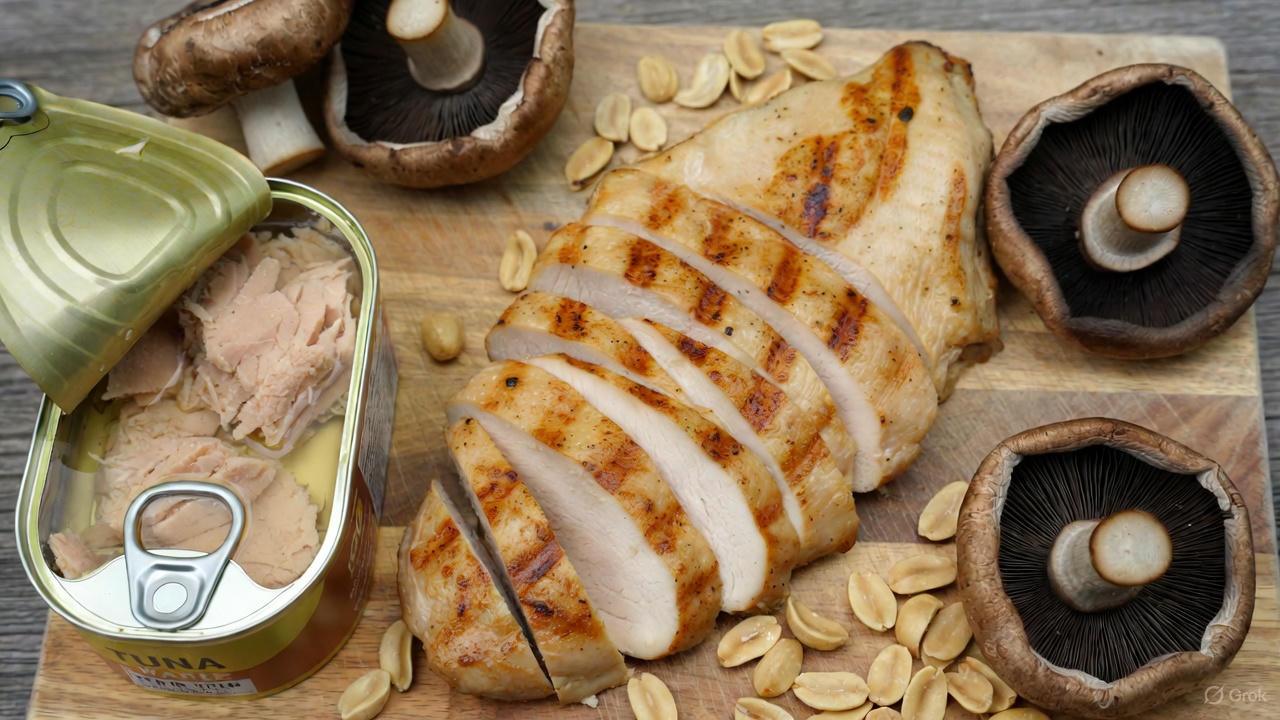
Simple Ways to Boost Niacin Intake Through Food
Getting niacin from whole foods is a gentle, effective first step. Here are some top sources:
- Grilled chicken breast (3 oz): Provides about 70-80% of daily needs
- Canned tuna in water (one can): Over 100% of daily needs
- Dry-roasted peanuts (1 oz handful): Around 25-30%
- Portobello mushrooms (1 cup grilled): Roughly 25-30%
- Brown rice (1 cup cooked): About 20-25%
Incorporating these regularly supports overall B3 levels without supplements. Pair with tryptophan-rich foods like turkey or eggs, as the body can convert it to niacin.
But that’s not all—consistent habits compound benefits.
Practical Steps to Consider Niacin Supplementation Safely
If food alone isn’t enough, supplements can help, but guidance is essential.
- Consult your doctor first—especially with liver concerns, diabetes, gout, or current medications.
- Start with lower doses, like 50-100 mg of immediate-release for tolerance testing.
- Take with meals to minimize any stomach discomfort.
- Opt for “no-flush” forms like inositol hexanicotinate if warmth/flushing is a concern (though effects may differ).
- Track changes over 4-12 weeks, noting leg comfort during activity.
Studies suggest benefits emerge gradually with supervised use. Never exceed recommendations without oversight.
Other Lifestyle Habits That Complement Circulation Support
Pair niacin-rich choices with these evidence-based tips:
- Stay active with gentle walks or leg elevations
- Maintain hydration for optimal blood viscosity
- Include anti-inflammatory foods like berries and leafy greens
- Manage weight to reduce vessel strain
- Quit smoking, as it directly impacts flow
These build on nutrient support for lasting comfort.
Recap: Key Insights on Vitamin B3 and Leg Comfort After 60
Vitamin B3 (niacin) plays a role in energy production and vascular health, with research pointing to potential support for better blood flow and endothelial function in older adults. Forms like nicotinic acid or nicotinamide riboside show promise in studies for peripheral circulation.
Starting with food sources, adding supervised supplementation if needed, and combining with movement can help many feel lighter on their feet.
Frequently Asked Questions
What foods are richest in vitamin B3?
Animal sources like chicken, tuna, and turkey top the list, while peanuts, mushrooms, and brown rice offer great plant-based options.
Can niacin cause any side effects?
The common “flush” (temporary warmth/redness) occurs with some forms but is harmless. No-flush versions minimize this. Higher doses require monitoring for liver effects.
How long until I might notice changes in leg comfort?
Research and reports suggest 4-12 weeks of consistent intake, but individual results vary widely.
Disclaimer
This article is for informational purposes only and is not a substitute for professional medical advice. Always consult your healthcare provider before starting any new supplement, especially niacin, due to potential interactions and effects on liver function in higher doses. Personalized guidance ensures safe use.


