
Many men over 50 notice changes in their urinary habits, like needing to go more often or feeling a sense of urgency that disrupts daily routines. These shifts can stem from common age-related prostate changes, leading to frustration during work, travel, or even a good night’s sleep. While it’s always wise to chat with a healthcare provider about these concerns, incorporating certain nutrient-rich foods into your meals might offer some natural support for overall well-being. But here’s the intriguing part: among several promising options, one fruit consistently stands out in studies for its unique compounds – we’ll reveal it at the end and share simple ways to add it to your routine.

Understanding Prostate Health and the Role of Diet
Prostate health is a topic that gains importance as men age. The prostate gland, located below the bladder, can enlarge over time, a condition known as benign prostatic hyperplasia (BPH). This isn’t cancerous, but it can affect quality of life.
Research suggests that diet plays a key part in maintaining prostate wellness. Fruits, packed with vitamins, antioxidants, and fiber, may contribute to this by supporting the body’s natural processes. For instance, antioxidants help combat oxidative stress, which some studies link to prostate issues.
But that’s not all. Certain fruits contain specific compounds like lycopene or beta-sitosterol that have been studied for their potential benefits. Let’s dive into how these natural choices might fit into a healthy lifestyle.
Why Focus on Fruits for Prostate Support?
Fruits are easy to incorporate and delicious, making them a practical starting point for dietary tweaks. They’re low in calories but high in nutrients that promote general health.
Studies from organizations like the National Institutes of Health indicate that plant-based diets rich in fruits and vegetables correlate with better outcomes in various health areas, including prostate function. One review in the Journal of Urology highlighted how antioxidants in fruits could play a role in reducing inflammation.
Here’s the interesting bit: not all fruits are equal. Some have higher concentrations of beneficial elements. In the next sections, we’ll explore seven standout fruits, with tips on how to enjoy them.
1. Tomatoes: A Red Powerhouse of Nutrients
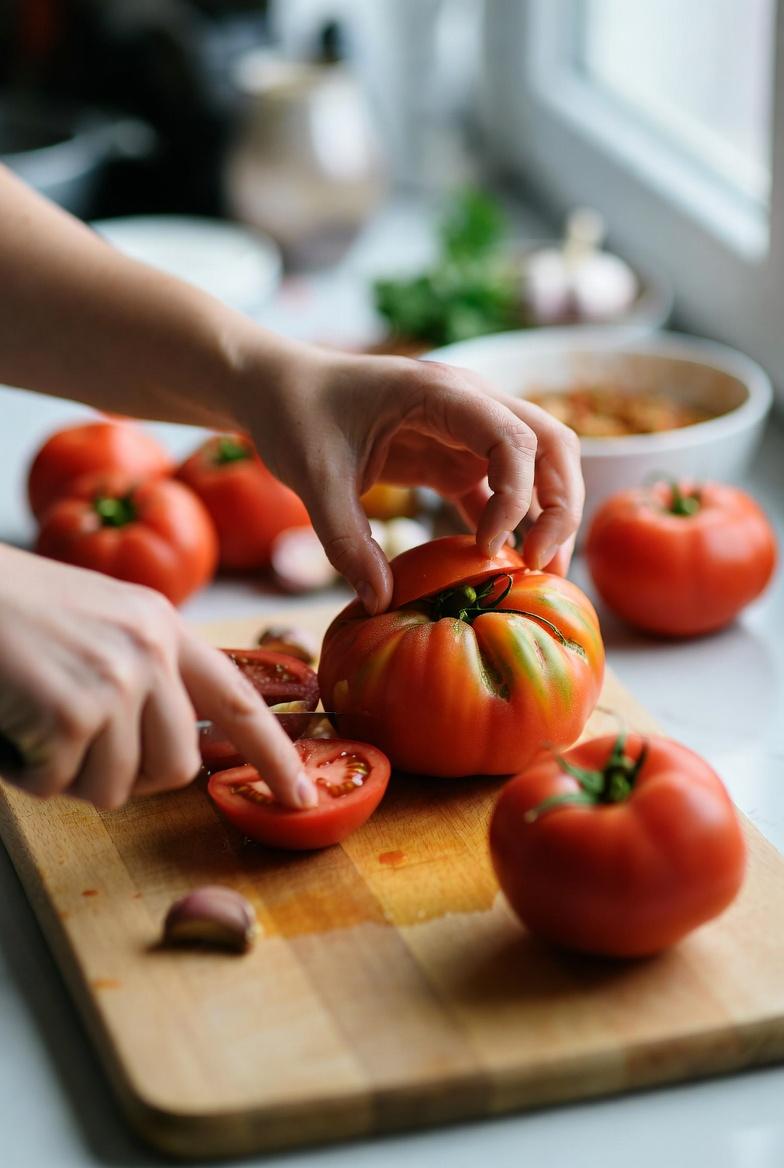
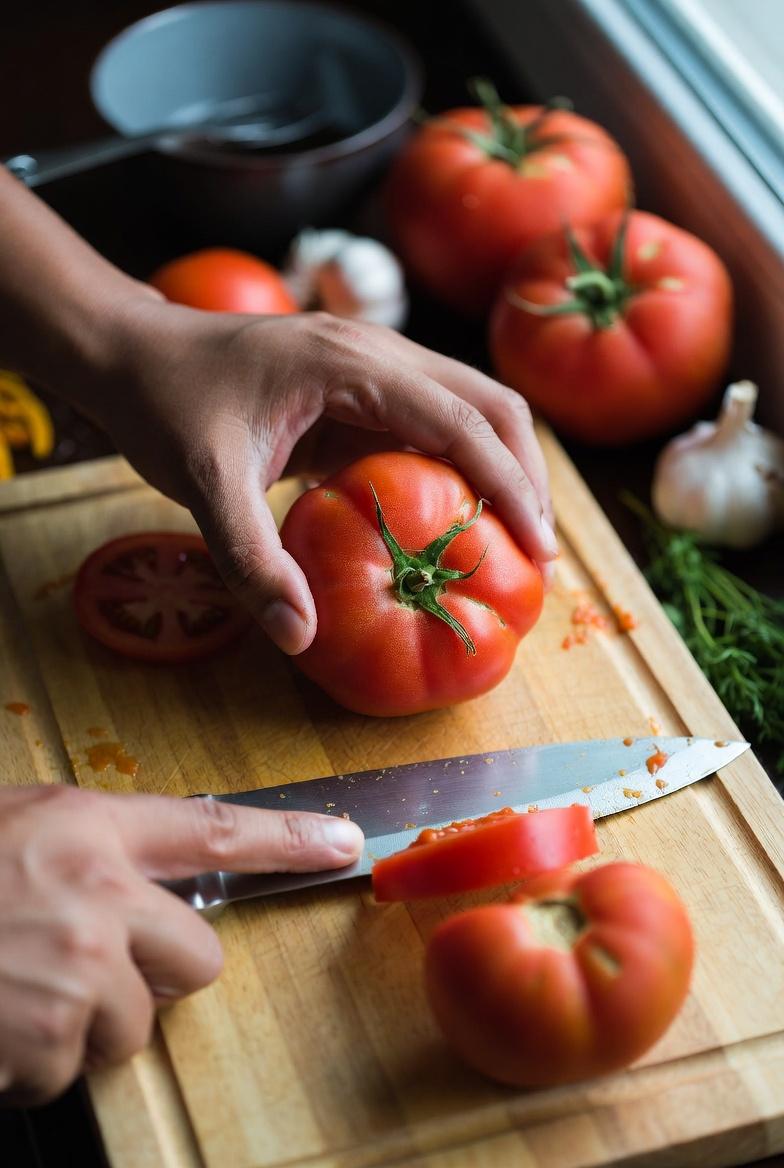
Tomatoes top many lists for prostate-friendly foods due to their high lycopene content, a pigment that gives them their vibrant color. Lycopene is an antioxidant that research has associated with prostate health in multiple studies.
For example, a Harvard study involving over 47,000 men found that higher lycopene intake was linked to positive prostate outcomes. Cooked tomatoes, like in sauces, make lycopene more bioavailable.
To add them: Slice fresh tomatoes into salads or simmer them into a simple pasta sauce. Aim for 2-3 servings weekly.
But wait, there’s more to discover about other fruits that complement tomatoes.
2. Avocados: Creamy Goodness with Healthy Fats
Avocados offer beta-sitosterol, a plant sterol that some preliminary research suggests may support urinary flow. They’re also rich in healthy monounsaturated fats, which aid nutrient absorption.
A study in the British Journal of Urology noted that plant sterols like those in avocados could help with BPH symptoms in some cases. Their creamy texture makes them versatile.
Actionable tip: Mash half an avocado on whole-grain toast for breakfast. Or blend into smoothies for a nutrient boost. Start with one per day if you enjoy the taste.
Sustainability note: Choose ripe ones to avoid waste – they’re ready when slightly soft to the touch.
3. Berries: Antioxidant-Rich Bites
Berries such as strawberries, blueberries, and raspberries are loaded with vitamin C and flavonoids. These compounds help fight free radicals, potentially benefiting prostate cells.
Research from the American Journal of Clinical Nutrition shows that regular berry consumption supports overall cellular health. Their low glycemic index is a bonus for blood sugar control.
Here’s how to make it easy: Freeze berries for year-round access and add to yogurt or oatmeal. Try a handful daily as a snack.
And speaking of variety, let’s look at a fruit that’s often overlooked.
4. Pomegranates: Juicy Seeds with Potent Benefits
Pomegranates contain ellagitannins, which convert to urolithins in the gut and have been studied for anti-inflammatory properties. Some lab studies suggest these may influence prostate cell growth.
A clinical trial published in Prostate Cancer and Prostatic Diseases explored pomegranate juice’s effects, noting potential supportive roles. The tart flavor pairs well with salads.
Practical step: Sprinkle seeds over greens or drink diluted juice. Limit to 4-6 ounces daily to manage sugar intake.
But that’s just the beginning – next up is a refreshing summer favorite.
5. Watermelon: Hydrating and Lycopene-Packed
Watermelon provides lycopene similar to tomatoes, plus citrulline, an amino acid that supports blood flow. Hydration from its high water content is an added perk.
Studies in the Journal of Medicinal Food indicate that citrulline may aid vascular health, indirectly benefiting the prostate area. It’s low-calorie and refreshing.
Quick tip: Cube watermelon for a salad with feta and mint. Enjoy a slice as a post-workout treat, up to 2-3 times a week.
Now, for something citrusy.
6. Citrus Fruits: Vitamin C Boosters
Oranges, grapefruits, and lemons deliver vitamin C, which bolsters the immune system and acts as an antioxidant. Vitamin C may help reduce oxidative damage in tissues.
The European Journal of Nutrition reviewed how citrus intake correlates with better health markers. Their acidity can brighten meals.
How-to: Squeeze lemon into water for a daily drink or segment oranges for snacks. One piece of fruit per day is a good start.
Finally, a classic option.
7. Apples: Fiber-Filled Daily Staples
Apples provide quercetin, a flavonoid with anti-inflammatory effects. The skin is especially rich in this compound.
Research in Nutrition and Cancer suggests quercetin may support prostate health through its antioxidant actions. Plus, the fiber aids digestion.
Incorporate easily: Eat one whole apple daily, with skin on. Bake them with cinnamon for a warm dessert.
Comparing the 7 Fruits: A Quick Overview
To help you choose, here’s a simple table summarizing key nutrients and easy ways to enjoy each:
| Fruit | Key Nutrient | Potential Benefit (Based on Studies) | Daily Tip |
|---|---|---|---|
| Tomatoes | Lycopene | Antioxidant support | Add to sauces |
| Avocados | Beta-sitosterol | Urinary flow aid | Mash on toast |
| Berries | Flavonoids | Free radical fighter | Mix in yogurt |
| Pomegranates | Ellagitannins | Anti-inflammatory | Sprinkle on salads |
| Watermelon | Citrulline | Blood flow support | Cube for snacks |
| Citrus | Vitamin C | Immune boost | Juice in water |
| Apples | Quercetin | Inflammation reducer | Eat whole daily |
This breakdown makes it easier to mix and match based on your preferences.
Simple Ways to Incorporate These Fruits into Your Routine
Ready to take action? Here’s a step-by-step guide:
- Step 1: Assess your current diet. Note how many fruits you eat weekly.
- Step 2: Pick 2-3 from the list to start. Shop for fresh or frozen options.
- Step 3: Plan meals: Breakfast smoothie with berries and avocado; lunch salad with tomatoes and pomegranate.
- Step 4: Track changes. Journal how you feel after a month.
- Step 5: Consult a doctor before major changes, especially if on medications.
These habits can build gradually for lasting impact.
But remember, consistency is key. And now, as promised…
The Standout Fruit: Why Tomatoes Take the Lead
Among these, tomatoes shine brightest due to their lycopene levels. Research, including a meta-analysis in Prostate Cancer and Prostatic Diseases, consistently links higher lycopene to prostate health support.
Why it stands out: It’s versatile, affordable, and effective when cooked. One study showed that men consuming tomato products regularly had better markers.
Pro tip: Try a homemade salsa or soup. Combine with olive oil for better absorption.
Wrapping Up: Small Changes for Big Potential
Incorporating these seven fruits – tomatoes, avocados, berries, pomegranates, watermelon, citrus, and apples – into your diet could be a tasty way to support prostate health naturally. Start small, enjoy the flavors, and listen to your body.
Remember, diet is just one piece of the puzzle. Regular check-ups and a balanced lifestyle matter too.
Frequently Asked Questions
What fruits are best for prostate health?
Based on nutritional research, fruits high in antioxidants like tomatoes (for lycopene), berries, and pomegranates are often recommended for their supportive properties.
How many fruits should I eat daily for prostate support?
Aim for 2-3 servings of fruit per day as part of a varied diet, focusing on diversity to get a range of nutrients.
Can fruits replace medical treatment for prostate issues?
No, fruits can complement a healthy lifestyle but should not replace professional medical advice or treatments.
This information is for educational purposes only and not intended as medical advice. Always consult your healthcare provider for personalized guidance regarding prostate health or any symptoms.


