
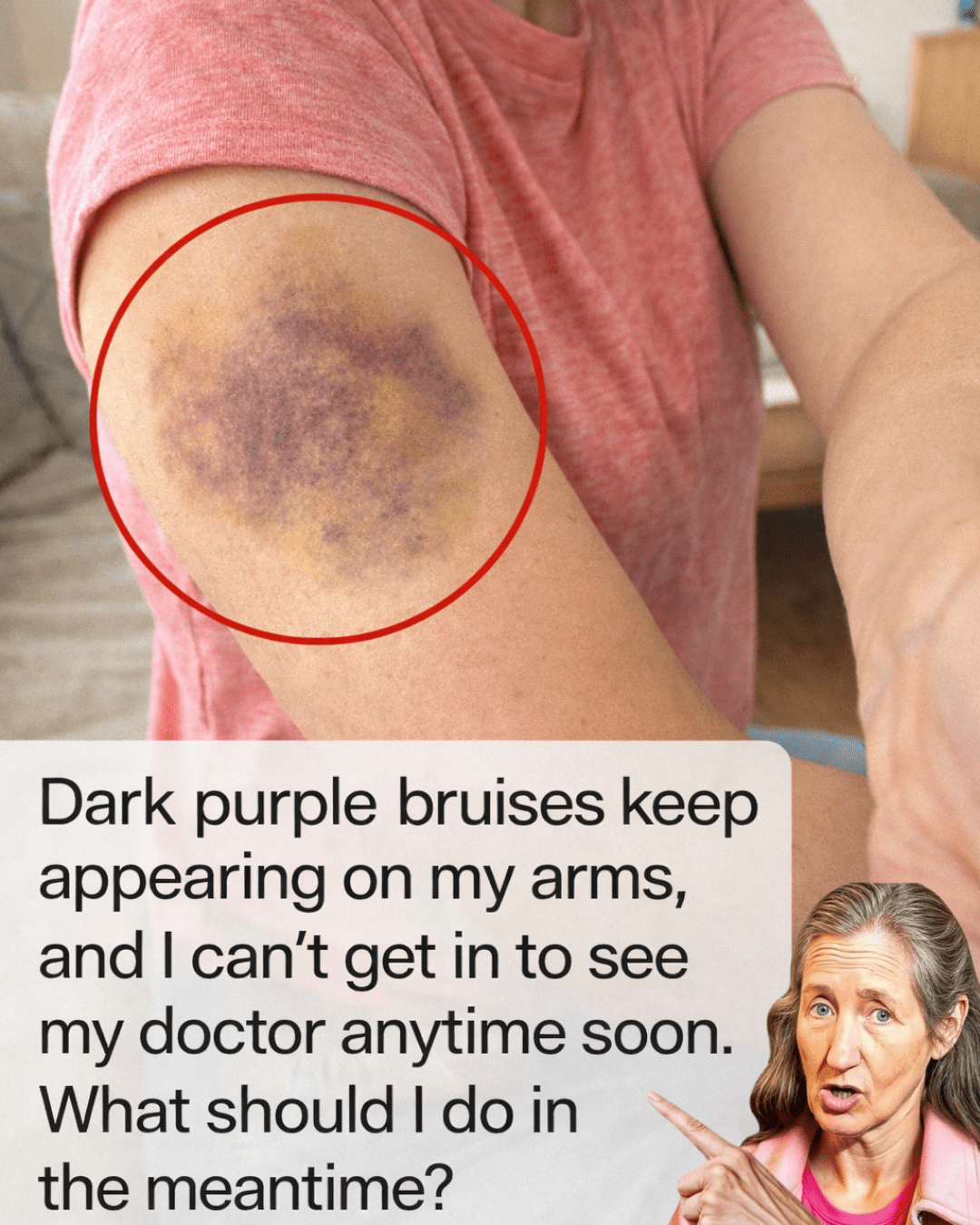
Dark purple bruises appearing on your arms without any obvious bump or injury can feel alarming and frustrating, especially when they keep showing up and your doctor’s appointment is still weeks away. It’s completely understandable to worry about what this means for your health, as these marks often look more serious than they feel. The good news is that many cases stem from common, manageable factors like aging skin or everyday habits, and there are safe steps you can take right now to protect yourself, track changes, and support your skin’s natural healing process — while one surprising protective habit many people overlook could make the biggest difference in reducing new bruises (keep reading to discover it).
Understanding Why These Dark Bruises Happen on Your Arms
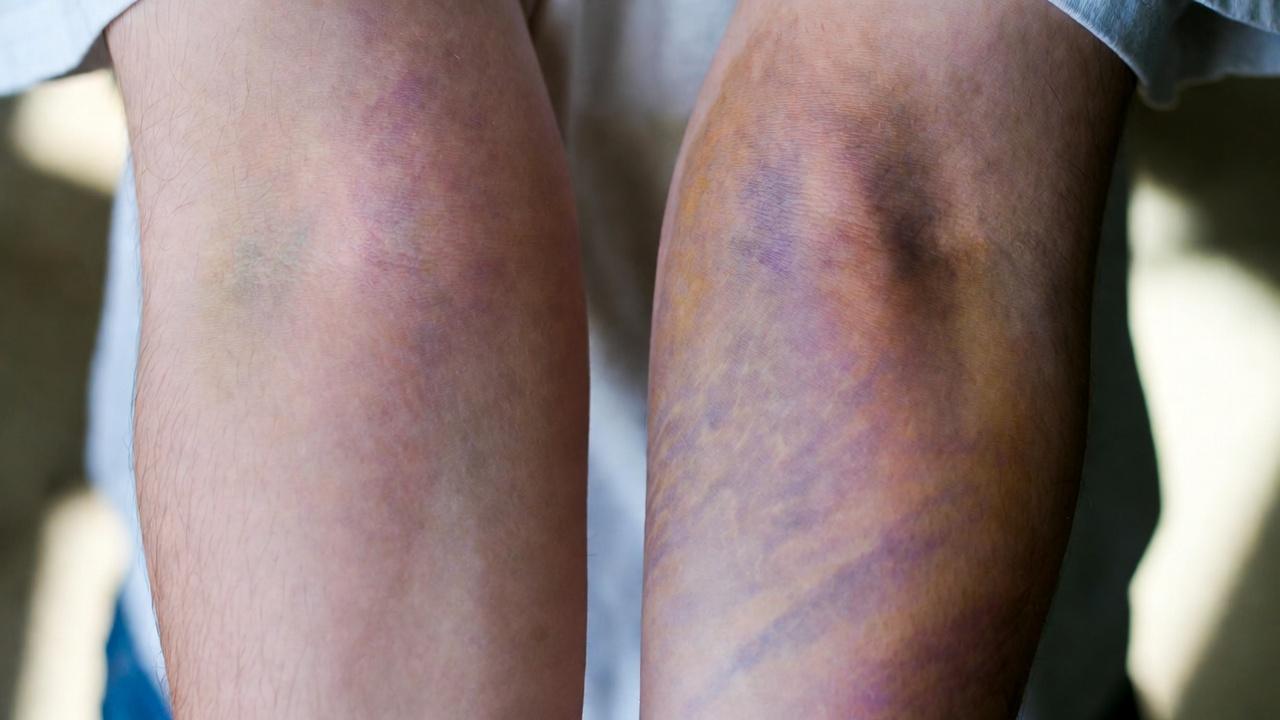
Bruises form when small blood vessels under the skin break and leak blood, creating those characteristic purple or dark patches. When they appear frequently on the arms without clear cause, it’s often linked to changes in skin and blood vessels over time.
Research shows that years of sun exposure combined with natural aging make skin thinner and blood vessels more fragile, especially on sun-exposed areas like the forearms. This condition, commonly known as actinic purpura or senile purpura, is very common in adults over 50 and typically appears as larger, flat, dark purple spots that fade slowly over weeks.
Studies from dermatology sources highlight how cumulative UV damage weakens the skin’s supportive structure, making even minor contact — like brushing against a countertop — enough to cause noticeable bruising.
But that’s not the full picture…
Medications and supplements can also play a role by affecting how blood clots or how strong blood vessels are.
Common Medications and Supplements Linked to Easier Bruising
Many everyday products can contribute to more frequent or darker bruises. Here’s a quick list of some common ones:
- Blood thinners (like warfarin or apixaban)
- Aspirin
- NSAIDs such as ibuprofen or naproxen
- Fish oil supplements
- Ginkgo biloba
- High-dose vitamin E
- Turmeric supplements
These don’t mean you should stop anything on your own — always discuss changes with a healthcare professional. But noting what you’re taking creates valuable information for your upcoming visit.
Actionable Tips to Protect Your Skin and Reduce New Bruises
While waiting for your appointment, focus on gentle protection and simple care routines that support skin health.
Protect Against Everyday Bumps (The Overlooked Habit) Many bruises happen from minor contacts you barely notice. One highly effective yet simple habit is wearing long sleeves made of soft, breathable fabric during daily tasks like cooking, cleaning, or gardening. This creates a gentle barrier that absorbs impact before it reaches fragile skin.
Here are more practical steps you can start today:
- Add soft padding or corner guards to sharp furniture edges
- Be extra mindful around door frames, car doors, and countertops
- Use gloves for yard work or heavy chores
- Apply broad-spectrum sunscreen (SPF 30+) to your arms daily, even on cloudy days — sun protection helps prevent further skin thinning over time
These small adjustments often lead to fewer new marks, giving your skin a chance to recover.
Gentle At-Home Care for Existing Bruises
When a new bruise appears, these time-tested approaches can help manage discomfort and support healing:
- Apply cold first: Wrap an ice pack in a cloth and place it on the area for 10-20 minutes several times on the first day. This can help limit additional bleeding under the skin.
- Switch to warmth later: After 48 hours, try a warm compress to boost circulation and aid in clearing the pooled blood.
- Elevate when possible: Raise your arm above heart level to reduce swelling.
- Rest the area: Avoid putting pressure on the bruised spot.
Skip unproven social media remedies like toothpaste or vinegar — they lack scientific backing and could irritate skin.
Support Your Skin Health from the Inside
Good nutrition helps maintain skin strength and elasticity.
Focus on including these in your meals:
- Vitamin C-rich foods — oranges, strawberries, bell peppers (supports collagen production)
- Vitamin K sources — leafy greens like spinach or kale (aids normal clotting)
- Protein — lean meats, beans, eggs (for tissue repair)
- Stay well-hydrated — water keeps skin more elastic
Limit alcohol, as it can affect blood vessels over time.
Track Your Bruises: Why Documentation Matters
Keep a simple record — it’s one of the best ways to stay calm and prepared.
- Take clear, well-lit photos of each bruise (include a coin or ruler for size)
- Note the date, location, size, color changes, and any related activities
- List any other symptoms like fatigue or unusual bleeding
This “bruise diary” helps reveal patterns and gives your doctor key details at your visit.
When to Seek Care Sooner: Red-Flag Signs
Most arm bruises aren’t emergencies, but watch for these changes that warrant quicker attention:
- Very large or rapidly spreading bruises
- Bruising with nosebleeds, bleeding gums, or blood in urine/stool
- Extreme tiredness, unexplained weight loss, or fever
- Shortness of breath or chest pain alongside bruising
If any of these appear, contact a healthcare provider or urgent care promptly.
Preparing for Your Doctor Appointment
Use this waiting time productively:
Gather your photos, diary, medication list, and notes on symptoms. Being organized makes the visit more efficient and helps determine if tests are needed.
Many people feel self-conscious about visible bruises — that’s normal. These changes often reflect natural aging or sun exposure rather than something you did wrong.
Final Thoughts
Dark purple bruises on the arms can look concerning, but they’re frequently tied to fragile skin from aging or sun exposure, minor unnoticed bumps, or common medications. By protecting your skin, using gentle care, eating supportively, and tracking changes, you can take positive control while waiting for professional guidance.
Stay observant and kind to yourself — early attention to these signals often leads to straightforward answers.
FAQ
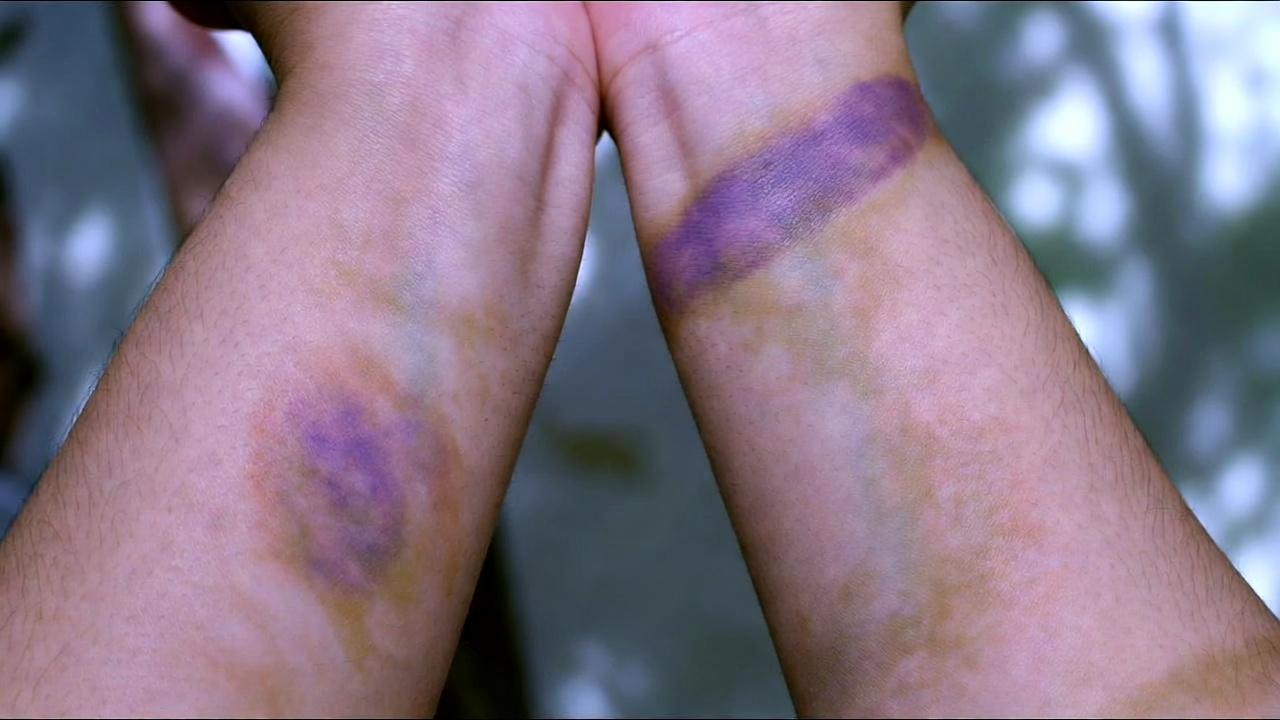
What causes dark purple bruises on arms without injury? They often result from thinner skin and fragile blood vessels due to aging and sun exposure, known as actinic purpura — a common, benign issue.
How long do these bruises typically last? Most fade within 1-3 weeks, though colors change from purple to yellow/green before disappearing; some residual marks may linger.
Can diet help prevent easy bruising? Yes, foods rich in vitamin C and K support skin and clotting health, but they’re not a cure — combine with protective habits.
Disclaimer: This article is for informational purposes only and not a substitute for professional medical advice. Always consult a qualified healthcare provider for personalized guidance, especially regarding symptoms like unexplained bruising. Do not use this information to diagnose or treat any health condition.


