
As we enter our 60s and beyond, many people notice a gradual decline in muscle strength and ease of movement. Everyday tasks like climbing stairs or walking longer distances can start to feel more challenging due to natural changes in the body. This shift affects a significant number of older adults, impacting energy levels and daily comfort.
Research indicates that sarcopenia, the age-related loss of muscle mass and function, affects around 10-20% of community-dwelling adults over 60, with higher rates in those over 80. Factors like reduced physical activity and inflammation can play a role. The good news? Simple habits, including enjoying certain herbal teas, may offer gentle support for maintaining mobility and vitality. Keep reading to explore three popular options backed by emerging research—and discover practical ways to incorporate them into your routine.

Understanding Muscle Changes in Later Years
After age 60, muscle mass naturally decreases by about 1-2% per year, while strength can decline even faster. This can lead to feelings of fatigue during activities, reduced balance, and slower recovery after exertion.
Studies show that ongoing low-level inflammation and oxidative stress contribute to these changes. Poor nutrient delivery to muscles and hormonal shifts also factor in. While exercise and nutrition are key foundations, some natural compounds in everyday teas show promise in supporting inflammation management and circulation.
Here’s the exciting part: Research on specific teas suggests they may help promote better muscle function and energy. Let’s dive into three options that are easy to prepare at home.
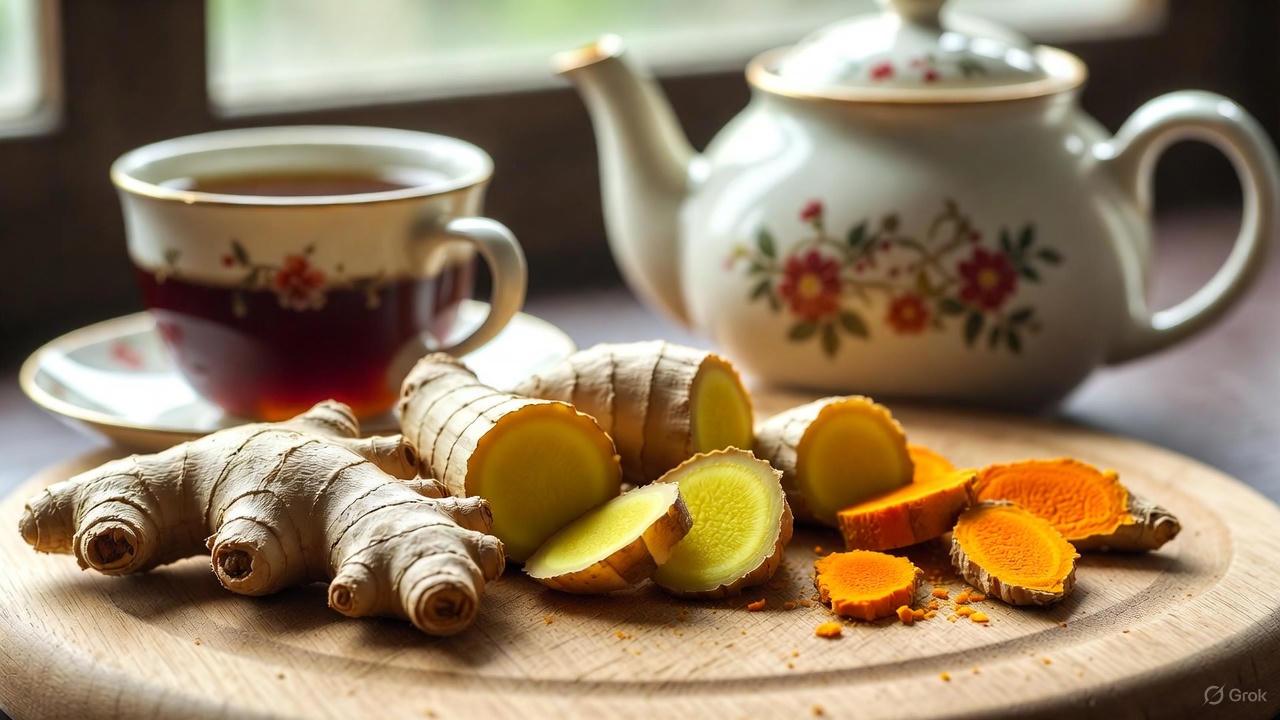
Ginger-Turmeric Tea: A Soothing Option for Daily Comfort
Ginger and turmeric have been used for centuries in traditional practices. Today, studies highlight their potential anti-inflammatory properties.
Curcumin in turmeric and gingerols in ginger may help modulate inflammatory pathways. Research, including reviews on PubMed, indicates these compounds can reduce markers of inflammation and support better blood flow, which aids nutrient delivery to muscles.
One study found ginger supplementation reduced muscle pain after exercise, while curcumin helped ease soreness in active individuals. For older adults, improved circulation could mean feeling more steady on your feet.
Simple Preparation Steps:
- Slice a 1-inch piece of fresh ginger.
- Add 1 teaspoon of turmeric powder or fresh grated root.
- Include a pinch of black pepper to enhance absorption.
- Steep in hot water for 10 minutes.
- Add lemon or honey for flavor.
Enjoy one cup in the morning for a gentle start to the day.
But that’s not all—pairing this with light walks may amplify benefits.
Green Tea with Ginseng: Supporting Energy and Endurance
Green tea is rich in catechins, antioxidants that combat oxidative stress. Adding ginseng, an adaptogen herb, may further support stamina.
Japanese studies link regular green tea consumption to better muscle maintenance and balance in seniors. One trial in elderly women with sarcopenia found tea catechins combined with exercise improved walking ability and muscle mass.
Ginseng has shown potential to enhance endurance and reduce fatigue in research, including meta-analyses on physical performance.
This blend could help sustain energy without the jitters of caffeine-heavy drinks.
Easy Steps to Brew:
- Steep a green tea bag for 2-3 minutes.
- Add sliced ginseng root or ¼ teaspoon ginseng powder.
- Steep an additional 5 minutes.
- Optional: A touch of honey.
Sip midday for a natural lift.
Ready for the third? It’s especially helpful for relaxation.
Ashwagandha Tea: Promoting Recovery and Calm
Ashwagandha, an adaptogen root, is known for helping the body manage stress. Elevated stress hormones like cortisol can contribute to muscle breakdown.
Clinical trials, including systematic reviews, suggest ashwagandha supports muscle strength, recovery, and endurance. In older adults, it improved vitality, sleep quality, and overall well-being.
One study in aging overweight males noted better vigor and hormonal balance.
Evening use may aid overnight muscle repair through better rest.
Preparation Guide:
- Simmer 1 teaspoon dried ashwagandha root in water for 10-15 minutes.
- Strain and add cinnamon or honey.
- For a creamier version, use warm milk.
Drink in the evening for winding down.
Comparison of These Three Teas
| Tea | Key Compounds | Best Time to Enjoy | Supporting Research Areas |
|---|---|---|---|
| Ginger-Turmeric | Gingerols, Curcumin | Morning | Inflammation modulation, circulation |
| Green Tea with Ginseng | Catechins, Ginsenosides | Midday | Endurance, antioxidant support |
| Ashwagandha | Withanolides | Evening | Stress adaptation, recovery |
These teas complement a balanced lifestyle—consistency is key.
Bonus Tips for Better Results:
- Always use fresh ingredients when possible.
- Combine with gentle movement like walking or stretching.
- Stay hydrated throughout the day.
- Track how you feel after a few weeks.
Tying It All Together: Small Habits for Lasting Vitality
Incorporating these teas into your daily routine is straightforward and enjoyable. Many people report feeling more energetic and mobile over time.
Pair them with nutritious meals, regular activity, and good sleep for optimal support. Start with one tea and build from there.
Frequently Asked Questions
1. How soon might I notice changes from these teas?
Effects vary, but some studies show benefits within weeks with consistent use alongside healthy habits.
2. Can I drink more than one of these teas daily?
Yes, rotating or combining them moderately is common. Listen to your body.
3. Are there any interactions to consider?
These teas are generally well-tolerated, but check with your doctor if you’re on medications.
This information is for educational purposes only and is not intended to diagnose, treat, or prevent any condition. Always consult your healthcare provider before adding new habits, especially if you have health concerns or take medications.


