As we age past 60, many people notice a gradual decline in muscle strength and energy levels. Everyday tasks like climbing stairs or carrying bags can start to feel more challenging, and recovery after activity takes longer. This natural shift can affect balance and overall vitality, making it harder to stay active and independent.
You’re not alone in this—research shows that sarcopenia, the age-related loss of muscle mass and function, affects 10-16% of older adults worldwide. The good news? Simple daily habits, like enjoying certain herbal teas, may help support muscle maintenance, reduce inflammation, and promote better recovery. Keep reading to explore three popular options backed by studies, and discover practical ways to incorporate them into your routine.

Understanding Age-Related Muscle Changes After 60
Muscle health naturally evolves with age. After around 50, muscle mass can decrease by 1-2% per year, with strength declining even faster in some cases.
Factors like reduced physical activity, changes in hormone levels, and ongoing low-level inflammation play a role. Studies indicate this can lead to slower walking speeds, fatigue during daily activities, and a higher risk of falls.
But here’s the encouraging part: lifestyle choices matter. Regular movement combined with nutrient-rich foods and beverages may help maintain muscle function.
Research on herbal compounds suggests some teas could offer supportive benefits by addressing inflammation and oxidative stress—key contributors to muscle changes.
That’s not all… certain teas have been studied for their potential to aid circulation, energy use, and recovery.
Ginger-Turmeric Tea: A Popular Choice for Daily Comfort
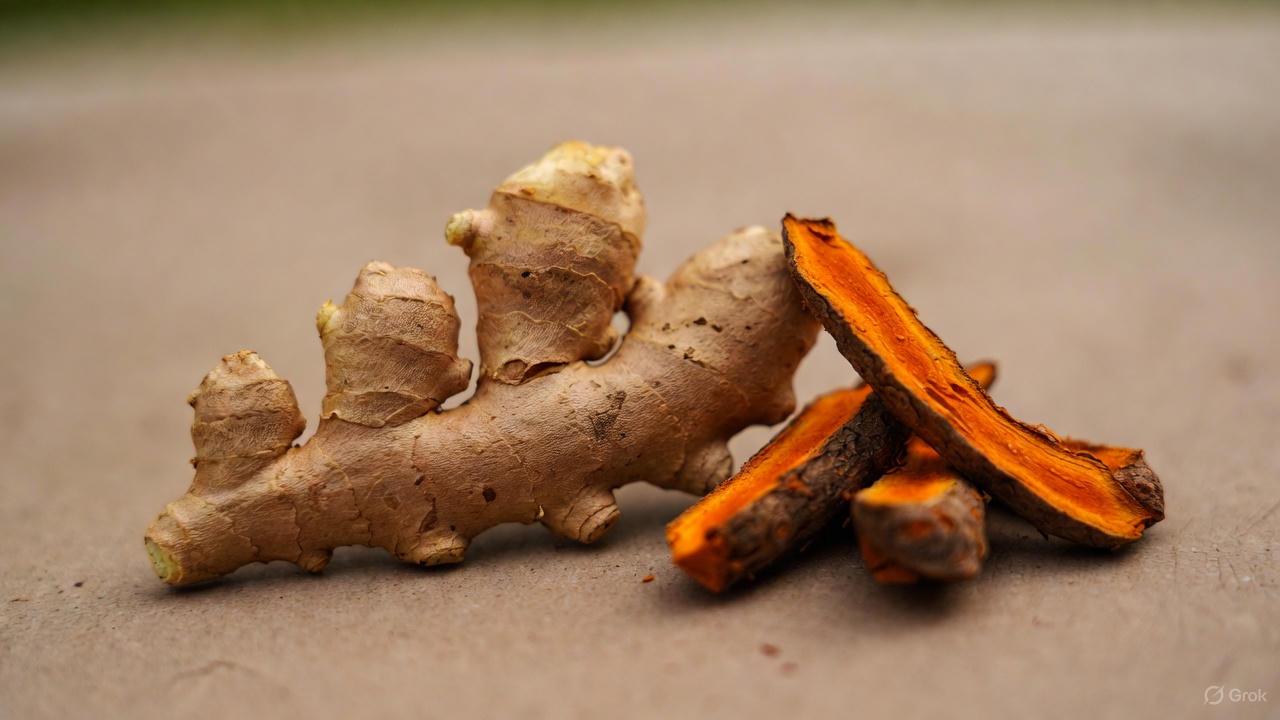
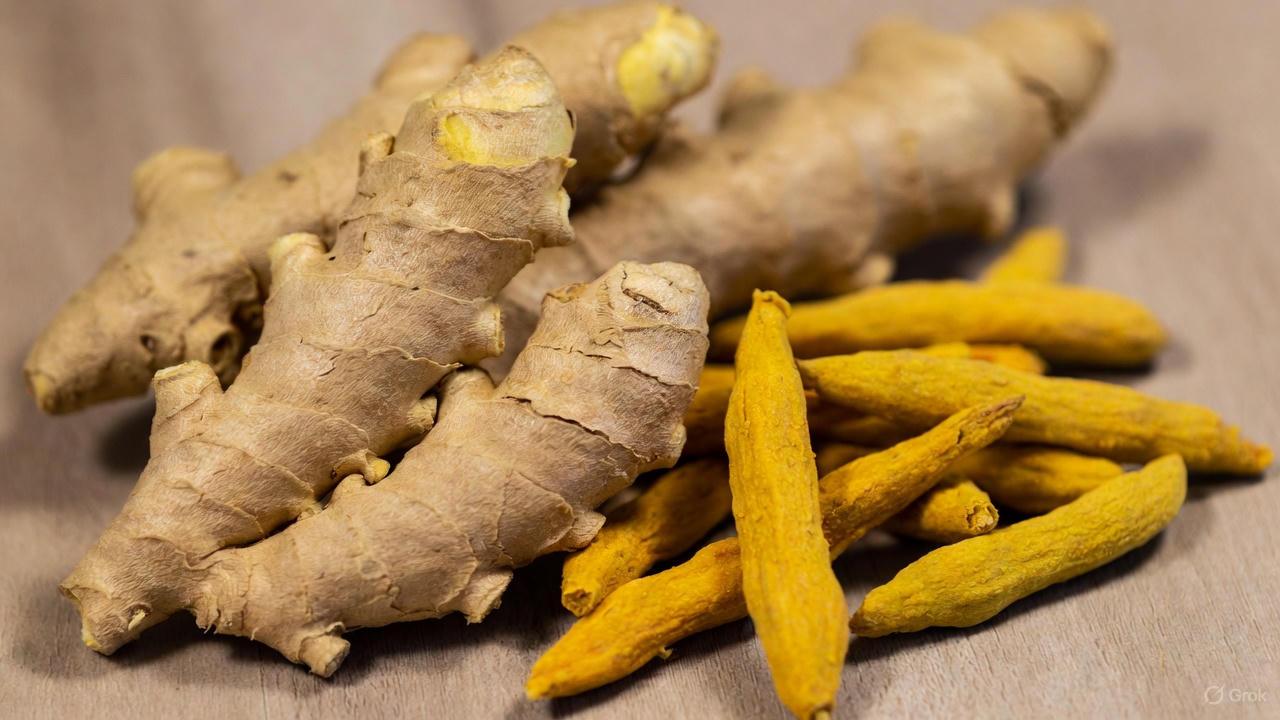
Ginger and turmeric have been used for centuries in traditional practices. Today, studies highlight their compounds—gingerol in ginger and curcumin in turmeric—for their anti-inflammatory properties.
Multiple reviews show these may help ease exercise-induced muscle soreness and support joint mobility. One analysis noted ginger supplementation reduced muscle pain after activity, while curcumin appears to modulate inflammatory pathways.
For older adults, better blood flow and reduced stiffness could make daily movement feel easier.
Many people enjoy this tea warm in the morning for a gentle start to the day.
How to Prepare Ginger-Turmeric Tea at Home
Follow these simple steps for a soothing cup:
- Slice a 1-inch piece of fresh ginger and add 1 teaspoon of turmeric powder (or fresh root).
- Include a pinch of black pepper—this may boost curcumin absorption significantly.
- Steep in hot water for 10 minutes.
- Add lemon or honey for flavor if desired.
Aim for one cup daily. Consistency is key for noticing potential benefits over time.
Research suggests combining these ingredients creates a synergistic effect worth exploring.
Green Tea with Ginseng: Supporting Energy and Endurance
Green tea is rich in catechins, antioxidants that studies link to better muscle maintenance in older adults. Japanese research on regular green tea drinkers found associations with improved balance and lower disability risk.
Ginseng, often paired with green tea, is known as an adaptogen. Reviews of trials show it may enhance endurance, reduce fatigue, and support physical performance during activity.
One meta-analysis indicated ginseng supplementation improved exercise capacity and recovery.
This blend could be a midday pick-me-up, providing calm focus without strong caffeine jitters.
Easy Steps to Make Ginseng Green Tea
Try this straightforward method:
- Brew a green tea bag or loose leaves for 2-3 minutes.
- Add sliced ginseng root or ¼ teaspoon ginseng powder.
- Steep an additional 5 minutes.
- Sweeten with honey if you like.
Enjoy one cup in the afternoon. Studies often note benefits with regular intake over weeks.
The interesting part? These compounds may work together to support oxygen use in muscles.
Ashwagandha Tea: Promoting Recovery and Balance
Ashwagandha is another adaptogen studied for its effects on stress hormones like cortisol. Elevated cortisol can contribute to muscle breakdown, so balancing it may aid recovery.
Clinical trials in adults show ashwagandha supplementation increased muscle strength and size when combined with resistance training. It also supported better endurance and reduced fatigue.
For evenings, this tea might promote relaxation and overnight repair.
Simple Ashwagandha Tea Preparation
Here’s how to make it:
- Use 1 teaspoon of dried ashwagandha root.
- Simmer in water for 10-15 minutes.
- Strain and add cinnamon or honey.
- For a creamier version, mix with warm milk.
One cup in the evening could fit well. Research points to gradual improvements with consistent use.
Comparison Table: Key Features of These Three Teas
| Tea | Main Supportive Compounds | Best Time to Enjoy | Supporting Evidence Level |
|---|---|---|---|
| Ginger-Turmeric | Gingerol + Curcumin | Morning | Multiple studies on inflammation and soreness |
| Ginseng Green | Catechins + Ginsenosides | Midday | Trials on endurance and fatigue reduction |
| Ashwagandha | Withanolides | Evening | Research on strength gains and recovery |
This overview highlights how each tea targets different aspects of daily well-being.
Bonus Tips to Enhance Your Tea Routine
- Pair teas with light walks or stretching for added benefits—movement amplifies nutrient delivery.
- Stay hydrated throughout the day, as water supports overall muscle function.
- Include protein-rich foods like eggs, nuts, or yogurt to complement these habits.
- Track how you feel over 4-6 weeks; small changes can add up.
Most people see the best results with a combined approach: teas, gentle activity, and balanced nutrition.
Putting It All Together for Daily Vitality
Incorporating these three teas into your routine is a simple, enjoyable way to support muscle health as you age. Start with one that appeals most, then rotate or combine them.
Thousands of older adults explore herbal options like these alongside healthy habits. With patience and consistency, you may notice improved energy, easier movement, and better recovery.
Ready to try? Begin today and observe the differences.
Frequently Asked Questions
1. How soon can I expect to notice benefits from these teas?
Many studies show potential changes after 4-12 weeks of regular use, though individual results vary.
2. Are there any interactions with medications?
Herbs like these can interact with certain drugs, such as blood thinners. Always check with your doctor first.
3. Can I drink more than one of these teas per day?
Yes, rotating them throughout the day is common. Start with 1-2 cups total and monitor how you feel.
This information is for educational purposes only and is not intended as medical advice. Consult your healthcare provider before adding new teas or supplements to your routine, especially if you have health conditions or take medications.