Tooth sensitivity, occasional discomfort from hot or cold foods, and early signs of plaque buildup can disrupt daily life and make enjoying meals challenging. These issues often stem from everyday factors like sugary diets and busy routines that allow bacteria to thrive in the mouth. Many people experience this frustration, wondering if there’s a natural way to support better oral health without relying solely on store-bought products.
Traditional remedies from common plants have been used for generations to help maintain oral hygiene. Guava leaves, in particular, stand out in folk practices across various cultures. But what makes them interesting, and how can they fit into modern routines? Keep reading to explore the background and practical tips—you might find a surprising ally in something readily available.
Why Oral Discomfort and Plaque Concerns Affect So Many People
Oral health challenges are widespread. According to global health data, untreated dental caries impacts billions worldwide, making it one of the most common health conditions. Bacteria like Streptococcus mutans play a key role by feeding on sugars and producing acids that weaken enamel over time.
Poor brushing habits, frequent snacking, or limited access to dental care can worsen these issues. Early signs include sensitivity or visible spots, which, if ignored, may lead to more discomfort.
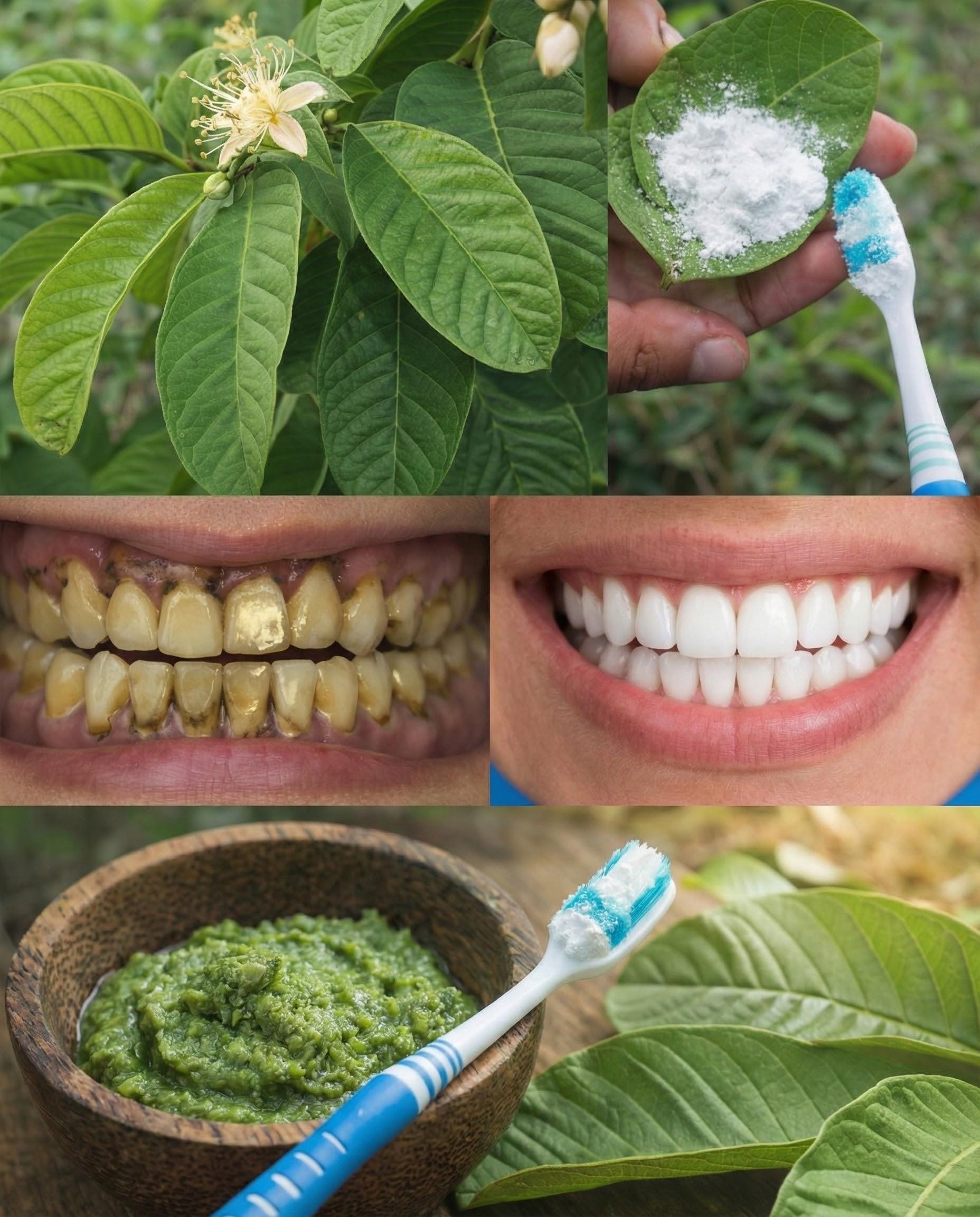
Research shows that natural compounds in plants can offer supportive benefits for oral hygiene. Studies on guava leaves (Psidium guajava) suggest potential antimicrobial and anti-inflammatory properties, which align with their traditional use for mouth comfort.
Here’s a quick look at why people turn to natural options:
- Easy access to fresh or dried leaves
- Cost-effective compared to commercial rinses
- Gentle for daily use in many cultures
But that’s not all—emerging studies add credibility.
What Research Says About Guava Leaves and Oral Health
Guava leaves contain flavonoids like quercetin and guaijaverin. Lab and clinical studies indicate these compounds may inhibit growth of oral bacteria, including Streptococcus mutans, and reduce plaque formation.
For example, research published in journals like PMC has explored guava leaf extracts in mouthrinses, showing potential to lower bacterial counts and support gum health. Traditional uses include chewing leaves or boiling them for rinses to soothe minor mouth irritations.
Young, tender leaves often pack more active compounds—that’s a tip from long-standing practices.
Important note: These approaches support hygiene but don’t replace professional care.
Way 1: Chewing Fresh Guava Leaves for Quick Comfort
If occasional tooth sensitivity hits during meals, this direct method is straightforward.
Start with 1-2 clean, fresh tender leaves. Wash them thoroughly.
Chew gently for a few minutes, focusing on releasing the juices around the sensitive area.
Spit out the pulp afterward and rinse with water.
How it may help: The natural compounds come into direct contact, potentially soothing inflammation based on traditional analgesic uses.
Many report a fresher feeling shortly after. Try it once or twice daily as needed.
Pro tip: Avoid swallowing large amounts of pulp.
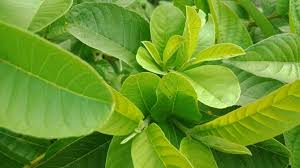
Way 2: Guava Leaf Rinse for Daily Oral Support
For overall mouth freshness and plaque control, a simple decoction works well.
Here’s how to prepare it step by step:
- Take 5-7 fresh or dried guava leaves.
- Wash them clean.
- Boil in 2 cups of water for 10 minutes.
- Let it cool and strain.
- Use as a rinse: Swish for 30 seconds, twice daily.
Studies on guava-based rinses suggest potential to reduce bacterial colonies, similar to effects seen in antiplaque research.
This method is gentle and can become part of your routine, like after brushing.
Bonus: Add a pinch of salt if desired for extra soothing, but test gently.
Quick Comparison: Natural Rinse vs. Common Options
| Aspect | Guava Leaf Rinse | Commercial Chemical Rinses |
|---|---|---|
| Source | Backyard or easily available | Store-bought |
| Potential Effects | Antimicrobial from natural compounds | Quick bacterial reduction |
| Daily Use Feel | Soothing, natural taste | May cause temporary sting |
| Cost | Low or free | Higher over time |
Way 3: Crushed Leaf Paste for Targeted Application
When gums feel irritated around a specific area, try this focused approach.
Steps:
- Crush 2-3 fresh leaves into a paste (use a mortar or simply mash).
- Apply gently to the gum or affected spot with a clean finger.
- Leave for 5-10 minutes.
- Rinse thoroughly.
Anti-inflammatory properties in the leaves may calm localized sensitivity, per traditional applications.
Use as needed, 1-2 times daily.
Insider tip: Combine with good habits for best results.
Summary Table: The 3 Ways at a Glance
| Method | Best For | How Often | Key Benefit |
|---|---|---|---|
| Chewing Leaves | Quick soothing of sensitivity | 1-2 times daily | Direct contact with compounds |
| Decoction Rinse | Daily bacterial and plaque support | Twice daily | Whole-mouth freshness |
| Crushed Paste | Targeted gum comfort | As needed, 1-2 times | Localized application |
Tips to Maximize Benefits from Guava Leaves
Pair these methods with basics:
- Brush twice daily with fluoride toothpaste.
- Floss regularly.
- Limit sugary snacks.
- Stay hydrated.
Consistency matters—many notice improvements with regular use alongside hygiene.
Research emphasizes that natural aids like guava support plaque control but work best preventively.
Conclusion: Simple Steps Toward Better Oral Comfort
Exploring guava leaves offers an accessible way to support daily oral hygiene, backed by tradition and some scientific interest. Start with one method that fits your routine, like the rinse for ease.
Over time, combining natural support with professional check-ups can make a difference. If sensitivity persists or worsens, consult a dentist promptly.
Frequently Asked Questions
Are guava leaves safe for everyday use?
In moderation, yes—traditional use spans centuries. Start small to check for any personal sensitivity. Rinse well after use.
Can children use these methods?
For kids, supervise closely. The rinse (diluted) may be suitable, but consult a pediatric dentist first.
Where can I get guava leaves?
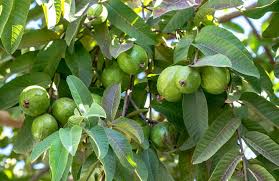
Fresh from a guava tree if available, or dried from markets/herbal stores. Ensure they’re clean and pesticide-free.
Disclaimer: This information is for educational purposes only and is not intended to diagnose, treat, cure, or prevent any disease. Guava leaves may support oral hygiene based on traditional use and preliminary research, but they do not replace professional dental advice or treatment. Always consult a qualified dentist or healthcare provider for oral health concerns, especially if you have persistent pain, cavities, or other symptoms. Individual results vary, and natural remedies may not be suitable for everyone.