
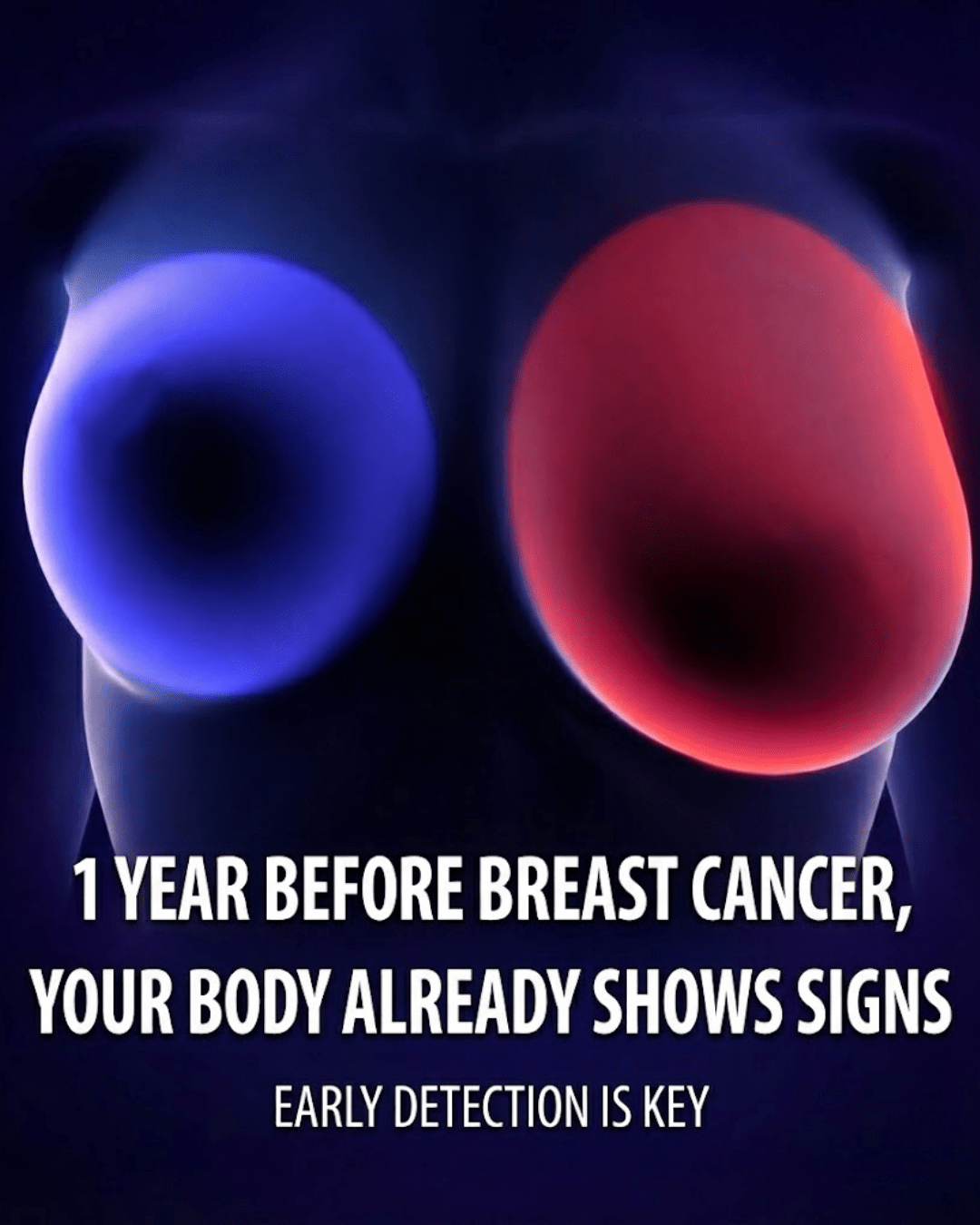
Many women experience subtle shifts in their bodies over time, and these can sometimes raise questions about breast health. It’s common to feel concerned when noticing something different, especially since breast changes can stem from various everyday factors like hormonal fluctuations or aging. These uncertainties can lead to unnecessary worry, making it essential to stay informed about what to watch for. But here’s the intriguing part: understanding a few specific changes could empower you to take proactive steps—keep reading to uncover them in detail below.
Why Paying Attention to Breast Changes Matters
In today’s fast-paced world, it’s easy to overlook small bodily signals. Yet, research from organizations like the American Cancer Society highlights the importance of regular self-awareness for breast health. By becoming familiar with your own body, you can better recognize when something feels off. This isn’t about fear; it’s about empowerment through knowledge.
Think about it: how often do you truly check in with your body? Studies show that many women only notice changes during routine activities, like showering or dressing. The key is consistency. Starting a simple habit of monthly self-exams can make a big difference in your overall awareness.
But that’s not all. Incorporating this into your routine doesn’t have to be complicated. We’ll break it down step by step later in this article.
Understanding Common Breast Changes
Breasts naturally evolve throughout life due to factors like menstruation, pregnancy, or menopause. However, certain changes might warrant a closer look. According to general health guidelines from sources like the Mayo Clinic, being observant helps in maintaining breast health.
Here’s where it gets practical: not all changes are cause for alarm, but knowing the differences can guide your next steps. Let’s explore four key areas to monitor.
1. Noticeable Lumps or Thickening
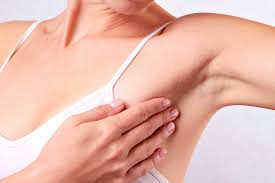
One common change involves feeling a lump or thickened area in the breast or underarm. This could feel like a pea-sized nodule or a broader firm spot. Research indicates that most lumps are benign, often related to cysts or fibroadenomas, but awareness is crucial.
To check effectively:
- Stand in front of a mirror with arms at your sides.
- Raise your arms and look for any dimpling or bulging.
- Lie down and use your opposite hand to feel each breast in a circular motion.
- Repeat monthly, ideally a week after your period.
If you notice something new, jot it down and consult a healthcare professional for peace of mind. This simple routine can become second nature with practice.
But wait, there’s more to consider about how these feel—texture matters too.
2. Shifts in Breast Size or Shape
Another area to watch is any unexplained change in the size or shape of one or both breasts. This might appear as swelling, shrinkage, or asymmetry that wasn’t there before. Hormonal changes can cause temporary shifts, but persistent ones deserve attention.
Visual checks are helpful here. Studies from breast health experts suggest comparing your breasts monthly to spot differences early.
Try this actionable tip: Use a well-lit mirror to observe from different angles—front, side, and leaning forward. Note any puckering or contour changes.
Sự thật là, many women experience this during life stages, but tracking helps distinguish normal from notable.
3. Nipple Variations to Observe
Nipples can also show changes, such as inversion, where a previously outward nipple turns inward, or unexpected discharge that’s not related to breastfeeding. Clear or bloody fluid might appear, though it’s often linked to benign conditions like infections.
General medical literature, including from WebMD, advises gentle self-checks without squeezing.
Here’s a step-by-step guide:
- Gently inspect nipples for position changes.
- Look for scaling, rash, or crusting around the area.
- If discharge occurs, note the color and consistency.
- Avoid forceful checks to prevent irritation.
This monitoring can fit seamlessly into your daily routine, like after a shower.
And here’s the interesting part: some changes resolve on their own, but observation ensures you’re informed.
4. Skin Texture and Color Alterations
Finally, pay attention to skin changes on the breast, such as dimpling (resembling orange peel), redness, or rash-like appearances. These could stem from infections or allergies, but consistent monitoring is key.
According to health studies, visual and tactile exams combined offer the best insight.
Incorporate this into your checks:
- Feel for warmth or unusual tenderness.
- Look for visible veins or puckering.
- Compare both sides for symmetry.
By doing this regularly, you build a baseline of what’s normal for you.
How to Incorporate Self-Monitoring into Your Routine
Now that we’ve covered the key changes, let’s make it actionable. Establishing a habit doesn’t require much time—aim for 5-10 minutes monthly.
Start with a calendar reminder. Choose a consistent day, like the first of each month.
Use these tools for better tracking:
- A journal to note observations.
- Apps designed for breast health reminders.
- Educational videos from reputable sources.
Research shows that women who track regularly feel more confident in their health management.
But that’s not the end—combining this with professional check-ups amplifies your efforts.
Lifestyle Factors That Support Breast Health
Beyond monitoring, certain habits can contribute to overall well-being. A balanced diet rich in fruits, vegetables, and whole grains is often recommended by nutrition experts.
Exercise plays a role too. Aim for 150 minutes of moderate activity weekly, as per CDC guidelines.
Limit alcohol and avoid smoking—these are evidence-based tips from health organizations.
Here’s a quick comparison table of supportive habits:
| Habit | Benefits | How to Start |
|---|---|---|
| Balanced Diet | Provides antioxidants | Add one veggie per meal |
| Regular Exercise | Maintains healthy weight | Walk 30 minutes daily |
| Limited Alcohol | Reduces potential risks | Stick to one drink max |
| No Smoking | Improves overall health | Seek support groups |
These small changes add up over time.
When to Seek Professional Advice
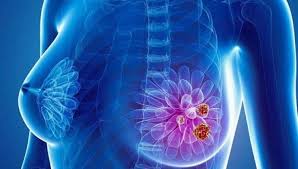
If any changes persist or cause concern, scheduling a visit with a healthcare provider is a smart step. They can offer personalized insights based on your history.
Remember, early conversations can provide reassurance.
The truth is, most changes are non-serious, but professional input ensures clarity.
Wrapping Up: Empower Your Breast Health Journey
Monitoring these four key changes—lumps, size shifts, nipple variations, and skin alterations—can enhance your breast health awareness. By incorporating simple self-checks and healthy habits, you’re taking proactive control.
Stay consistent, and remember, knowledge is your ally.
Frequently Asked Questions (FAQ)
What age should I start monitoring breast changes?
It’s wise to begin in your 20s, as breast tissue develops fully by then. Regular awareness builds a strong baseline for life.
How often should self-exams be done?
Monthly is ideal, preferably a few days after your menstrual period ends when breasts are least tender.
Can men experience breast changes too?
Yes, though less common, men should also be aware of similar signs and consult professionals if noticed.
Disclaimer: This article is for informational purposes only and is not a substitute for professional medical advice. Always consult a qualified healthcare provider for any health concerns.
(Word count: 1,248)


