
Many people experience occasional fatigue, mild swelling in the legs or ankles, or changes in energy levels as they get older. These common issues can sometimes feel frustrating and leave you wondering about simple ways to feel more comfortable day to day. What if some support could come from familiar items already in your kitchen cabinet?
Research is exploring how certain spices, used for centuries in various cuisines, might offer gentle benefits through their natural antioxidant and anti-inflammatory properties. Let’s look at five popular ones that studies suggest could play a role in promoting overall wellness, including aspects related to kidney health.

Why Spices Are Gaining Attention for Daily Wellness
Your kidneys work hard every day to filter blood and maintain balance in the body. Factors like age, diet, and inflammation can influence how efficiently they perform these tasks.
Some spices contain compounds that have shown promising effects in lab and animal studies, such as reducing oxidative stress or supporting better blood flow. Human research is still growing, but preliminary findings indicate these spices may contribute to a healthier inflammatory response and antioxidant activity—both important for general well-being.
The good news? These are everyday spices you can easily add to meals in small amounts.
The Top 5 Spices Worth Exploring
Here are five spices backed by some scientific interest for their potential supportive roles:
1. Turmeric – The Bright Golden Spice
Turmeric owes its vibrant color to curcumin, a compound studied extensively for its antioxidant properties.
Studies, including reviews of clinical trials, suggest curcumin may help reduce markers of inflammation and oxidative stress. When paired with a pinch of black pepper (which contains piperine), absorption can improve significantly—up to 2,000% in some research.
Easy tip: Add ½–1 teaspoon of turmeric to soups, rice, or warm milk, along with a dash of black pepper.
2. Ginger – The Warming Root
Ginger’s active compounds, like gingerol, have been linked to anti-inflammatory effects in numerous studies.
Animal research shows ginger may protect against certain types of kidney stress, and human trials indicate it could support better blood sugar regulation—an important factor for long-term health.
Easy tip: Grate fresh ginger (about 1-inch piece) into tea, stir-fries, or smoothies for a gentle zing.
3. Cinnamon – The Sweet Aromatic Bark
Cinnamon, especially the Ceylon variety, is known for helping maintain healthy blood sugar levels.
Multiple studies and meta-analyses point to its potential in improving insulin sensitivity, which indirectly supports overall metabolic health.
Easy tip: Sprinkle ½–1 teaspoon on oatmeal, yogurt, or coffee for natural warmth.
4. Cayenne Pepper – The Gentle Heat Booster
The compound capsaicin in cayenne gives it that signature warmth and has been researched for circulation benefits.
Some animal studies suggest it may help with blood flow and reduce certain inflammatory markers, while population data links chili consumption to various wellness markers.
Easy tip: Start with a small pinch (⅛ teaspoon) in sauces or soups if you’re new to spice.
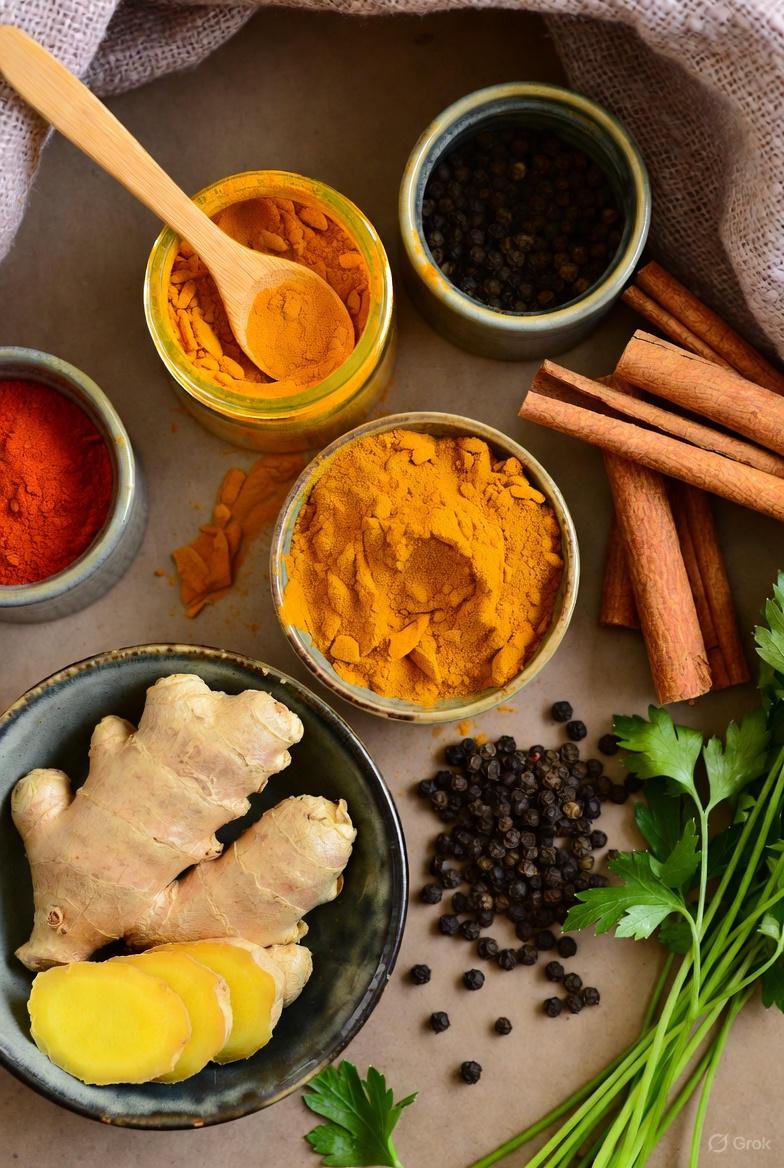
5. Parsley – The Fresh Green Herb
Often used as a garnish, parsley has natural diuretic properties due to compounds like apiol and myristicin.
Research, including animal and small human studies, indicates it may increase urine flow and help with fluid balance.
Easy tip: Chop 1–2 tablespoons fresh parsley and add to salads, soups, or as a finishing touch.
| Spice | Key Compound | Potential Supportive Role | Suggested Daily Amount |
|---|---|---|---|
| Turmeric | Curcumin | Antioxidant activity, better absorption with pepper | ½–1 tsp with pinch of pepper |
| Ginger | Gingerol | Anti-inflammatory effects | 1-inch fresh or ½ tsp powder |
| Cinnamon | Cinnamaldehyde | Blood sugar balance | ½–1 tsp (Ceylon preferred) |
| Cayenne | Capsaicin | Circulation support | ⅛–¼ tsp |
| Parsley | Apiol, myristicin | Natural diuretic properties | 1–2 tbsp fresh or as tea |
Simple Ways to Incorporate These Spices Into Your Routine
Start small to enjoy the flavors without overwhelming your palate.
Morning idea: Warm water with a pinch of turmeric, black pepper, and a slice of ginger.
Evening idea: Sprinkle cinnamon, ginger, and fresh parsley over roasted vegetables or lean proteins.
A quick ritual: Brew parsley tea by steeping fresh leaves in hot water for 5–10 minutes.
These additions can make meals more enjoyable while providing natural compounds studied for wellness benefits.
But that’s not all—combining them thoughtfully might enhance their effects even more.
What Research Says About These Spices
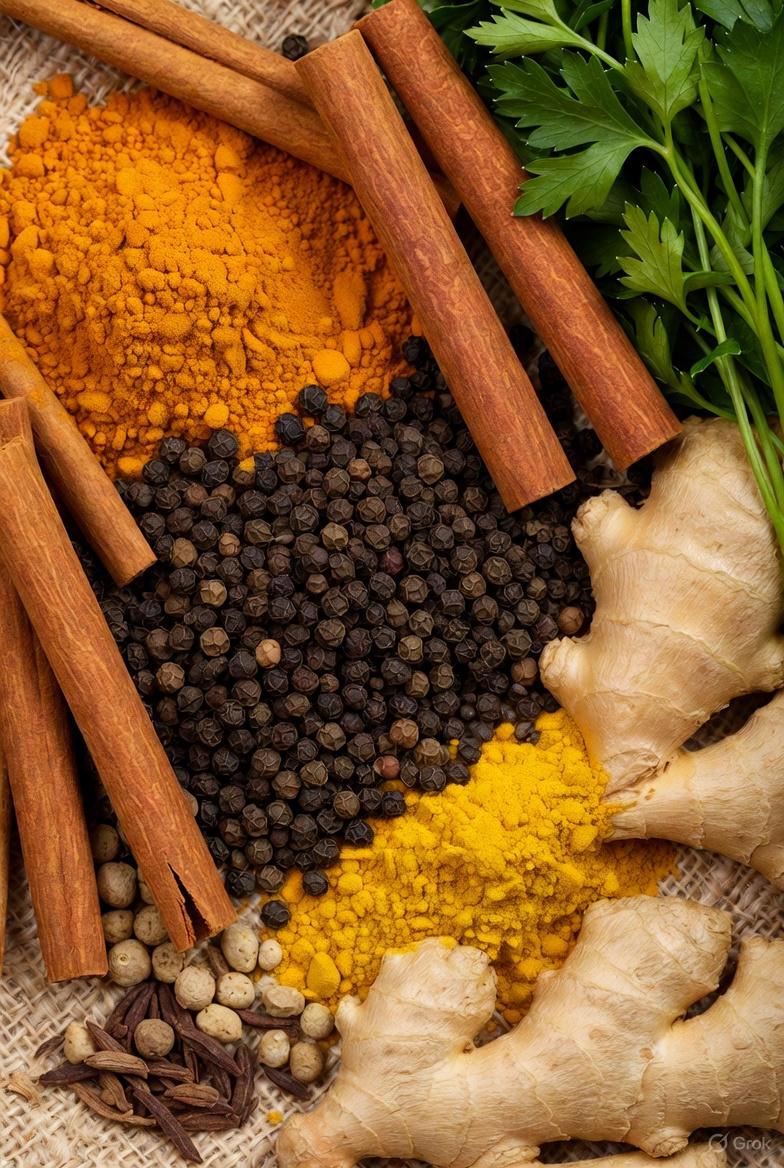
- Turmeric: Clinical reviews show potential reductions in inflammatory markers; pairing with piperine boosts bioavailability.
- Ginger: Animal models demonstrate protective effects against oxidative stress.
- Cinnamon: Meta-analyses support its role in glucose management.
- Cayenne: Studies link capsaicin to improved circulation in preclinical research.
- Parsley: Evidence points to mild diuretic action, helpful for fluid balance.
Always choose high-quality, fresh spices for the best flavor and potential benefits.
Safety Tips and Considerations
These spices are generally safe in culinary amounts for most people.
If you have existing health conditions, take medications (like blood thinners), or experience digestive sensitivity, start low and monitor how you feel.
High doses, especially in supplement form, may interact with medications or cause side effects.
Frequently Asked Questions
Can these spices replace medical advice for kidney concerns?
No—these are dietary additions for general wellness. Always consult your healthcare provider for personalized guidance.
How much is too much?
Stick to culinary doses (as listed above). Excessive intake could lead to discomfort.
Are supplements better than whole spices?
Food sources are often preferable, as they provide a mix of compounds without isolated high doses.
Final Thoughts
Incorporating these five spices into your daily meals is a simple, flavorful way to explore natural support for overall health. While research continues to uncover their potential, many people find they add enjoyment and variety to eating well.
Small changes, like a dash here or a sprinkle there, can build up over time.
This article is for informational purposes only and is not intended to diagnose, treat, cure, or prevent any disease. Always consult your healthcare provider before making dietary changes, especially if you have kidney concerns or take medications.


