
As we age beyond 60, staying active becomes essential for overall well-being, yet common activities like walking can sometimes feel challenging due to joint discomfort or fatigue. This can lead to reduced mobility, making it harder to maintain daily routines and potentially impacting energy levels. Fortunately, heart surgeons often suggest gentler alternatives that support cardiovascular health without the strain. In this article, we’ll explore these options step by step—but stick around to the end for a surprising tip on combining them effectively.

Why Consider Alternatives to Walking After 60?
Many adults over 60 enjoy walking as a simple way to stay fit. However, factors like varicose veins, arthritis, or balance issues can make it less appealing. Research from organizations like the American Heart Association indicates that low-impact activities can still promote circulation and heart function effectively.
But that’s not all. Switching to varied exercises might even add enjoyment to your routine, helping you stick with it longer. Let’s dive into what heart experts recommend.
Exercise 1: Seated Leg Lifts for Improved Circulation
Seated leg lifts are a straightforward option that can be done anywhere with a chair. This movement focuses on the lower body, encouraging blood flow without putting weight on your feet.
To get started, sit upright in a stable chair with your feet flat on the floor. Slowly lift one leg straight out in front of you, hold for a few seconds, then lower it back down. Repeat with the other leg.
Here’s a simple step-by-step guide:
- Start with 10 repetitions per leg.
- Aim for 2-3 sets daily.
- Breathe steadily—inhale as you lift, exhale as you lower.
Studies, such as those published in the Journal of Vascular Surgery, suggest that such exercises may support leg health in older adults. The key is consistency.
And here’s the interesting part: You can do this while watching TV, turning downtime into productive time.

Exercise 2: Arm Circles to Boost Upper Body Mobility
Arm circles offer a gentle way to engage your upper body and shoulders. This can complement lower body focus by promoting overall movement.
Begin by standing or sitting with your arms extended to the sides. Make small circles forward for 10-15 seconds, then reverse direction. Gradually increase the circle size if comfortable.
For variety:
- Try it with light hand weights if you have them.
- Perform in sets of 3, resting briefly between.
- Focus on smooth motions to avoid strain.
According to general findings from the Mayo Clinic, activities like this can help maintain flexibility as we age. It’s all about building habits that fit your lifestyle.
But wait, there’s more. Combining this with deep breathing can enhance relaxation benefits.
Exercise 3: Wall Push-Ups for Strength Building
Wall push-ups adapt the classic push-up for less intensity. They target the chest, arms, and core, supporting posture and stability.
Stand facing a wall, place your hands shoulder-width apart at chest height. Lean in slowly, bending your elbows, then push back to the starting position.
Quick tips to follow:
- Keep your body straight like a plank.
- Do 8-12 reps per set.
- Rest for 30 seconds before repeating.
Research from the National Institute on Aging shows that strength exercises like these contribute to daily functional abilities in seniors. They’re accessible and require no equipment.
The truth is, starting small leads to noticeable improvements over time.
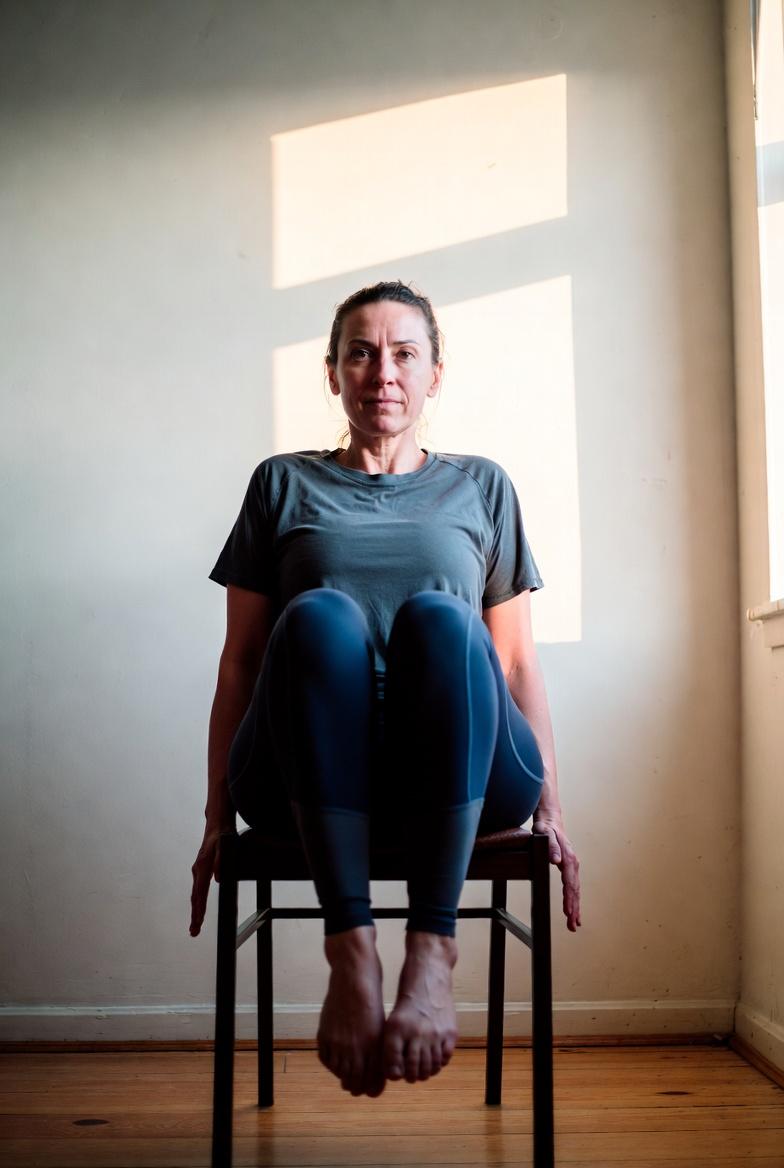
Exercise 4: Chair Yoga Poses for Flexibility
Chair yoga incorporates gentle stretches and poses using a chair for support. It’s ideal for those seeking mindfulness alongside physical activity.
One basic pose is the seated cat-cow: Sit forward, inhale to arch your back (cow), exhale to round it (cat). Repeat 5-10 times.
Other variations include:
- Ankle circles: Rotate each ankle clockwise and counterclockwise.
- Neck stretches: Gently tilt your head side to side.
- Shoulder rolls: Roll shoulders forward and back.
Yoga-related studies in the Archives of Gerontology and Geriatrics highlight potential benefits for balance and mood in older populations. It’s a holistic approach.
Here’s the exciting bit: Many find it reduces stress, making it a double win.
Exercise 5: Stationary Marching for Cardio Lite
Stationary marching mimics walking but keeps you in place, reducing impact on joints. It’s a rhythmic way to elevate your heart rate gently.
Stand or sit, lift one knee toward your chest, then alternate with the other, pumping your arms as if marching.
Build it up like this:
- March for 1-2 minutes to start.
- Increase time as you gain confidence.
- Add music for fun and motivation.
Insights from the Centers for Disease Control and Prevention (CDC) emphasize that moderate activities support heart health without overexertion. This one is particularly adaptable.
And now, for that surprising tip I mentioned earlier: Try alternating these exercises throughout the week to create a balanced routine, preventing boredom and targeting different muscle groups.
Comparing These Exercises to Traditional Walking
To help you decide, here’s a simple comparison table:
| Exercise | Impact Level | Equipment Needed | Focus Area | Duration Suggestion |
|---|---|---|---|---|
| Seated Leg Lifts | Low | Chair | Lower body circulation | 5-10 minutes |
| Arm Circles | Low | None | Upper body mobility | 3-5 minutes |
| Wall Push-Ups | Moderate | Wall | Strength and posture | 5 minutes |
| Chair Yoga | Low | Chair | Flexibility and relaxation | 10 minutes |
| Stationary Marching | Moderate | None | Light cardio | 5-10 minutes |
| Walking (for comparison) | Moderate | None | Full body cardio | 20-30 minutes |
This overview shows how these alternatives can fit into shorter sessions while offering similar benefits.
How to Incorporate These Into Your Daily Routine
Getting started doesn’t have to be overwhelming. Begin with one or two exercises, perhaps in the morning or evening.
Track your progress in a journal—note how you feel after each session. Over time, this builds momentum.
Remember, listening to your body is crucial. If something feels off, pause and adjust.
Studies from Harvard Health Publishing suggest that consistent, enjoyable activities lead to better long-term adherence.
But that’s not the end. Sharing your experiences with friends can make it more social and motivating.
Potential Benefits Backed by General Research
While individual results vary, general research points to positive outcomes from regular movement. For instance, a review in the British Journal of Sports Medicine notes that low-impact exercises can support cardiovascular function in older adults.
They may also aid in maintaining independence. The key is finding what works for you.
Conclusion
Exploring alternatives to walking after 60 opens up new ways to stay active, with options like seated leg lifts, arm circles, wall push-ups, chair yoga, and stationary marching offering accessible paths forward. These surgeon-recommended ideas prioritize ease and enjoyment. Remember that tip: Rotate them weekly for variety. Small steps today can make a difference tomorrow.
FAQ
What if I have existing health conditions—can I still try these exercises? It’s wise to consult a healthcare provider before starting any new routine, especially with conditions like heart issues or joint problems. They can tailor suggestions to your needs.
How often should I do these exercises after 60? Aim for most days of the week, starting with 10-15 minutes total. Gradually increase as comfort allows, focusing on consistency over intensity.
Are there any signs I should stop an exercise? Yes, if you experience pain (beyond mild discomfort), dizziness, or shortness of breath, stop immediately and seek medical advice.
Disclaimer: This article provides general information and is not a substitute for professional medical advice. Always consult your doctor before beginning any exercise program.


