
Joint discomfort can make everyday activities like walking up stairs or even holding a cup of coffee feel challenging, affecting millions of people worldwide and often leading to frustration in daily life. This ongoing ache might stem from various factors, including diet choices that could unknowingly contribute to inflammation, making mornings stiff and evenings exhausting. Fortunately, small adjustments in what you eat may help support your overall joint health, offering a practical way to feel more at ease. But here’s the intriguing part: one surprising food swap at the end of this article could change how you approach your meals entirely—keep reading to uncover it.

Understanding How Diet Influences Joint Health
Your diet plays a key role in how your body manages inflammation, which is often linked to joint issues. Research from organizations like the Arthritis Foundation suggests that certain foods can promote inflammatory responses, while others may help reduce them. By being mindful of what you consume, you can make informed choices that align with your wellness goals.
But that’s not all. Inflammation isn’t just about pain—it’s a natural process that can become chronic with repeated exposure to triggering foods. Let’s dive into the specifics.
Food #1: Added Sugars and Sweetened Beverages
Added sugars, found in sodas, candies, and many processed snacks, can contribute to higher levels of inflammation in the body. Studies, such as those published in the American Journal of Clinical Nutrition, indicate that excessive sugar intake may increase markers of inflammation, potentially worsening joint discomfort.
Here’s why it matters: When you consume too much sugar, it can lead to weight gain, which puts extra stress on joints. To manage this, start by checking labels for hidden sugars like high-fructose corn syrup.
- Opt for natural sweeteners like honey in moderation.
- Replace soda with infused water using fresh fruits.
- Track your daily sugar intake with a simple app.
And the good news? Making this switch can be easier than you think. Try starting with one meal a day.
Food #2: Processed and Red Meats
Processed meats like bacon, sausages, and deli slices, along with red meats such as beef, contain compounds that may fuel inflammation. According to research from Harvard Health, the saturated fats and preservatives in these foods can trigger inflammatory pathways.
Sustainability is another angle: Choosing plant-based alternatives not only supports joint health but also benefits the environment. Begin by incorporating meatless days into your week.
But wait, there’s more. Grilling or frying these meats can produce advanced glycation end-products (AGEs), which are linked to increased joint stiffness.
Actionable tip: Swap red meat for lean proteins like chicken or fish. Marinate with herbs for flavor without added fats.
Food #3: Refined Grains and Carbohydrates
White bread, pasta, and rice—refined grains—lack the fiber and nutrients of their whole-grain counterparts, potentially spiking blood sugar and inflammation. A study in the Journal of Nutrition highlights how refined carbs can promote inflammatory cytokines.
This is important because stable blood sugar helps maintain energy levels throughout the day. Transitioning to whole grains can be a game-changer.
- Choose brown rice over white for stir-fries.
- Experiment with quinoa in salads for variety.
- Bake with whole-wheat flour for homemade treats.
Here’s a pro tip: Read ingredient lists to ensure “whole grain” is the first item.
Food #4: High-Fat Dairy Products
Full-fat milk, cheese, and butter might exacerbate inflammation for some individuals due to saturated fats and casein. Insights from the Physicians Committee for Responsible Medicine suggest that reducing dairy intake could help those sensitive to it.
Yet, dairy provides calcium for bone health, so balance is key. Consider plant-based milks fortified with vitamins.
Sincerity moment: If you’ve noticed discomfort after dairy meals, this could be a clue. Test it out gently.
- Try almond or oat milk in your coffee.
- Use Greek yogurt sparingly if tolerated.
- Explore cheese alternatives made from nuts.
And interestingly, fermented dairy like yogurt might be better tolerated—research is ongoing.
Food #5: Fried and Fast Foods
Fried foods, including french fries and donuts, are high in trans fats and omega-6 fatty acids, which can imbalance the body’s omega-3 to omega-6 ratio, promoting inflammation. The World Health Organization notes that limiting trans fats supports overall health.
Convenience often leads us here, but home-cooked alternatives can be just as quick. Start with baking instead of frying.
But that’s just the beginning. These foods often come with excess salt, compounding the issue.
| Food Type | Why Avoid | Healthier Swap |
|---|---|---|
| French Fries | High trans fats | Baked sweet potato wedges |
| Donuts | Refined sugars and fats | Fresh fruit with nuts |
| Fast Food Burgers | Processed meats and buns | Homemade turkey burger on whole grain |
This table shows simple switches you can make today.
Food #6: Nightshade Vegetables for Sensitive Individuals
Tomatoes, potatoes, eggplants, and peppers—nightshades—contain solanine, which some people believe aggravates joint issues, though evidence is mixed. Anecdotal reports and small studies, like those in the Journal of Neurological and Orthopaedic Medicine and Surgery, suggest sensitivity in certain cases.
Not everyone is affected, so monitor your response. If you suspect a link, eliminate them temporarily.
Here’s the fascinating part: Many anti-inflammatory diets exclude nightshades initially to test.
- Substitute zucchini for eggplant in recipes.
- Use sweet potatoes instead of white potatoes.
- Opt for leafy greens over tomatoes in salads.
Track symptoms in a journal for personalized insights.
Additional Strategies to Support Joint Comfort
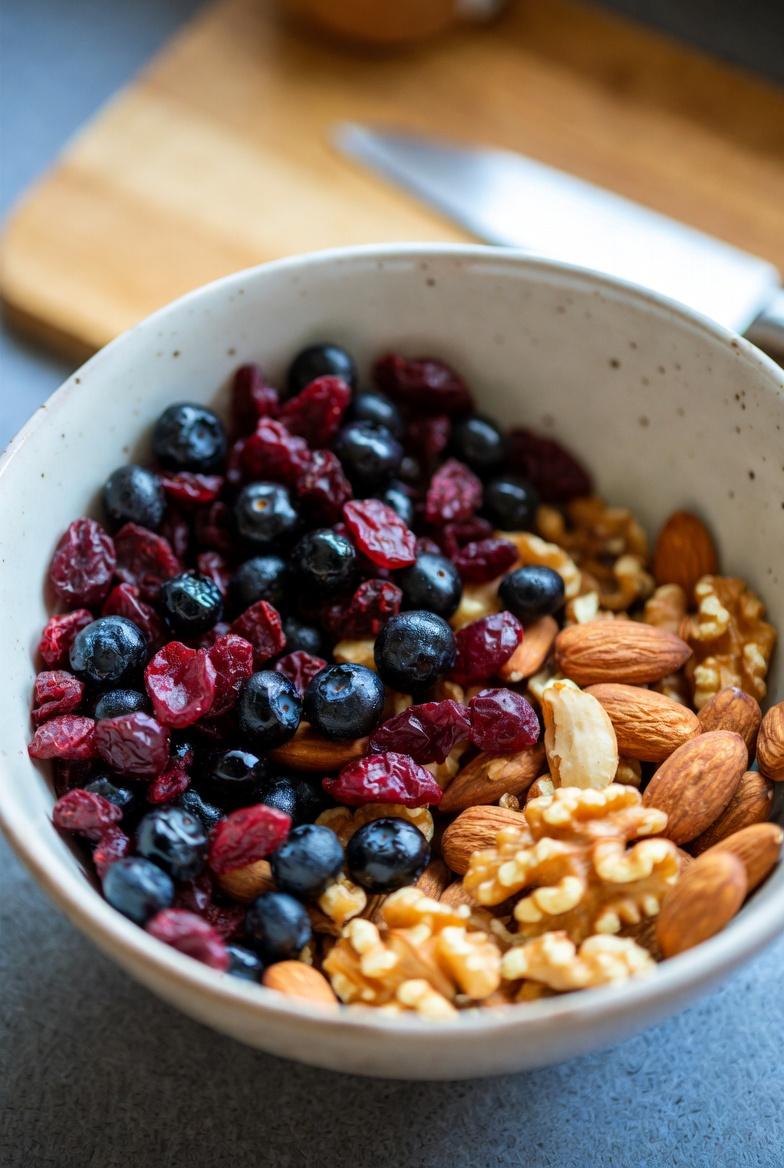
Beyond avoiding certain foods, incorporating anti-inflammatory options can make a difference. Think fatty fish, berries, and turmeric—rich in omega-3s and antioxidants.
Research shows: A Mediterranean-style diet, emphasizing fruits, veggies, and healthy fats, is associated with lower inflammation levels, per the New England Journal of Medicine.
Actionable steps:
- Add a handful of berries to breakfast daily.
- Brew ginger tea for its soothing properties.
- Include walnuts for omega-3 benefits.
But remember, consistency is key. Small changes add up over time.
Exploring Lifestyle Factors Alongside Diet
Exercise gently, like walking or swimming, can complement dietary adjustments. Staying hydrated also supports joint lubrication.
Sustainability tip: Meal prep to avoid impulsive choices. This keeps you on track without stress.
And now, for that promised surprise: The ultimate food swap? Turmeric-golden milk instead of sugary lattes—it’s creamy, warming, and packed with curcumin, which studies suggest may help with inflammation management.
Wrapping It Up: Empowering Your Choices
In summary, being aware of foods like added sugars, processed meats, refined grains, high-fat dairy, fried foods, and nightshades can help you navigate joint discomfort more effectively. Pair this with positive additions and lifestyle tweaks for a holistic approach.
Remember, everyone’s body is unique—listen to yours and consult professionals for tailored advice.
Frequently Asked Questions
What are some quick snacks that won’t aggravate joint discomfort?
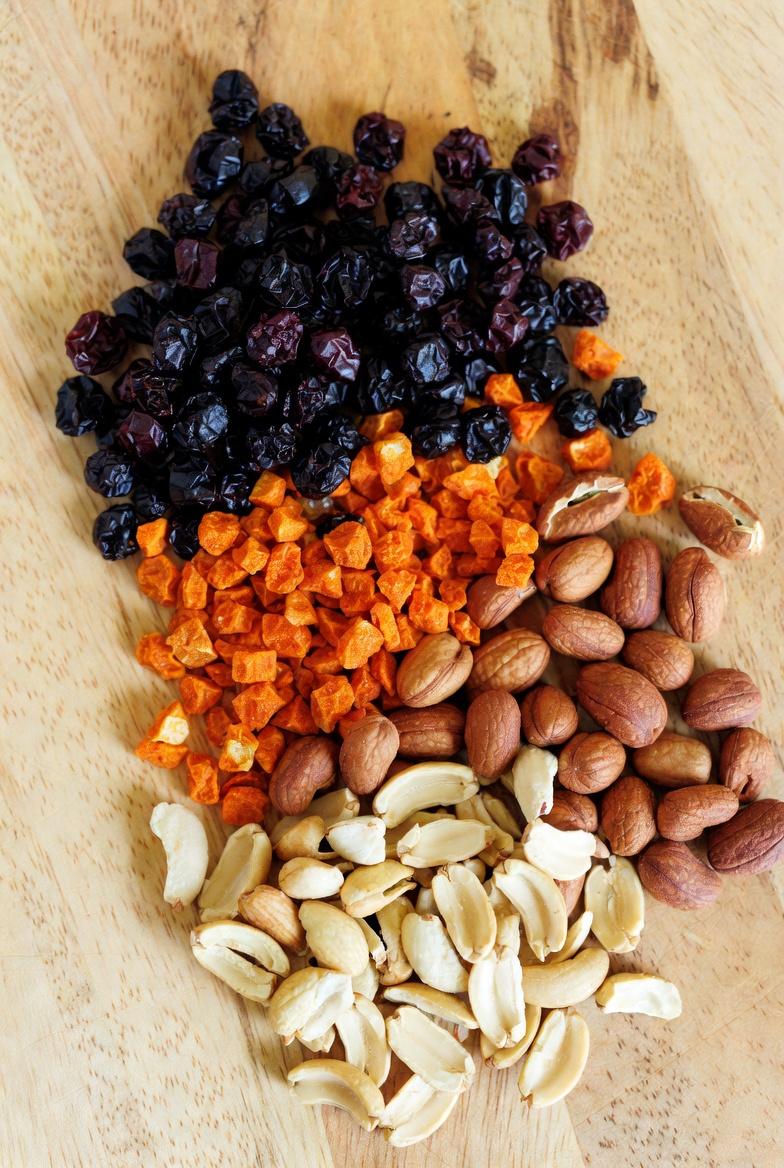
Opt for nuts, seeds, or fresh veggies with hummus. These provide nutrients without inflammatory triggers, keeping energy steady.
How long does it take to notice changes after adjusting my diet?
Many people report differences in 2-4 weeks, but it varies. Consistency and tracking help gauge progress.
Can I still enjoy treats occasionally?
Yes, moderation is fine. Focus on balance to maintain enjoyment while supporting health.
Disclaimer: This article is for informational purposes only and not intended as medical advice. Always consult a healthcare provider before making significant dietary changes, especially if you have underlying conditions.


