As we age, many of us notice subtle changes—like feeling more tired after a short walk or occasional stiffness that wasn’t there before. These can stem from everyday factors that quietly affect how well our blood vessels function. It’s frustrating when energy levels dip and simple activities feel harder, leaving us wondering if there’s a gentle way to feel more vibrant again.
But here’s the good news: research points to certain natural beverages that, when enjoyed regularly, may offer supportive benefits for circulation and overall heart health. And toward the end of this guide, we’ll reveal some practical tips to make adding one cup a day surprisingly easy.

Why Focus on Natural Drinks for Circulation Support?
Our blood vessels play a key role in delivering oxygen and nutrients throughout the body. Over time, lifestyle factors can influence their flexibility and efficiency.
Studies, including those reviewed by organizations like the American Heart Association, suggest that compounds like nitrates, polyphenols, and catechins found in some drinks may help promote healthy endothelial function—the inner lining of blood vessels.
No single drink works miracles overnight, but incorporating evidence-backed options into your routine could complement a balanced lifestyle.
Ready to explore some promising choices? Let’s dive in.
The Nitrate-Packed Option: Beetroot Juice
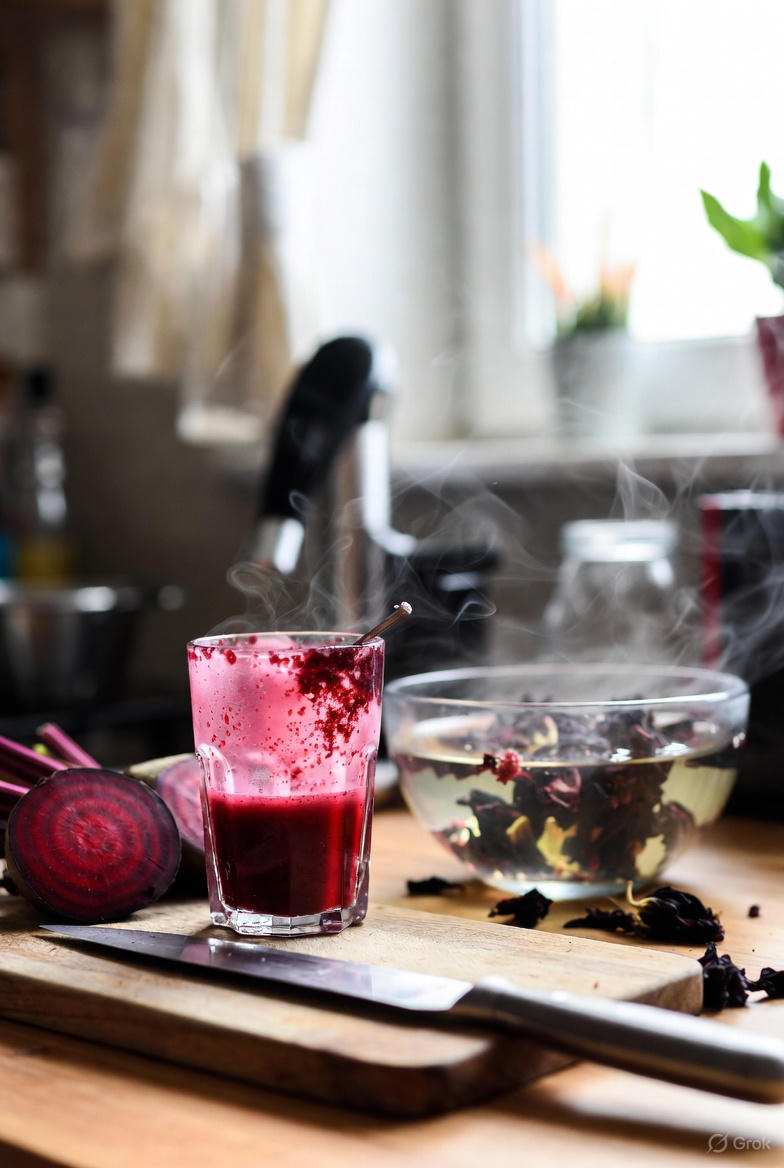
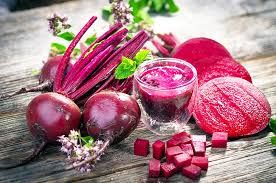
Beetroot juice stands out for its natural nitrates, which the body converts to nitric oxide—a compound that helps blood vessels relax.
Multiple clinical trials and meta-analyses have shown that regular beetroot juice consumption may support healthy blood pressure levels and improved blood flow.
For instance, systematic reviews indicate reductions in systolic blood pressure averaging 3-5 mmHg, with benefits often seen in older adults.
Many people enjoy it fresh or unsweetened for the best potential effects.
But that’s not all—another vibrant red drink shows promise too.
The Antioxidant-Rich Favorite: Pomegranate Juice
Pomegranate juice is loaded with polyphenols, including punicalagins, known for their antioxidant properties.
Human trials, such as one involving patients with carotid artery issues, suggest it may help reduce oxidative stress and support endothelial health.
Research also hints at modest improvements in blood pressure and lipid profiles when consumed regularly (unsweetened, of course).
It’s tart and refreshing—perfect for those who enjoy bold flavors.
The interesting part? A soothing warm option comes next.
The Gentle Daily Ritual: Green Tea
Green tea’s catechins, especially EGCG, have been extensively studied for cardiovascular support.
Meta-analyses of randomized trials show it may help maintain healthy cholesterol oxidation and modestly lower blood pressure.
One review found reductions in systolic pressure by about 2-3 mmHg with consistent intake.
Brew it fresh for a calming, aromatic experience.
Surprisingly, a simple tangy tonic offers additional potential.
The Easy-to-Make Tonic: Apple Cider Vinegar Drink
Diluted apple cider vinegar (often with lemon or water) contains acetic acid, which some studies link to better lipid profiles and blood sugar control.
A meta-analysis of clinical trials noted favorable effects on total cholesterol and fasting glucose in certain groups.
Start with 1-2 tablespoons in water—it’s straightforward and versatile.
Now, a warming blend brings together familiar ingredients.
The Aromatic Infusion: Garlic, Lemon, and Ginger Drink
This combination draws on allicin from garlic, gingerols from ginger, and vitamin C from lemon.
While individual components show anti-inflammatory and circulation-supporting effects in research, blended infusions are popular in traditional practices.
Small studies suggest potential for healthy blood pressure and reduced inflammation.
Infuse warm for a pungent, invigorating sip.
Finally, a floral brew rounds out the list.
The Vibrant Herbal Choice: Hibiscus Tea
Hibiscus tea’s anthocyanins give it that striking red hue and potential vessel-relaxing effects.
Clinical trials and meta-analyses consistently show it may lower systolic and diastolic blood pressure by 4-7 mmHg on average.
It’s caffeine-free and brews hot or cold—tart like cranberry.
Quick Comparison of These Supportive Drinks
Here’s a simple table to highlight key compounds and preparation ideas:
| Drink | Key Compound(s) | Potential Support Area | Easy Preparation Tip |
|---|---|---|---|
| Beetroot Juice | Nitrates | Vessel relaxation, blood flow | Fresh or pure, 8-12 oz daily |
| Pomegranate Juice | Polyphenols | Antioxidant effects, endothelial health | Unsweetened, chilled |
| Green Tea | Catechins (EGCG) | Cholesterol oxidation, mild BP support | Brew fresh leaves, 2-3 cups |
| ACV Drink | Acetic acid | Lipid and glucose balance | 1-2 tbsp diluted in water |
| Garlic-Lemon-Ginger | Allicin, gingerols | Anti-inflammatory, circulation | Infuse sliced ingredients warm |
| Hibiscus Tea | Anthocyanins | Blood pressure balance | Steep dried flowers, hot or iced |
Effects can vary by individual—consistency matters most.
How to Safely Add One Cup to Your Day
Starting small helps build a sustainable habit. Here’s a step-by-step guide:
- Choose your favorite: Pick one that appeals to your taste to make it enjoyable.
- Start moderately: Aim for 8-12 oz once daily, ideally at the same time.
- Opt for quality: Pure, unsweetened versions maximize potential benefits.
- Pair with habits: Enjoy with a meal or walk to enhance your routine.
- Listen to your body: Note how you feel and adjust as needed.
Many find morning or evening works best.
- Morning boost: Beetroot or green tea for energy.
- Afternoon refresh: Pomegranate or ACV tonic.
- Evening wind-down: Hibiscus or ginger infusion.
Wrapping It Up: Small Sips for Potential Big Benefits
These six drinks—beetroot juice, pomegranate juice, green tea, apple cider vinegar tonic, garlic-lemon-ginger infusion, and hibiscus tea—offer researched compounds that may naturally support healthy circulation and blood vessel function.
Paired with balanced eating, movement, and stress management, one daily cup could become a simple, enjoyable part of feeling more energized.
The real “secret”? It’s about consistent, moderate choices that fit your life.
Frequently Asked Questions
Can these drinks replace blood pressure medication?
No—these are supportive options from food sources. Always follow your doctor’s guidance and never stop prescribed treatments without consulting them.
How long until I might notice any differences?
Studies often show benefits after 4-8 weeks of regular intake, but individual results vary. Focus on overall habits for the best outcomes.
Are there any side effects to watch for?
Most are safe in moderation, but beetroot can temporarily color urine, and ACV may affect tooth enamel if undiluted. Start slow and choose pure forms.
Disclaimer: This article is for informational purposes only and is not medical advice. These drinks may support health but do not diagnose, treat, or prevent any condition. Consult your healthcare provider before making changes, especially if you have health concerns or take medications.